Yes, you can leave once Resident Evil ends: the film has no mid-credits scene and no post-credits scene. There is no additional tag, character reveal, sequel tease, or final joke waiting after the credits.
That is the useful, spoiler-free answer for anyone planning a theater trip. The absence of a credits stinger does not make the ending insignificant, though. Zach Cregger’s film finishes on an unresolved and deliberately alarming image that gives viewers plenty to discuss without placing that discussion after the credits.
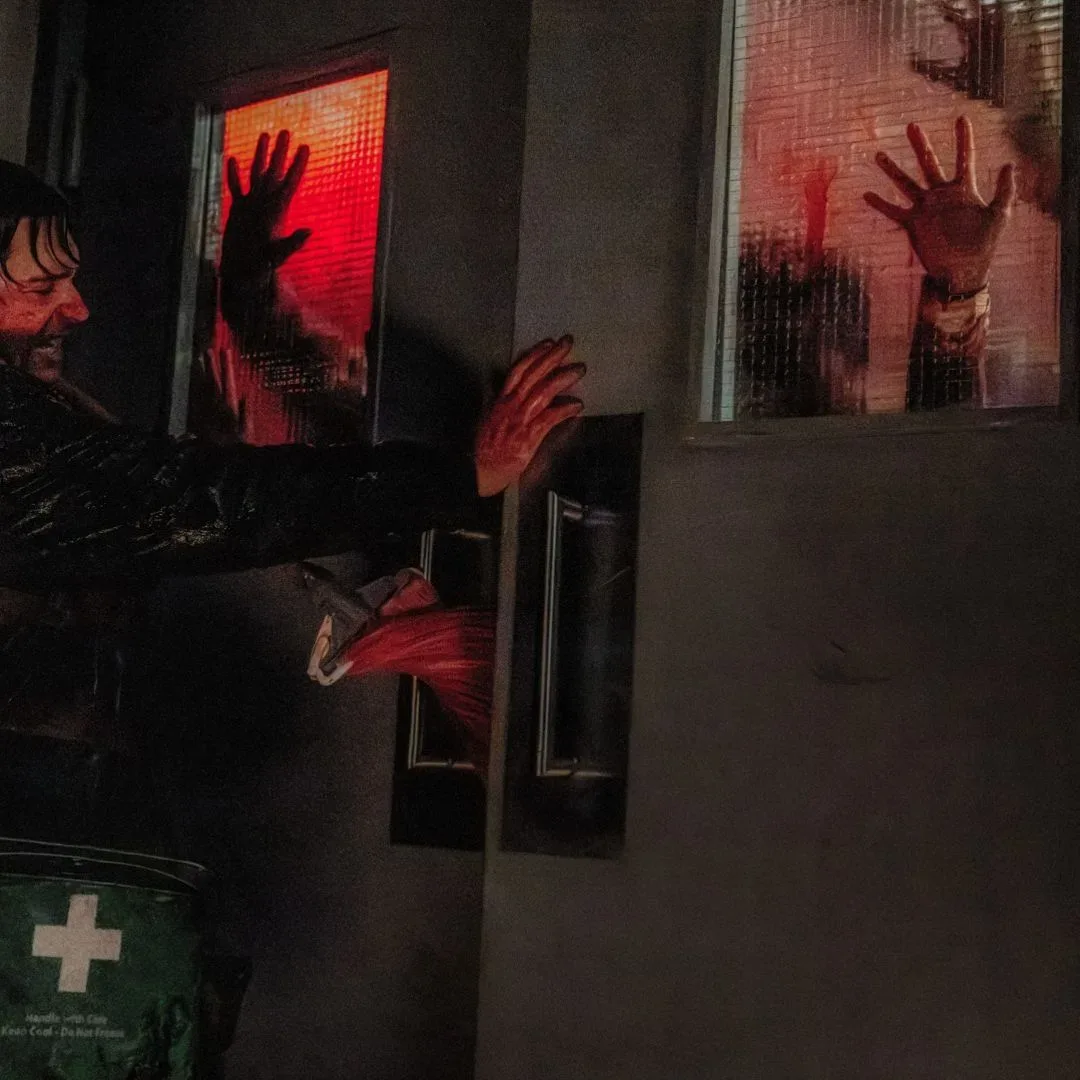
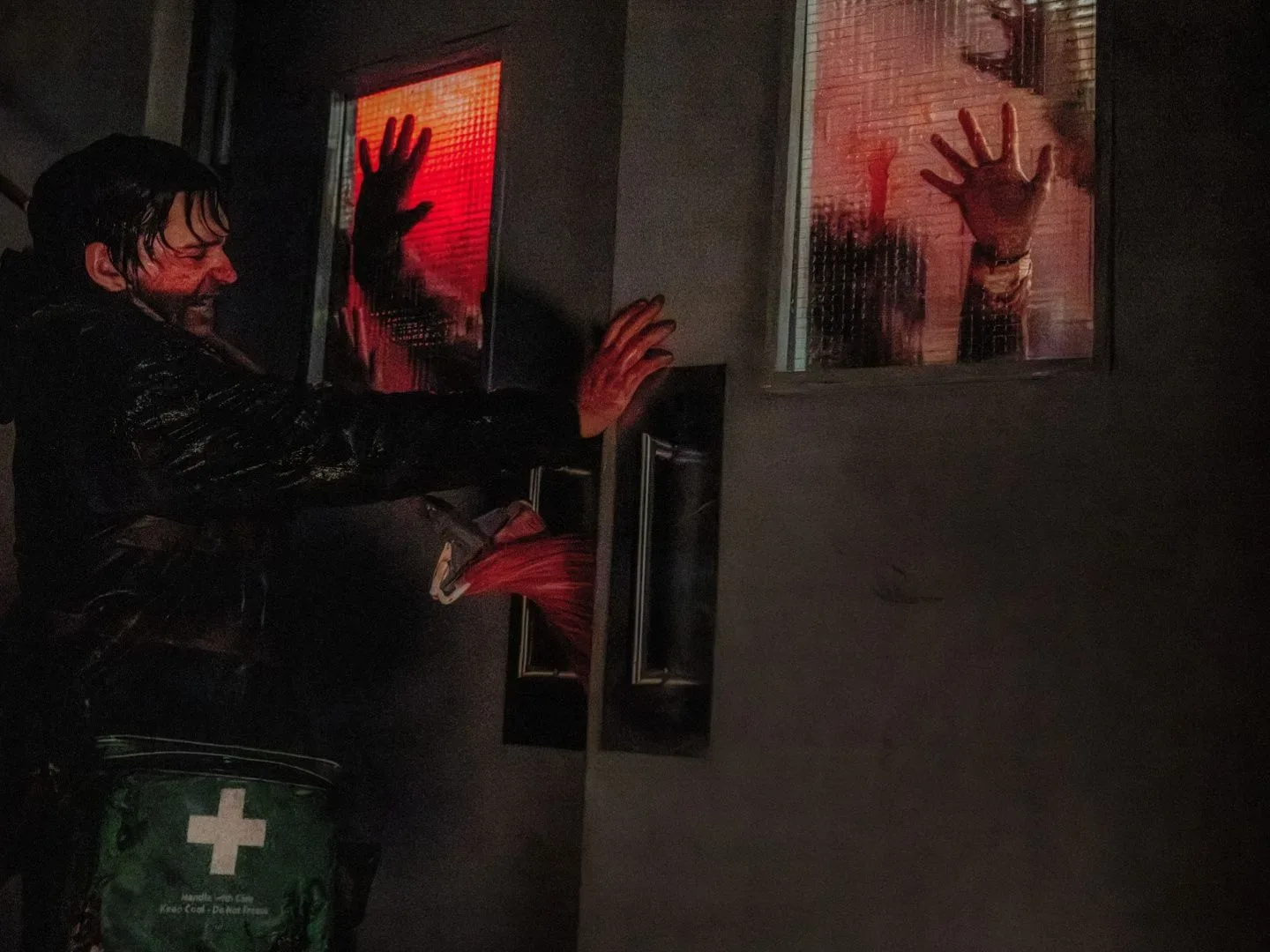
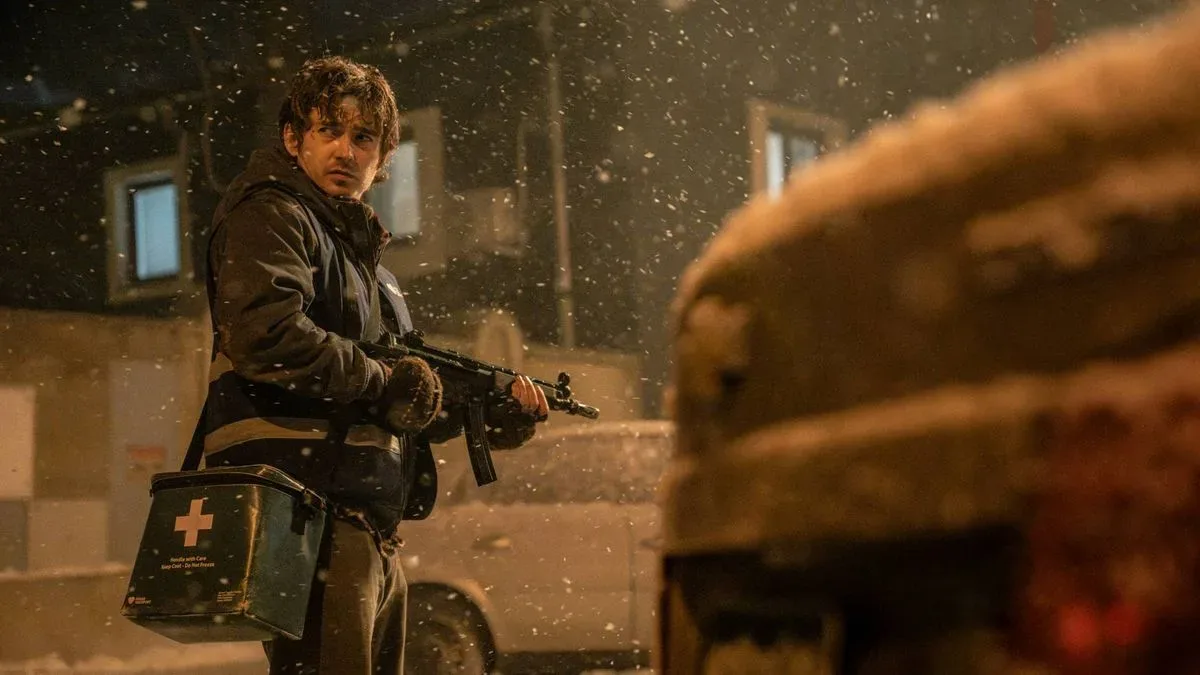
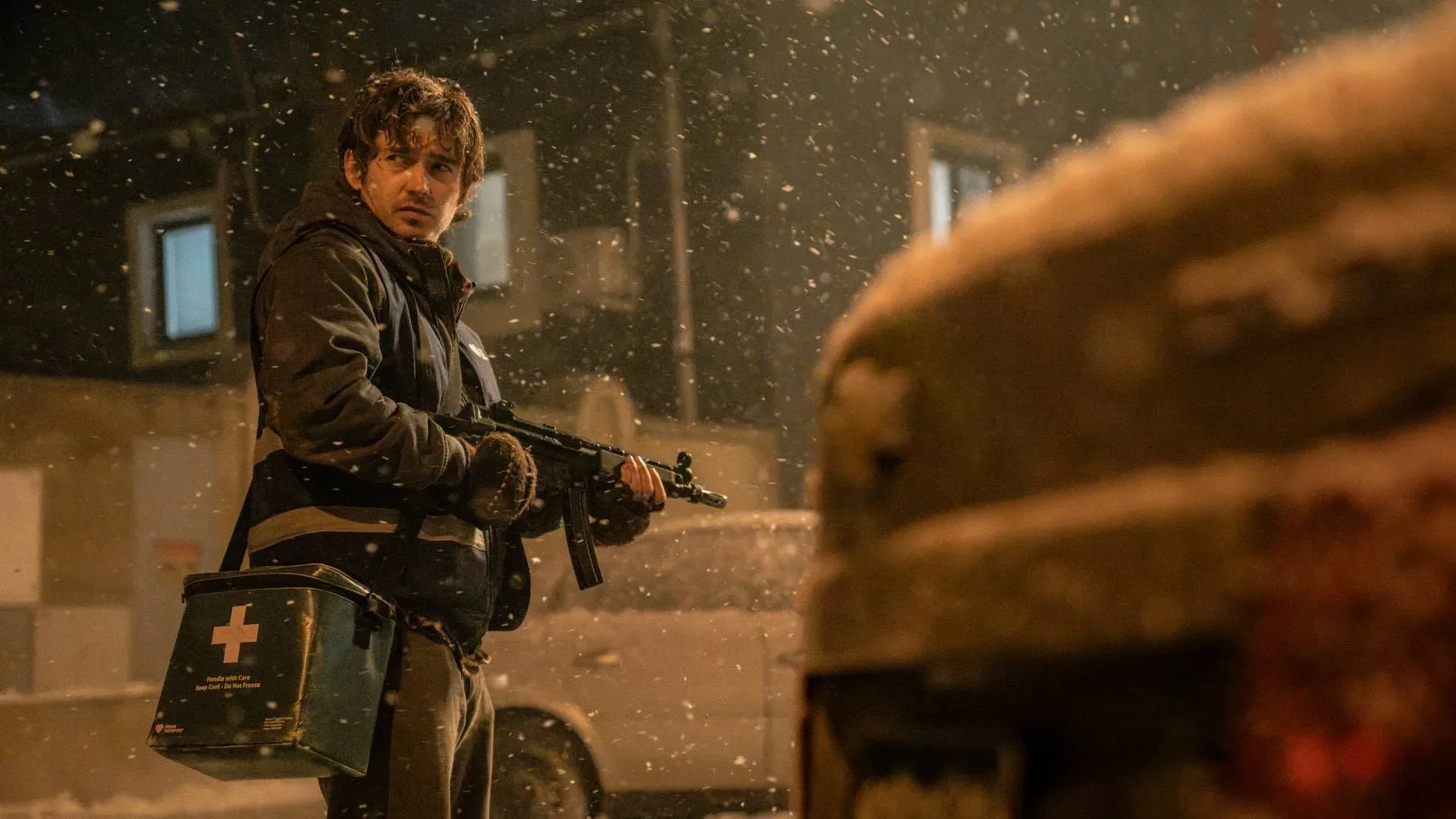
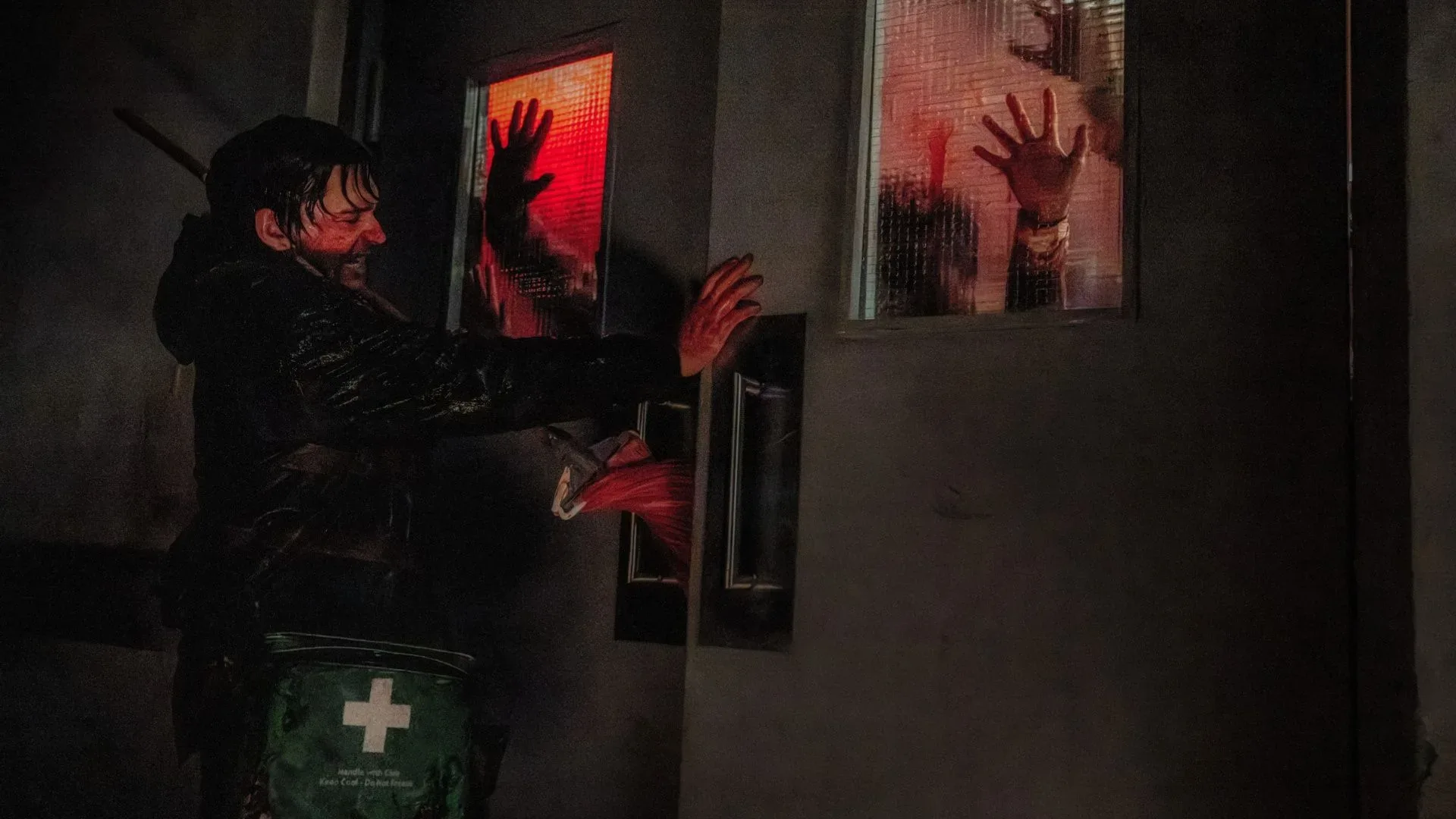
The movie takes an original-story approach rather than directly adapting one specific game. Its protagonist is Bryan, a medical courier caught in a disastrous night as he tries to reach Raccoon City General with a vital sample. Familiar franchise ingredients remain important to the premise, including Umbrella Corporation experimentation, infection, mutation, and the threat of a biological weapon. For a closer look at the game references threaded through the movie’s world, see our guide to Resident Evil’s game Easter eggs.
The spoiler-free answer: nothing follows the credits
Moviegoers do not need to wait through the credits to catch an extra scene. That applies to both possibilities audiences usually mean when they ask this question:
- Mid-credits scene: a scene that arrives after the main ending but before the entire credit roll is complete.
- Post-credits scene: a final piece of footage shown only after the credits finish.
Resident Evil has neither. The final narrative beat comes before the credits, and it is the film’s last piece of story footage.
That distinction matters because credits scenes have become a routine expectation around big franchise releases. They can introduce a future antagonist, confirm a surviving character, establish a new mission, or simply reframe an earlier event. Here, viewers are not being asked to hunt for a hidden epilogue. The film presents its closing statement directly, then ends.
Why no stinger fits this Resident Evil approach
A missing post-credits scene should not automatically be read as proof that a film is intended to have no continuation. It simply means the movie does not use the familiar extra-scene format to promise one. In this case, that choice fits a story built as a self-contained nightmare around Bryan’s overnight ordeal rather than a direct screen translation of a particular game installment.
Cregger has indicated that he has ideas for other places the story could go, while also stressing that the future depends on what happens with this film. That leaves the prospect of further movies open, not confirmed. In other words, the lack of an after-credits tease is not a cancellation notice, nor is the ending a formal sequel announcement.
Related coverage includes Resident Evil Movie Post-Credits Scene: Is There Anything After the Credits?.
It is also worth separating a standalone story from a closed ending. A standalone story can introduce a new lead and tell a complete central narrative without requiring viewers to know every prior entry. A closed ending, by contrast, resolves every major remaining question. Resident Evil operates much more like the former than the latter: Bryan’s immediate journey reaches its devastating endpoint, but the wider consequences are left hanging.
Warning: the rest of this article discusses the ending
Major spoilers for the ending of Resident Evil follow.
What happens in the Resident Evil ending?
After the brutal trip toward Raccoon City General, Bryan makes it to the hospital with the sample still intact. He reaches Umbrella Corporation’s laboratory on the building’s 28th floor, where the lab begins work on a cure before the National Guard arrives.
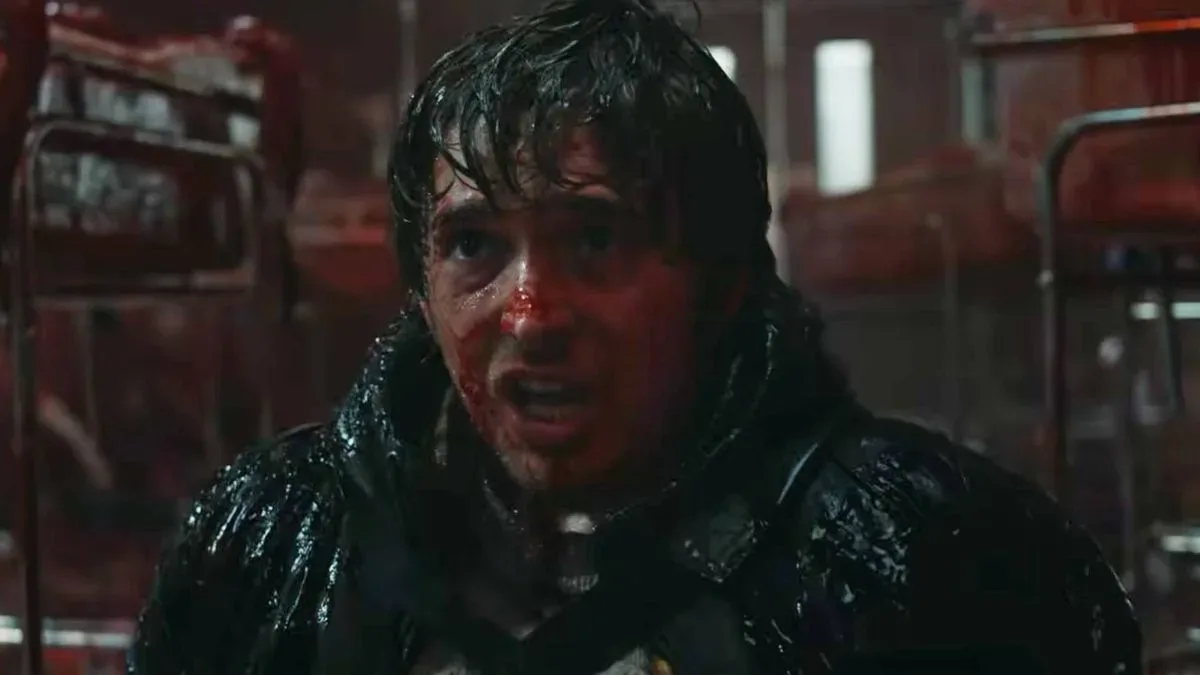
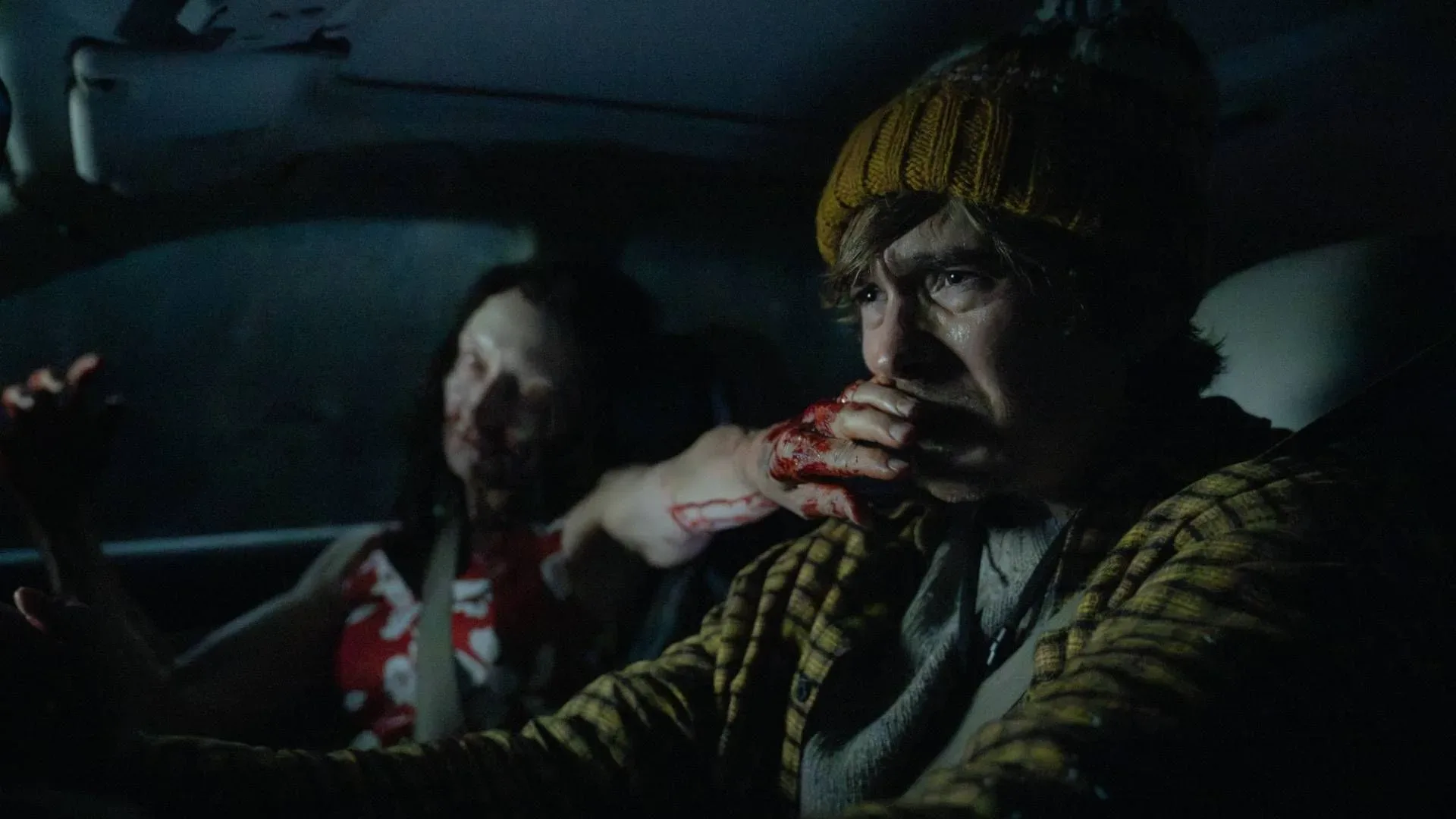
But the race against time has already turned against him. Bryan was bitten, and the infection has continued to spread. Rather than being saved by the sample he carried, he begins changing into a B.O.W.
B.O.W. means Bio Organic Weapon, the franchise’s term for a creature created or altered through biological experimentation for weaponized purposes. The label is bigger than a generic zombie description: it points to the Umbrella-linked science at the heart of the series’ horror. Bryan’s transformation turns the person attempting to deliver a cure into the newest—and most immediate—biological threat in the lab.
His mutation escalates rapidly. Bryan kills the technicians and absorbs them into his own body, becoming a much larger and more horrifying creature. The design evokes Nyx, the monster associated with Resident Evil Outbreak: File #2, though the film’s story remains its own rather than a straight adaptation of that game.
The ending’s cruel tension is that Bryan still wants the cure. His original objective has not simply vanished beneath the mutation. Yet he fails to secure it. During a confrontation with the last surviving technician on the hospital sky bridge, Bryan kills the technician, while the needle containing the cure falls to the ground below.
The National Guard then surrounds the mutated Bryan with helicopters. The movie cuts to credits there.
The cure is lost, and that is the point
The needle dropping away is the pivotal image in the ending. Throughout Bryan’s journey, the sample represents an increasingly narrow chance to prevent or reverse disaster. By the time he reaches Umbrella’s lab, the immediate goal seems to be in reach: the sample is present, the work on the cure has begun, and help is approaching. Instead, the cure is physically separated from Bryan at the moment he most needs it.
That outcome produces several unresolved problems within the film’s world. Bryan is still alive at the point the credits begin, but he is fully mutated and enclosed by a military response. The cure is no longer in the laboratory team’s hands. And the film does not show whether the National Guard can contain him, whether anyone can recover the needle, or whether a cure can still be made or administered in time.
The unfinished state of those questions is not a hidden post-credits promise; it is the ending itself. A stinger normally adds a new fragment after the story appears over. Here, the narrative withholds resolution before the credits even begin.
What the final scene may set up—and what it does not confirm
There is a clear foundation for future stories if the filmmakers decide to return. Bryan’s fate is unsettled, the National Guard’s intervention has only just started, and Umbrella’s lab remains tied to the failed attempt at a cure. Those are natural pressure points for a continuation.
Still, viewers should treat that as analysis rather than confirmation. The final scene does not identify a sequel title, announce another protagonist, provide a release date, or reveal a specific next threat. Nor does the absence of a credits scene mean the movie cannot receive a follow-up. It means any continuation would have to grow from the final confrontation rather than an extra clip attached after it.
The image of Bryan surrounded by helicopters works because it concentrates the film’s central reversal: the courier who fought to get a cure to Umbrella’s laboratory becomes the crisis confronting the authorities. His task is complete in the narrow logistical sense—he got the sample to its destination—but the hoped-for outcome collapses. The cure is lost, the technicians are dead, and Bryan’s transformation has made him part of the catastrophe.
Practical viewing takeaway
If you have not seen the movie and only wanted the theater logistics, you can confidently head out after the ending. There is no mid-credits or post-credits footage to miss.
If you have seen it, the final sequence is the material worth sitting with: Bryan arrives at Raccoon City General; Umbrella’s lab begins trying to develop the cure; his infection advances; he mutates into a B.O.W.; the cure needle falls during the sky-bridge confrontation; and the National Guard closes in as the screen goes to credits.
That ending leaves room for a continuation without converting the credits into homework. For now, the only certainty is simple: Resident Evil ends before the credits, and it leaves Bryan’s fate—and the fate of the cure—unresolved.