Major spoilers for Resident Evil follow.
Resident Evil director Zach Cregger has explained why the film’s final stretch gives its doomed courier, Bryan, a sliver of hope even after the story appears to have crossed the point of no return. The answer is not that the movie suddenly became less brutal. Instead, Cregger reworked the ending around a small piece of footage he had shot as a backup: a scientist discreetly keeping the cure within reach.
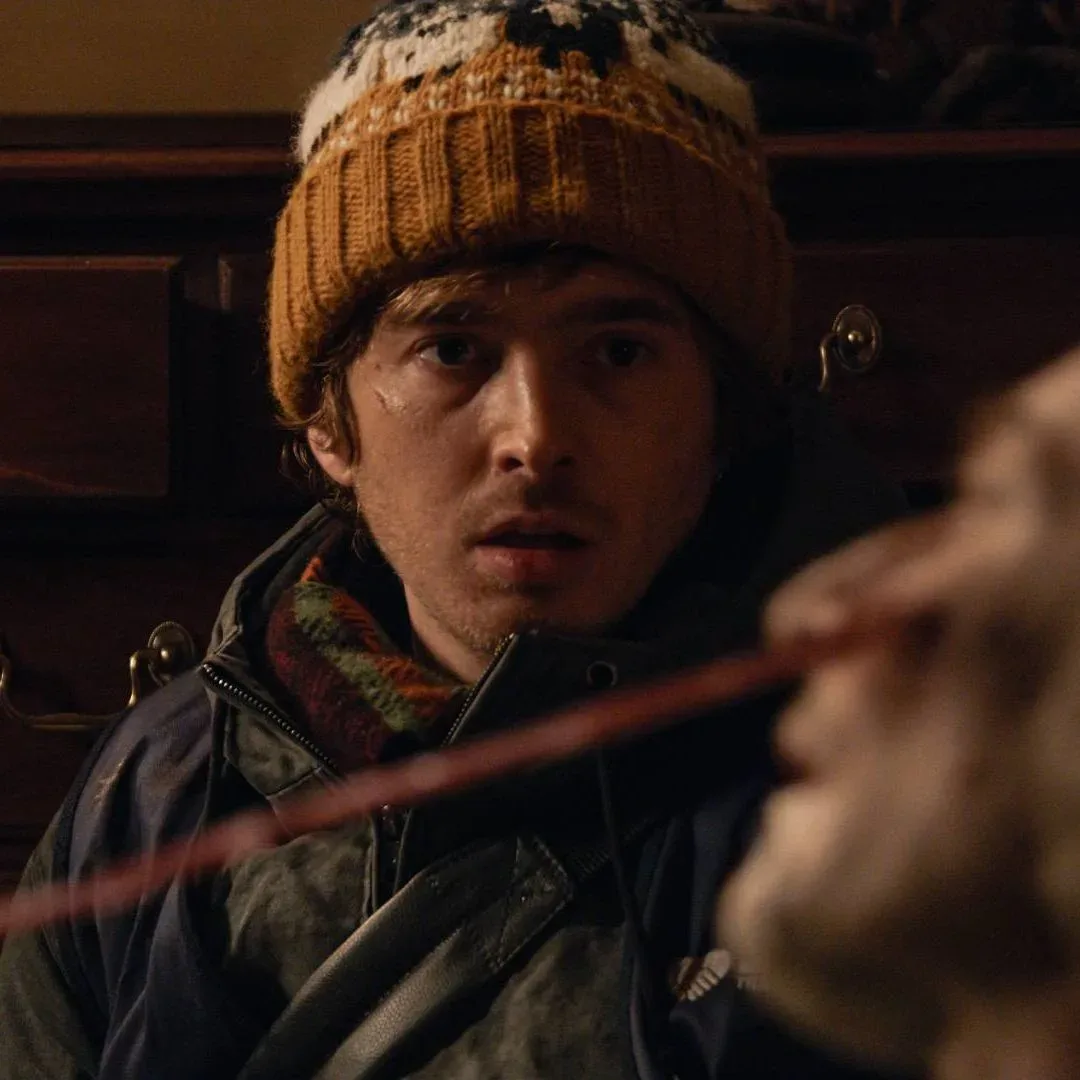
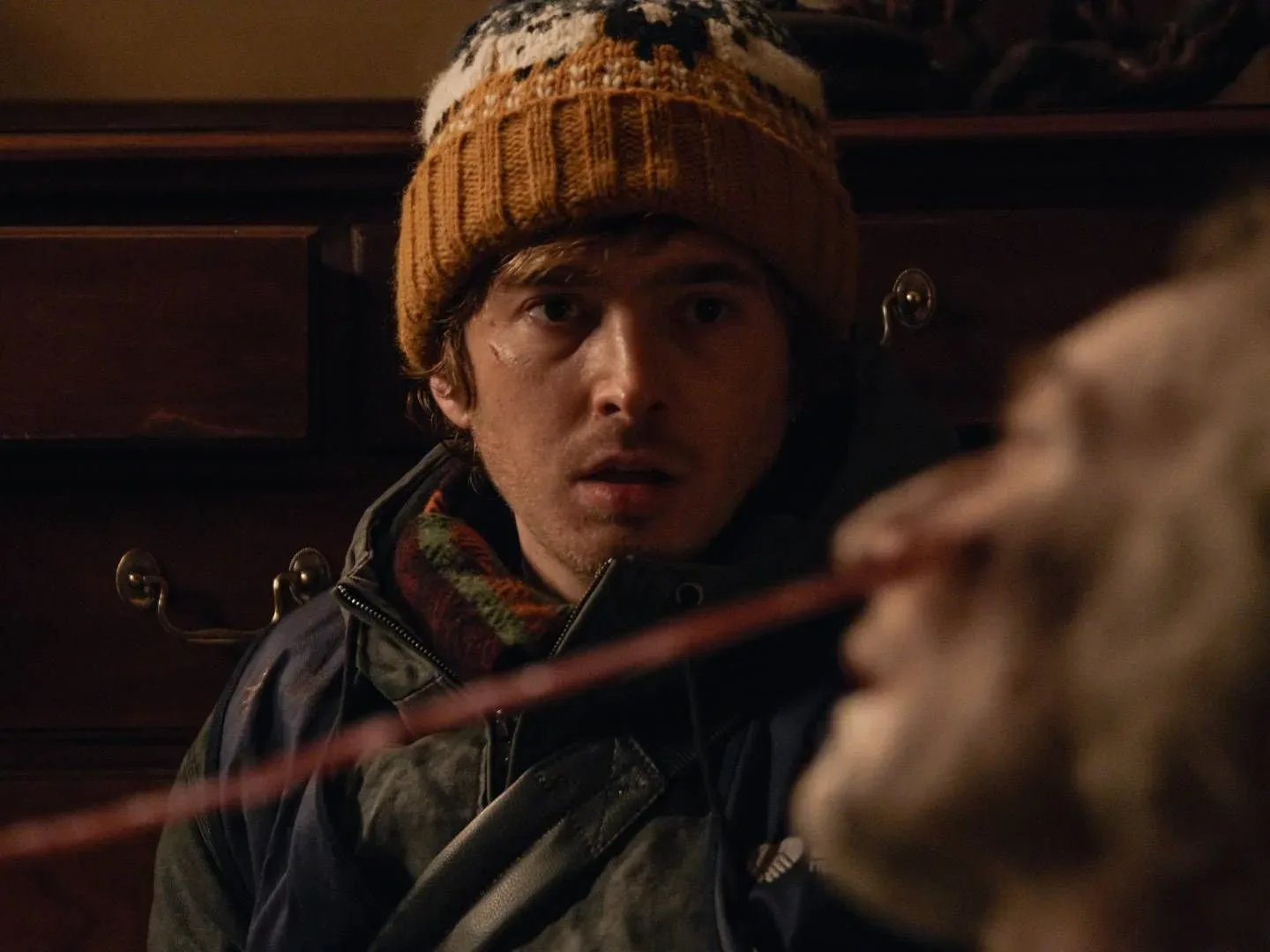
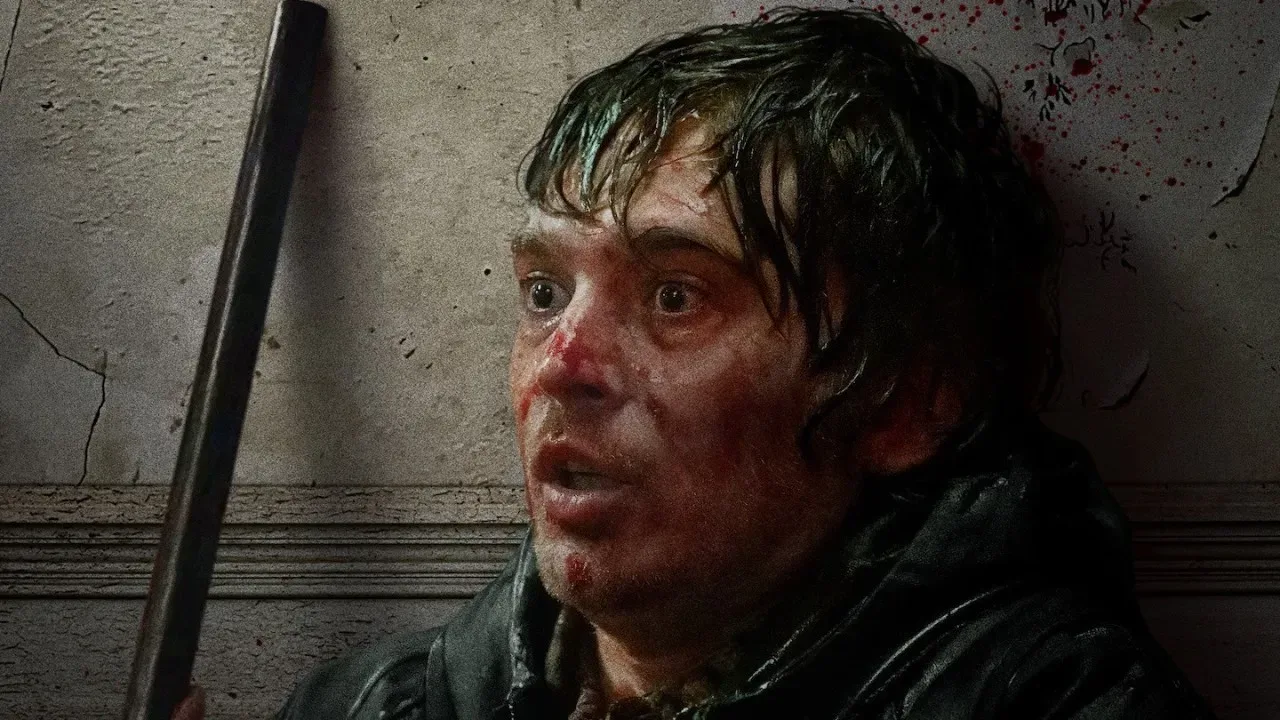
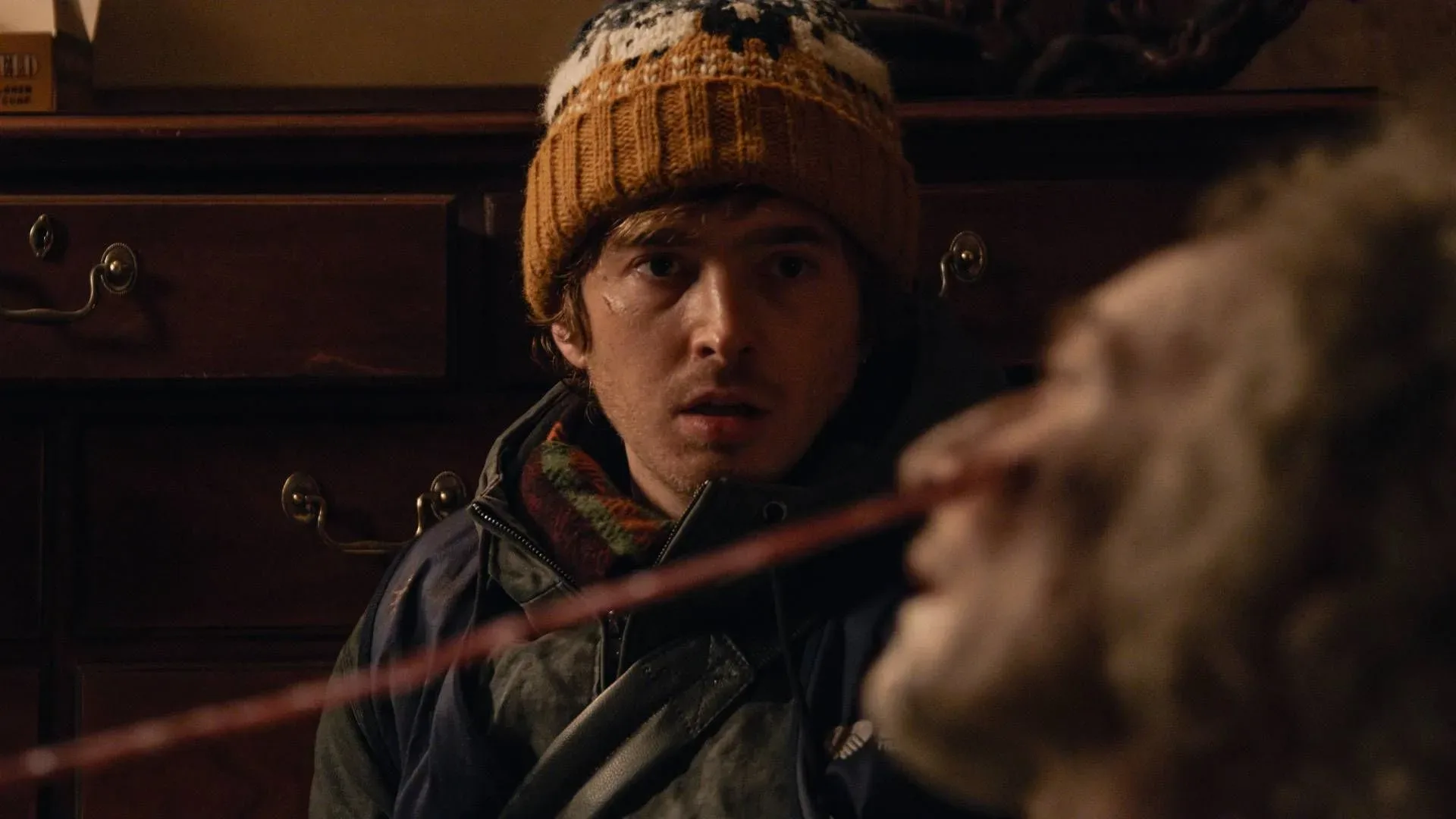
That choice changes the emotional engine of the finale. Bryan, played by Austin Abrams, is bitten earlier in the film and spends the story being pushed through Raccoon City’s undead chaos. By the time he reaches an Umbrella Corporation laboratory, he is already running out of time. Umbrella is seeking a cure for the zombie outbreak, but Bryan ultimately mutates into a grotesque B.O.W. form familiar to players of the games.
In the earlier scripted version, there was no remaining uncertainty about who—or what—Bryan had become. His humanity was entirely gone. A scientist would pull a needle away, Bryan would seize a woman’s face, the needle would fall and break, and the remaining action would play as an unambiguous monster attack. Cregger’s description of the response to that approach is blunt: the audience’s investment effectively ended there.
The alternate material gave the sequence a different objective. Rather than watching characters merely try to survive an already-lost situation, viewers can hope that Bryan might still be saved. The cure remains physically present, and that presence keeps the fate of the character in play until the end.
A contingency shot became the ending’s central piece
Cregger said he had initially failed to sufficiently show Bryan’s desperation to be cured. Reorganizing the chain of events addressed that issue, but the revision only worked because he had already filmed a usable option. The crucial shot shows a scientist putting the needle in his pocket, a precaution Cregger captured because he suspected he might later need it.
That is the practical filmmaking lesson inside the horror-movie gore: a contingency plan is not necessarily a completely separate ending. It can be a single image, reaction, prop movement, or edit point that preserves flexibility once the story is assembled. Here, the needle is more than a medical object. It is a visible promise that a solution has not quite vanished.
In the discarded structure, the broken needle closes the door on the cure. The narrative question becomes simple and bleak: who will stop Bryan? In the revised structure, that question shares space with another: can Bryan be recovered before the transformation consumes him? Even if the odds are terrible, the possibility gives the action a human focal point.
Related coverage includes Resident Evil Director Zach Cregger Explains Why Bryan's Ending Changed.
Why the revised version raises the stakes
“Stakes” is often used as shorthand for the consequences that make an outcome matter. More violence alone does not automatically create higher stakes. In this case, the changed ending creates competing consequences. The characters are threatened by a fully mutating Bryan, while the chance of restoring him makes killing him—or failing to reach him—feel like the loss of a person rather than simply the removal of a threat.
Cregger framed the difference in terms of audience motivation. The earlier ending invites a response closer to, “Kill them all,” because it establishes that Bryan is irretrievably gone. The newer version pushes viewers toward “save him.” That is a substantial shift in a climax, particularly for a story built around an infection that conventionally signals doom.
It also clarifies why the movie’s ending can feel more hopeful without becoming conventionally happy. Bryan does not simply escape the consequences of his bite. The film still takes him to an Umbrella lab, still has the researchers pursuing a cure, and still turns him into the twisted B.O.W. The hope exists as tension, not as an easy reversal. It is the final uncertainty over whether anything of Bryan remains and whether the cure can matter in time.
Bryan’s tragedy needs to stay personal
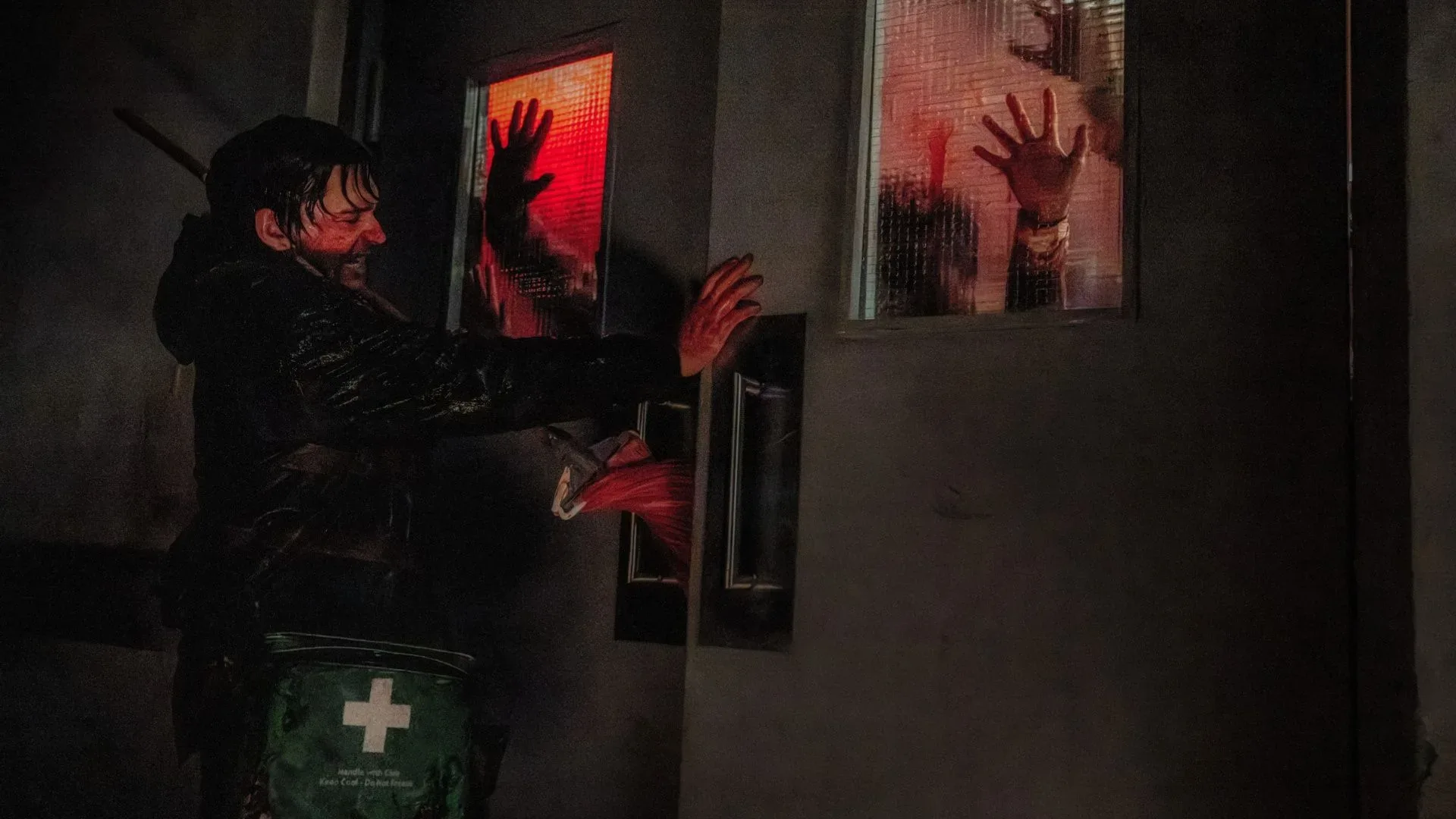
Resident Evil’s setting supplies the large-scale disaster: Raccoon City is filled with undead set-pieces, Umbrella is pursuing a cure, and the infection produces monstrous transformations. Bryan supplies the smaller-scale tragedy. He is a courier caught in a catastrophe, then a bite victim whose condition places him on a narrowing path toward mutation.
The final revision helps ensure that the larger mythology does not swallow that character thread whole. B.O.W. is the label used for Bryan’s final mutated state, and the film’s imagery turns him into a mass of tentacles and gooey eyes. Yet the needle makes viewers remember the person who entered the lab. The more clearly the story preserves Bryan’s need to be saved, the more upsetting his monstrous state can be.
This is also where the ending’s altered order of events matters. Cregger did not describe adding an unrelated epilogue or changing the setting of the finale. He described reorganizing material to better communicate Bryan’s desperation and to keep the cure dramatically active. The resulting difference is one of emphasis: not whether the transformation is horrifying, but whether the audience is encouraged to look for a person inside it.
What it means for a game adaptation
The finale’s B.O.W. turn is designed to be recognizable to Resident Evil game fans, but Cregger’s explanation suggests the ending is working on two tracks. There is the creature-feature payoff of seeing an infected character become something hideous. Then there is the character payoff of making the audience want the cure to arrive before that change becomes absolute.
That balance matters for adaptations drawn from games, where recognizable elements can carry considerable weight. A familiar monster connection can reward an audience that knows the series, but it does not automatically establish emotional stakes for a character created for the film. Bryan’s cure dilemma gives the finale a direct dramatic reason to care about the transformation beyond recognition alone.
It is a useful distinction for viewers parsing the ending. The B.O.W. reveal is not merely a nod toward the games; within the plot, it is the visible evidence that the cure may have arrived too late. The needle in the scientist’s pocket, meanwhile, is the counterweight: an object that says “too late” has not been proven yet.
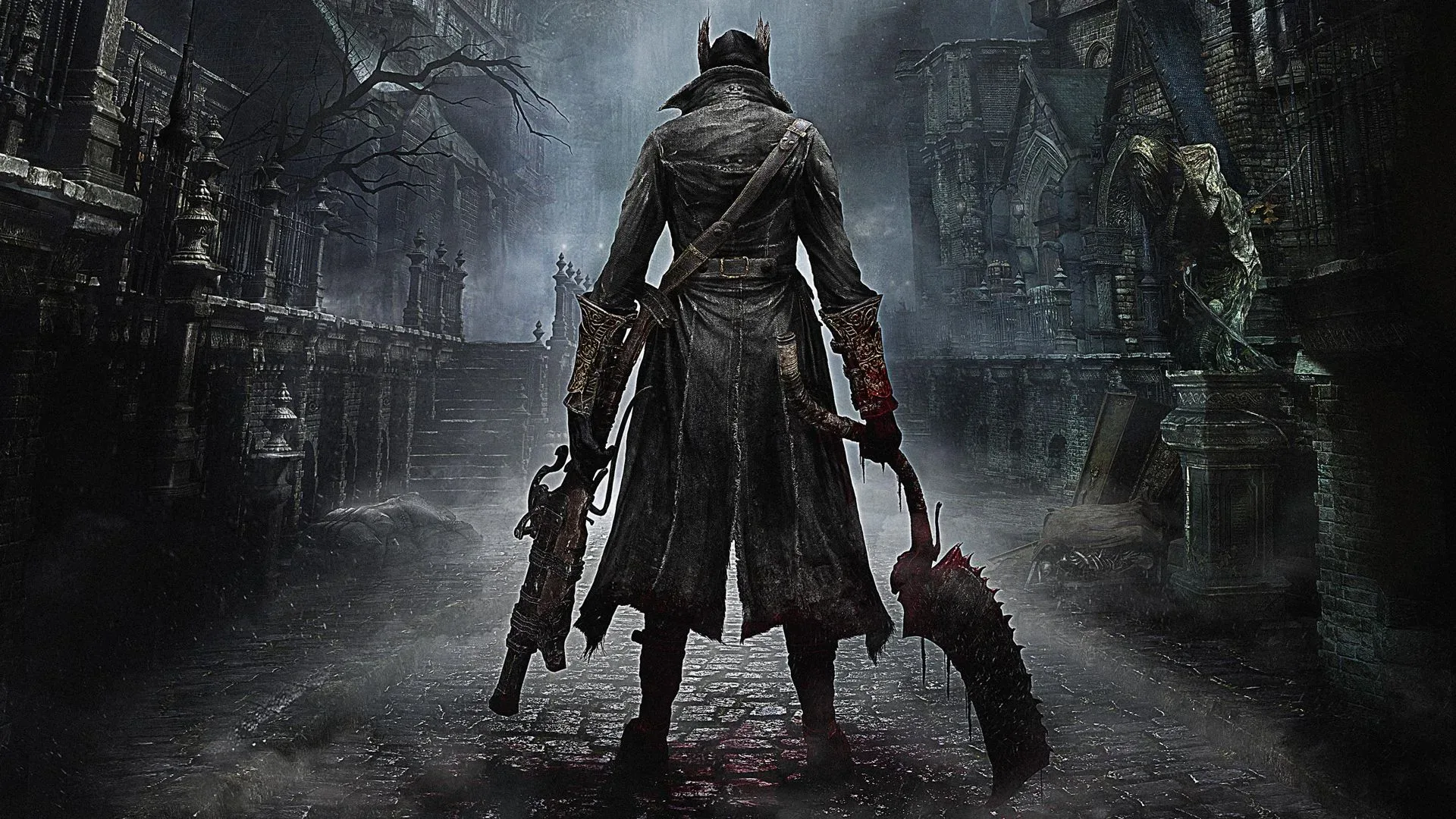
Game-to-screen horror adaptations frequently face the challenge of satisfying fans who know the world while keeping the immediate story legible for everyone else. Another dark game adaptation is already confronting its own expectations, as discussion around the Bloodborne movie has shown. In Resident Evil, Cregger’s account of the revised finale points to a character-first solution: make the reference part of the protagonist’s loss, rather than treating it as a detached spectacle.
The hopeful ending is not a softer ending
Calling the final version “more hopeful” should not obscure how grim its ingredients remain. Bryan is bitten. He reaches a corporation’s laboratory amid a zombie outbreak. The cure is pursued under pressure. He mutates anyway. Nothing in Cregger’s description indicates that the story abandons the horror of his fate.
What changes is the audience’s position. The original cut of events reportedly moved from failed treatment directly into violence, with the shattered needle resolving the cure question. The revised cut leaves the cure accessible longer and allows viewers to remain emotionally aligned with the attempt to save Bryan. It is not optimism in the sense of safety; it is optimism in the sense that failure is still being resisted.
That small distinction can make an enormous difference in a horror climax. If a viewer believes every outcome is settled, fear can turn into simple anticipation of carnage. If there is a fragile alternative—one needle, one last chance, one trace of humanity—the scene can hold dread and hope at the same time.
Cregger’s “plan B” therefore did more than provide a spare shot for the editing room. It supplied the ending with its final question. Bryan’s transformation remains the nightmare, but the cure gives that nightmare a personal cost that continues right up to the last possible moment.