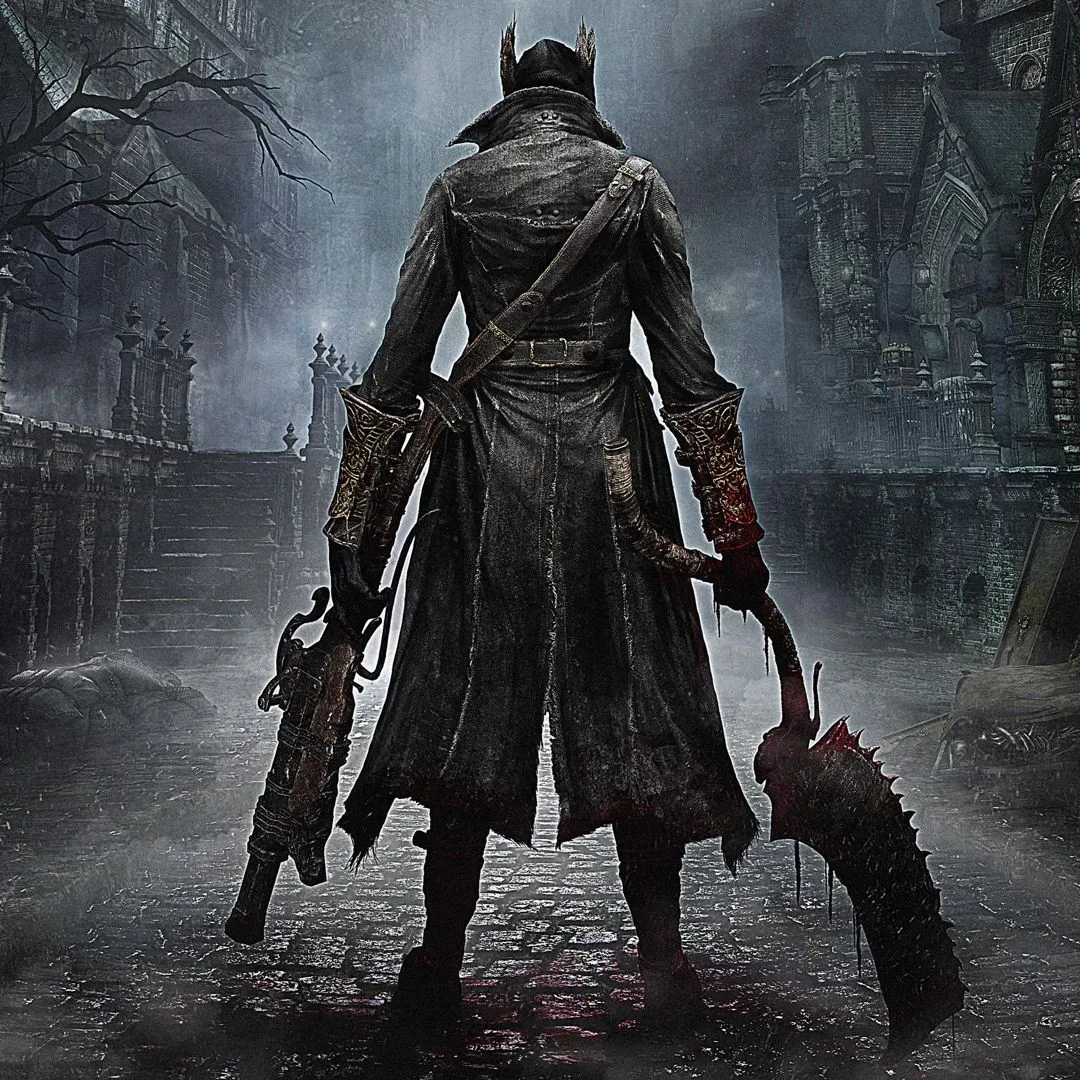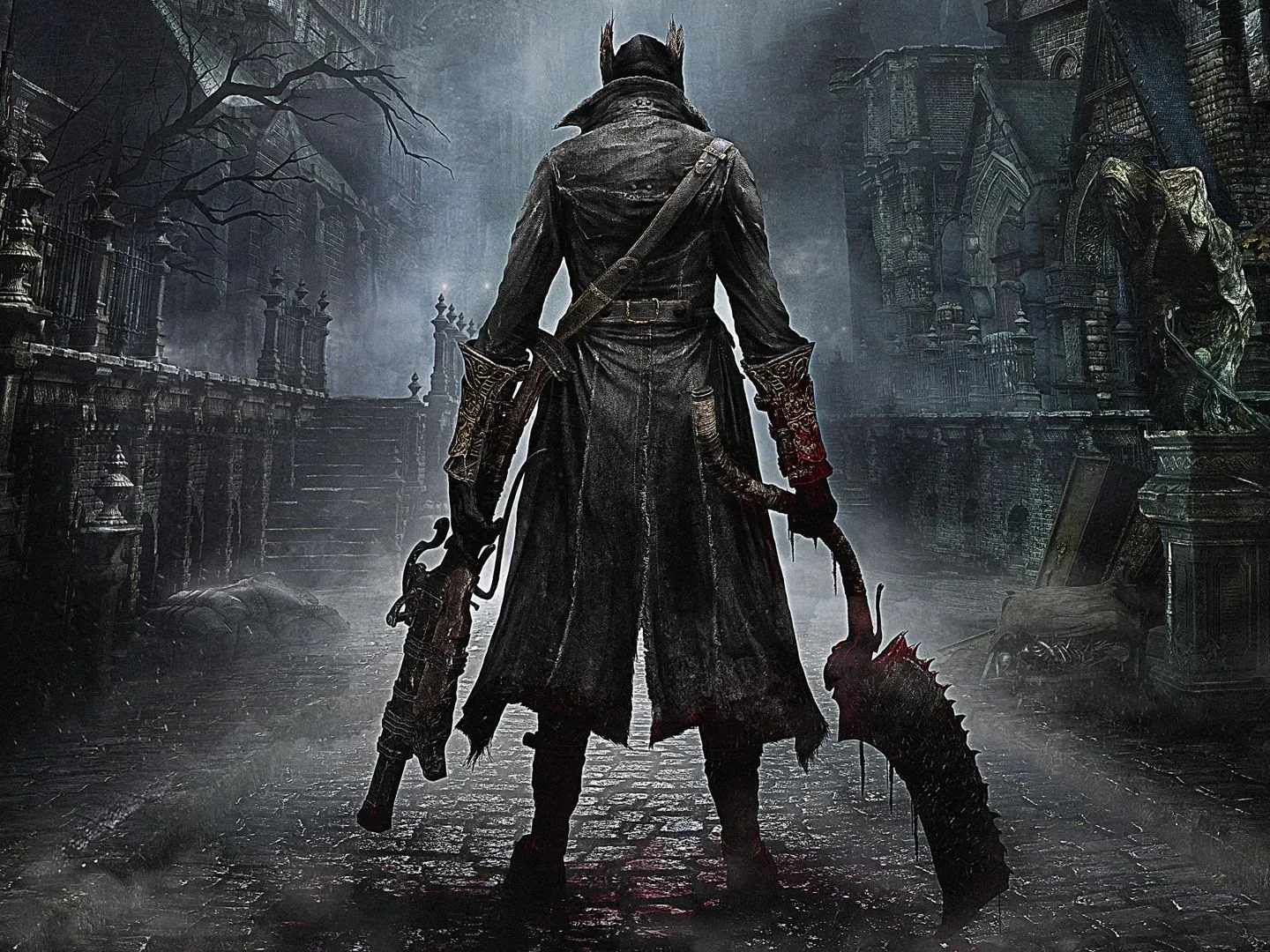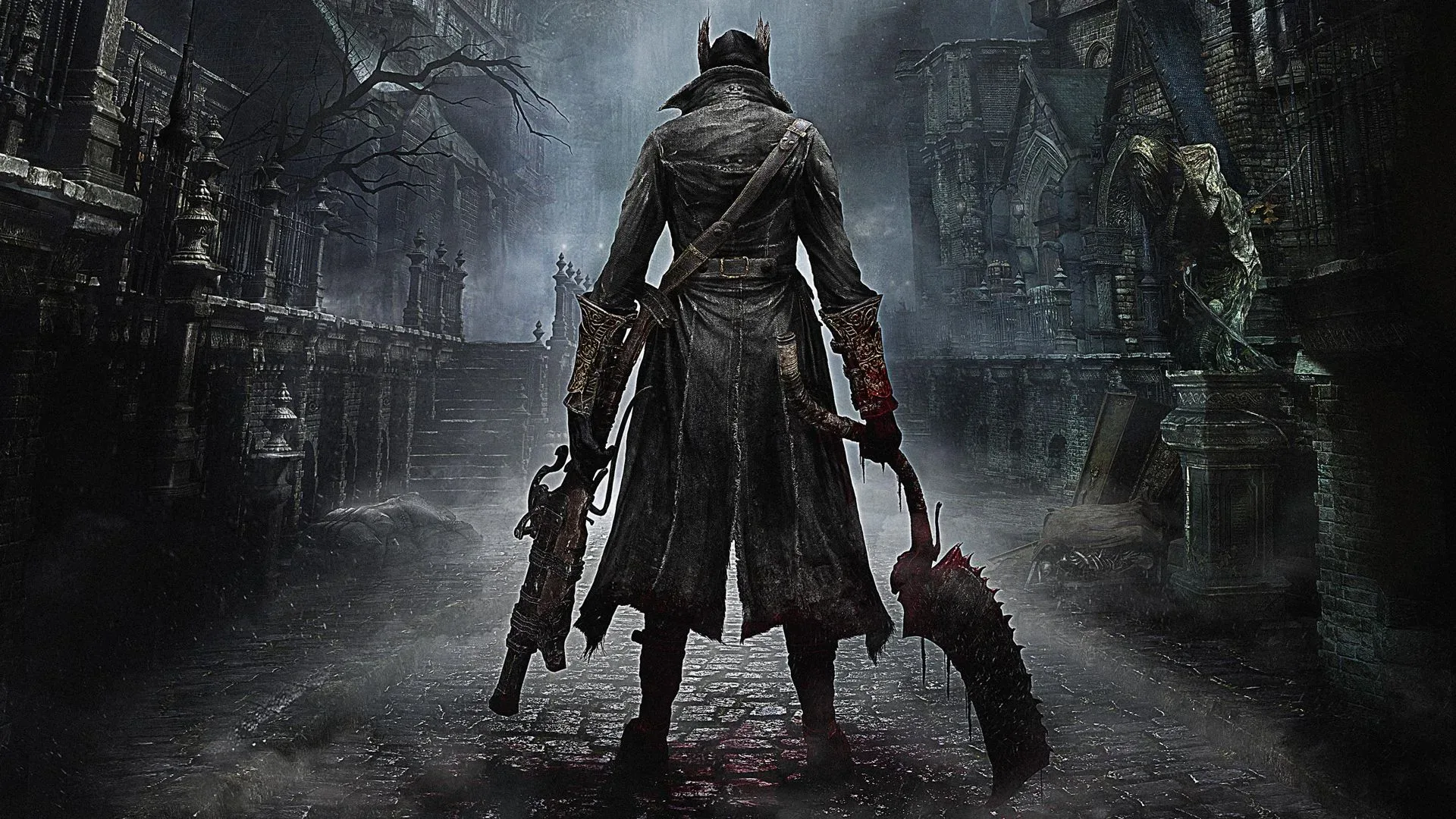
Seán McLoughlin, the creator better known as Jacksepticeye, has addressed the skepticism surrounding his involvement as a producer on the animated Bloodborne movie. The project is still at a very early stage, with no director, writer, animation studio, cast, or release date publicly attached. That lack of concrete creative detail has left McLoughlin’s role as one of the main points fans can react to—and he says the response has been largely critical.
In a recent interview, McLoughlin estimated that roughly 80% of reactions to his attachment had been critical. He did not frame that response as unfair. Instead, he said he could understand why players protective of a favorite property would be unsettled by seeing a major online creator linked so prominently with its screen adaptation.
That admission matters because it does not try to reframe skepticism as a misunderstanding that fans simply need to get over. Bloodborne has a particularly devoted audience, and an adaptation of a game with such a strong identity will inevitably be judged on more than whether it borrows recognizable names, imagery, or monsters. Fans will want to know whether the film understands the tone and the logic of the world it is entering.
McLoughlin says the movie is not meant to replace the game
McLoughlin’s clearest statement of intent is that the film should not attempt to compete with, surpass, or simply retell the game. He says the goal is to honor the existing universe and build the strongest story possible within it.
That distinction is useful, particularly for a game adaptation. A direct retelling can invite immediate scene-by-scene comparison with the original, putting a movie in the difficult position of recreating an experience designed around player discovery and participation. A story set within an established universe, by contrast, can potentially create room for a film to be its own work while remaining accountable to the qualities people value in the game.
At this point, though, that is a creative intention rather than a description of a known plot. No story premise for the animated feature has been revealed. There is also no public information on its central characters, its setting, its visual approach, or which parts of the game’s broader fiction it may explore. Fans should be careful not to treat McLoughlin’s comments as confirmation of any particular narrative direction.
What “honoring the universe” can mean—and what it does not confirm
In adaptation talk, “universe” generally means the setting, mood, themes, visual language, rules, and history surrounding an existing work, rather than one exact plotline. It can be a meaningful promise, but it is not a production blueprint. The phrase does not establish whether the film will feature familiar characters, adapt particular events, or take place alongside the game’s story.
For now, the practical takeaway is modest: McLoughlin is presenting the film as an additional story in the Bloodborne setting, not as a rival version of the game. Whether that approach works will depend heavily on creative choices that have not yet been announced.
Related coverage includes Jacksepticeye Addresses Bloodborne Movie Doubts, Says He Wants to Honor Its World.
A claimed hiring and vetting role puts the focus on the team to come
McLoughlin has also described his involvement in unusually hands-on terms. He says he participates in calls where he evaluates ideas, objects to directions he believes do not fit, and helps decide which people are hired to make the movie. He summarized the job as a kind of “vibe-checker”: someone charged with identifying when an idea or collaborator does not feel right for Bloodborne.
That role places a great deal of importance on the still-unannounced creative team. A producer can have very different responsibilities from one project to another. The term may involve helping to shape creative decisions, coordinating development, assembling talent, managing practical production work, or a combination of those duties. McLoughlin’s own description emphasizes creative gatekeeping and hiring rather than a purely promotional attachment.
His stated standard for that process is straightforward: people brought onto the film should understand what Bloodborne is. Yet that is only the beginning of the question for fans. Familiarity with a game and the ability to turn that understanding into a successful animated feature are separate challenges. The eventual writer, director, and animation studio will give far more tangible indications of how the production intends to bridge those disciplines.
Until those names are known, McLoughlin’s assurances are best understood as a framework for what he says he is trying to protect. They are not evidence of a finished creative plan, and they do not answer the many questions that normally accompany an adaptation announcement.
Why the missing credits are the story’s biggest unknown
The project was announced at CinemaCon in April, but it remains undated and lacks confirmed leadership in several key areas. There is no named writer, director, animation house, or cast. Those absences are significant, not minor blanks on a checklist.
A writer determines the film’s dramatic structure and point of view. A director shapes how that material is interpreted on screen, from performances and pacing to the overall storytelling approach. For an animated feature, the animation studio is also central to the eventual result: it will have a major role in translating a world’s atmosphere, motion, design, and visual texture into a sustained feature-length work.
None of that means the production is necessarily in trouble; it means it is early. Development is the stage in which a project is being assembled and refined before the public has a clear sense of its final form. An undated project without announced creative leads should be treated as a work in progress, not as a near-term release with settled details.
That context also explains why the reaction has centered on McLoughlin. When most of the conventional information around a movie has not arrived, the named producer becomes the most visible human connection to the adaptation. For supporters, his enthusiasm for the game can read as a safeguard. For skeptics, the same visibility can raise questions about experience and authority. McLoughlin has openly recognized that tension rather than denying it exists.
Bloodborne’s wider uncertainty remains part of the conversation
McLoughlin has said he feels intense pressure to get the film right, connecting that feeling to long-running player hopes for more from Bloodborne as a game. He specifically referenced calls for a 60fps remaster or a sequel, neither of which has been announced by FromSoftware.
60fps means 60 frames per second: the number of individual images displayed each second. In general terms, a higher frame rate can make onscreen motion appear smoother and can improve the feeling of responsiveness. A remaster is a refreshed version of an existing game, often involving technical or presentation improvements rather than a wholly new installment. Neither term guarantees a particular scope of changes, which is why discussion of a possible remaster remains speculation until an official project exists.
The continued absence of announced game news may help explain why a movie carries unusual emotional weight for some fans. An adaptation is not a substitute for a sequel or technical refresh, but it can become the only visible new development attached to a beloved property. That creates a difficult expectation for the filmmakers: the movie must be evaluated as a film while also arriving in a space where some players are still waiting for the game itself to return.
McLoughlin’s insistence that the animated feature is not trying to be the game is therefore a sensible boundary to state. It cannot resolve the demand for a remaster or sequel, but it recognizes that the two forms serve different purposes.
Two FromSoftware screen projects, but at very different points in production
Bloodborne is one of two FromSoftware game properties currently heading toward the big screen. The other is the Alex Garland-directed Elden Ring movie, which has completed filming and is now in post-production.
Post-production is the period after principal filming in which a movie is assembled and finished. Depending on the project, it can include editing, sound work, music, visual effects, color work, and other processes needed to prepare the final release. The Elden Ring project reaching that stage makes its production status considerably more advanced than the still-undeveloped Bloodborne animated feature.
The two movies should not be treated as direct templates for one another simply because both stem from FromSoftware games. Their formats and publicly known production situations differ. Still, their parallel existence shows how screen adaptations are becoming another major arena for games whose worlds have built passionate audiences.
Recent theatrical interest in game adaptations is part of that larger context. The new Resident Evil film’s opening box-office performance is one current sign of the attention these projects can attract. That attention can create opportunity, but it can also intensify scrutiny—especially for a property as carefully regarded as Bloodborne.
What is confirmed, and what fans should wait to learn
- Confirmed: An animated Bloodborne movie is in development.
- Confirmed: Seán McLoughlin is attached as a producer and says he is closely involved in evaluating ideas and hiring decisions.
- Confirmed: McLoughlin recognizes that much of the response to his involvement has been critical.
- Confirmed: He says the aim is to honor the setting rather than replicate or compete with the game.
- Not yet announced: A writer, director, animation studio, cast, release date, or story details.
There is a long distance between a producer describing a protective instinct and an animated film proving it on screen. But McLoughlin has at least directly addressed the central concern around his participation: why he is there, and what he believes he is responsible for. The next meaningful updates will need to move beyond intent and identify the creators, craft, and story carrying that promise forward.