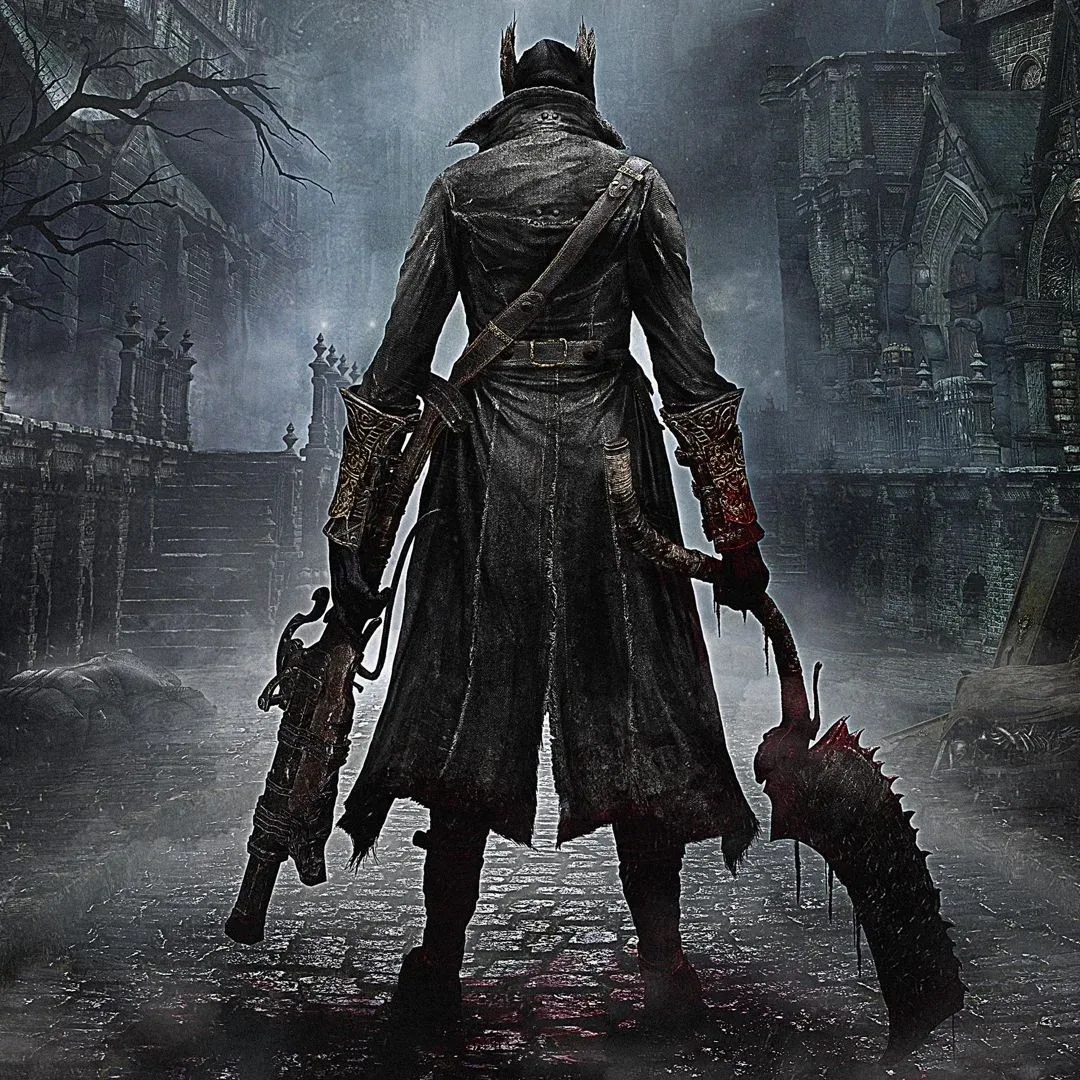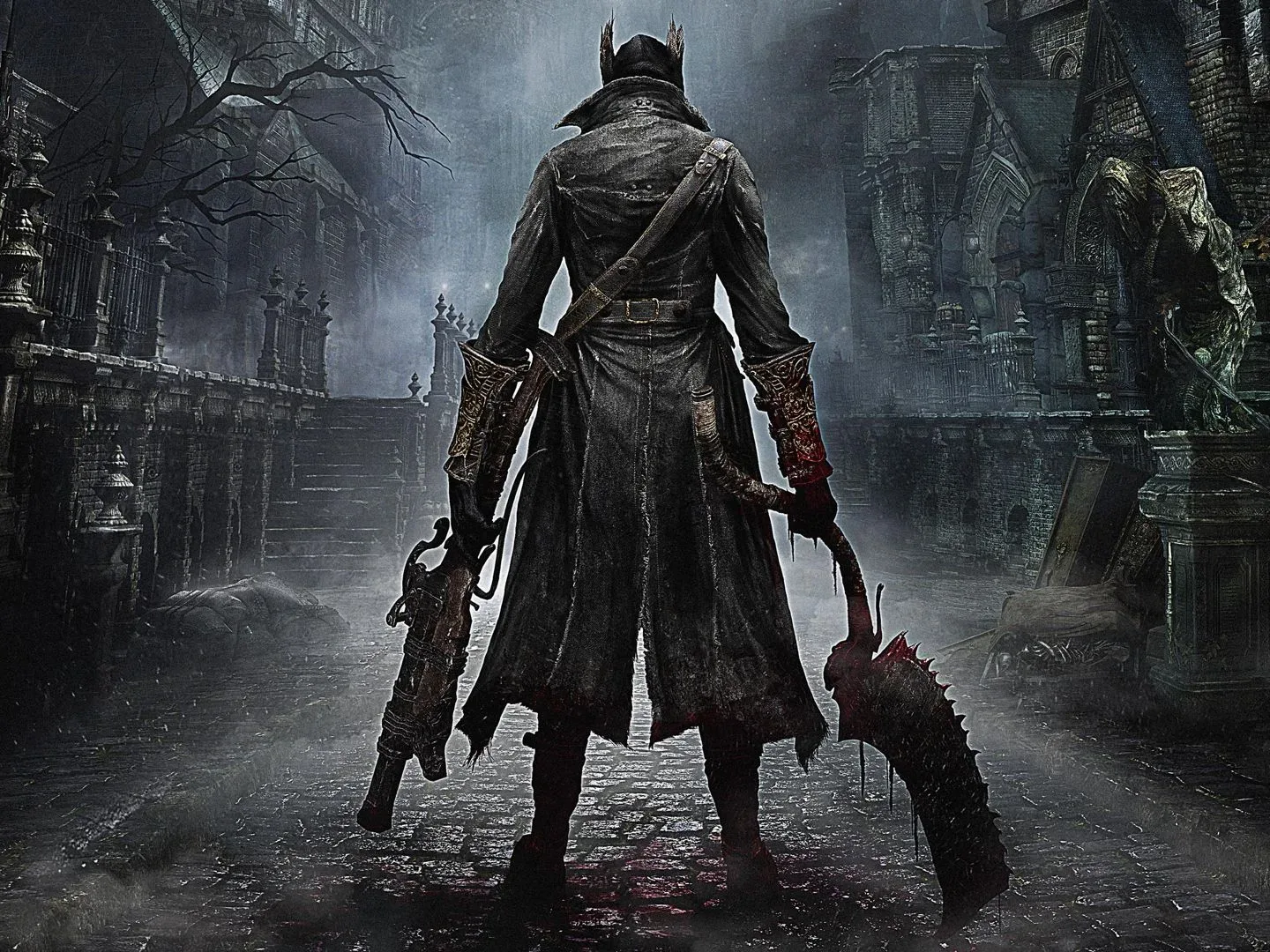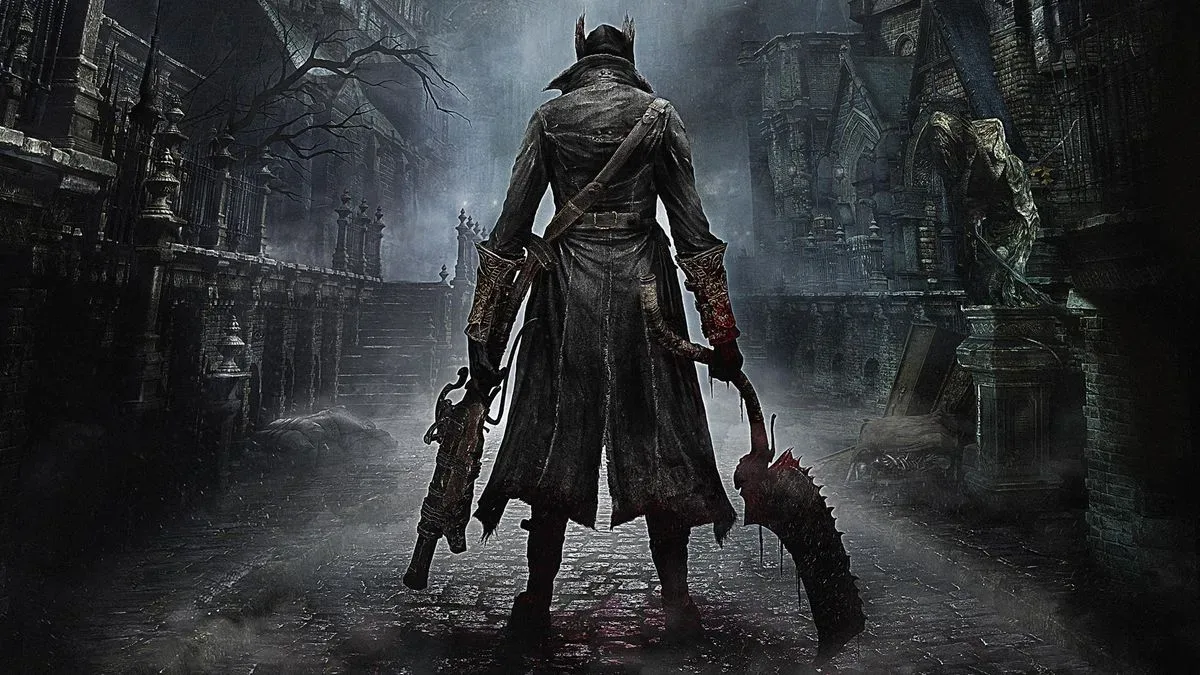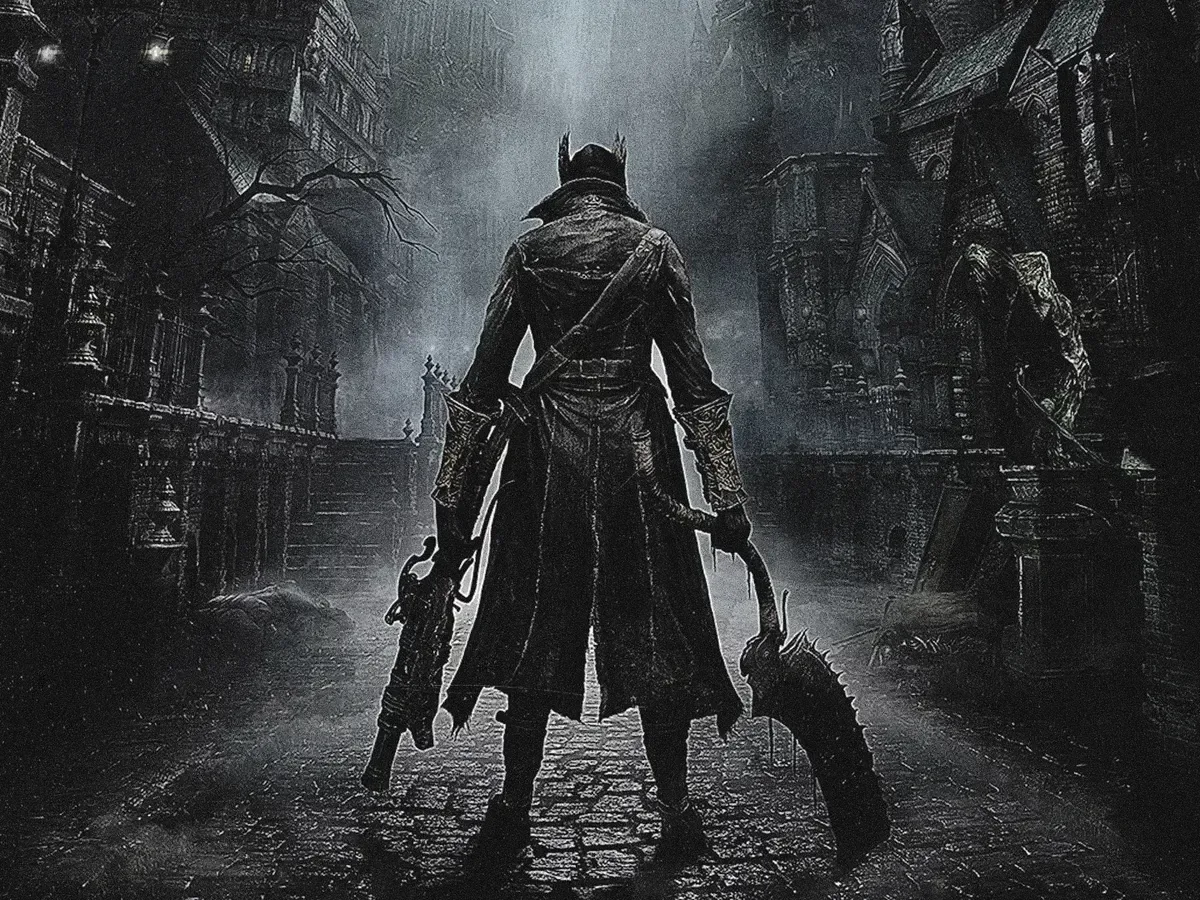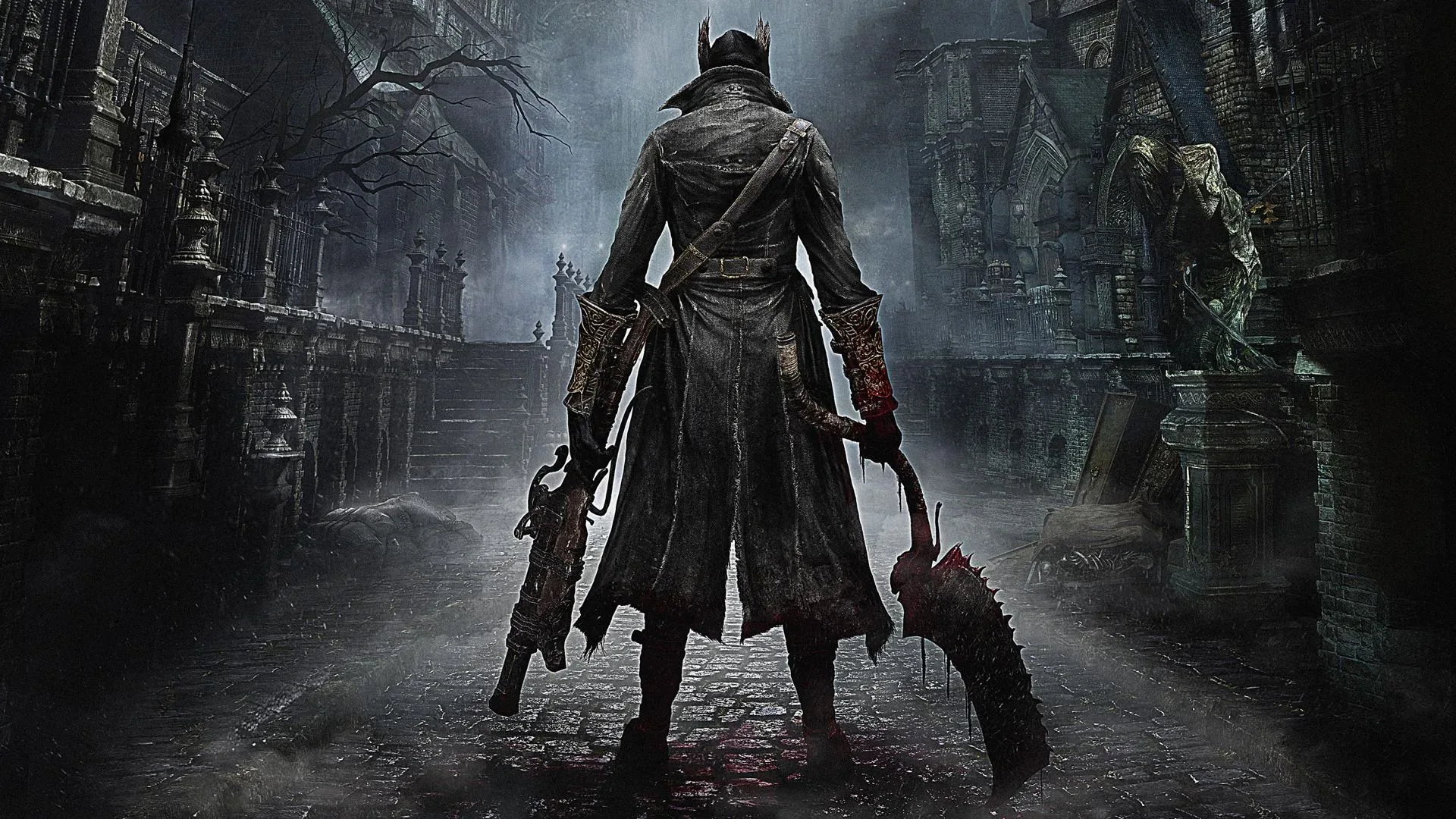
The animated Bloodborne movie has moved beyond its earliest public stage: producer Seán McLoughlin, known online as Jacksepticeye, says that a writer and director are now attached and that the project’s story direction has been mapped out in greater detail.
The names of those filmmakers have not been disclosed, and there is no release window, cast list, trailer, studio detail or plot synopsis in the information currently available. But the update matters because it turns a broad adaptation announcement into a project with key creative roles filled and a stated narrative plan beginning to take shape.
McLoughlin described the film as being much further through development than it was when it was initially announced in April. He said there are people in position to make it happen and expressed hope that the team can share who is involved, where the story is headed and small story teases at a later point.
What has been confirmed about the Bloodborne film
The central confirmed points are straightforward:
- The adaptation is animated.
- McLoughlin is a producer on the project.
- An as-yet-unnamed writer and director are attached.
- The creative team has mapped out where it intends to take the story.
- The story is understood to be an original tale set in Bloodborne’s gothic universe.
That final point is particularly important for setting expectations. An original tale is not automatically a direct retelling of the game’s events, nor does it confirm which characters, locations or plot threads will appear. It does, however, suggest a production designed to work within the setting rather than simply recreate a game campaign beat for beat.
For an adaptation of a game with a heavily interpreted mythology, that distinction can be useful. A direct game-to-screen recreation would face the difficult task of translating player discovery, combat repetition and ambiguous progression into a fixed linear structure. A new story could instead use the world’s atmosphere, horror and underlying mysteries while building around a protagonist and dramatic arc suited to a film format. That is analysis rather than a revealed plot plan; no specific narrative details have been announced.
Why writer and director attachments are a meaningful step
In screen production, the director and writer are foundational creative assignments. The writer is responsible for shaping the screenplay: the story’s structure, scenes, character motivations and dialogue. The director is the principal creative figure guiding how that screenplay becomes a finished film, including the storytelling approach and, for animation, the visual interpretation delivered with the broader production team.
Attaching people to both roles does not mean the film is finished, in animation or otherwise. It also does not establish a release date. Films can continue through extensive writing, design, production and post-production work after these roles are in place. What it does indicate is that Bloodborne’s film project is no longer being discussed only as an idea with a recognizable name attached to it.
Related coverage includes Bloodborne Animated Movie Has Writer and Director as Story Plans Take Shape.
There is still a great deal fans cannot responsibly infer. The update does not reveal whether the writer and director have completed their work, whether voice performers have been cast, what animation style the film will use, or when audiences might see footage. “Mapped out” describes story planning, not a final script or completed animation. Keeping those stages separate is helpful when adaptation news arrives in small, early-development increments.
An original story brings flexibility—and questions
Bloodborne’s appeal is closely tied to its dark gothic setting and the process of putting fragmented pieces of its world together. Games can let players explore at their own pace and form theories from what they encounter. A film has to make deliberate choices about what to show, what to hold back and what a viewer needs to understand in one sitting.
An original story could give the filmmakers more room to make those decisions without being locked to the game’s exact sequence of events. It may also give longtime players a reason to watch without already knowing every turn of the story. At the same time, original material raises the bar for tone and internal consistency. Fans are likely to look for a work that feels at home in Bloodborne’s universe rather than merely borrowing the name and surface imagery.
That is where the still-unidentified writer and director become the most consequential missing details. Their eventual reveal will give audiences more concrete information about the creative perspective behind the adaptation. Until then, claims about the movie’s style, story, characters or fidelity would be speculation.
McLoughlin knows the skepticism is there
McLoughlin has been candid that the reaction to a Bloodborne movie has not been universally positive. In September, he said that “80%” of the responses he had seen were critical. That figure should be read as his description of the feedback he encountered, not as a formal poll of the entire Bloodborne audience.
His response to that concern has emphasized personal investment in the property. He has called Bloodborne his top-tier FromSoftware game and said he would not have allowed the adaptation to head in a direction he did not consider worthy of the intellectual property. He also has Bloodborne tattoos, an outward sign of the personal enthusiasm he has discussed.
That passion does not, by itself, answer the practical questions fans have about the final movie. It does explain why the concerns are being addressed directly. Bloodborne is a property that inspires strong attachment, and the prospect of a screen adaptation naturally invites anxiety over whether its tone can survive the transition. The producer’s stated commitment may reassure some viewers, while others will understandably wait for filmmaker names and actual material before forming an opinion.
Why this news lands differently for Bloodborne fans
The movie’s forward movement arrives against a quiet backdrop for the game itself. The available update notes no Bloodborne sequel, no 60 FPS patch and no apparent recognition during multiple PlayStation State of Play presentations. That lack of game-related movement makes the animated film unusually prominent as a potential new chapter connected to the property.
A 60 FPS patch refers to an update that would allow a game to run at 60 frames per second, a measure of how many individual images are displayed each second. A higher frame rate is generally associated with smoother motion and more responsive visual feedback. No such patch has been announced here; it remains one of the requests mentioned in connection with the game’s ongoing absence from current official updates.
Likewise, the existence of a film should not be confused with confirmation of a new game, remake, sequel or technical update. The two are separate types of projects. The animated adaptation may offer a new way to visit Bloodborne’s universe, but nothing in this update changes the stated lack of news on those game-side requests.
It is also worth separating understandable enthusiasm from evidence. The project now has identifiable development progress, but there is still no public proof of how the final film will look or play as a story. The next useful update would be concrete: the names of the writer and director, official plot information, a cast announcement, production imagery or footage. Until one of those arrives, the responsible reading is that the film is advancing, not that it is near release.
What to watch for next
McLoughlin’s comments point toward future announcements involving the creative team and story. Those are the areas most likely to clarify what kind of Bloodborne adaptation this will become. A director announcement could offer clues about visual and narrative sensibilities; a writer reveal could similarly establish a clearer creative frame. Neither should be pre-judged before official information is available.
For now, the most substantial takeaway is modest but real: the animated Bloodborne movie has a writer, a director and an outlined story direction, even though the people and the details remain under wraps. For a project initially announced only months earlier, that is a tangible sign of movement—while leaving the biggest questions for the next announcement.
Screen projects often reveal their development in stages, as seen in other casting-focused adaptation updates such as the ongoing DCU Batman casting discussion. Bloodborne’s next stage, however, needs to answer its own questions: who is writing it, who is directing it, and what kind of original nightmare they intend to bring to the screen.