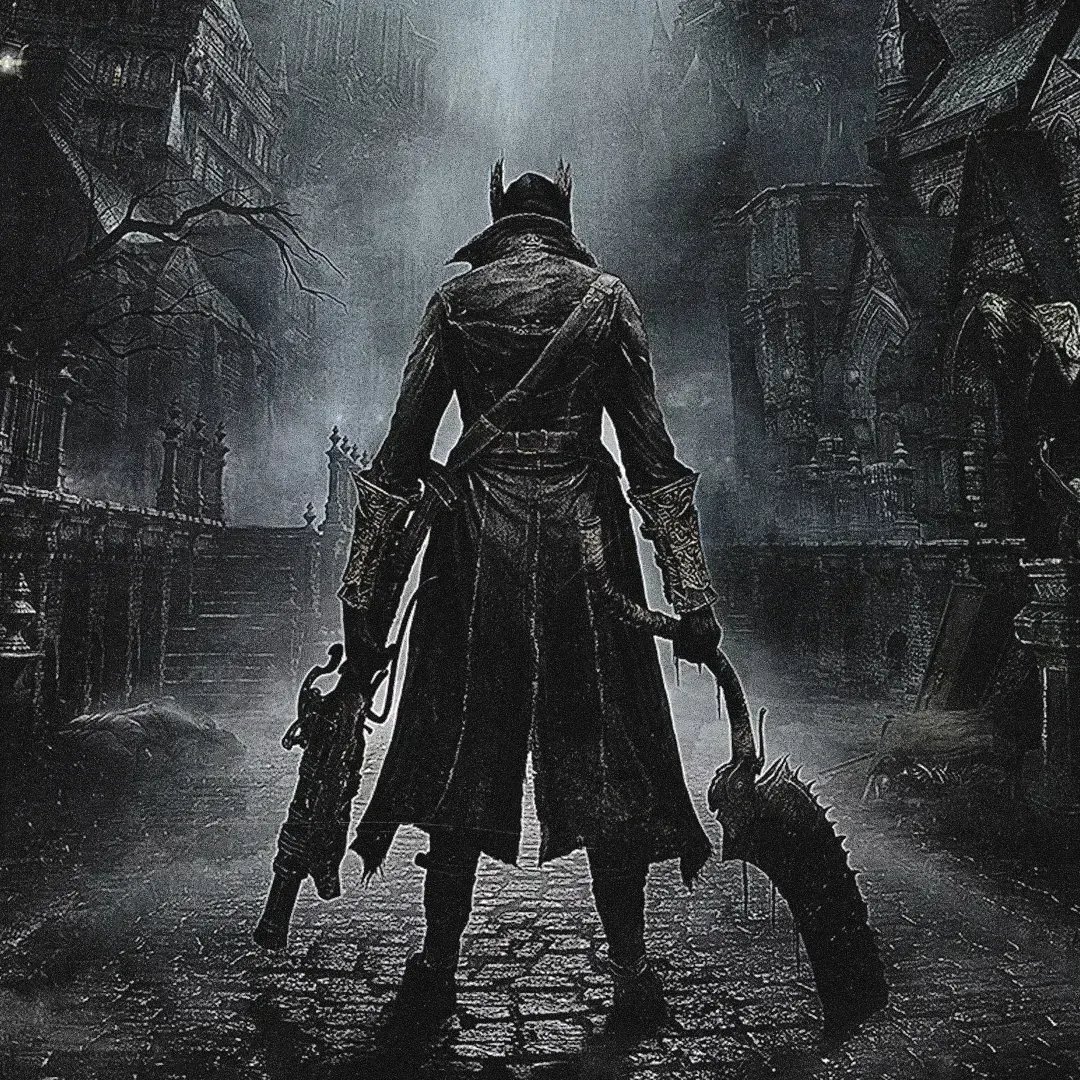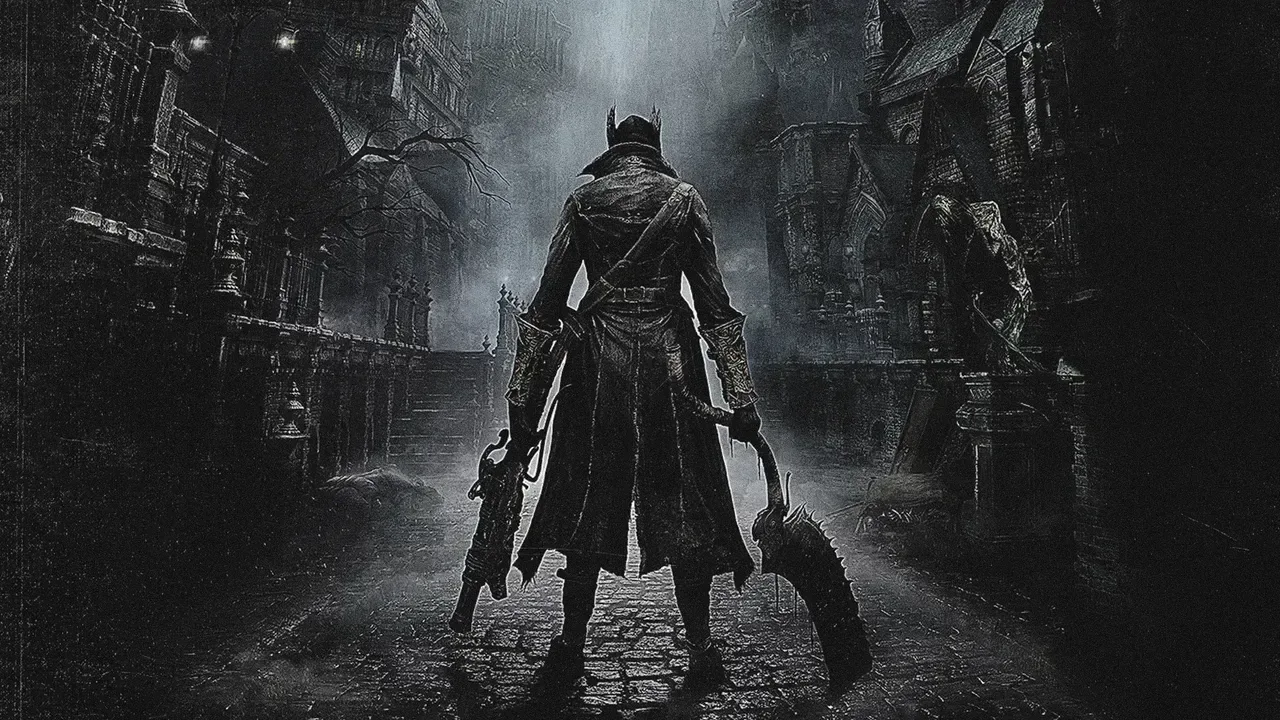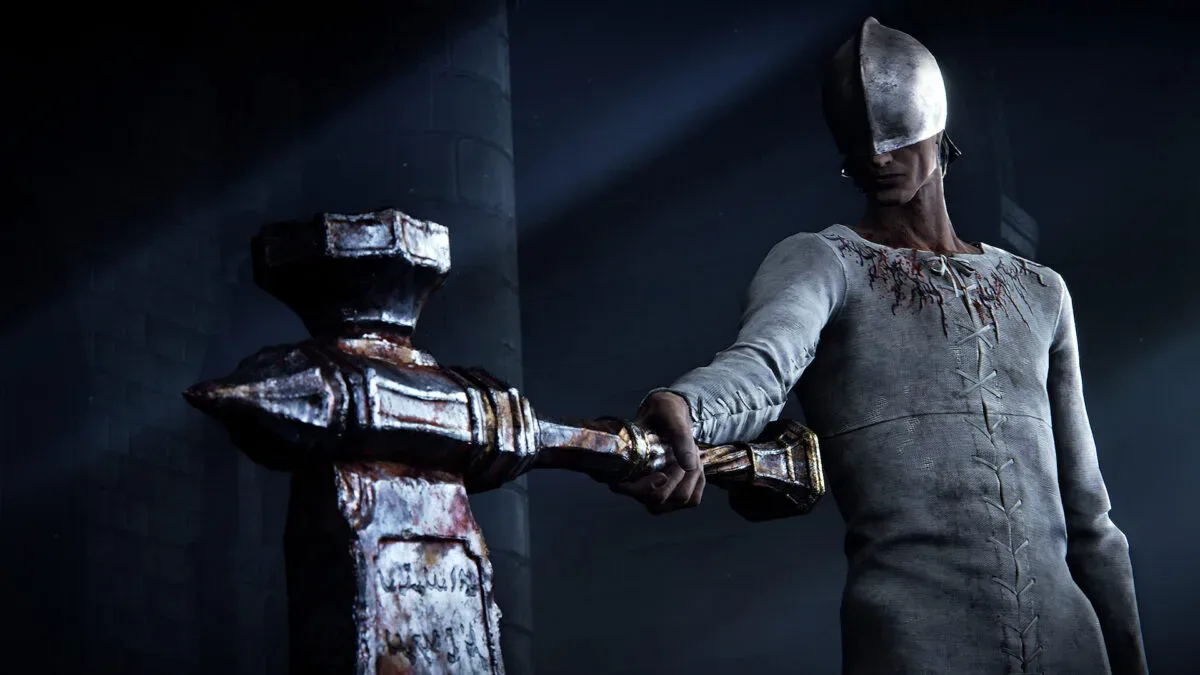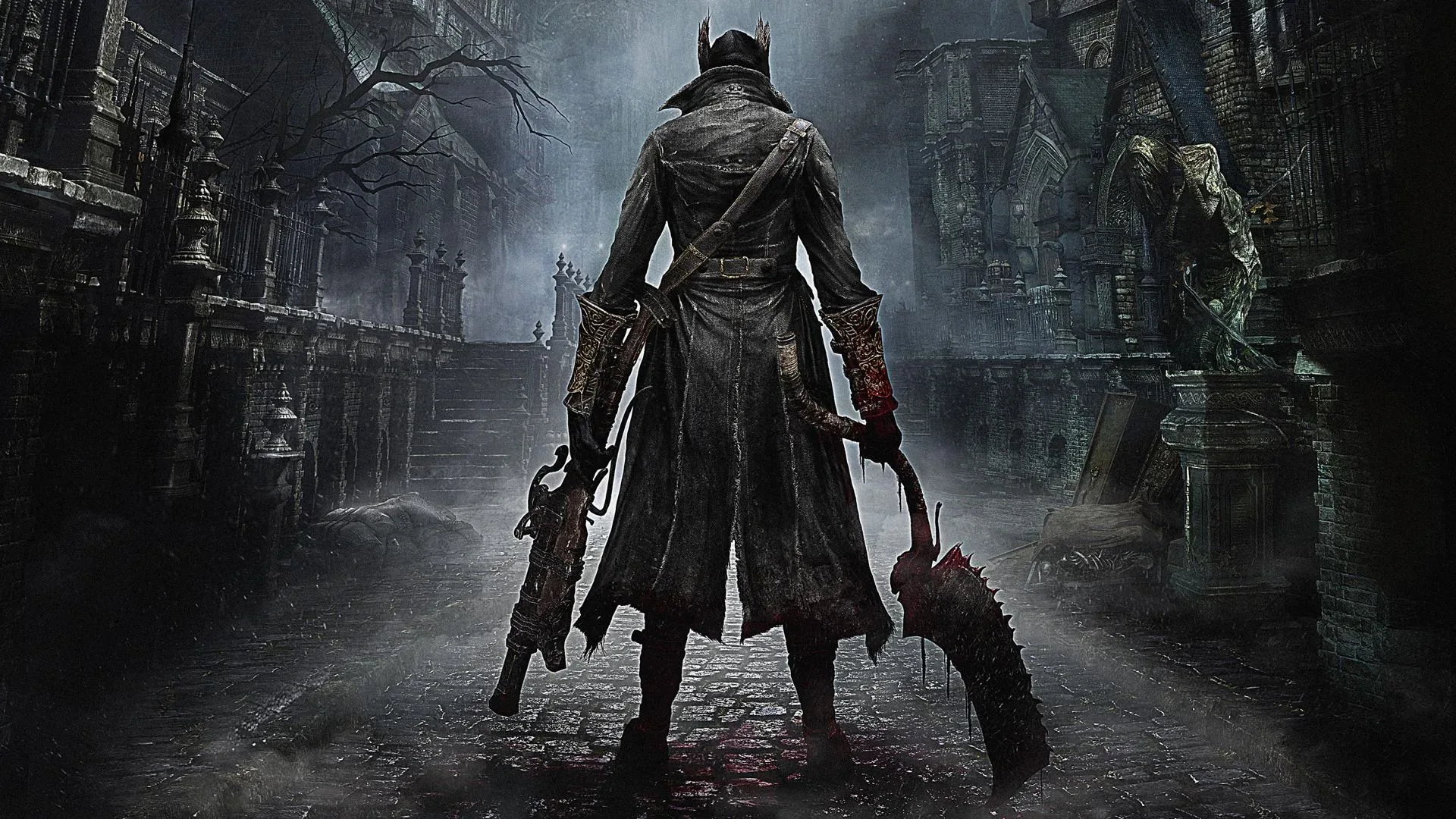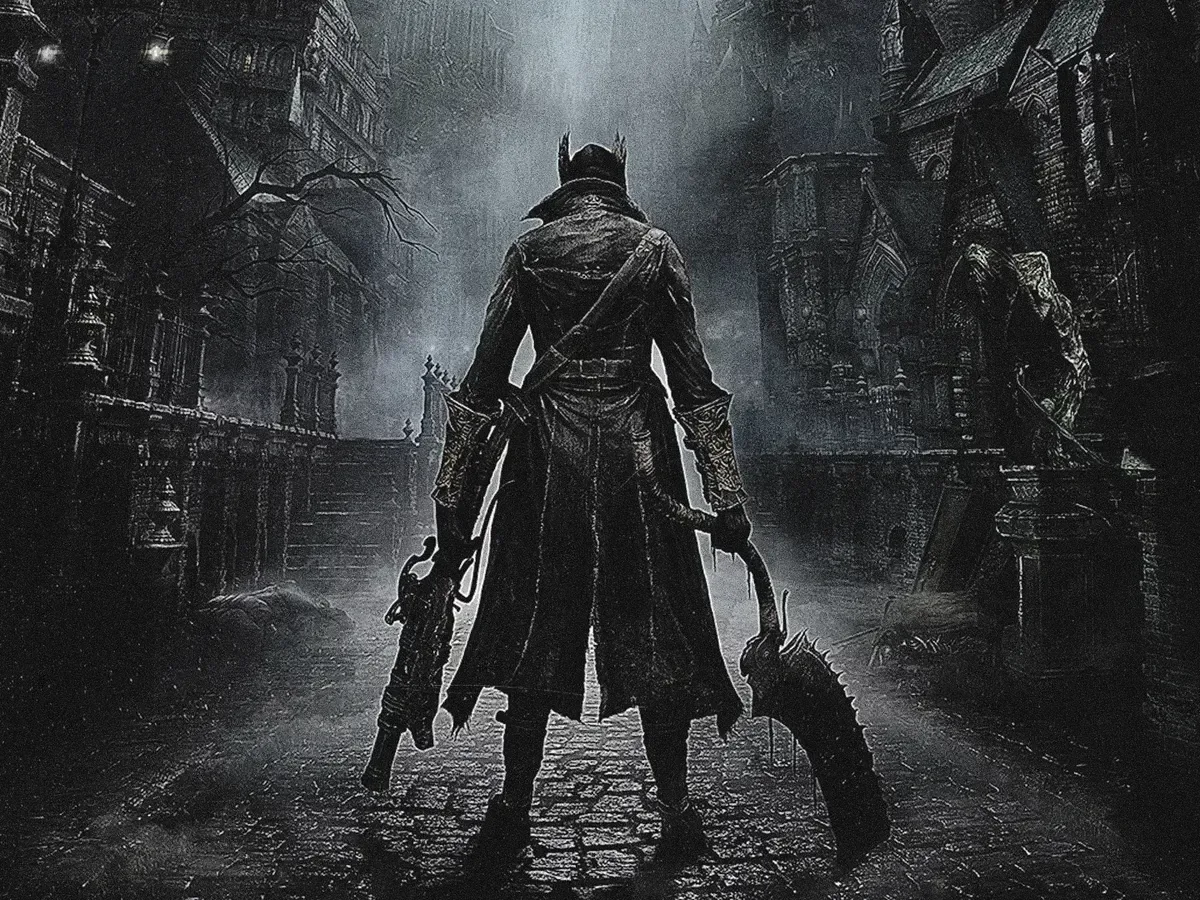
The animated Bloodborne film has taken a meaningful step beyond its initial announcement stage. Producer Seán “Jacksepticeye” McLoughlin says the project now has both a writer and a director attached, while the creative team has mapped out substantially more of the story’s direction.
That is encouraging news for a project that previously had no publicly identified filmmaker or screenwriter. It is not, however, a release-date announcement, a casting reveal, or a sign that audiences should expect a trailer imminently. The identities of the writer and director remain confidential, and McLoughlin did not disclose a distributor, production timetable, voice cast, or specific plot.
Still, attaching a writer and director is an important practical milestone. A writer shapes the screenplay: the scene-by-scene blueprint that determines what viewers see, hear and learn. A director then establishes how that material will work as a film, including performance, pacing, visual storytelling and the overall creative language. For animation in particular, those choices are central early on, because the film’s look and storytelling approach need to be planned before much of the actual animation can be produced.
What the update actually confirms
McLoughlin described the project as much further along than it was at its first public reveal. He indicated that the team has people in place and a clearer route for the narrative, while stressing that more announcements are intended for a later time.
The takeaway is specific: the film has moved into a more defined development phase. Development is the period in which a production’s creative foundations are built—its story, key filmmakers and plans for how to make the project. It should not be confused with completed animation or a locked release schedule. The update supports optimism that work is progressing; it does not establish how far the film is from production or completion.
McLoughlin also acknowledged the pressure that comes with adapting a major game property. His role, as he characterized it, includes advocating for exactness and protecting the qualities that make the property resonate with its audience. He also made the reasonable point that no adaptation can perfectly consolidate every fan’s expectations into one version.
That tension is especially relevant to a game like Bloodborne. Players do not simply receive a story in a fixed order; they explore, fight, interpret environmental details and connect fragments at their own pace. A feature film cannot reproduce that interactive relationship literally. Its job is instead to make deliberate choices about viewpoint, rhythm and what information to place on screen.
Why animation is central to the plan
The project is being developed as an animated film, and McLoughlin sees that medium as a creative advantage rather than a compromise. He contrasted it with the live-action Elden Ring film associated with Alex Garland, arguing that animation can better accommodate the scale and strangeness of Bloodborne’s world.
Related coverage includes Bloodborne Animated Film Has Writer and Director as Production Advances.
His broader point is about medium fit. Live action can require physical sets, performers, locations, costume work, visual effects and extensive post-production to portray an unreal world convincingly. Animation still requires major investment and skilled labor, but it begins with the ability to design every image. That makes it more naturally suited to settings and creatures that may look constrained or overly dependent on green-screen compositing in live action.
McLoughlin used an extremely high hypothetical figure—$600 million—to illustrate the cost pressures that could surround attempting the full scale of Elden Ring in live action. It was a rhetorical estimate, not a reported budget for any production. The useful point is not the number itself; it is that an adaptation has to choose what it can meaningfully represent rather than assume every corner of an enormous game can fit into one film.
For Bloodborne, animation could allow the filmmakers to embrace the setting’s otherworldly qualities with a coherent visual style. “Visual style” means the film’s intentional artistic rules: how characters move, what shapes and colors dominate, how violence is framed, how environments create unease, and where realism gives way to exaggeration. Those decisions can do major storytelling work before dialogue explains anything.
There is no confirmed description of the animation technique, studio or rating, so it would be premature to infer whether the film will pursue a painterly, highly stylized, realistic, hand-drawn or computer-animated approach. The only firm detail is that animation is the chosen format and that the producers believe it gives the property more room to achieve its stranger imagery.
Not a scene-for-scene replay of the game
McLoughlin’s clearest creative principle is that an adaptation needs a reason to exist beyond retelling a game’s events. He does not want to transfer the same story and the same characters into a new format merely because the name is recognizable. Instead, he favors stories that use an established universe as a setting for a different lens.
This is a consequential distinction. A direct adaptation tries to reconstruct a pre-existing plot, often asking viewers to compare individual scenes, characters and outcomes with their memory of the original. An expansion, by contrast, can tell another story within the same rules, atmosphere and themes. Neither method is automatically better, but each serves a different purpose.
McLoughlin cited Fallout and a recent Resident Evil film as examples of adaptations that, in his view, locate new stories inside recognizable worlds. His stated preference suggests that the Bloodborne movie may seek to expand the setting rather than simply reproduce the game’s storyline. That should be read as an approach, not a confirmed synopsis. No protagonist, time period, familiar game character or narrative premise has been announced.
For fans, this could be the most important part of the update. A film that treats the game as an atmosphere, mythology and dramatic space may have more freedom to function as a movie. It can build a central character arc designed for a passive audience, decide when mysteries should be answered or withheld, and shape an ending that lands in a single sitting. It also avoids forcing interactive mechanics into a format where the audience cannot make choices.
“Passive versus interactive,” as McLoughlin framed it, is not a criticism of either medium. It describes their basic difference. In a game, the player’s actions, attention and persistence are part of the experience. In a film, the creators control duration, framing and sequence. A successful adaptation has to understand what cinema can do with that control rather than imitate gameplay beat by beat.
The Elden Ring comparison has limits
Because both properties are associated with FromSoftware, comparisons to the live-action Elden Ring project are inevitable. McLoughlin said there may be lessons to observe when that film arrives, but he also emphasized that the two worlds are substantially different. He does not want the animated Bloodborne project to simply follow the same creative route.
That restraint makes sense. Lessons can be practical—how audiences react to scope, tone or the decision to focus on one part of a huge game world—without becoming a template for another property. The source material’s differences, along with animation versus live action, mean that matching another adaptation’s structure would risk blurring what makes each project distinct.
There is also an important timing caveat. McLoughlin said the Elden Ring film is expected to arrive before the Bloodborne movie, but the animated film itself has no announced release window. Until the team reveals more, any prediction about which events might host an announcement remains speculation.
Players looking for other dark-fantasy game news in the meantime can also catch up on The Duskbloods’ delay and balance adjustments.
What remains unknown
The update offers a stronger indication of momentum, but the list of unanswered questions is still long. Nothing in the announcement confirms the following:
- The names of the writer and director
- A production studio or animation studio
- Voice performers or other cast
- A release date, release window, distributor or viewing platform
- The film’s plot, setting within the universe, or relationship to the game’s characters
- The animation style, runtime or age rating
That lack of detail is not unusual at this point. Keeping key personnel and concepts private can give a creative team room to develop the work before public expectations harden around partial information. McLoughlin also appears conscious that early disclosure can diminish surprise and turn an unfinished plan into a set of perceived promises.
For now, the sensible expectation is modest but positive: an animated Bloodborne feature is moving forward with a writer, a director and a developing story plan. The next truly substantive update will be the identification of the filmmakers or a first indication of what story the film wants to tell. Until then, the project’s most revealing commitment is its desire to make a film that belongs to Bloodborne’s world without treating the game as a script that only needs to be copied.