PlayStation is marking three decades of the console brand with PlayStation: The First 30 Years, a 400-page hardback designed as a visual record of the company’s hardware history. The book is set to combine photographs of material from Sony’s archive with accounts from engineers and designers involved in establishing PlayStation during the 1990s.
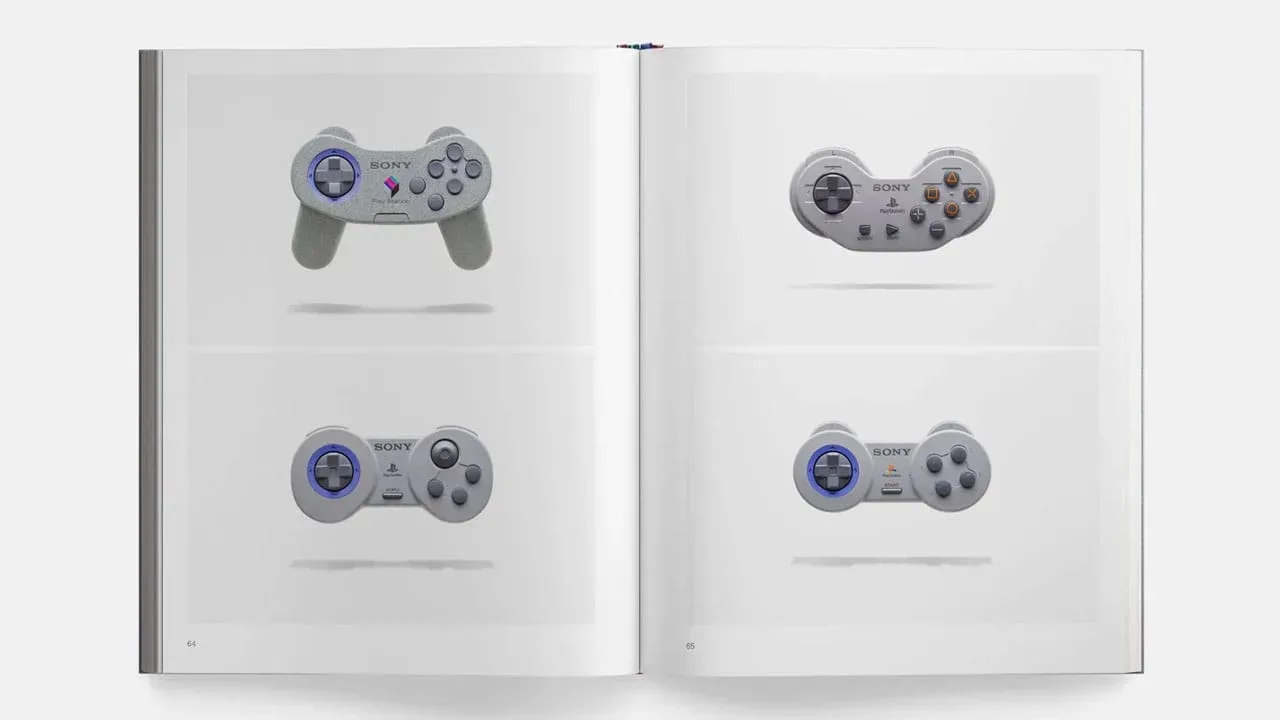
For players whose idea of PlayStation history begins with a favorite game box or a particular controller in their hands, the intriguing part is not simply that a commemorative book exists. It is the promised archive access: research-and-development prototypes, concept drawings, development models, experimental hardware mockups, and consoles and controllers that have not previously been publicly seen.
That makes this a different proposition from a conventional game retrospective. The focus, based on the material described so far, is on the process and physical objects behind a game platform—the versions that precede the familiar retail machine as well as the designs that may never have reached the public at all.
A visual history centered on hardware development
PlayStation: The First 30 Years is being positioned as a visual chronicle of the first 30 years of Sony’s videogame console. Its archive material reportedly includes R&D prototypes, concept sketches and development models.
Those terms matter because they refer to different stages in making hardware. R&D, short for research and development, is the exploratory work that happens while a company is investigating what a product could be. An R&D prototype may be used to test an idea, a component, a shape, or a method of interaction; it is not necessarily intended to resemble a finished consumer product.
A concept sketch is earlier still in many cases: a design document or illustration used to communicate possibilities. It can show directions that were considered without proving that every detail was technically practical or ever built. A development model is a physical form made during the product-development process. Such models can reveal changes in size, layout, finishes, branding, controls, or manufacturing decisions on the way to a retail design.
The distinction is useful for readers because “prototype” is often used as a catch-all label. A book that includes sketches, test hardware and development models can potentially show a broader chain of decisions rather than treating every unreleased-looking object as a near-finished console. The appeal is in seeing the alternatives, iterations and abandoned routes alongside the recognizable PlayStation identity.
It also places particular emphasis on the physical side of a brand often remembered through software. Consoles and controllers are practical tools, but they are also design objects. Their button layouts, silhouettes, materials and markings help make an era instantly legible. The book’s planned images of rare internal work could provide a route into that story without requiring the reader to own any of the hardware.
Related coverage includes PlayStation: The First 30 Years Book Revealed With Rare Prototype Archive.
Engineers and designers are part of the record
The book will include contributions from engineers and designers who helped establish PlayStation in the 1990s. That is a meaningful feature for a hardware-focused publication: the archive objects can be viewed alongside insight from people involved in shaping the platform.
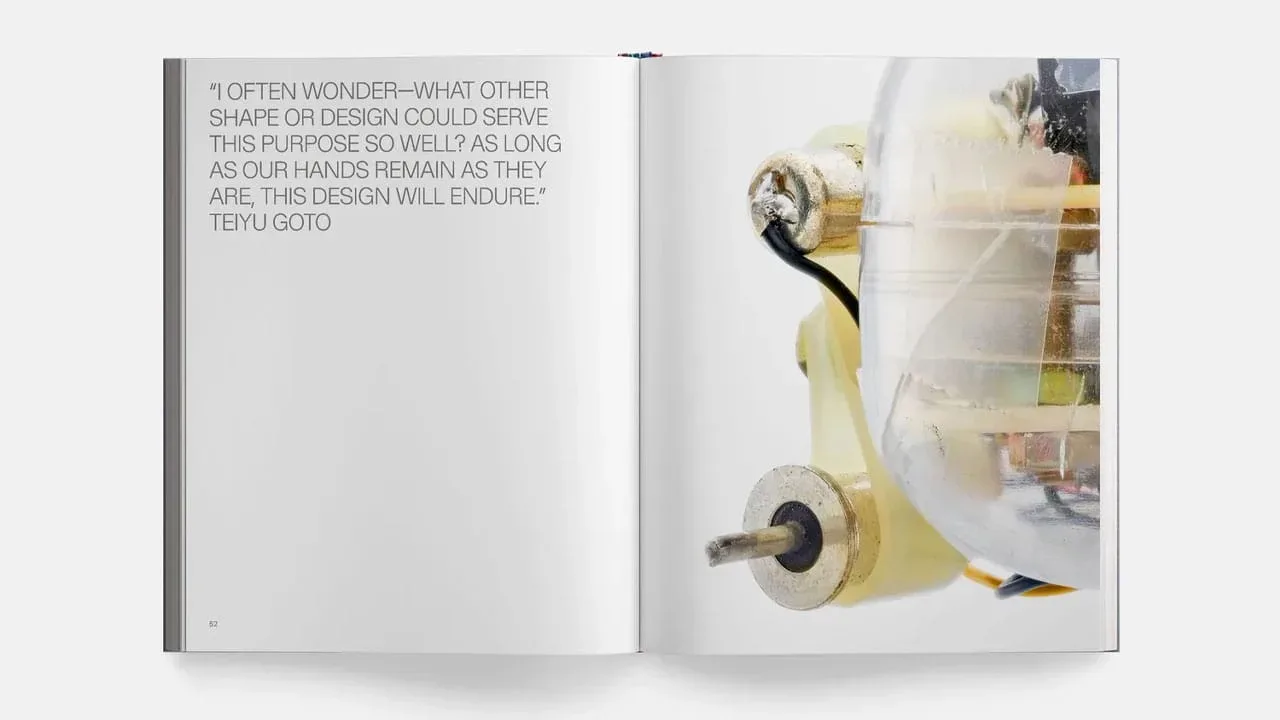
Photographer Benedict Redgrove has photographed the visuals for the book. Redgrove is also known for the 2019 publication NASA: Past and Present Dreams of the Future. In this case, photography is more than decoration. When the subject is a collection of prototypes, drawings and models, clear studio imagery can preserve details—form, finish, ports, buttons, seams and unusual construction—that are otherwise difficult to examine.
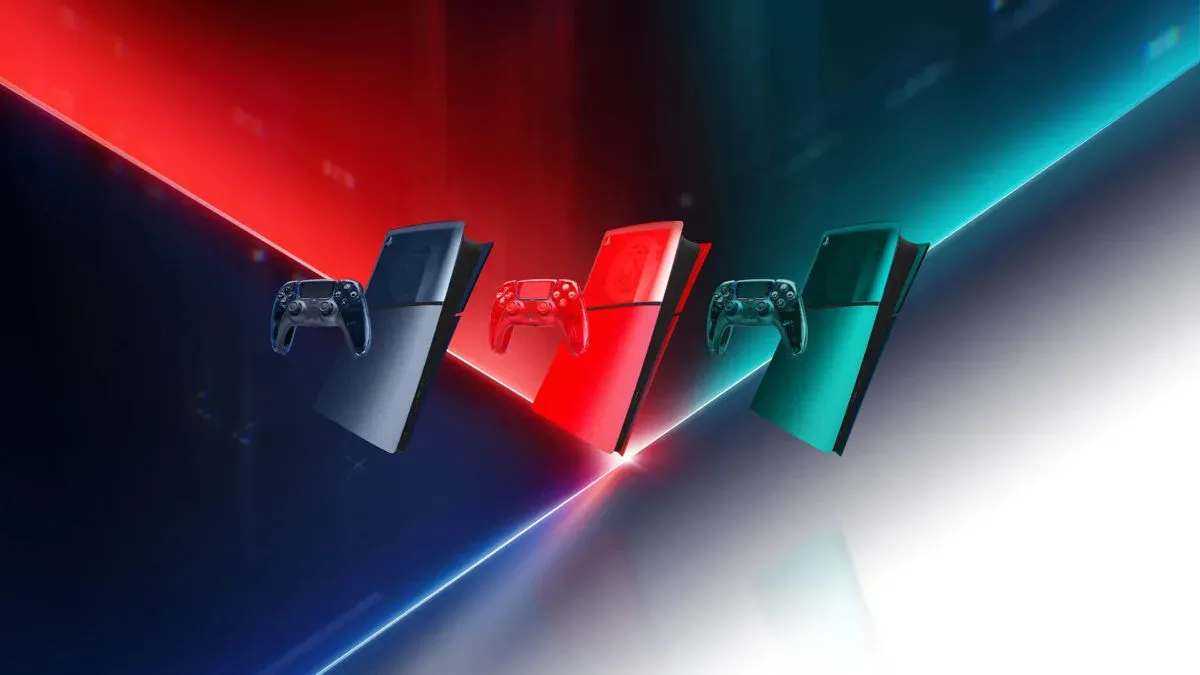
The result should particularly interest readers who enjoy the material culture of games: not only what ran on a console, but what the console looked like before it became the version sitting beneath a television. It is a perspective that complements today’s PlayStation hardware discussions, including the renewed fascination with transparent design in the PlayStation Prism Collection.
There is an important limit to keep in mind, however. The announced contents establish that the book will feature never-before-seen material and personnel perspectives, but the available details do not specify every prototype, every console generation, or each contributor included. For now, the clearest expectation is a large-format visual archive rather than a confirmed exhaustive technical catalogue of every PlayStation device.
Deluxe edition is limited to 1,994 copies
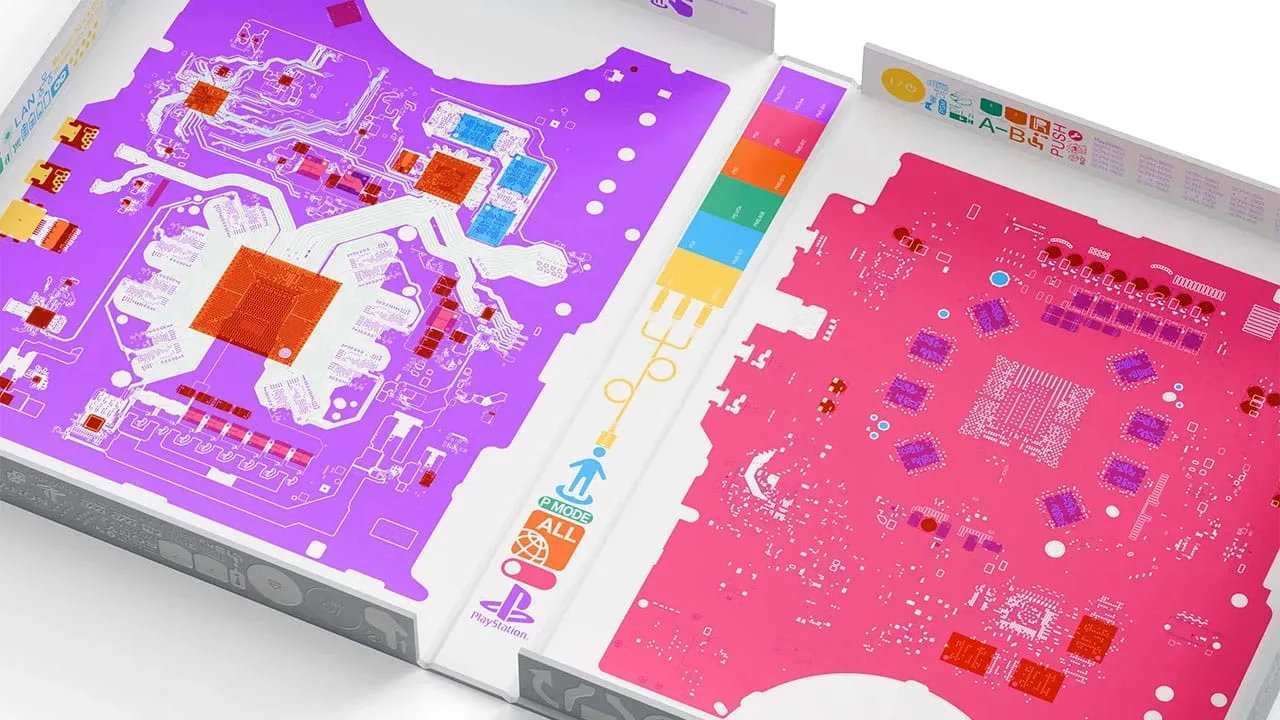
The Deluxe Edition has already sold out. It was limited to 1,994 copies and carried a listed price of £245, or $325. Its presentation adds several physical extras beyond the book itself: exposed binding, a foil-stamped clamshell presentation box, lining printed in five neon ink colors, and a 365 x 285 mm photographic print signed by Teiyu Goto and Benedict Redgrove.
Exposed binding means the book’s binding structure is intentionally visible instead of fully hidden beneath a conventional spine treatment. In a deluxe art-book context, it is a design choice that emphasizes construction as part of the object’s appeal. A clamshell presentation box is a protective case that opens in two connected halves, enclosing the book inside. Foil stamping is a print-finishing process that applies a metallic or pigmented foil to a surface, often used for display-oriented typography or emblems.
The signed photographic print is also a defined part of what separates the Deluxe Edition from the Standard Edition. The signatures are attributed to Teiyu Goto and Redgrove. Goto’s involvement makes the print a more direct connection to the people associated with the project, while Redgrove’s signature ties it to the photography that will carry the archive material through the book.
With a hard cap of 1,994 copies and a premium set of packaging features, the Deluxe Edition is plainly aimed at collectors of PlayStation memorabilia and design books. Its sellout status does not establish future resale value, and no such value should be assumed. It does show that the edition’s combination of limited quantity, signed print and elaborate presentation found an audience quickly.
What the Standard Edition includes
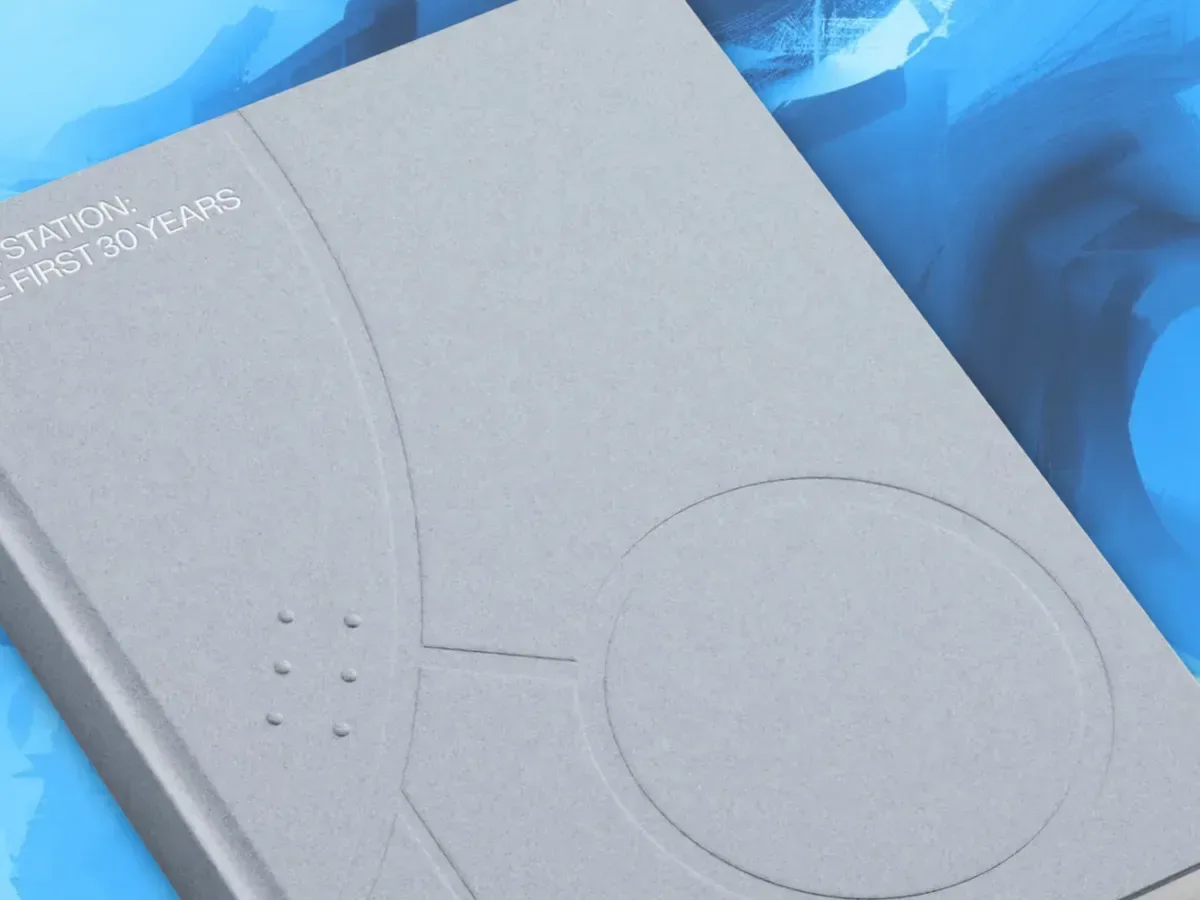
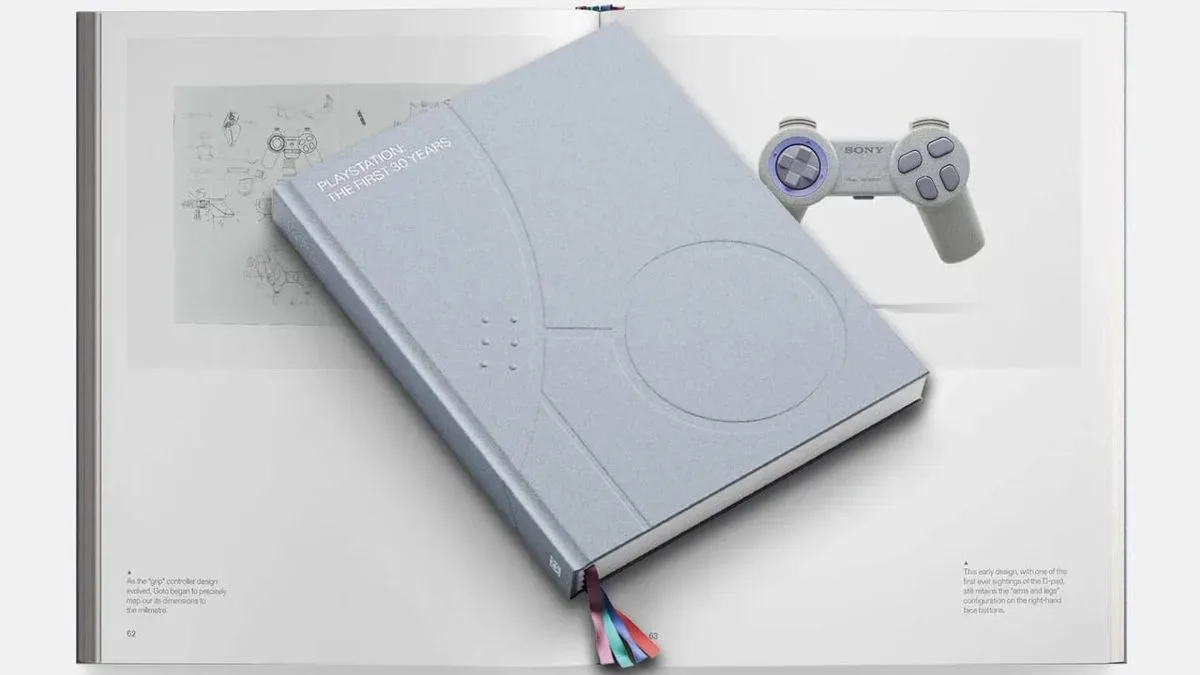
The Standard Edition remains available to preorder at a listed price of £95, or $125, with shipping planned for November. It is not presented as a stripped-down paperback. It is still a hardback edition and retains a deliberately designed case, featuring embossed and debossed elements, foil typography and four ribbon bookmarks in the colors of the PlayStation controller symbols.
Embossing raises a design above the surrounding surface; debossing presses a design into it. Used together, those techniques can give a cover tangible depth. Ribbon bookmarks are sewn into a book’s binding and provide multiple places to mark pages without loose inserts. Here, their colors reference the familiar PlayStation button symbols, providing an understated hardware-and-interface nod without changing the book’s archival focus.
For readers deciding between editions, the available information makes the division relatively clear. The Deluxe version adds scarcity, the presentation box, exposed binding, neon interior treatment and signed large-format print. The Standard Edition appears intended for readers who want the full visual-history book and its specialty cover details without the limited-edition package.
Why the book’s format fits the subject
A 400-page physical volume is especially suited to sketches, development models and archival photography. Screens are convenient for announcements and image galleries, but a substantial printed book can sequence objects across spreads, leave room for close inspection and turn a history of product design into an object with its own physical character.
That does not make the book a substitute for the machines or for the games people associate with them. Rather, it approaches PlayStation’s legacy from another angle: how a console identity is developed, tested, drawn, modeled and ultimately presented to players. The unreleased and experimental material may be the clearest reminder that the familiar final product is only one outcome from a much larger process.
For anyone interested in console design, game-industry archives or PlayStation memorabilia, PlayStation: The First 30 Years promises access to parts of that process that have usually remained out of view. The Deluxe Edition’s run is gone, but the Standard Edition offers a still-premium route into the same 400-page archive when it ships in November.