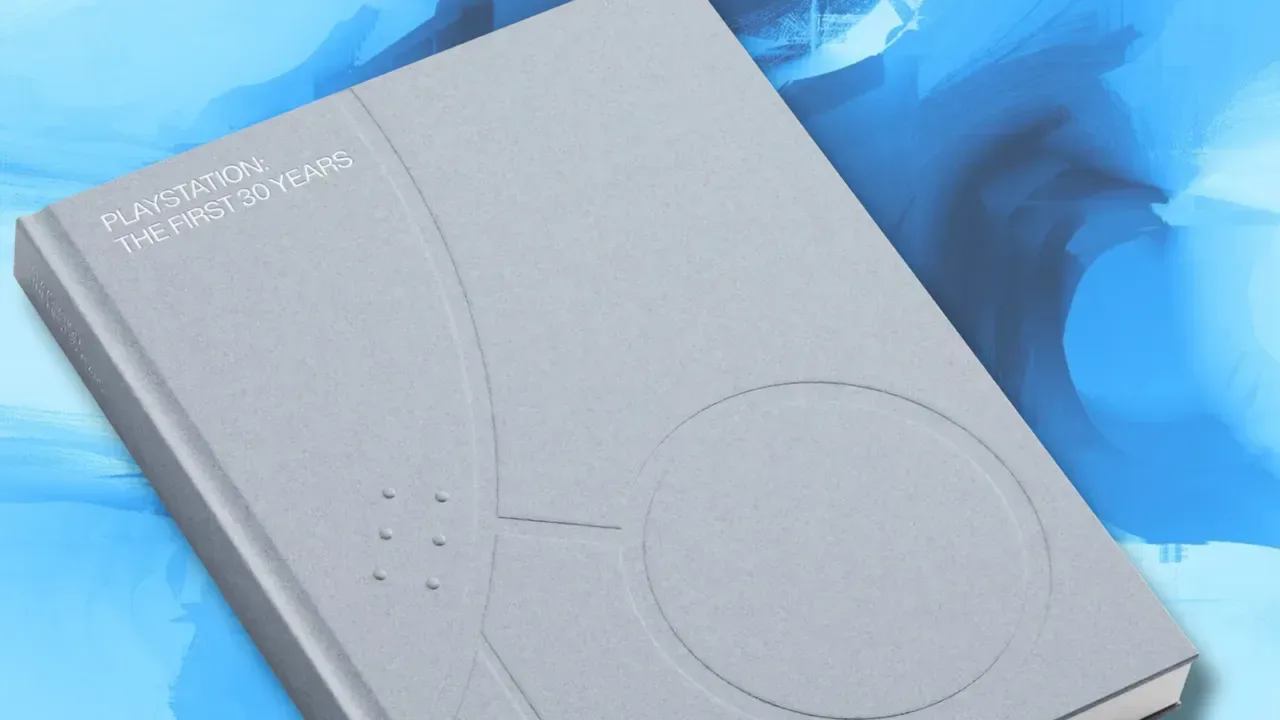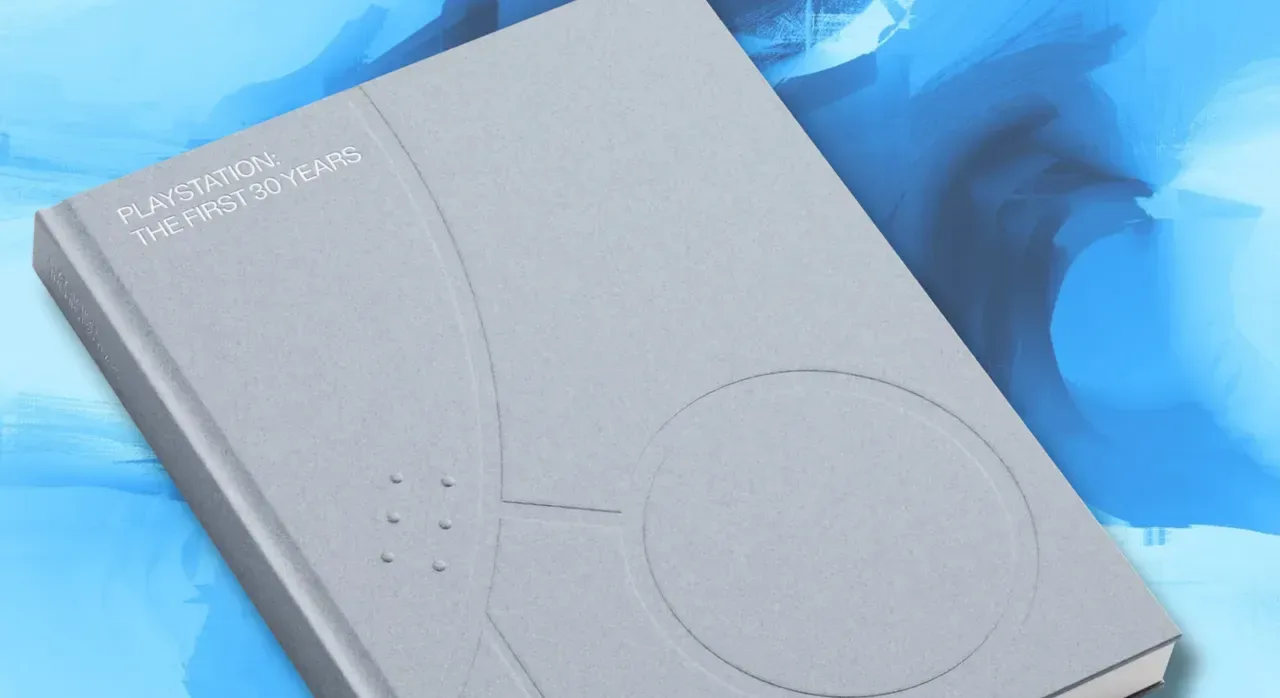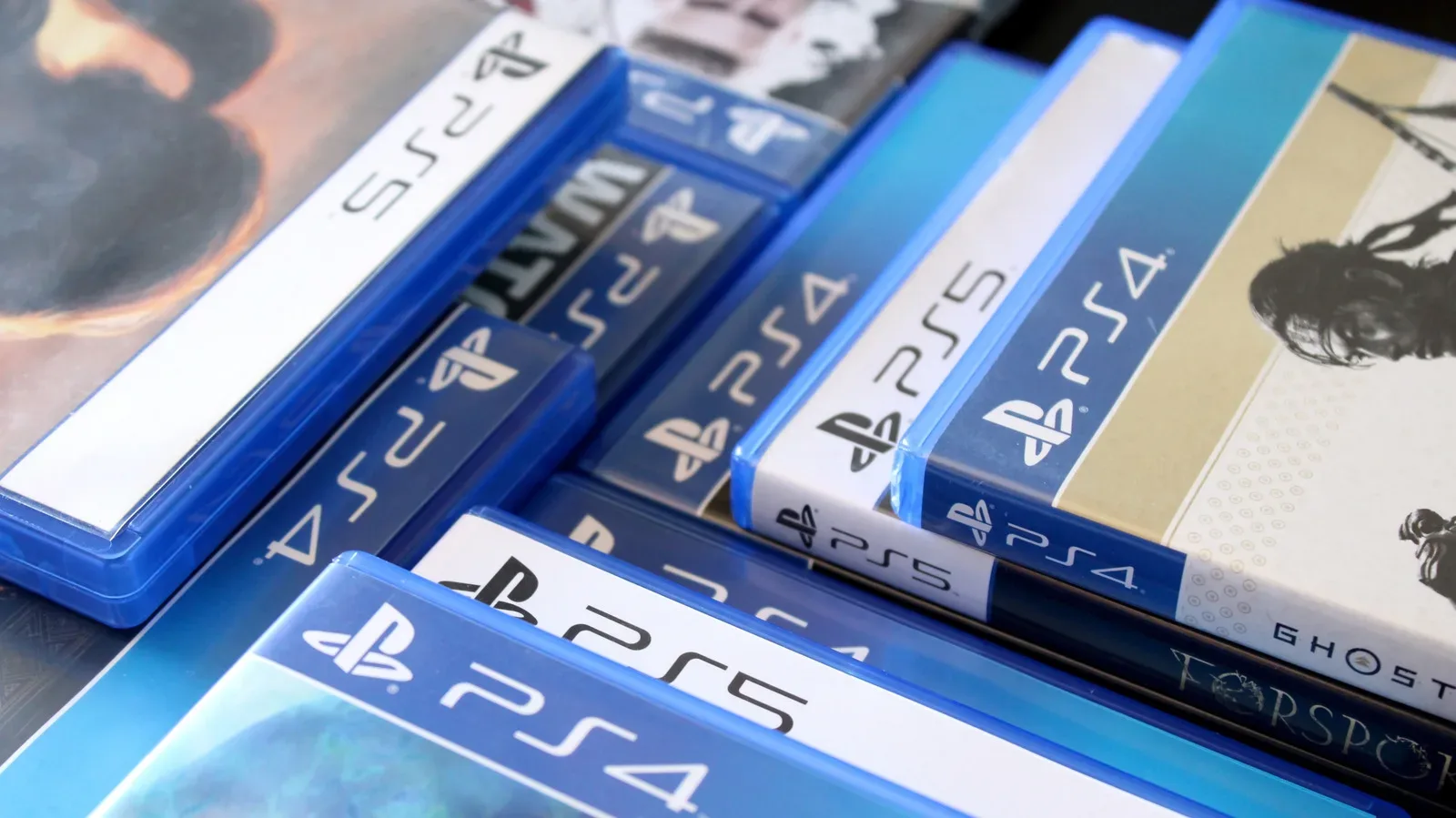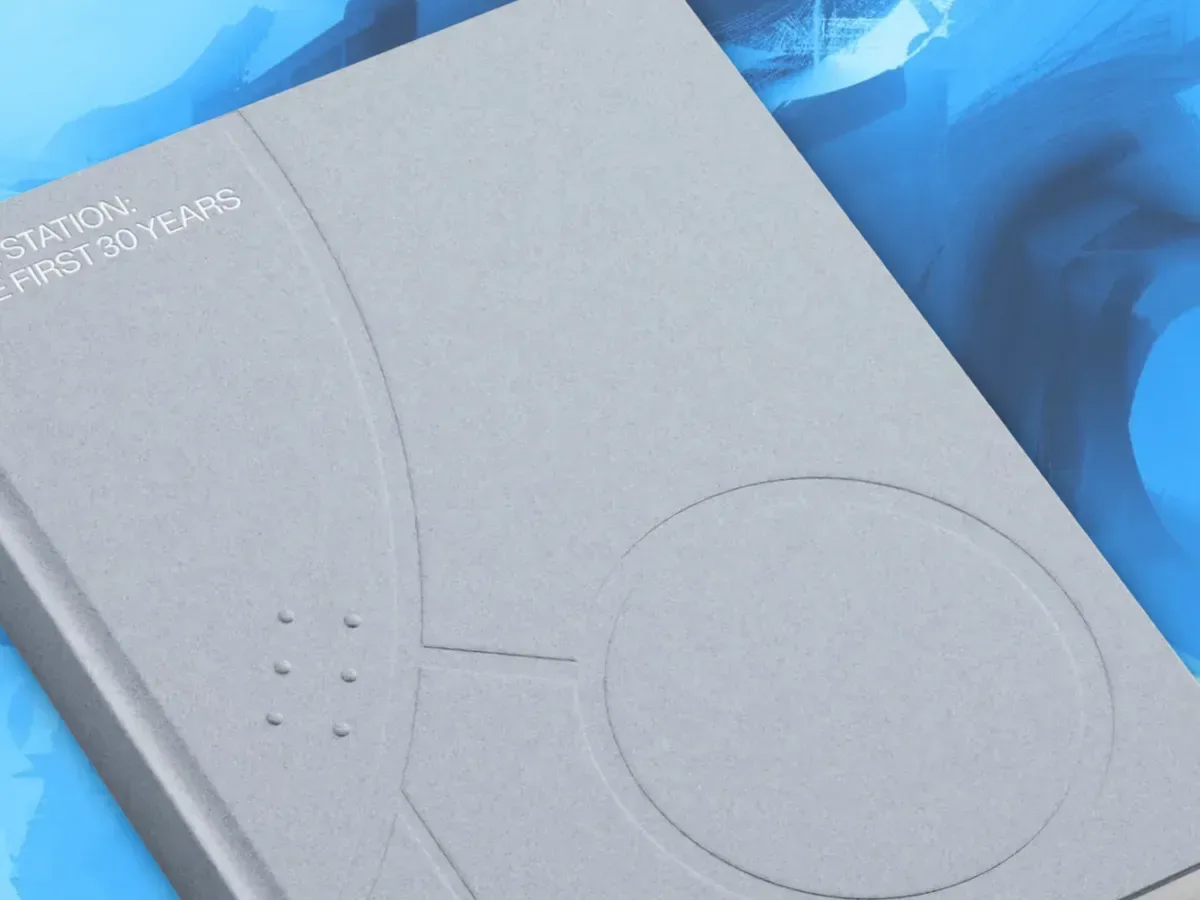
PlayStation is marking three decades of console history with a distinctly physical object: PlayStation: The First 30 Years, a 400-page archival book built around prototype hardware, concept art and development models. The catch, and the reason its preorder launch has sparked such a pointed response, is timing. Sony has said it will cut PlayStation disc production beginning in 2028.
That has made a handsome anniversary volume feel like more than a straightforward commemorative release. For players concerned about the future of boxed games, a company selling an expensive printed celebration of its console legacy while moving away from game discs presents an obvious contradiction. The discourse is not really about whether a book should exist. It is about what kinds of physical media are still considered worth preserving, selling and owning.
What is in PlayStation: The First 30 Years?
The book is a collaboration between PlayStation and Read-Only Memory, a UK publisher that specializes in premium books about games and world-building. It is available for preorder exclusively through Read-Only Memory and is scheduled to ship in November.
There are two editions:
- Standard edition: listed at $125 and described as widely available.
- Deluxe Edition: listed at $325 and limited to 1,994 copies.
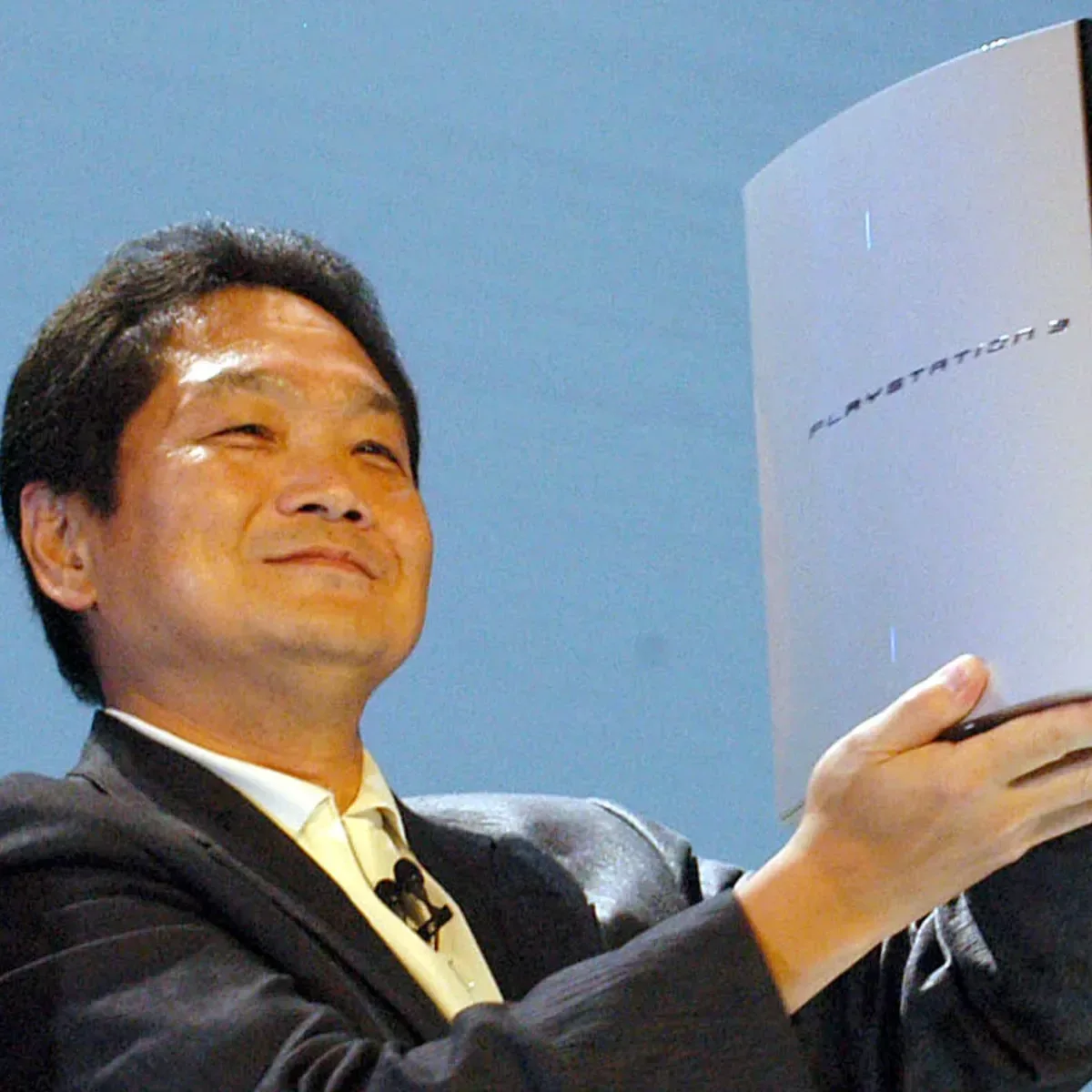
The 400-page volume is positioned as a visual history of the PlayStation brand’s first 30 years. Its archive-based material includes research-and-development prototypes, concept sketches and development models. It also features contributions from people central to PlayStation hardware design: Ken Kutaragi, widely known as the “Father of PlayStation”; Teiyu Goto, the original DualShock designer; and Yujin Morisawa, chief designer on PlayStation 5.
Preview material shows early console and controller concepts, including designs for DualShock hardware and PlayStation systems with disc drives. Those images are particularly loaded in the present moment. The disc drive is not merely an old component in this context; it has become the symbol at the center of an argument over access, resale and long-term possession of games.
Why the physical book has become a flashpoint
Comments responding to the announcement have repeatedly drawn a line between a collectible print release and the future of PlayStation games on physical discs. The shorthand is clear: people see Sony affirming the appeal of a tangible, shelf-ready product while preparing to discontinue another one that many players consider more important.
That response is understandable even if books and game discs are different products with different costs, supply chains and audiences. The emotional overlap is substantial. Both are physical records of a creative medium. Both can be displayed, loaned or resold. And both can sit outside the account systems and storefront rules that shape access to a digital purchase.
Related coverage includes PlayStation's New 30th Anniversary Book Reignites the Physical Games Debate.
In this case, the book’s purpose sharpens the contrast. It is a retrospective built around PlayStation’s hardware evolution, and it is arriving in a premium physical format. For critics of the disc-production decision, that makes the product feel less like a neutral history book and more like an accidental reminder of the format being phased out.
“Physical discs have become a metaphor for ‘owning’ games,” Ken Kutaragi said while describing the decision to end disc production as economically reasonable.
That distinction matters. A metaphor is not the same thing as a legal or technical definition, but it reflects why the issue has proved so durable. When players say they want discs, they are often talking about a bundle of practical expectations rather than the plastic itself.
What players mean when they talk about ownership
In the current debate, ownership generally means the ability to keep a copy, transfer it to another person and use it without the purchase being entirely tied to a particular digital storefront or account. Physical boxed games have long supported familiar activities: building a collection, lending a game to a friend, selling it on, buying used copies and keeping it on a shelf.
That does not make every physical disc permanently self-sufficient, nor does it mean every digital game becomes inaccessible by definition. The supplied information does not establish the precise terms attached to individual purchases or how particular future PlayStation releases will work. But the wider concern is easy to identify: a reduction in discs can narrow the ways consumers participate in the used market and pass games between people.
Former PlayStation executive Shawn Layden has put the objection in especially direct terms:
“If you can't sell a thing, it means you don't own a thing. If you don't own it, then what are you buying?”
His framing focuses on resale as a key test. Under that view, the ability to sell is not a side benefit of physical media; it is evidence that the buyer controls a transferable item. Others may value discs primarily for lending, collecting, archival comfort or simple preference. The common thread is control after the transaction.
The economic argument and the community argument are not the same
Sony’s stated direction comes amid a continuing decline in physical PlayStation disc sales. Kutaragi has characterized ending production as economically reasonable. That is the business case: if demand for discs falls, maintaining their production becomes harder to justify.
Players challenging the move are making a different calculation. They are not only asking which format sells more units today. They are asking what disappears when a format ceases to be supported. A physical game collection has social and personal value that is difficult to measure solely through current sales. It can be shared, curated, traded and revisited as a set of objects rather than a library visible through a storefront interface.
Neither side of that disagreement is answered by the anniversary book itself. A $125 art and design volume is not a replacement for a retail game disc, and a deluxe edition limited to 1,994 copies is not evidence that broadly available game discs could be produced on the same terms. Still, the release has exposed the gap between economic efficiency and the meaning fans attach to physical games.
It also places PlayStation inside a larger digital-sales reality. As reported in Capcom’s recent digital-sales results, digital distribution can account for an overwhelming share of game sales. That context helps explain why companies may favor downloadable storefronts. It does not settle the separate question of whether a high digital share should end physical options altogether.
A premium artifact, not a resolution
For collectors of game-design books and PlayStation memorabilia, PlayStation: The First 30 Years offers a substantial archival object: 400 pages, prototype imagery and accounts from designers who helped shape the brand’s hardware identity. The deluxe edition’s 1,994-copy run gives it an explicitly limited collectible dimension, while the standard edition provides a less scarce entry point.
Potential buyers should also separate the book’s appeal from the larger controversy. Its announced contents are focused on PlayStation design history, not on explaining the 2028 disc-production shift or establishing future policies for digital purchases, physical releases or a possible next-generation console. The intensity of online reaction does not yet show whether it will affect sales of the book, reception for future collectibles, digital game launches or future PlayStation hardware.
What can be said is that PlayStation has released a physical celebration of a history deeply connected to disc-based gaming at a moment when many fans feel that physical relationship is being withdrawn. The book’s early hardware images—including the prominent disc drives—make that tension impossible to ignore. A publication intended to document three decades of PlayStation design has instead become a vivid example of why the argument over physical games is unlikely to disappear before 2028.