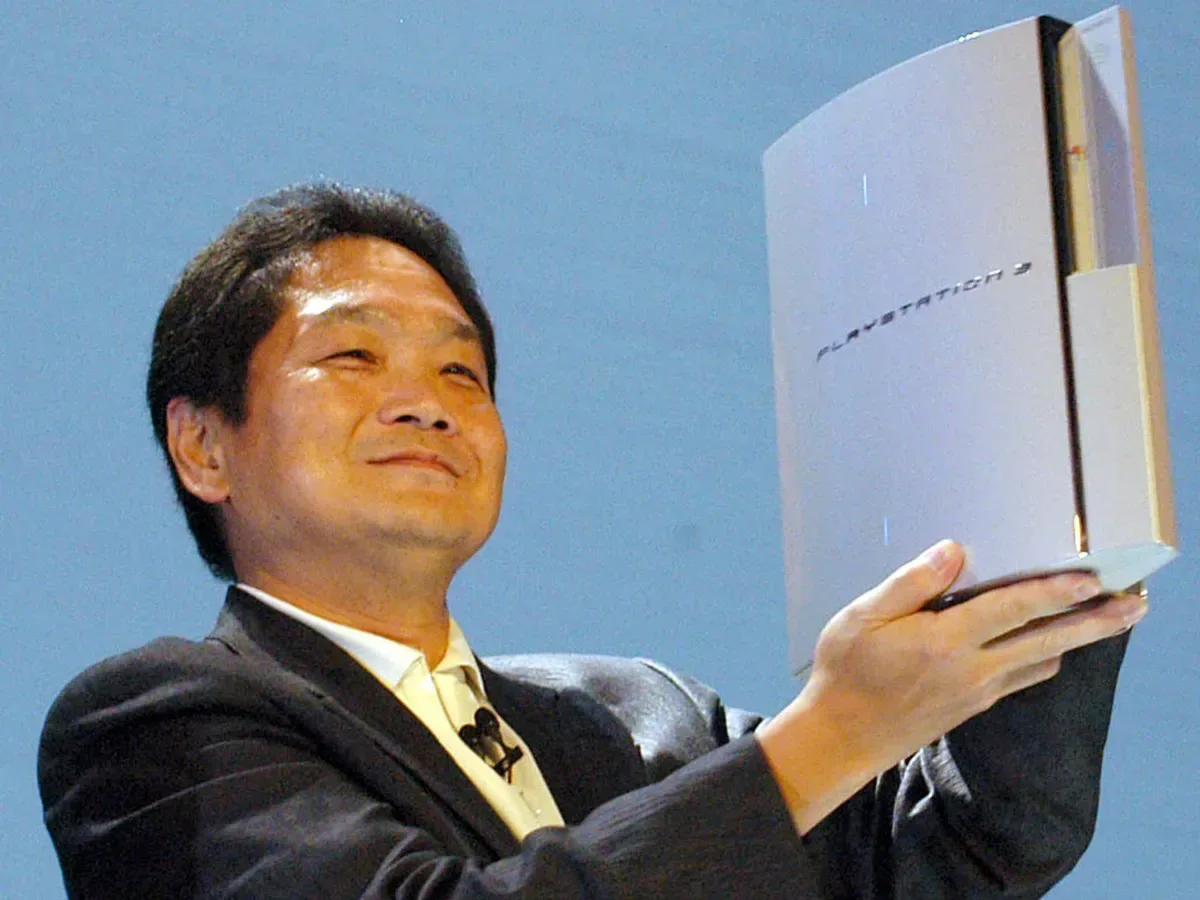
Ken Kutaragi, the longtime PlayStation figure widely known as the “Father of PlayStation,” has offered a blunt defense of Sony’s planned move away from physical game discs: he believes much of the dispute comes down to a “mentality issue.”
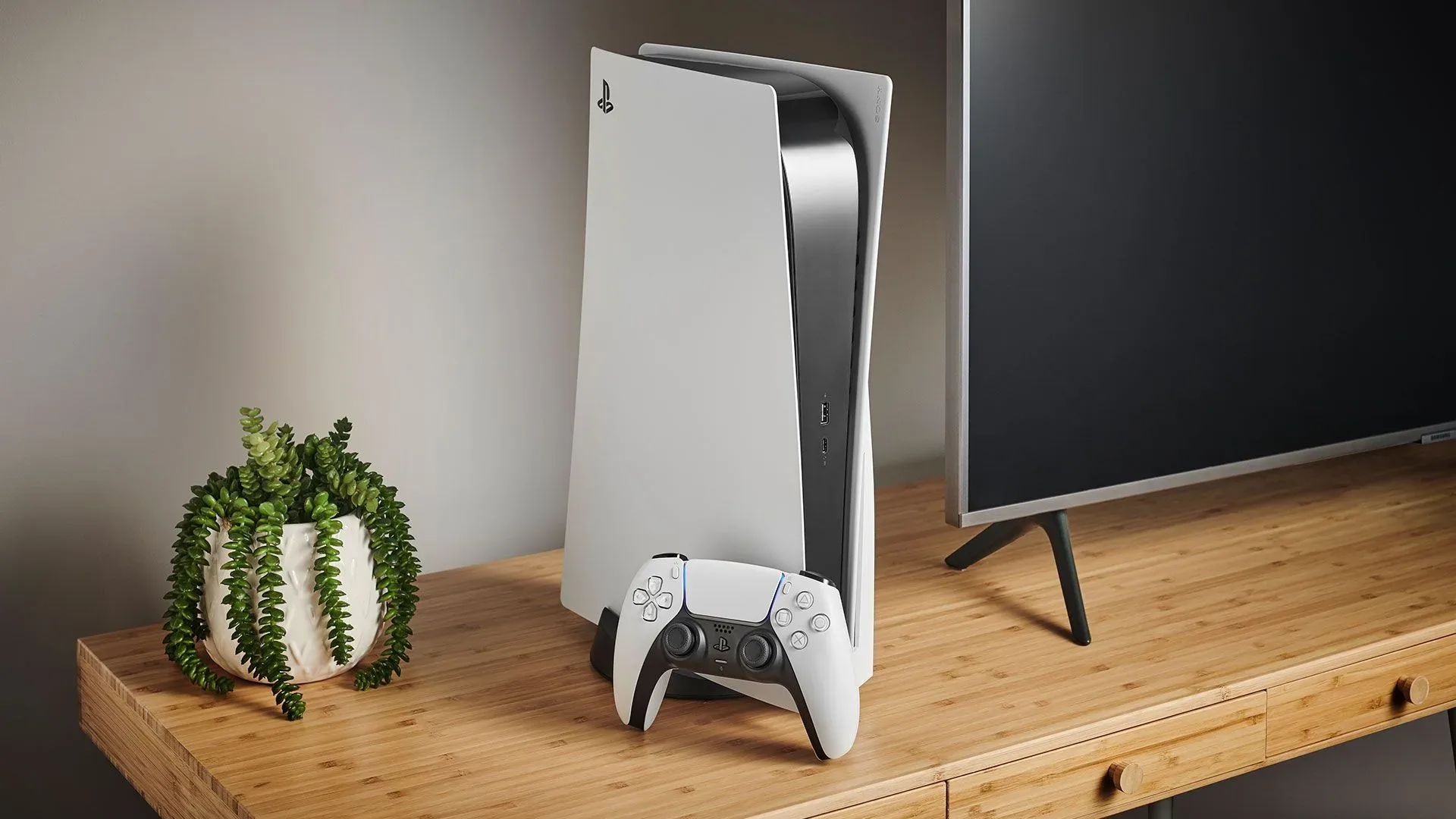
The comments arrive as Sony Interactive Entertainment plans to discontinue physical disc production for new games released on PlayStation consoles beginning in January 2028. Under the stated plan, games that already launched on disc, along with titles due to arrive in disc format before that cutoff, are not affected. New releases after that point would be sold digitally through PlayStation Store and retailers.
For Kutaragi, the central change is the prevalence of connected devices. He contrasted the comparatively limited network use of the PlayStation 2 and PlayStation 3 era with a present in which, as he puts it, many more people are online. That shift matters because digital delivery depends on a network connection: rather than obtaining the game data from a Blu-ray disc, a player downloads it through an online storefront or accesses it through a streaming service.
But the debate is not simply a question of whether a download is convenient. It is also about what players believe they are buying, keeping and able to revisit. That is why Kutaragi’s characterization of the disagreement as a matter of mentality is likely to land poorly with people who see physical media as more than a nostalgic preference.
What Sony says will change in 2028
Sony’s stated rationale is that digital media is now preferred by most of its community and that the wider entertainment business is moving away from discs. The company says the transition will let it better match how most players access games today.
The practical dividing line is clear:
- Games released in disc format before January 2028: Sony says the change does not affect them.
- New games after physical production ends: Sony says they will be available in digital formats through PlayStation Store and retailers.
- The transition itself: physical game-disc production for all new PlayStation-console releases is scheduled to stop beginning in January 2028.
That does not mean every concern raised by players has the same answer. A person who chiefly wants to avoid switching discs may see a digital library as the simpler option. Someone who values a boxed copy, lends games to friends, or wants a copy that exists outside an account storefront may view the same transition very differently.
Importantly, a physical disc and a digital purchase are different forms of access, even if they can both lead to the same game on screen. A disc is a tangible item. A digital title is delivered and managed through an online platform. Players’ objections to a disc-free future are therefore not necessarily objections to the internet, downloads or modern convenience. They may instead be objections to having only one delivery model for new games.
Related coverage includes Ken Kutaragi Calls PlayStation's Disc Backlash a 'Mentality Issue' as Sony Moves Toward Digital-Only Games.
Why “ownership” sits at the center of the argument
Kutaragi acknowledged that discs have become a symbol of owning games. His comparison was the smartphone, where people generally do not expect physical media because they believe their content will remain available on a networked device.
That comparison explains his economic argument: if players are already accustomed to getting entertainment and software through connected devices, the cost and logistics of manufacturing discs can look increasingly difficult to justify. In that framing, digital delivery is not a break from normal consumer behavior but an extension of it.
Yet the word ownership is carrying several different meanings in this conversation. For some players, ownership means having reliable access to a game in a digital library. For others, it means possessing a physical object that can be stored on a shelf, passed along, or used without treating an online storefront as the sole gateway. Neither position is inherently confused; they place value on different things.
There is also a difference between a game existing in a player’s account and a player feeling independent of the platform that distributes it. Sony’s plan is generating preservation concerns precisely because players are thinking beyond the point of purchase. They are asking what a game’s long-term future looks like when new releases no longer have a disc edition.
Those questions are not answered merely by saying that most people prefer digital formats. A majority preference can explain a business decision, but it does not erase the needs of the people outside that majority. Sony has recognized the change may cause friction, while continuing with its announced direction.
Kutaragi’s wider vision goes beyond game discs
Kutaragi’s remarks also suggest that he sees discs as one part of a larger technological transition. He pointed to Sony Interactive Entertainment’s experience with people from streaming services such as Gaikai, and suggested Sony could hold ambitions broader than conventional game hardware.
He went further, speculating that consoles themselves could eventually be unnecessary if platform holders use streaming to address the increasing cost of components. He linked those component pressures to AI, then immediately cautioned that this was not an official Sony statement.
That distinction is essential. Sony’s stated, concrete plan in this discussion concerns the end of physical disc production for new games beginning in 2028. Kutaragi’s idea of a future without consoles is a personal projection, not a declared corporate roadmap.
Streaming in this context means the game runs on remote hardware and video is sent across the internet to the player, with controller inputs sent back. It differs from downloading a game, where the game files are installed locally on a console. Both can reduce reliance on a disc, but they have very different requirements and trade-offs. A downloaded game still runs on local hardware; a streamed game relies more directly on a continuing network connection and remote infrastructure.
That makes the discussion larger than packaging. If discs are removed from new releases, players will reasonably watch how digital downloads, accounts, store access and streaming services are treated over time. The format question is a proxy for confidence: confidence that games will remain accessible, confidence that a platform will preserve a purchase library, and confidence that players retain meaningful choices in how they play.
Economic logic and player trust are not the same thing
Kutaragi said he understands why players are upset but does not consider the preference for discs economically reasonable. From a corporate planning perspective, that argument is straightforward: if consumer behavior has moved decisively to digital, continuing to manufacture a declining physical format may appear inefficient.
From the player perspective, however, economics is only one criterion. Choice, permanence and preservation are values that do not fit neatly into a calculation about the popular delivery method of the moment. The friction comes from treating a decision that affects access and collecting habits as though it were only a question of cost.
That is why the backlash has extended to PlayStation surveys and other avenues where players can make their views known. The concern is not just “I like discs.” It is also “What protections and alternatives remain when discs are gone?” Sony’s announcement establishes the timeline, but it does not settle the broader trust question for everyone affected.
The industry is already dealing with wider arguments over how digital platforms govern access, distribution and user choice. Those questions are also central to the ongoing debate about platform rules and game developers. PlayStation’s physical-media change is its own issue, but it belongs to the same broad conversation about who controls the route between a game and its audience.
What players should take from the announcement now
The immediate takeaway is not that existing PlayStation disc collections are suddenly obsolete. Sony says the upcoming policy does not affect games already released, or games scheduled to release in disc format before January 2028. Players who prefer physical editions still have time before the stated cutoff takes effect.
It is also worth separating facts from speculation. Sony has communicated a plan to end physical disc production for new games starting in January 2028. Kutaragi has voiced support for that direction and has speculated about a possible streaming-led future in which consoles are no longer needed. The latter is not official guidance from Sony.
What remains unresolved is how Sony will address the concerns that have made physical media so emotionally and practically important to a portion of its audience. The company views the transition as a response to demand. Critics see it as the removal of an important option and a new challenge for game preservation.
Kutaragi may call that a mentality issue. For players, it is more accurately a question of what a game library should be: a service accessed through a connected ecosystem, a collection of physical objects, or a marketplace that continues to accommodate both.