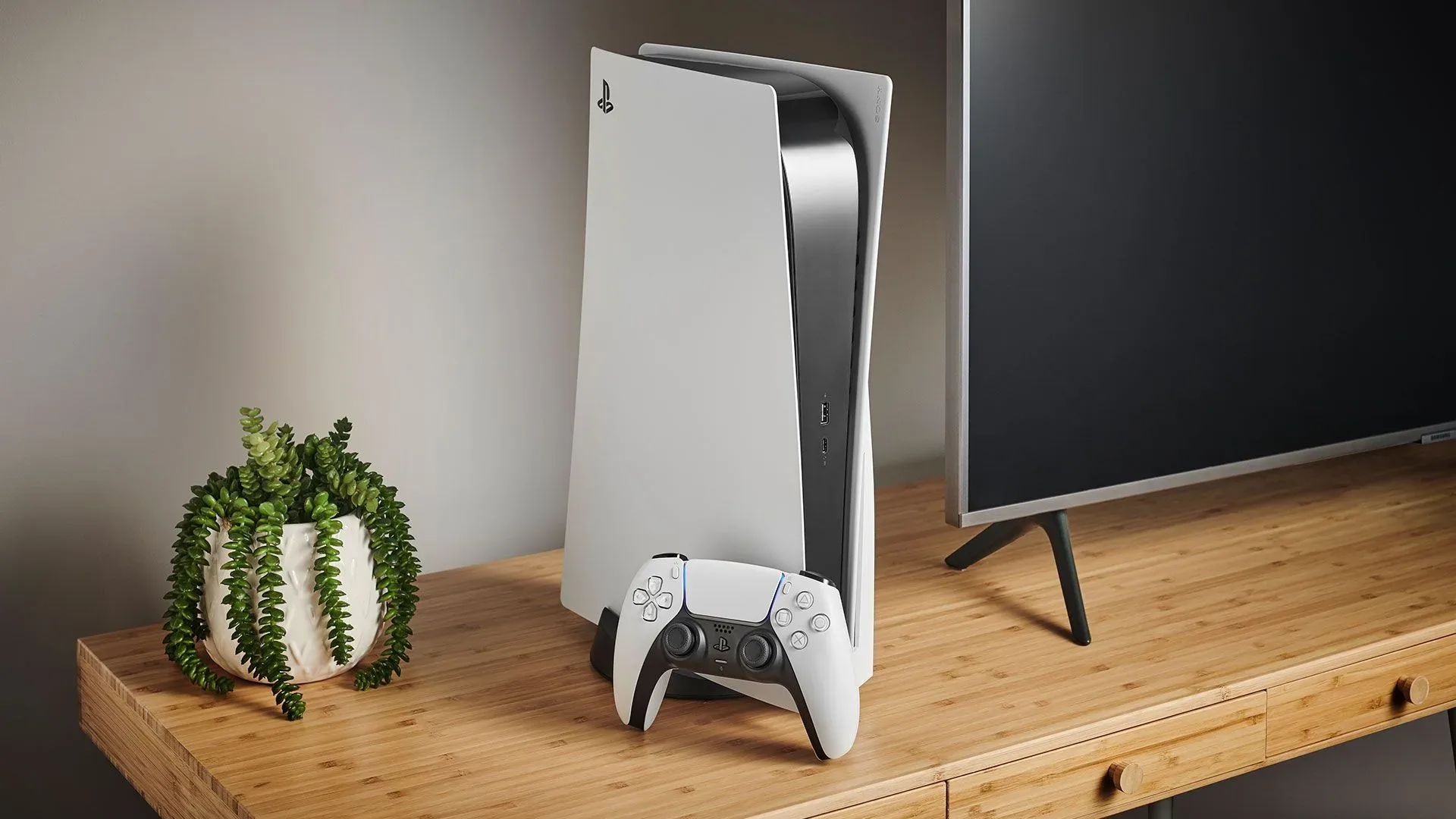
Shawn Layden, the former chairman of Sony Interactive Entertainment Worldwide Studios, has raised a pointed objection to PlayStation’s reported move away from physical game discs: the issue is not simply whether downloads are more convenient, but what a customer is actually acquiring when a purchase cannot be resold.
Layden joined Sony in 1987 and retired from his Worldwide Studios leadership role in 2019. That history does not give him access to the company’s present-day spreadsheets or its specific reasoning, and he explicitly says he does not know the financial realities behind the direction. But it does give added weight to his concern that a disc-free future could create a serious trust and reputation problem for the PlayStation brand.
His argument is straightforward. Digital delivery can be convenient, and Layden recognizes that. Yet convenience does not settle the ownership question for players who still want a physical copy, including collectors and customers who value the ability to pass a game along, keep it on a shelf, or sell it later.
“If you can't sell a thing, that means you don't own a thing. And if you don't own it, then what are you buying?” Layden said.
From owning a game to accessing a digital asset
The key phrase in Layden’s comments is digital asset. In this discussion, it means the digital game purchase or entitlement connected to a player’s account, rather than a disc a customer can physically hold and transfer. His concern is that the language around a transaction may still feel like a traditional game sale to buyers, even when the practical relationship is closer to receiving access through a platform.
That distinction matters because physical media has an obvious, everyday meaning. A disc can be stored, displayed, lent, traded, sold, or bought used. Players understand those options without needing to examine the infrastructure behind a storefront account. A digital purchase may be far more immediate to download, but it shifts the conversation toward access and platform control.
Layden called that change the more “insidious” aspect of moving away from discs. His point is not that downloads are unusable or unwanted. Rather, it is that an all-digital model changes the expectation embedded in the word buy. If resale is unavailable, he asks whether ownership is the right description of the transaction at all.
That is an especially important framing for consumers because game ownership is often discussed only when an older title becomes hard to obtain. Layden’s comments put the question much earlier in the decision: before a customer presses the purchase button, what rights and practical choices do they expect that purchase to include?
Related coverage includes Shawn Layden Questions PlayStation's Move Away From Discs and the Meaning of Game Ownership.
The physical audience may be smaller, but it is not incidental
Layden described a rough split in which 80% of players download games and 20% purchase them physically. He did not present that as a verified company figure, and it should be understood as an estimate used to illustrate his argument. Still, he believes that remaining group is strategically important rather than disposable.
In his view, physical buyers include the “faithful of the faithful”: players willing to purchase multiple copies of a title for their collections. That observation speaks to more than nostalgia. For some customers, a disc is part of the value proposition. They want a tangible library and the autonomy associated with moving an item in or out of it.
Collectors are only one part of the physical-first audience. Other customers may prefer discs because they expect to trade games after finishing them, share games within a household, or make purchasing decisions with a potential resale value in mind. None of those motives requires a rejection of digital technology. They simply produce a different set of priorities than instant access or avoiding shelf space.
Layden says he does not agree with ending physical discs. His caution is notable because it avoids pretending the commercial choice is simple. He does not claim to know Sony’s internal costs, revenue model, or logistical pressures. Instead, he identifies the possible customer-facing consequence: reducing physical options can be interpreted as reducing the buyer’s control over what they have paid for.
Why the question reaches beyond a single console
The stakes are larger than a packaging preference. A platform’s format choices help define what customers believe they are getting from that ecosystem. A physical disc has historically made the purchase feel like a possession. An account-based download makes the platform relationship more central.
That does not mean every player will reach the same conclusion. Many players already favor downloads, and Layden acknowledges the attraction of their convenience. A digital library does not require swapping discs, and it may suit the majority of a platform’s audience. The tension is that a majority preference does not automatically make the minority’s expectations irrelevant, particularly if that minority includes highly committed customers.
Layden’s warning is therefore about brand perception as much as media format. He says customers tend to imagine worst-case outcomes when they feel their control is being narrowed. Whether or not those fears align with a company’s internal plans, the anxiety itself can become a reputation issue. In Layden’s assessment, that is a potentially substantial hit for a brand built over decades.
For PlayStation, the practical communications challenge is clear: customers will want plain answers about what a digital purchase means, what choices remain available to physical buyers, and why any transition serves them rather than merely simplifying the platform holder’s business. A vague appeal to convenience will not fully answer a concern centered on possession, transferability, and trust.
A familiar industry tension, with a sharper consumer edge
Layden has voiced skepticism about a discless PlayStation before, saying the market has continued to demonstrate demand for discs. He has also suggested that PlayStation’s eventual approach could strongly affect how Xbox and Nintendo think about physical media. That possibility is significant because format decisions from major platform holders can reshape expectations across the wider games business.
There is no need to frame the issue as a simplistic choice between progress and preservation. Digital distribution and physical discs answer different needs. Downloads prioritize speed and ease of access. Physical releases prioritize a tangible item and the flexibility that comes with having one. A healthy debate starts by recognizing that those benefits are not interchangeable.
The consumer question is correspondingly more precise than “Are discs outdated?” It is: what does a player lose when the only version offered is tied to a digital platform, and does the convenience gained adequately replace those lost options? Layden’s answer is that the loss deserves far more attention than it sometimes receives.
His comments also arrive as the industry continues to weigh platform strategy and the value of reaching audiences in different ways. The business context around major games is changing on several fronts, as reflected in the growing importance of multiplatform priorities for AAA releases. The physical-versus-digital debate is distinct, but it comes from the same broader pressure: platform holders and publishers are reconsidering how games are distributed, sold, and accessed.
What consumers should take from Layden’s warning
Layden is not presenting a detailed alternative business plan, and he is careful not to claim knowledge of the financial data behind Sony’s direction. His contribution is more fundamental: he is challenging the vocabulary used around digital purchases.
- Convenience is not the same as ownership. A download can be preferable for many players while still offering a different kind of relationship to the product than a disc.
- Physical demand is not measured only by its share of total sales. Layden argues that devoted physical buyers can carry outsized cultural and brand importance.
- Resale is central to the debate. His formulation is blunt: if customers cannot sell an item, they may reasonably question whether they own it in the ordinary sense.
- Transparency matters. If a platform is asking players to accept access rather than a transferable physical product, it should communicate that distinction clearly.
For players who primarily download games, this debate may not alter daily habits at all. For those who buy discs, it speaks directly to why they do so. And for everyone else, it is a useful reminder that the label attached to a transaction—purchase, ownership, access, library—can carry very different practical meanings.
Layden’s criticism does not resolve whether PlayStation’s path is commercially sound. He concedes that he cannot evaluate the company’s figures. What it does establish is why the decision may be difficult to sell to the customers most invested in physical games. A platform can make digital access effortless, but it cannot assume that this is an equivalent replacement for the sense of ownership a disc provides.