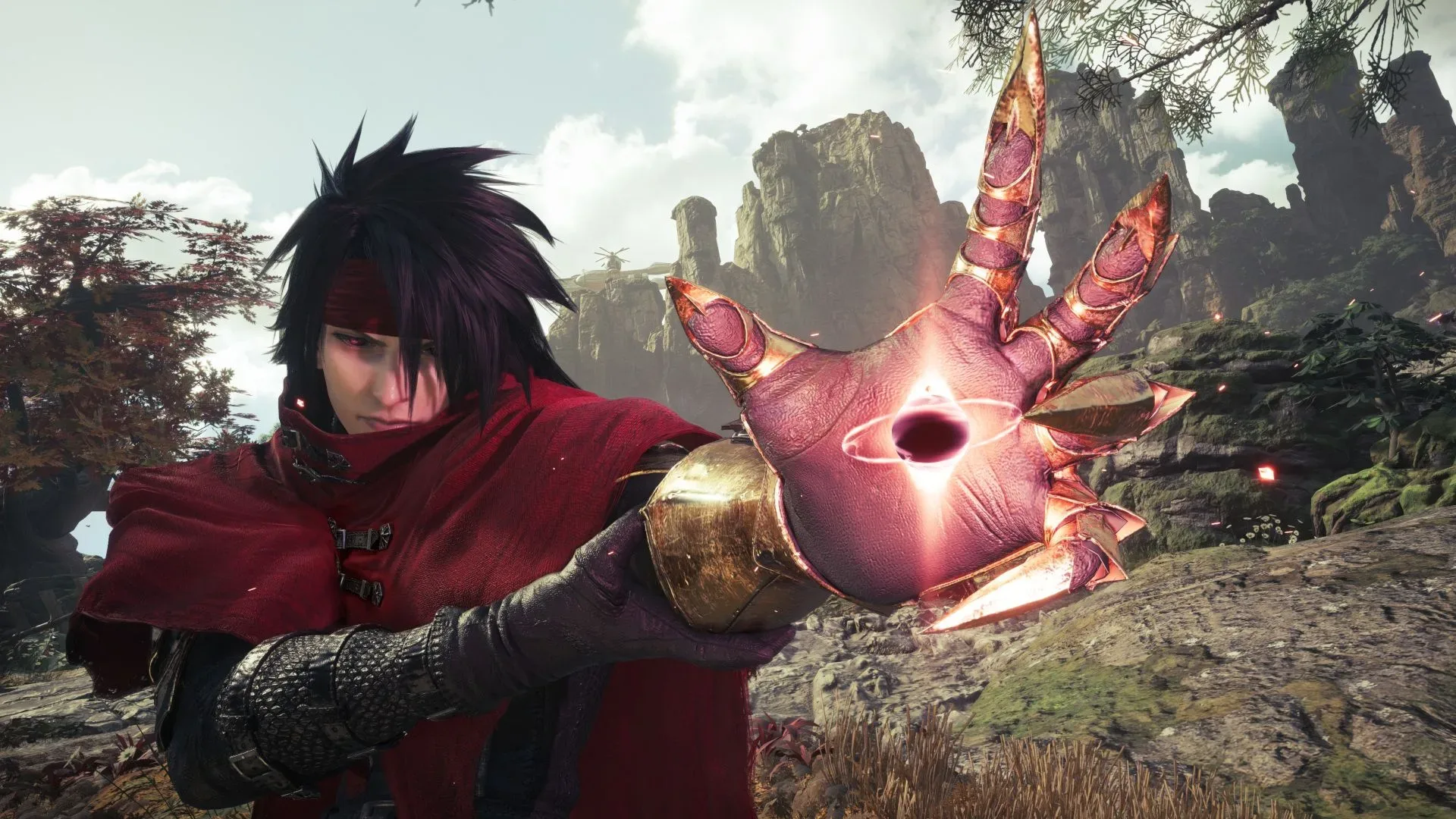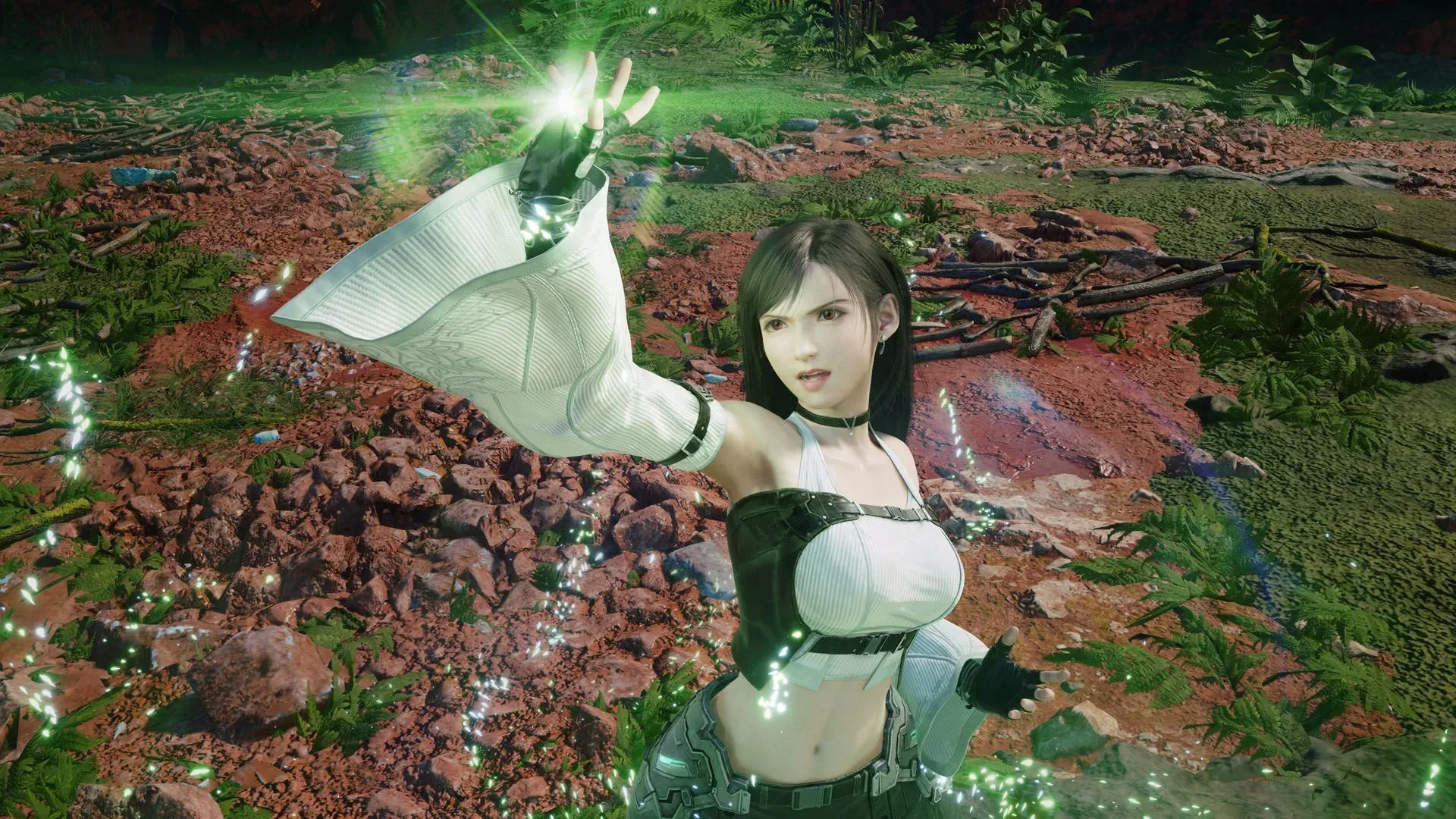
Final Fantasy 7 Revelation is set to become the first entry in the remake series to reach multiple platforms on its launch day. That is a consequential break from the release pattern for Final Fantasy 7 Remake and Final Fantasy 7 Rebirth, both of which began as PlayStation exclusives before arriving much later on PC, Xbox, and Nintendo Switch.
For director Naoki Hamaguchi, the decision is less a dramatic rejection of exclusivity than a practical response to how people now play games. He described the simultaneous multiplatform release as an “inevitable outcome” of a changing player environment. The key point is simple: audiences increasingly move between televisions, desktop PCs, and handheld devices rather than organizing their gaming lives around one box under the TV.
That observation may sound obvious, but it has major consequences for a blockbuster role-playing game. A day-one launch across multiple hardware ecosystems changes who gets to join the conversation, how developers must approach production, and what “the same game” should mean when it runs on machines with very different capabilities.
A first for the remake series
The earlier remake installments did not reach every major audience at the same time. Their initial PlayStation exclusivity meant that players on other platforms faced a long wait. Revelation instead aims to put all of those audiences at the starting line together.
For players, the immediate benefit is choice. Someone whose preferred gaming setup is a console, a PC, or a handheld will not need to change platforms merely to experience the next chapter at release. Just as importantly, people who own more than one kind of device can make the decision based on where and how they want to play rather than on which platform happens to receive access first.
For the wider community, a shared launch window can make discussion more coherent. Major story beats, combat discoveries, fan art, lore debates, and the unavoidable wave of spoilers are no longer split as sharply between an early-access platform audience and everyone else waiting for a port. That does not eliminate spoiler concerns, but it reduces the unusual situation in which a huge portion of a game’s prospective audience is locked out of the newest installment for years.
The shift also matters because this is not a small side release. The remake project is one of the publisher’s most visible modern RPG initiatives. Choosing a day-one multiplatform strategy for its next entry makes the policy tangible in a way that broad corporate language alone cannot.
What Hamaguchi means by delivering the “core” experience
Hamaguchi framed the future challenge for AAA development not as using the most powerful possible environment, but as delivering the core of the same experience across different environments. That wording deserves attention.
Related coverage includes Final Fantasy 7 Revelation Embraces Day-One Multiplatform Launch.
AAA is industry shorthand for big-budget, high-profile games with large production ambitions. The term does not guarantee quality, nor does it describe one fixed technical standard. In this context, it points to the scale of expectations surrounding a major Final Fantasy release: rich presentation, broad scope, and the pressure to work reliably for a very large audience.
Scaling across platforms means adapting a game so it can function on systems with different levels of computing power, storage behavior, display sizes, and control assumptions. It does not necessarily mean every version will look or perform identically. A desktop PC connected to a large monitor, a living-room console on a television, and a handheld device place different practical limits on the same software.
Hamaguchi’s use of “core” suggests that the target is consistency in what makes the game itself meaningful: its story, characters, combat, progression, exploration, and overall identity. Visual settings, performance targets, display resolution, or certain presentation compromises may vary by hardware, but the underlying experience should still feel recognizably like the same installment.
That distinction is important. “Multiplatform” is sometimes treated as if it automatically means one version must be held back by the least powerful device, or that every machine must offer precisely matching technical output. Neither idea follows from the stated goal. The stated goal is broad delivery of the game’s essential experience, not identical hardware behavior.
Why this is a difficult production goal
Supporting a wide hardware range is not simply a matter of pressing an export button at the end of development. Different platforms can require separate optimization work, testing, interface consideration, and performance tuning. Handheld play, desktop setups, and television play also create different expectations around readability, control comfort, and session length.
For an RPG, that can be especially meaningful. Players may spend long stretches reading menus, managing equipment, navigating environments, and following cinematic scenes. If a game is intended to travel across a TV, a monitor, and a smaller portable display, developers need to consider whether vital information remains clear and whether the game’s essential rhythm survives the transition.
The practical implication is not that every technical compromise is invisible. It is that the development team’s standard becomes broader: preserve the experience’s identity while accounting for several ways of accessing it. Hamaguchi’s comments present that as the more important measure of modern AAA work.
The business strategy behind the change
The publisher had already stated in 2024 that it intended to pursue a multiplatform strategy aggressively. Revelation is a prominent expression of that direction.
A multiplatform launch expands the potential day-one audience without asking interested players to wait for a later conversion. It also acknowledges that platform preference is not always a permanent allegiance. Some players favor a console for convenience, a PC for flexibility, or a handheld for portability; others divide their time among all three. Hamaguchi’s point is that the old assumption of one player permanently attached to one machine no longer captures the whole market.
This does not mean platform-specific launches have vanished from the industry, nor does it establish a universal rule for every game. It does show a different priority for this project: reach is being positioned alongside technical ambition rather than after it.
That approach aligns with a broader question facing large game publishers: how can a huge project find the widest appropriate audience while retaining a clear creative and technical identity? The issue is larger than Final Fantasy, as reflected in other discussions about where major gaming properties can go beyond their original formats, including the creative questions surrounding game franchises expanding into film and television. In Revelation’s case, the expansion being discussed is more direct: access to the game itself across more player hardware from the first day.
What it means for PC, Xbox, Nintendo, and PlayStation players
For PlayStation players, a simultaneous release does not reduce their access. They remain part of the launch audience; they simply no longer have a period in which they are the only console audience able to play. For PC, Xbox, and Nintendo Switch players, the change removes the extended uncertainty and delay that accompanied the earlier remake entries.
There is also a cultural effect. Platform exclusivity can turn a game’s launch into a debate about hardware ownership rather than the game itself. A wider release does not end platform arguments, but it offers less fuel for them. More of the audience can discuss the actual RPG rather than the calendar for its eventual arrival elsewhere.
The strategy should not be confused with a promise that every version will be indistinguishable in presentation or technical configuration. Hamaguchi’s comments instead point toward a shared foundation delivered through differing environments. Players should read that as an ambition to preserve the heart of the game broadly, not as a detailed specification of visual modes, frame rates, or feature parity. Those details were not provided.
Physical media remains part of the conversation
Hamaguchi has also said that he pushed for a physical version of the JRPG, while expressing the view that physical media will eventually become “essentially disc-less.” That is a separate but related tension in modern game distribution.
Multiplatform access is about reaching players wherever they play. Physical editions concern how those players own, install, and preserve their games. A disc-based release can matter to buyers who value a tangible product, shelf presence, lending, or a physical collecting habit. Yet the director’s comment recognizes a future in which the disc’s practical role may diminish even if a physical package remains.
There are not enough details here to determine the exact form or long-term status of Revelation’s physical edition. What is clear is that the project is navigating both sides of contemporary game access: wider platform availability on one hand, and an uncertain future for traditional discs on the other.
A change in the definition of reach
The most revealing part of Hamaguchi’s explanation is that it reframes technical success. The old prestige question can be framed as: how far can developers push the most powerful hardware? His answer adds another question: how successfully can a team carry a game’s defining qualities to players using very different devices?
That does not diminish high-end technology. It changes the balance of priorities. The capability to make a game scale well across platforms becomes a creative and production achievement in its own right, because it determines how many people can encounter the same characters, story, and systems at the same moment.
Final Fantasy 7 Revelation therefore represents more than a revised launch schedule. It is a signal that the remake series is being shaped around a less hardware-bound audience. The challenge now is to make that wider reach feel like a unified release rather than a collection of unequal compromises. Hamaguchi’s stated standard is clear: whatever device a player chooses, the essential Final Fantasy experience should arrive with them.