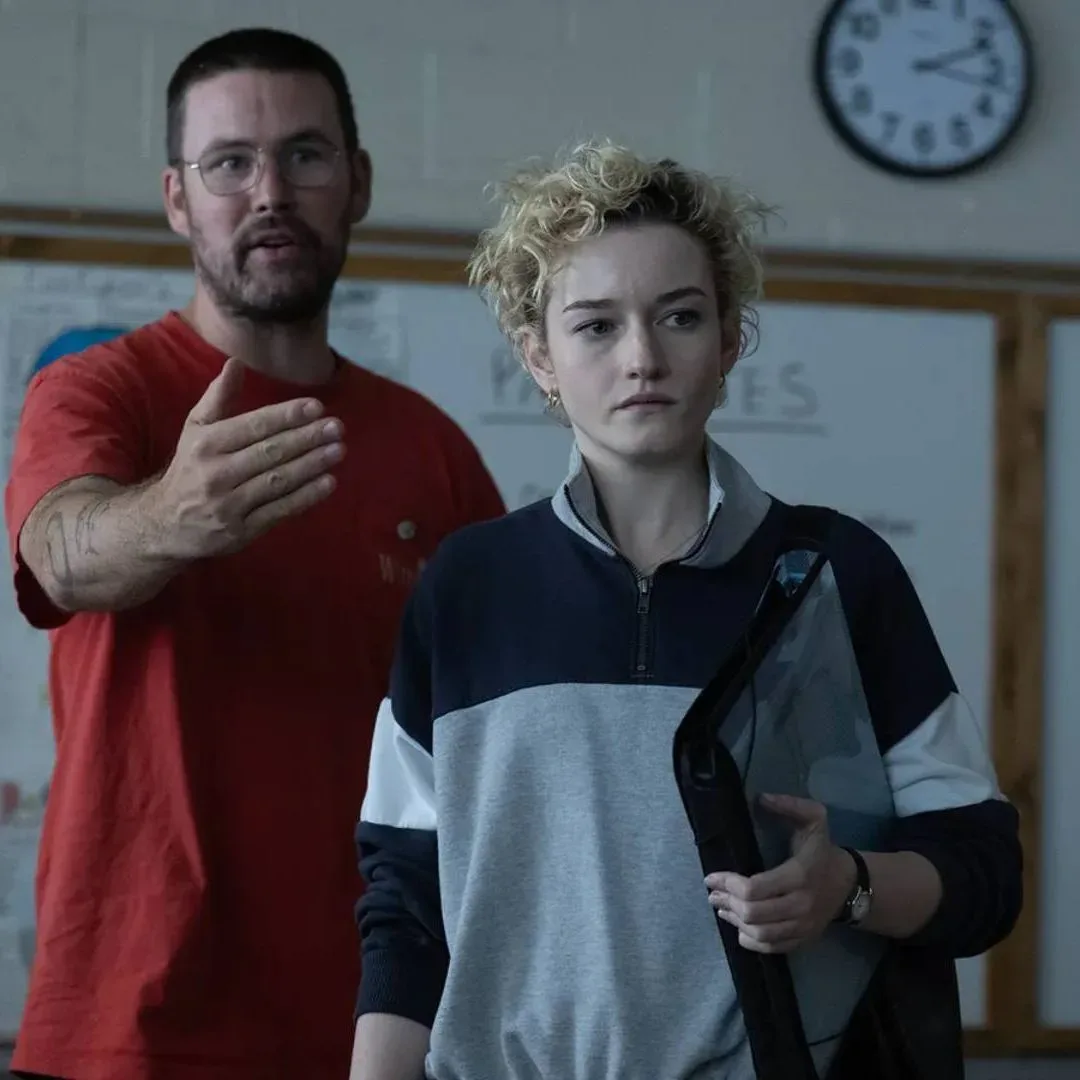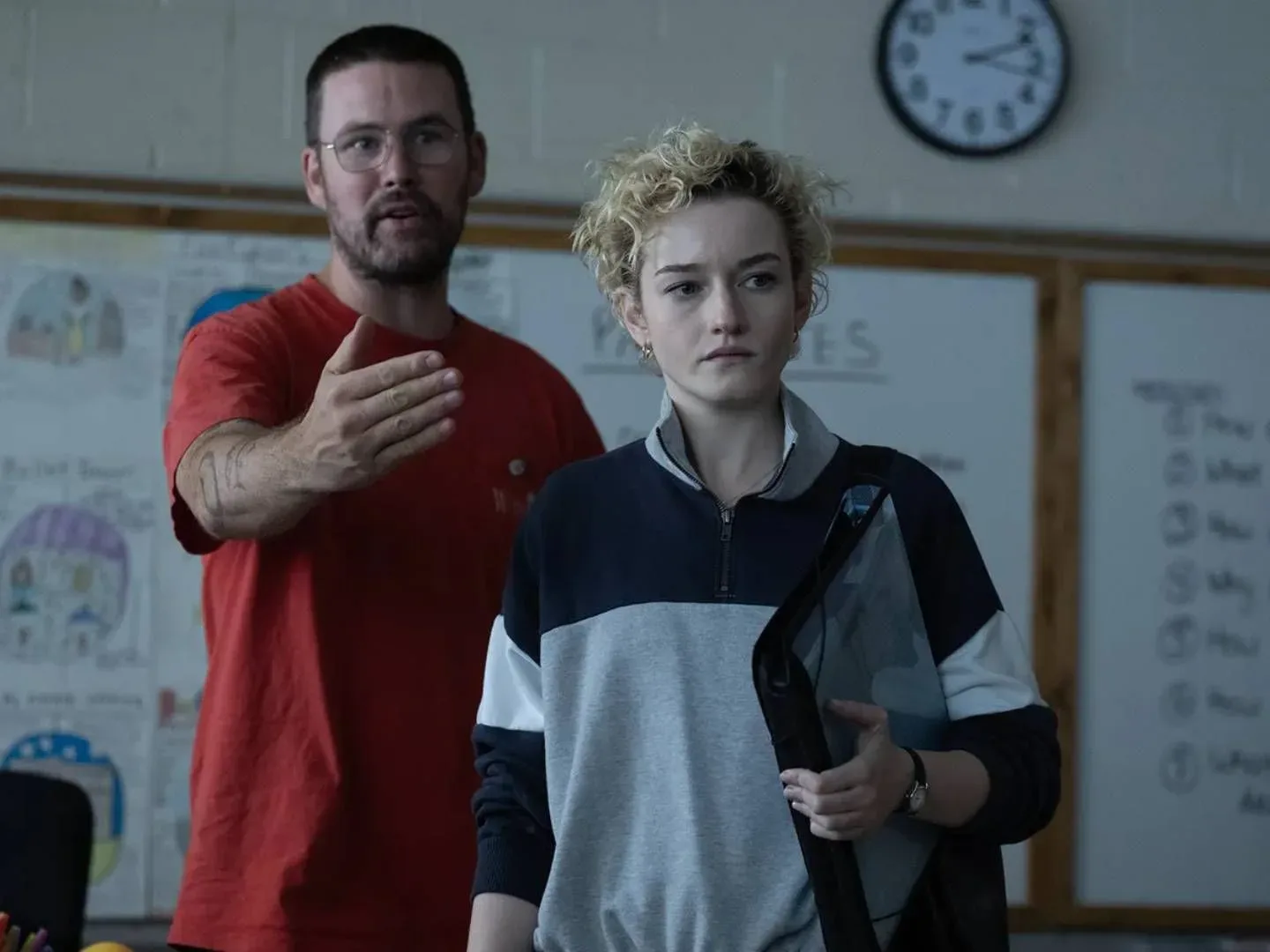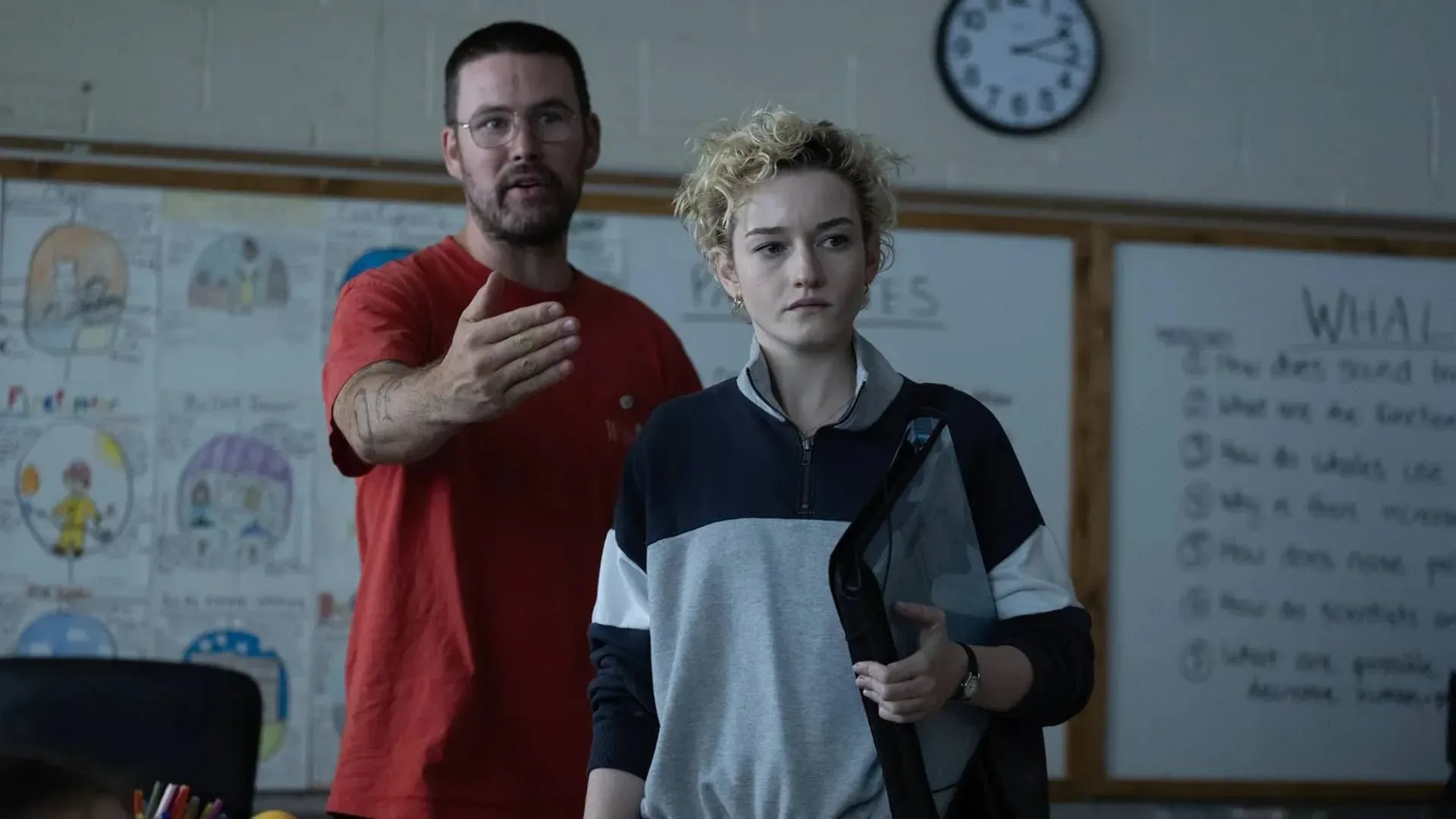
Zach Cregger has landed on a distinctly practical side of gaming’s physical-versus-digital argument: downloads suit him because discs do not survive his personal handling system. The filmmaker behind the forthcoming Resident Evil adaptation says he has owned physical media in the past, but repeatedly losing or damaging it has made a digital library the more comfortable option.
That is not quite the same thing as declaring the debate settled. Cregger also recognizes the central objection from physical-media advocates: a downloaded purchase can depend on continued access through the company and platform that provides it. His position is simply that the immediate convenience and reduced risk of misplacing an item outweigh the downsides for him.
“I’m not a physical media guy,” Cregger said. “I mean, I have been in my life, but I tend to lose and damage things very easily. So, I am not bent out of shape if I’m downloading a game, because at least it means it’s always going to be there when I need it.”
A preference based on space and keeping track of things
Cregger’s argument is notably less about declaring one format inherently superior than admitting what fits his own life. He says he does not have room for every game he wants to own in physical form, and that he has a habit of losing and breaking things. For someone in that position, a download means a purchase is tied to an account rather than a case that can be misplaced, scratched, loaned out indefinitely or otherwise vanish into a cluttered home.
That distinction matters. “Physical media” in this discussion means a tangible game disc, while “digital” generally means software acquired and accessed through an online storefront and a user account. A disc is an object a player can store and keep; a digital game is an entry in a library that is accessed through a platform’s systems. Both approaches solve different problems, and Cregger is plainly prioritizing fewer objects to manage.
His framing also places a little more attention on a point that can get lost in format debates: ownership is only useful in the everyday sense if a person can find and use what they own. A carefully stored shelf of games can be ideal for one player. For another, a searchable library may be the more reliable personal archive, even with broader questions hanging over digital access.
The concern Cregger does not dismiss
Importantly, Cregger does not wave away the response he expects from players who favor physical releases. He specifically acknowledged the concern that a game bought digitally may not always remain available if it is removed. “And, yeah, that’s too bad,” he said. “I don’t like that.”
This is the real tension at the center of his otherwise casual preference. When players raise fears around “ownership” in digital games, they are often talking about access: whether they will still be able to download, authenticate or play a purchase later. Cregger’s remark accepts that the reassurance of a library living online has limits. Digital convenience can feel permanent while the relevant service remains available, but players concerned about preservation want assurances that go beyond a present-day download button.
Related coverage includes Resident Evil Director Zach Cregger Is Comfortable Going Digital, Even as Physical Media Debate Intensifies.
Physical copies address some of that anxiety by giving buyers an item they can retain, trade or place on a shelf. But Cregger’s own experience illustrates their less romantic reality: discs and cases occupy space, can be damaged, and can be lost. Neither format is free of compromises. The priority changes depending on whether a person most values simplicity, room at home, durability, collecting, lending, long-term access, or the comfort of holding an item they purchased.
Why the debate has intensified
Cregger entered the conversation after a major PlayStation announcement stirred a strong response across the games business. The supplied details do not establish the precise terms or consequences of that announcement, so it would be premature to attach claims beyond the evident fact that it reignited arguments over the direction of physical and digital games.
Even so, the intensity is understandable. Format decisions do not only affect how someone gets a game on launch day. They can shape shelf space, resale and lending habits, the ability to build a visible collection, and a player’s confidence in revisiting purchases years later. For players who treat games as objects worth preserving, physical editions hold an appeal that is not reducible to installation convenience. For people like Cregger, avoiding a growing stack of vulnerable objects is itself a meaningful benefit.
The broader media conversation has the same fault line. Films, games and other entertainment can be easy to call up digitally without turning a room into storage. Yet a physical library offers a different kind of control and permanence in the minds of many buyers. Cregger’s comments arrive as entertainment figures continue to discuss how people experience movies as well as games; the case for the theatrical experience, for example, is another reminder that convenience is only one part of how audiences value media.
What Cregger’s position does — and does not — say
It would be easy to treat a filmmaker adapting a hugely recognizable game series as a spokesperson for an entire audience. His comments do not support that. They are a personal preference, stated with an awareness that plenty of people will disagree. He has not argued that concerns around digital availability are imaginary; he has said that, for his habits and living space, downloads remain the option he is happy to use.
That modesty is why the comments are more useful than another round of format tribalism. Cregger is not presenting digital access as a flawless substitute for physical ownership. Nor is he describing discs as obsolete. He is identifying the trade he personally makes: less physical clutter and fewer lost or broken items in exchange for reliance on digital delivery.
Players can reasonably make the opposite trade. Someone who keeps a well-organized collection may feel safer with discs. Someone who travels, lives in a smaller space, or has suffered through a scratched disc may reach Cregger’s conclusion. Many people will also use both, buying particular favorites physically while relying on downloads for the rest of their library.
Resident Evil remains the more immediate test
The format debate is a side conversation to Cregger’s larger current project. His Resident Evil film is scheduled to arrive in theaters on September 18, 2026. The supplied material offers no further details about its story, cast, production approach or connection to particular games, so those elements remain outside the scope of what can be established here.
For now, Cregger has offered a clear answer to a question that often turns into a culture-war shorthand. He is comfortable downloading games because it prevents a familiar personal failure mode: losing or damaging physical media. At the same time, he understands why that answer will not reassure players who see enduring access as the fundamental issue. In a debate usually framed as one side winning and the other losing, that is a more candid answer than it first appears.