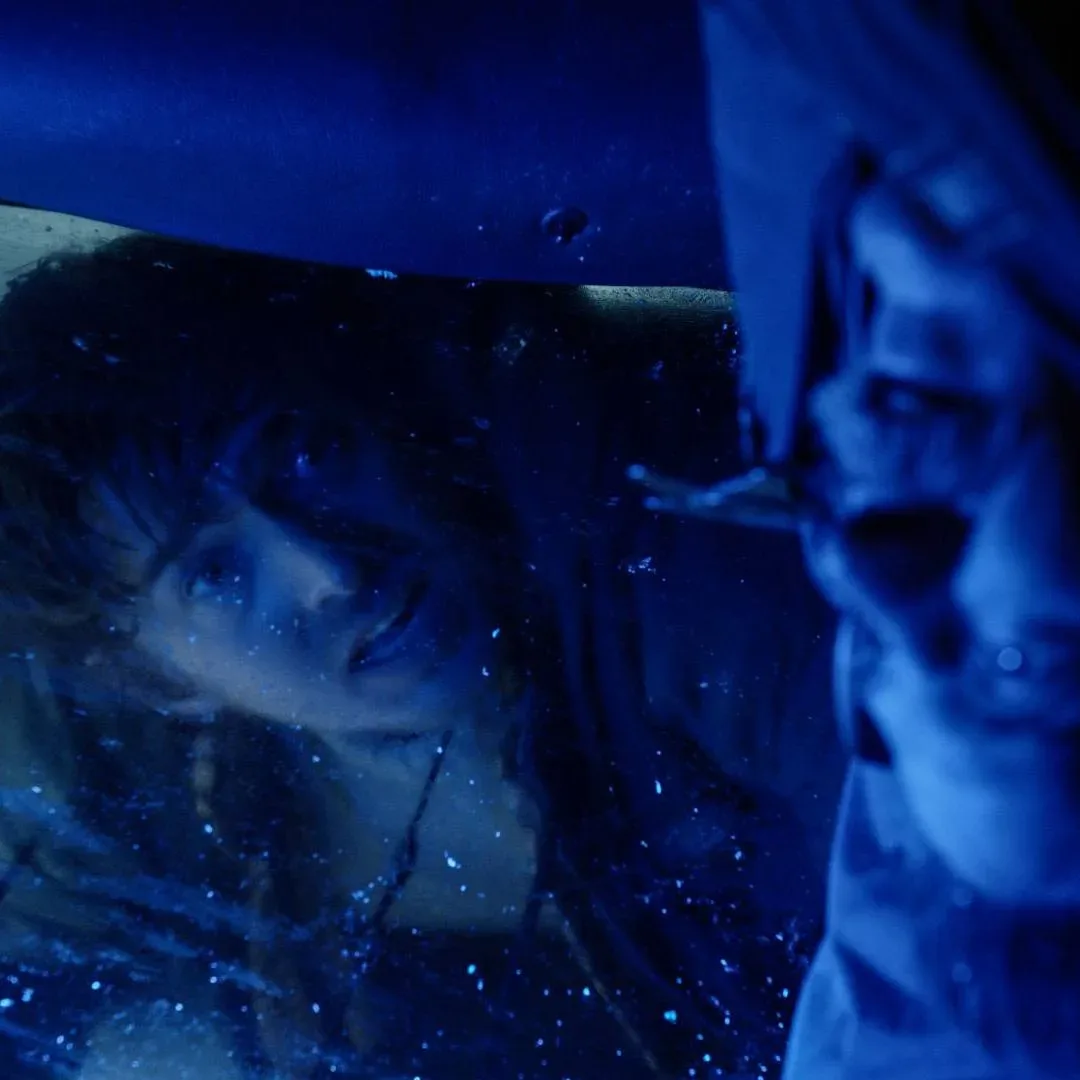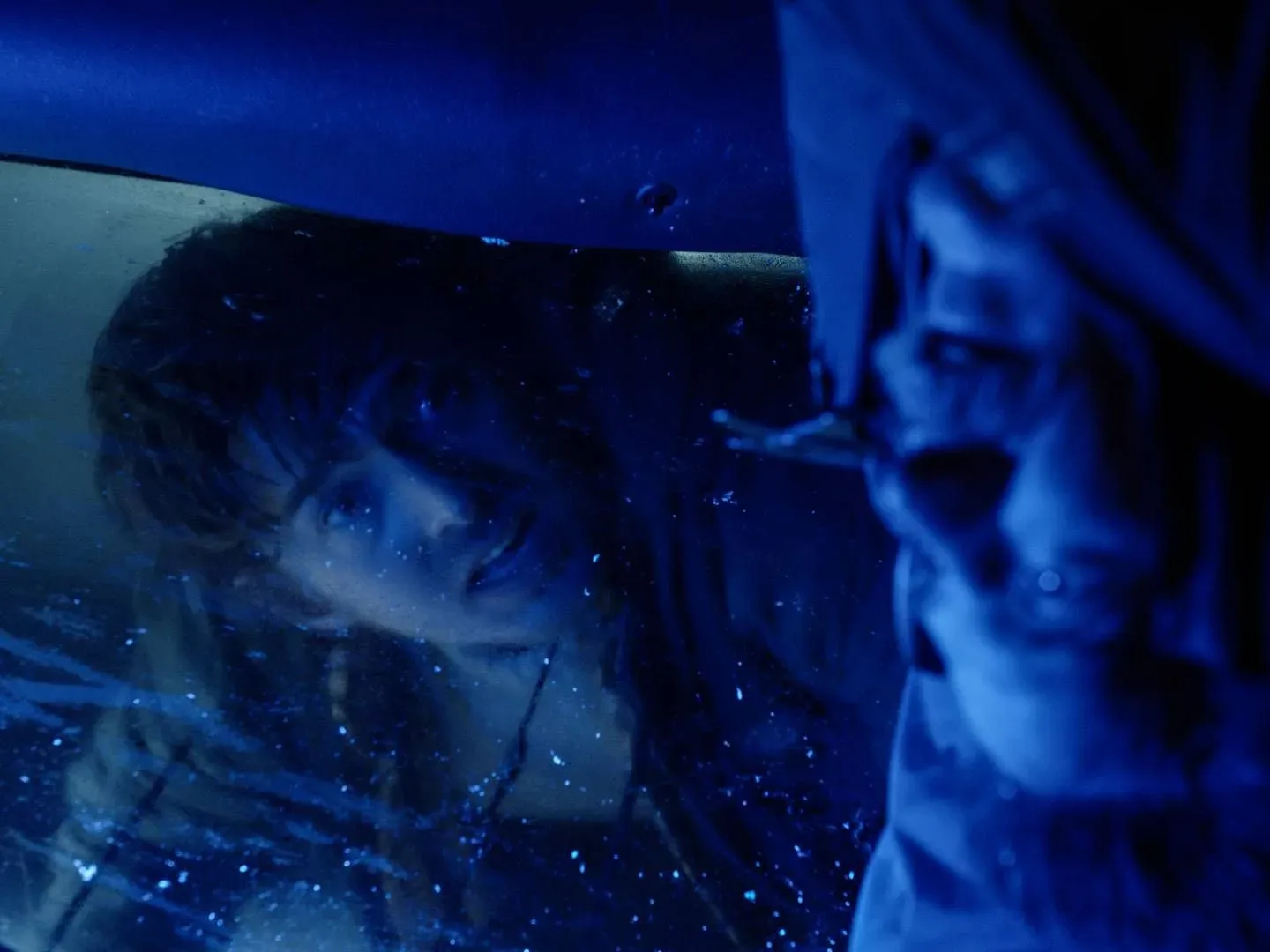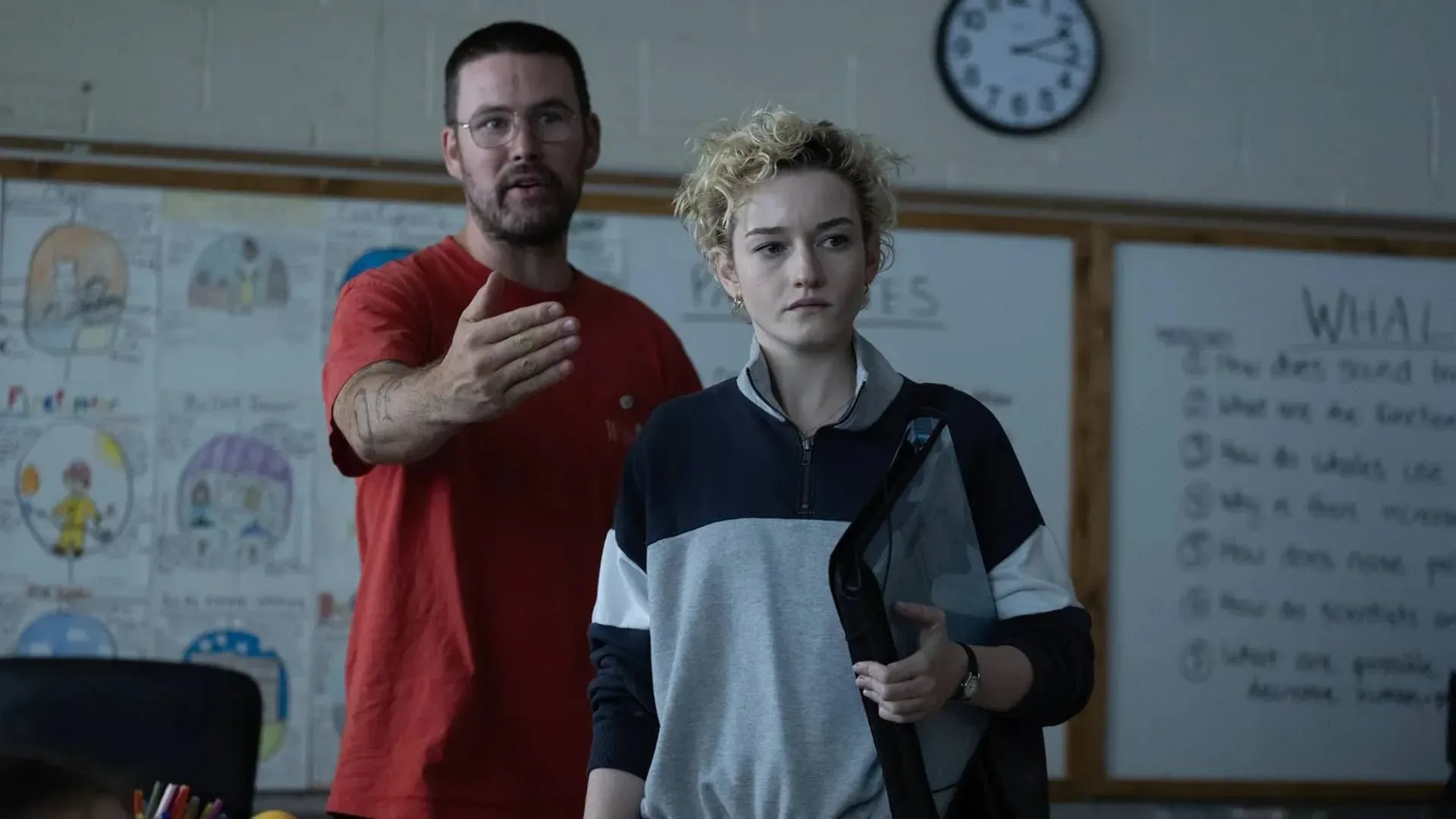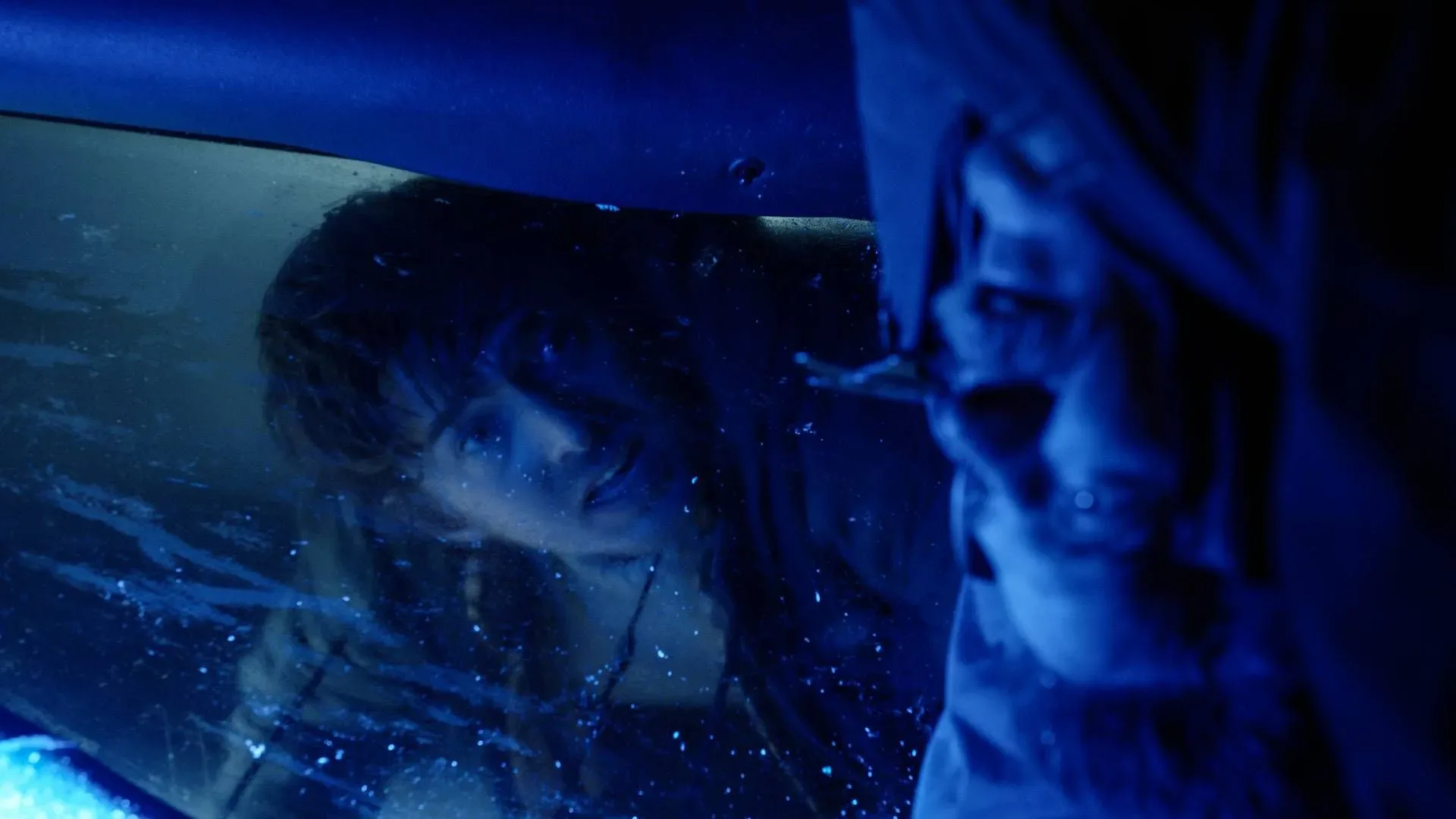
Hideo Kojima has shared an enthusiastic reaction to Zach Cregger’s Resident Evil, arguing that the film reaches beyond straightforward game-to-screen adaptation and instead recreates something closer to the experience of being a frightened player at the controls.
In a social-media post, Kojima said he watched the film because it was directed by Cregger, despite initially not being especially interested. His response focused on its horror language: music that evokes The Thing, traditional horror staging, escalating frightening situations and a sustained run of jump scares. More significantly, he said the movie reminded him of playing the original Biohazard—the Japanese title for Resident Evil—on PlayStation in 1996.
That is a revealing point of praise from a game creator. Kojima did not frame the movie principally as a faithful retelling of one particular game’s plot. He described it as a film about the people playing Resident Evil, using the phrase “remote control operators” to put the emphasis on player anxiety, repeated failure and the urge to swear at the screen after another game over.
A film positioned beside Resident Evil 2, not inside one game’s script
Cregger’s film uses the wider lore of the long-running horror series, but it is not presented as a direct adaptation of a single entry. Its story sits on the periphery of Resident Evil 2. That distinction matters because the series has accumulated a substantial web of settings, characters, monsters and incidents across games. A movie can borrow that atmosphere and vocabulary without being obligated to reproduce every event, encounter or location in exact sequence.
For players, direct adaptation can be a loaded idea. Games are not only plots. They are spaces to navigate, systems to learn and dangers to survive. A movie cannot hand the audience a controller, but it can try to dramatize the sensations associated with one: uncertainty before opening a door, dread about what may be around a corner, panic after an error, and the mounting pressure of survival when a safe outcome never feels guaranteed.
Kojima’s reaction suggests that Cregger’s approach is aimed at that latter territory. Rather than treating familiar franchise material as a checklist of references, his reading is that the film turns the player’s emotional rhythm into its own subject. The comparison to the 1996 original is especially notable because it points to fear created not simply by an enemy design or a plot twist, but by helplessness and repetition.
What Kojima means by “game over” horror
When Kojima recalls repeatedly seeing “game over” and firing off expletives, he is describing an essential part of early survival-horror tension. Failure is not merely a setback in this kind of game. It is an interruption that tells the player they misread a threat, lacked resources, lost track of a route, or reacted too slowly. The player returns knowing that danger still lies ahead, often with a sharper awareness of how badly the prior attempt went.
That loop is difficult to translate literally to film, where an audience cannot retry a scene. But a horror movie can create an analogue through pacing and perspective. Characters can make decisions with incomplete information. Threats can appear suddenly or remain unseen long enough for viewers to anticipate them. The narrative can keep moving after a disaster rather than offering immediate reassurance. A sequence of shocks, close calls and consequences can communicate the same sense that survival is provisional.
Related coverage includes Hideo Kojima Praises Zach Cregger's Resident Evil for Recapturing the First Game's Fear.
In this context, Kojima’s “remote control operators” description is not just a joke about video-game inputs. It captures a divide between watching a character and identifying with someone whose decisions feel like they might have been yours. The original Resident Evil experience asks players to guide vulnerable characters through hazards while managing uncertainty. Kojima’s response indicates that Cregger’s film made him think back to that role, including its frustration as well as its fear.
Classical staging and jump scares are different tools
Kojima also separates two horror approaches that are often bundled together. “Classical horror staging” broadly refers to the way scenes arrange space, sound, timing and what the viewer can or cannot see in order to produce tension. A doorway, an empty corridor, a pause before a reveal, or a character moving into a partially obscured space can all be staging choices. The tension works before anything leaps into view.
A jump scare, by contrast, is a sudden, immediate shock—usually a rapid reveal or burst of sound designed to trigger a reflexive reaction. Jump scares can be effective, but they depend heavily on buildup. Kojima’s comments suggest he saw both approaches operating together: an old-school foundation of ominous setups, followed by frequent sharper shocks.
His reference to music “in the style of The Thing” likewise speaks to mood rather than a claim that the films are the same. Background music, often shortened to BGM, guides the audience’s expectations before a threat is confirmed. It can make a quiet setting feel unsafe or sustain pressure when the camera is showing relatively little. In a franchise associated with claustrophobic spaces and biological horror, that tonal groundwork can be as important as any overt creature moment.
Why the 1996 comparison carries weight
The original PlayStation Resident Evil is central to the identity of the series, including the survival-horror formula many players associate with it. Kojima specifically says the new movie returned him to how he felt when he played that first Biohazard in 1996. This is a personal response, not an assertion that the film mechanically recreates the original game. Still, it identifies the emotional standard he believes the movie reaches.
It also provides a useful lens for people deciding what kind of adaptation this may be. The relevant expectation is not necessarily a scene-for-scene trip through a familiar campaign. It is horror-comedy shaped by suspense, bloody material, surprise and the feeling of being caught in an escalating scenario. The supplied assessment of the film likewise characterizes it as frightening, funny and exceptionally gory, with Cregger continuing a strong run.
That leaves room for viewers who know every game and for people who do not. Franchise recognition may enrich individual details, particularly given the connection around Resident Evil 2, but the player-centric idea described by Kojima is broader. Getting lost, making a bad call under stress and suffering the consequences are legible feelings even without knowledge of the series’ deeper lore.
Adaptation does not have to mean duplication
Video-game films are often judged by their literal faithfulness: whether an iconic character appears, whether a location looks right, whether a famous sequence is reproduced. Those can be fair questions, particularly for a series with decades of fan attachment. Yet Kojima’s reaction highlights another measure: whether the work understands the particular emotion that made people care about the game.
For Resident Evil, that emotion is not one thing. The franchise has ranged across action, puzzle-solving, science-fiction conspiracy, grotesque biological imagery and co-operative mayhem. The 1996 game, however, remains a potent reference point for contained dread and repeated setbacks. By locating the movie adjacent to Resident Evil 2 while making a viewer think about the original, Cregger’s version appears to be drawing from the series as a shared horror language rather than adapting a single script beat for beat.
That strategy may also avoid one frequent adaptation problem: the assumption that plot alone is what transfers from an interactive work. In games, the time spent hesitating, failing and trying again creates investment. Film needs other methods—performance, editing, sound, staging and escalation—to give the audience a comparable feeling of participation. Kojima’s post argues that the new Resident Evil succeeds by recognizing that gap rather than ignoring it.
The broader conversation around gaming adaptations continues to include questions of format and preservation as well as storytelling; for instance, Nintendo has said it has no plans to abandon physical games amid the ongoing disc debate. Physical releases remain a live issue for game audiences, while films such as Resident Evil show how game worlds can be reinterpreted in a different medium without simply replacing the original experience.
Kojima’s response, with the caveats intact
Kojima’s post is clearly positive, but it should not be stretched beyond what he said. He praised the film’s atmosphere, barrage of scares and ability to revive a specific memory of the first game. He did not claim it was a one-to-one adaptation, and the film itself is explicitly not framed that way. His remarks are also a personal reaction, enriched by his own history with the PlayStation original.
There is a small note of levity in his account, too. He describes the memory through repeated failure and an exasperated outburst, which is a recognizably human version of horror-game nostalgia. The appeal of a game like early Resident Evil was never that players remained cool and composed. It was that the game could make losing feel terrible, startling and, eventually, memorable.
Cregger’s film seems to have found a way to turn that memory into a cinematic compliment. For Kojima, its achievement is not merely that it contains Resident Evil lore. It is that, for a while, it made him feel like he was back at the PlayStation, confronting another catastrophe and wondering how he had managed to get himself killed again.