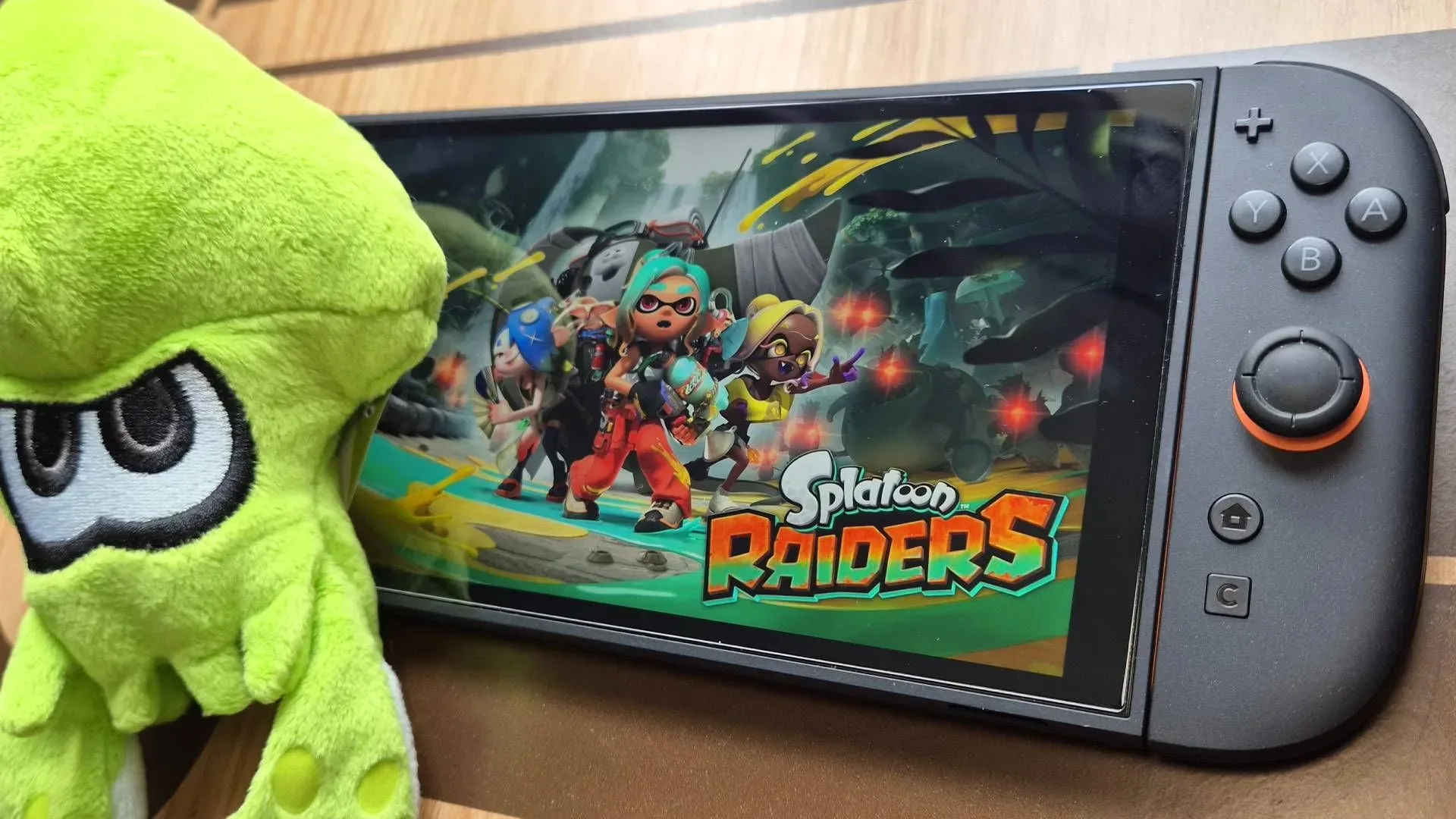
Nintendo has no current plan to stop selling physical games, according to Bill van Zyll, the company’s vice president and general manager for Latin America. The executive described Nintendo’s position as consumer-led and “agnostic” between physical and digital formats, while pointing to Switch 2 support for both.
That is a measured statement rather than a permanent guarantee about every future product or platform. Still, it is a meaningful one at a moment when the distinction between a game sold in a box and a game stored on a physical cartridge or disc has become increasingly important to players.
“There’s no plans to ditch physical,” van Zyll said. “We know how much the fans like it as well, so our position has been to be agnostic.”
What Nintendo means by an “agnostic” approach
In this context, agnostic does not mean physical and digital games are identical products. It means Nintendo is not presenting either delivery method as the only preferred route for its audience. Van Zyll said the company takes consumer preference heavily into account, and noted that its newly launched Switch 2 platform supports both physical and digital games.
For buyers, that matters because the two formats offer different kinds of flexibility. A digital purchase is tied to an online storefront and an account ecosystem. A conventional physical release provides a cartridge that contains game data, even though updates, patches, downloadable content and online services can still depend on internet access. Neither format eliminates every preservation or access concern, but they create very different ownership and resale expectations.
Nintendo’s position is also not a promise that every release will arrive on a standard game card. Instead, it says the company does not presently intend to eliminate physical games as an option. That distinction is worth retaining as the company continues to use more than one type of boxed release.
Why Game Key Cards changed the conversation
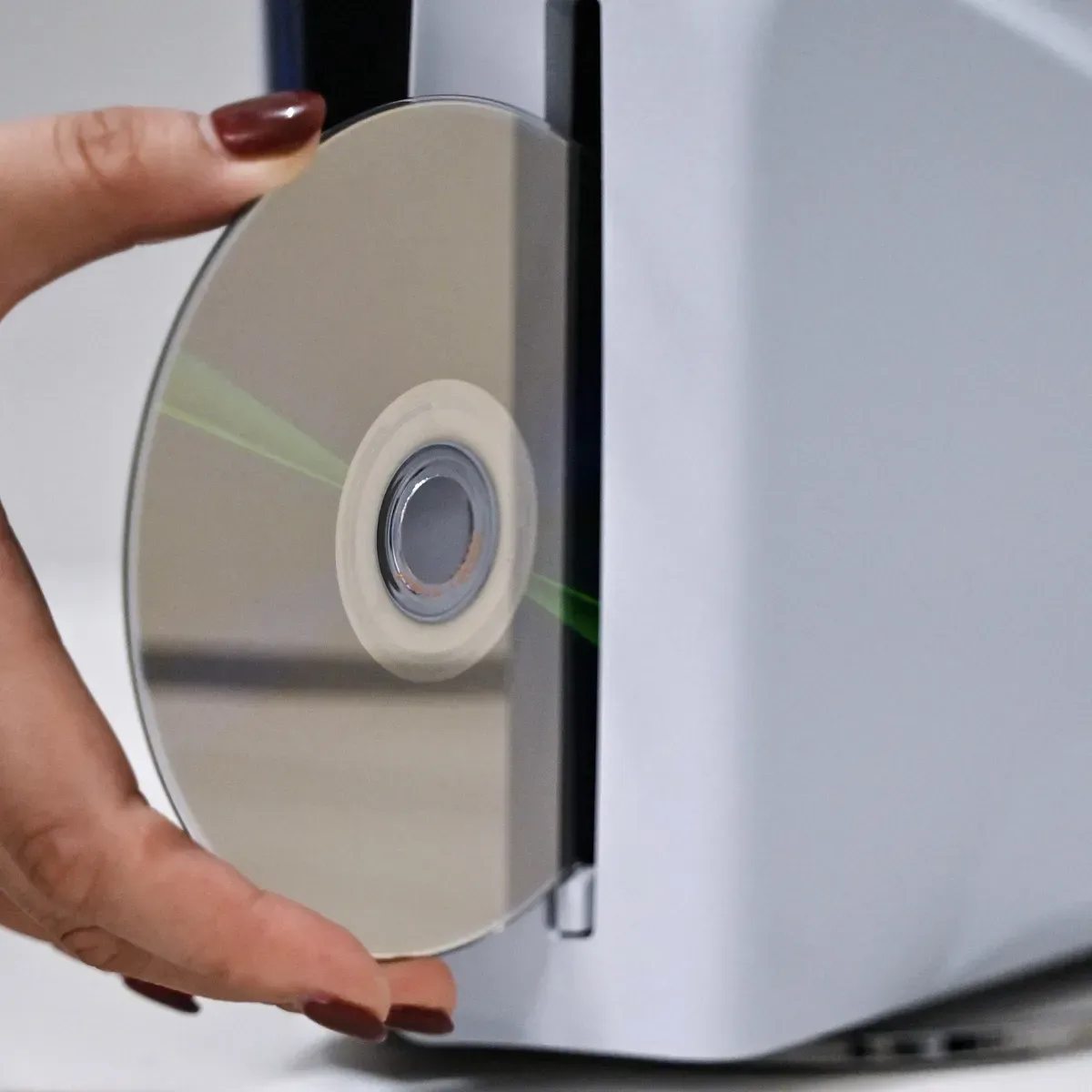
The debate intensified after the arrival of Game Key Cards. These are physical cartridges that let a buyer download a game, but do not themselves contain the game’s data. In practical terms, the card acts as a physical key to a digital download rather than as a complete game cartridge.
That format resembles a middle ground on the store shelf: there is a box and a cartridge to buy, lend or display, but installation requires the game to be downloaded. For players concerned with long-term access, the concern is clear. If a future download is unavailable, a Game Key Card cannot by itself provide the software it unlocks.
Related coverage includes Nintendo Says It Has No Plans to Abandon Physical Games as Disc Debate Intensifies.
This does not mean every physical release carries the same preservation value. A traditional cartridge can still require updates, and a modern game can be incomplete without online features or post-launch fixes. But a cartridge containing playable data reduces reliance on a future download compared with a card containing no game data at all. That is why the wording on a game’s packaging and the exact kind of cartridge included have become much more consequential for shoppers.
For now, Nintendo’s first-party output offers a cautiously encouraging sign for buyers who want data-bearing cartridges. Every first-party release other than Pokémon Pokopia and the upcoming Hyrule Warriors: Age of Calamity – Definitive Edition has been an actual physical release rather than a Game Key Card release. It is a snapshot of the current lineup, not a stated rule for all future games, but it suggests Nintendo has continued to ship conventional physical products broadly.
Physical media is under pressure elsewhere
Nintendo’s comments land against a louder industry-wide argument about what “physical” will mean in the years ahead. Rockstar Games’ GTA 6 is set to be released exclusively as a code-in-box product, meaning buyers receive a retail package but not a disc or cartridge containing the game. Sony has also announced plans to end discs for new PlayStation games in 2028.
A code in box release is more straightforwardly digital than a Game Key Card. It is retail packaging with a redemption code, not a playable medium. Its usefulness is dependent on the relevant storefront and the buyer’s account. It can suit people who prefer buying a boxed gift or who shop at physical retailers, but it does not provide the practical benefits that collectors and preservation-minded players usually associate with discs and cartridges.
The consumer appetite for discs has not disappeared simply because digital storefronts are central to modern gaming. Reported launch sales for Marvel’s Wolverine were 35% physical, an indication that a substantial share of customers still selected the disc edition even as Sony prepares to discontinue discs for new PlayStation releases in 2028.
That figure should not be stretched beyond what it says: it concerns one game’s launch sales, not every platform, region or audience. Yet it does underline the fundamental point behind Nintendo’s consumer-preference framing. Digital convenience has not made physical formats irrelevant to everyone.
What to check before buying a boxed game
Van Zyll’s comments will reassure players who see physical media as important, but a box alone is no longer enough information. The practical question is what the package actually contains. Buyers who specifically want a playable cartridge or disc should pay attention to the release type before purchasing.
- Look for the format: Determine whether the product includes a game cartridge or disc, a Game Key Card, or merely a digital redemption code.
- Separate “physical retail” from “physical software”: A boxed product can still require a download before the game can be played.
- Consider future access: Download-dependent releases rely more heavily on ongoing store and account availability than media carrying game data.
- Expect updates either way: A data-bearing disc or cartridge is not necessarily the final or complete version of a game, particularly for titles that receive patches or use online systems.
- Keep the wording in perspective: Nintendo has said it has no plans to ditch physical games now; it has not committed to one identical packaging method for every title.
These distinctions are particularly relevant to collectors, families sharing games, and players in places where downloading large files is inconvenient. They also affect second-hand use. A conventional game cartridge has a different role in resale and lending than a one-use code, while a Game Key Card occupies an unusual space: it is a transferable physical object, but the associated game is obtained digitally.
A current commitment, not a forever pledge
The strongest reading of Nintendo’s statement is also the most restrained. The company is not abandoning physical games at present, it recognises fan interest in the format, and Switch 2 is designed to accommodate physical and digital purchases. That is the immediate news.
It does not settle the longer-term question of how Nintendo will package every major release, how frequently Game Key Cards will appear, or what a future hardware generation might support. Companies can change distribution strategies as storage needs, retailer demand and customer behaviour change. Van Zyll’s emphasis on consumer preference leaves room for that evolution.
For the moment, however, Nintendo remains distinct from a direction represented by code-in-box releases and Sony’s announced 2028 disc plan. Players who value a cartridge containing game data have reason to watch the individual release details closely, but also reason to note that Nintendo’s current policy has not turned away from physical games altogether.
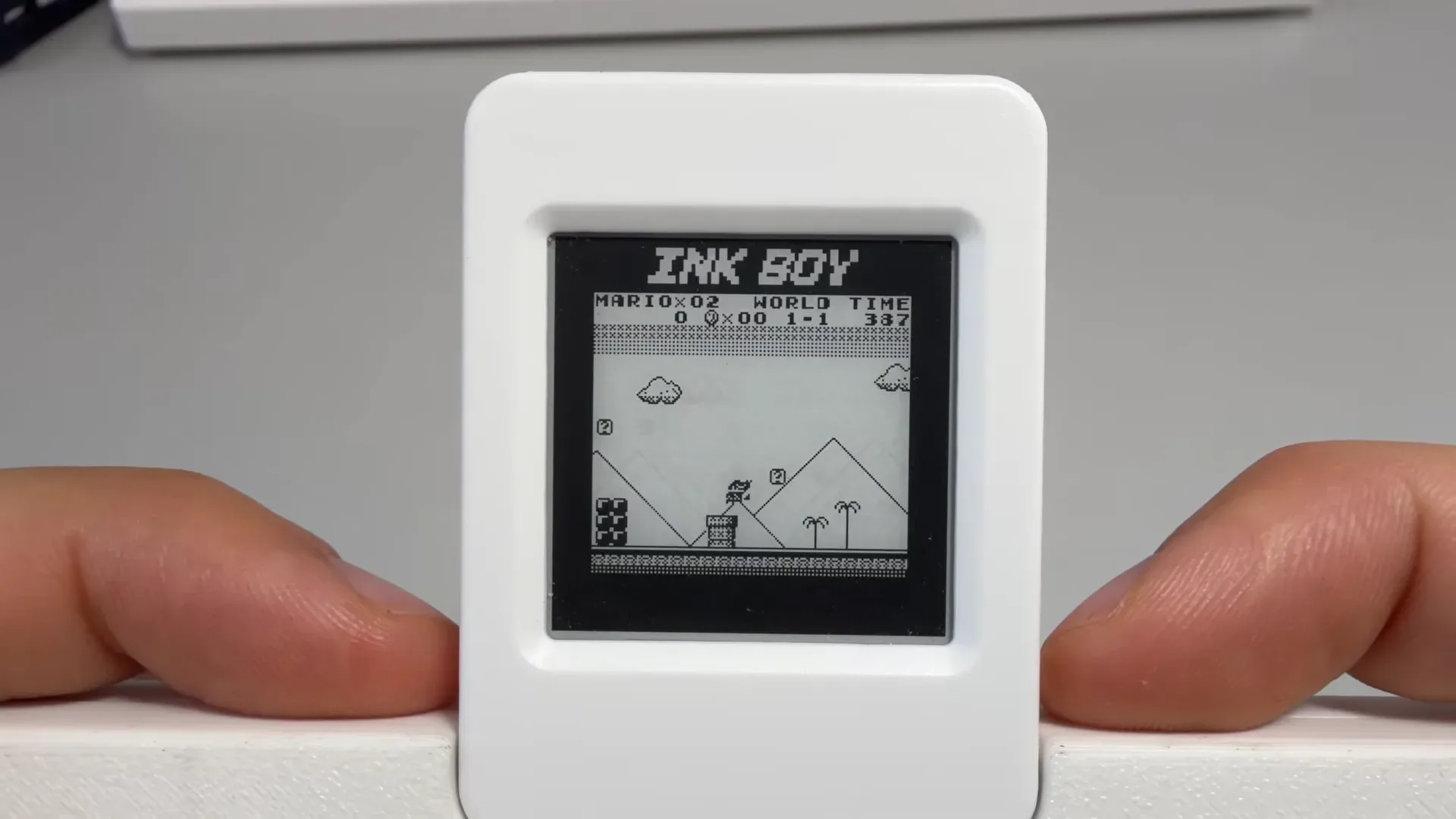
The topic also reaches beyond new releases. Physical formats are central to how older games remain playable, discoverable and collectable long after their original storefronts or services change. That interest continues to show up in projects such as the Ink-Boy E-Ink Game Boy project, where game hardware and tangible controls remain part of the appeal. Nintendo’s present stance will not end the debate over digital access, but it keeps physical buying as a live option on one of gaming’s biggest platforms.