For a medium built around hardware that ages, storefronts that can close, and online systems that eventually go quiet, the physical-versus-digital argument can sometimes obscure a bigger problem: whether people will be able to play a game at all in the future. That is the point Hideki Kamiya has emphasized while discussing the increasingly heated debate around how games are bought, stored, and preserved.
Kamiya, whose career includes work connected to Resident Evil 2, Devil May Cry, Ōkami, and Bayonetta, said he personally purchases games digitally rather than physically. But his position is not really a victory lap for all-digital distribution. Instead, it is a call for rights holders to ensure games do not become inaccessible as technology changes.
In a September 2 interview, Kamiya said every game he buys now is digital and that the industry’s movement in that direction was unsurprising to him. More importantly, he framed the physical-disc question as secondary to the obligation of publishers and other intellectual-property owners to keep games available for later players.
“Whether that’s physically or digitally is less important to me,” Kamiya said, explaining that his priority is for games to remain available to people in the future.
It is a practical distinction. A disc can be a useful piece of preservation infrastructure, but it is not a universal guarantee that a game will work forever. A digital release can make an old game easy to acquire on new hardware, but it can also disappear if licensing expires, a store delists it, or the owner decides not to support it. Neither format settles preservation by itself.
The preservation question behind the format debate
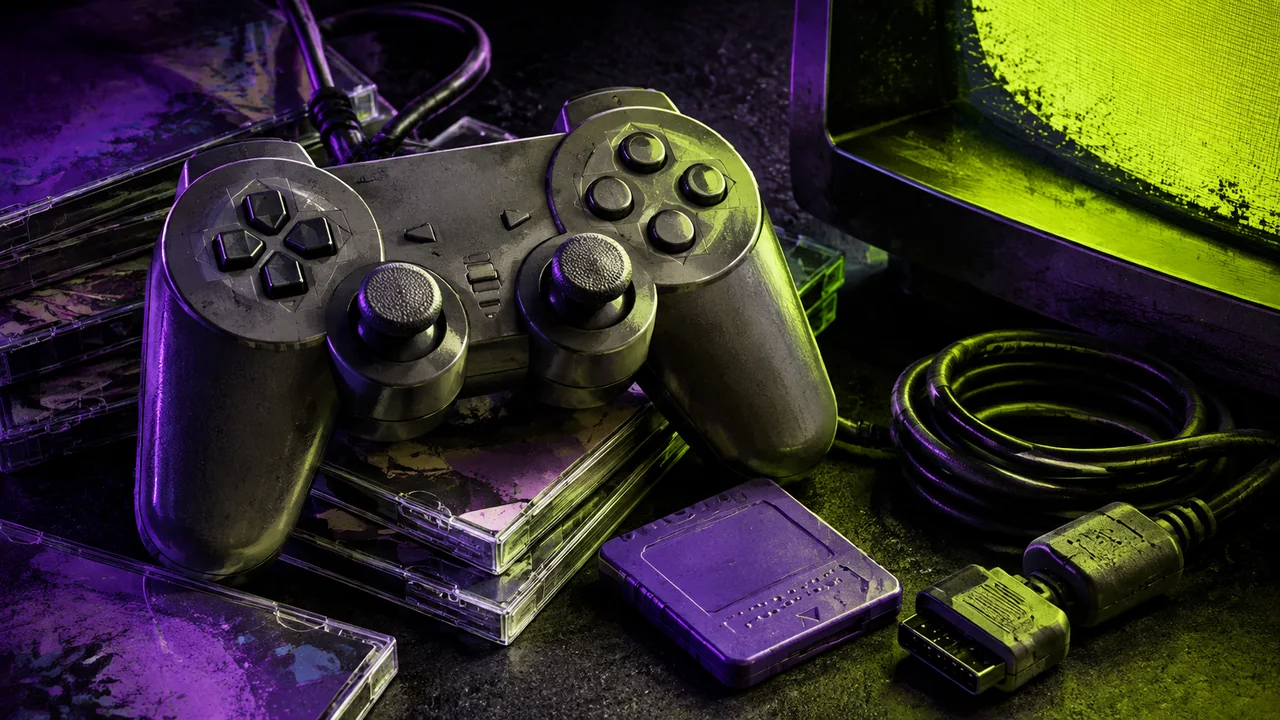
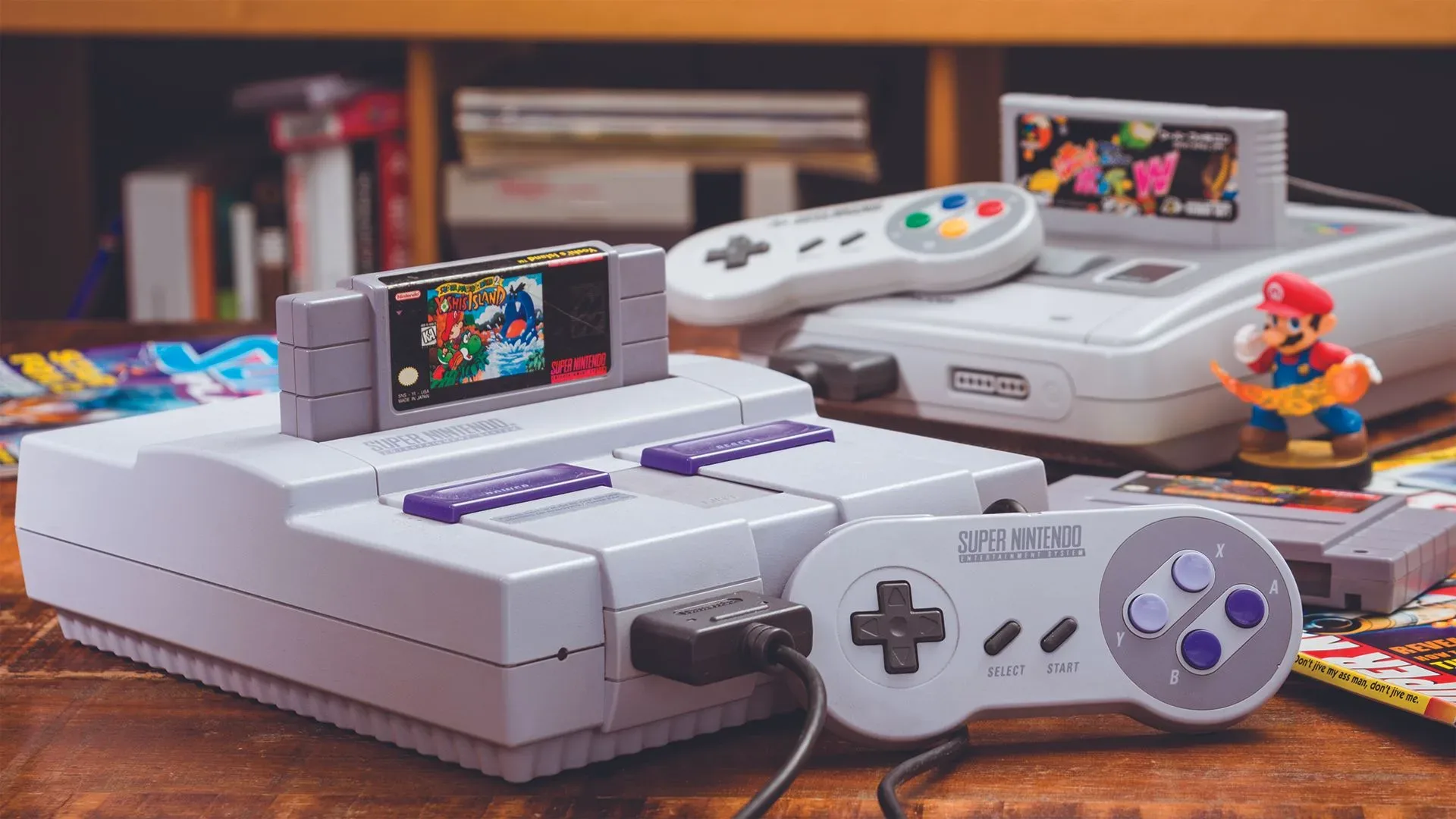
Physical media gives players something tangible: a box, a disc or cartridge, and often a route to play without depending on a current storefront listing. For collectors, that material object also carries historical value. Manuals, cover art, regional variants, disc labels, and even the odd production quirk can tell a story that a library icon on a console dashboard does not.
Yet physical ownership has caveats. Modern games may need patches to perform as intended. Some releases ship with only part of their content on the disc, while online features, downloadable expansions, account systems, and server-side functionality can remain essential. A perfectly preserved disc is not necessarily a perfectly preserved game experience.
Digital distribution solves other problems elegantly. It can bring older titles to newer devices, reduce the need for specialized cables and aging console hardware, and put games in front of an audience that missed them the first time. Anyone reviving an older console setup knows that simply getting the right connection is its own mini-adventure; our guide to mapping a retro console’s HDMI adapter connection shows why modern compatibility is often more complicated than plugging in a beloved machine and pressing power.
Related coverage includes Hideki Kamiya Puts Game Preservation Ahead of the Physical vs. Digital Divide.
But ease of access is not permanence. Digital catalogs are controlled catalogs. A customer may have access to a purchase while the platform and its agreements remain in place, but the ability to download, transfer, authenticate, or play the title can depend on decisions beyond that customer’s control. For games designed around online service, the dependency can be even greater.
Kamiya’s point cuts through the tendency to treat one side as automatically virtuous. Preservation is an active task. It requires work by the companies holding the rights, collaboration with hardware-platform owners, careful archiving, technical maintenance, and sometimes the willingness to revisit old agreements that made a release possible in the first place.
Old games are culture, not merely catalog inventory
Kamiya also stressed that accessibility is valuable beyond the simple pleasure of replaying an old favorite. Games are cultural artifacts. They document design trends, technical limitations, artistic choices, business models, and the evolving language of player interaction. When a game cannot be played on modern hardware and has no legal avenue for access, part of that history becomes harder to study and discuss.
This matters especially because game history is not a clean, continuously available shelf. Many classic releases remain tied to discontinued machines. Others have been stranded by expired music licenses, corporate mergers, dissolved studios, controller-specific features, or rights arrangements that are difficult to untangle. Even prominent titles can spend years unavailable through ordinary legal channels.
Re-releases, remasters, collections, and full remakes have become one response. They can be commercial projects, certainly, but they also give newer players a way into works that might otherwise require aging hardware, specialist knowledge, or expensive collector-market purchases. They let longtime players return without excavating a box of AV cables from a closet.
Still, a remake is not always the same thing as preserving the original. It may revise art direction, mechanics, performances, pacing, controls, or narrative details. A remaster may be closer, but can also be delisted later. Ideally, preservation efforts make room for both: new interpretations that introduce a game to contemporary audiences and dependable access to the work that originally existed.
Why live-service games make the stakes sharper
The debate becomes more urgent with games whose core functions live on remote servers. When official support ends, an online-only game can become unusable overnight even if players have paid for it. A boxed edition does little in that circumstance, while a download license cannot revive an absent server.
That issue has helped fuel player-led preservation and consumer-rights advocacy. The Stop Killing Games movement has argued for legal protections that would address games rendered inoperable after support ends. The movement reportedly recently joined a Dutch consumer organization in legal action involving PlayStation, seeking a framework that would require publishers to maintain or provide a workable path for live-service titles after official server support concludes.
The Video Game History Foundation represents another part of the preservation landscape, concentrating on collecting, teaching, and celebrating the medium’s history. Such efforts underline that preservation is larger than a single platform holder or format. Researchers, libraries, collectors, hobbyists, developers, museums, and fans all have roles, though rights holders retain particular power over what can be reissued and how.
Reports of a disc-free PlayStation future have intensified discussion
Kamiya’s comments arrived amid reports that PlayStation plans to stop producing physical game discs beginning in January 2028. Those reports have energized resistance from players who see discs as a consumer choice, a resale option, and a hedge against delistings or changing platform policies. The long-term implications would depend on the precise scope and implementation of any such move, and on what access options remain available.
There have also been reports of a Mexican antitrust action tied to the prospective end of physical discs, alleging anti-competitive practices. These developments should be understood as part of an ongoing dispute, rather than as a settled answer to how console distribution will work in the years ahead.
For collectors, an all-digital direction raises obvious concerns. Physical copies can be loaned, traded, resold, displayed, and retained independently of a particular account. They are not invulnerable—discs can rot, cartridges can fail, and hardware needs care—but they grant a kind of autonomy that digital ecosystems do not always replicate.
For players who primarily buy downloads, the desired outcome may look different but overlap substantially: a stable way to recover purchases, play older libraries on newer machines, and avoid seeing games vanish without warning. Both groups have an interest in continued access. The disagreement is often over which safeguards count as sufficient.
Availability is the standard worth demanding
Kamiya’s stance does not dismiss physical collecting or pretend that platform stores are permanent archives. It sets a broader test: can future players actually experience the game? If the answer is no, then the particular route by which it originally reached customers offers limited comfort.
That standard leaves room for discs, cartridges, backward compatibility, curated collections, remasters, emulation where legally authorized, offline patches, server transition plans, and institutional archives. No one method will fit every game. A single-player title from an older console faces different obstacles from a multiplayer game built around live operations, and both differ from a work caught in licensing limbo.
The key is that preservation cannot be treated as an accidental byproduct of selling games. It needs to be considered while games are being distributed, updated, licensed, and eventually retired. Kamiya’s argument is ultimately less about choosing a plastic case or a download button than it is about keeping the medium’s playable past from becoming a locked room.