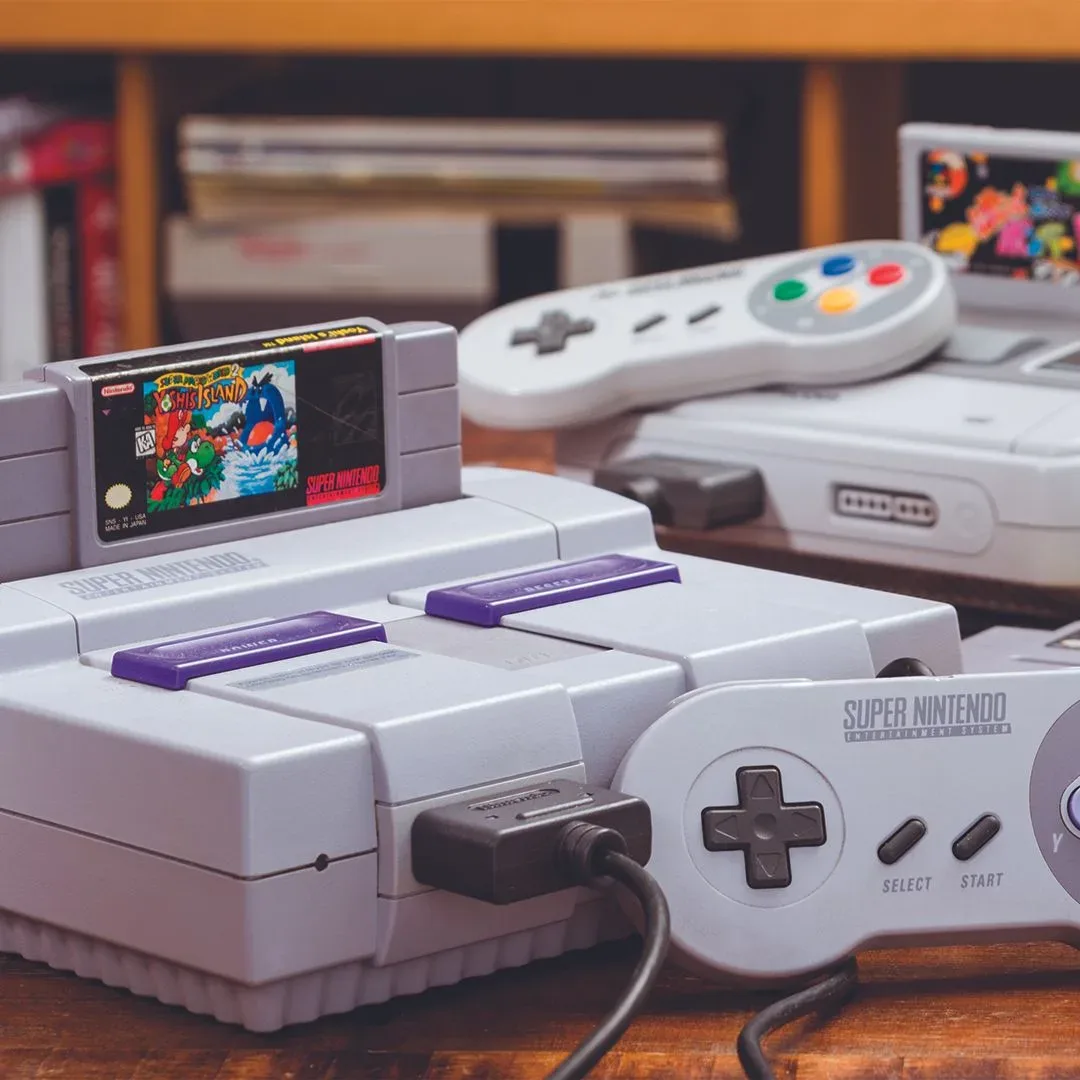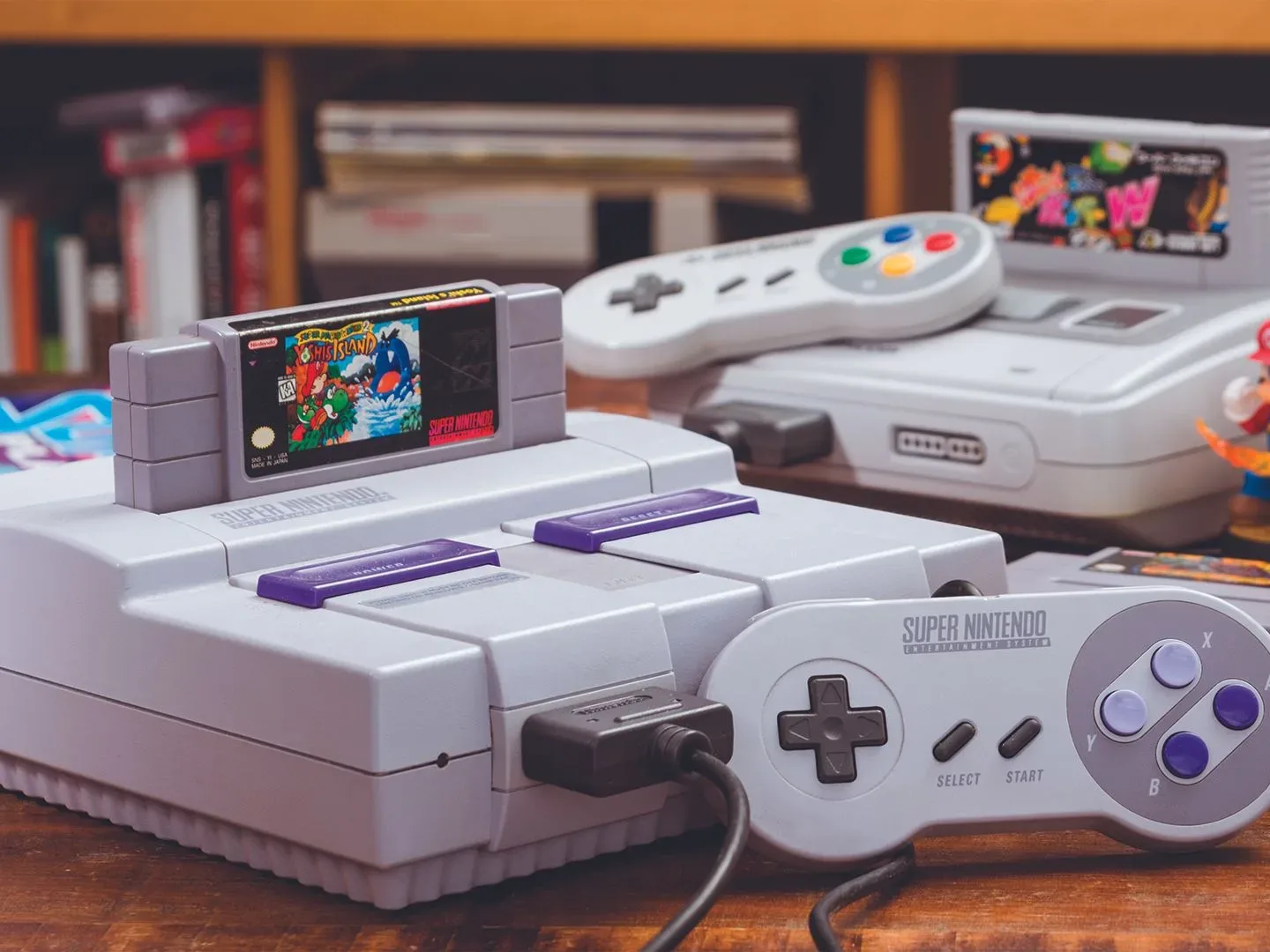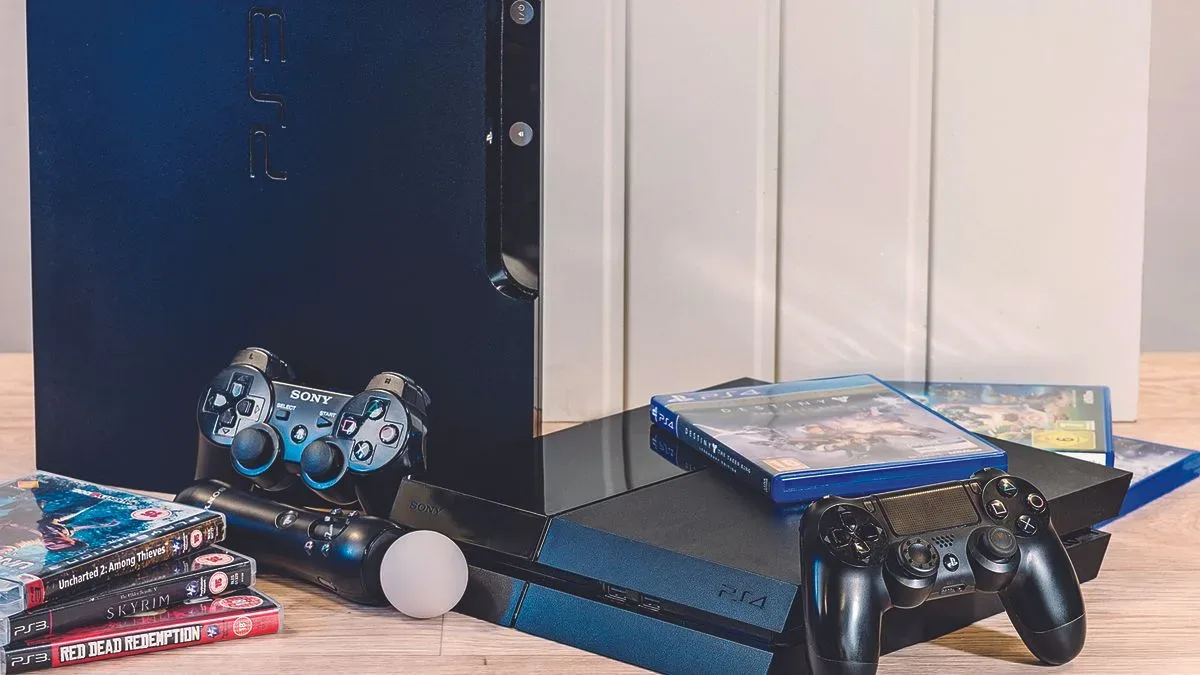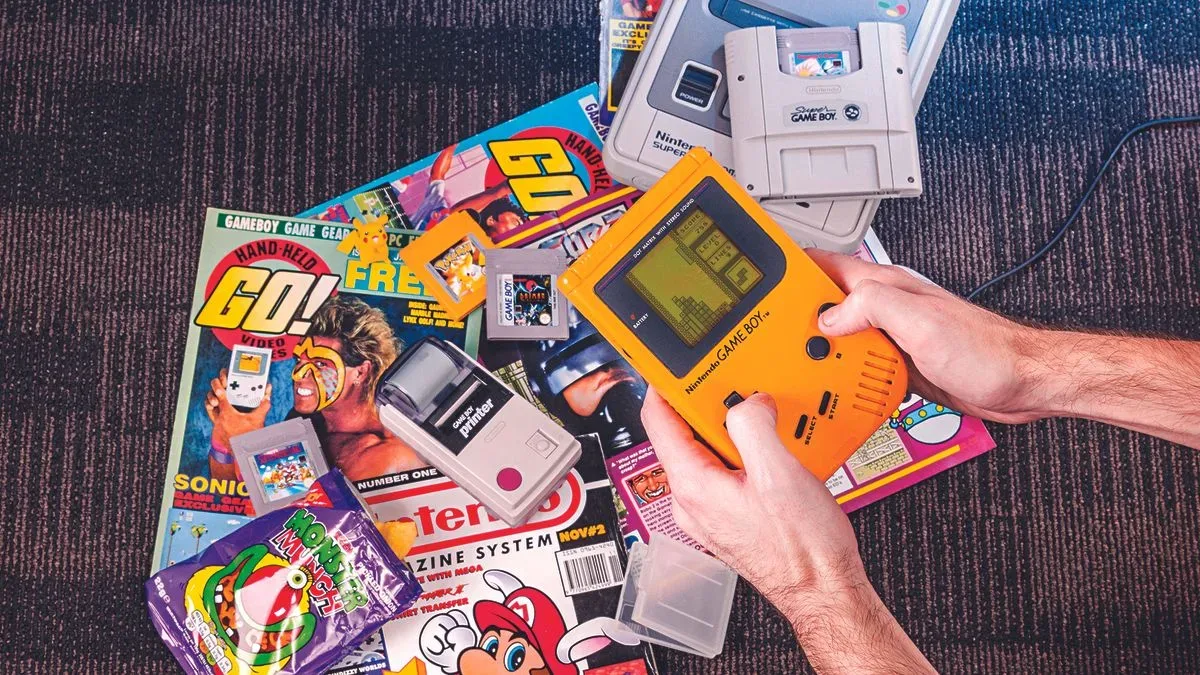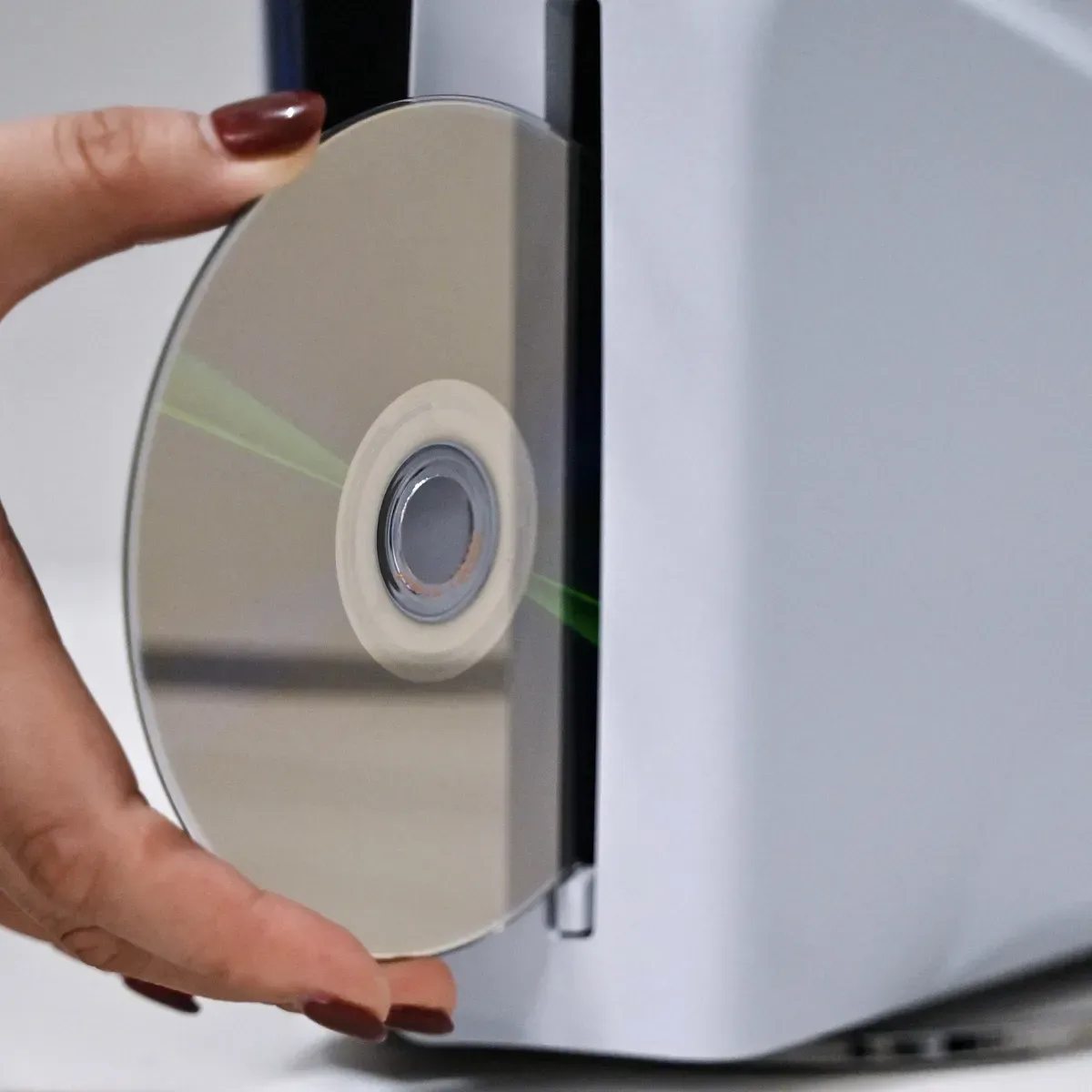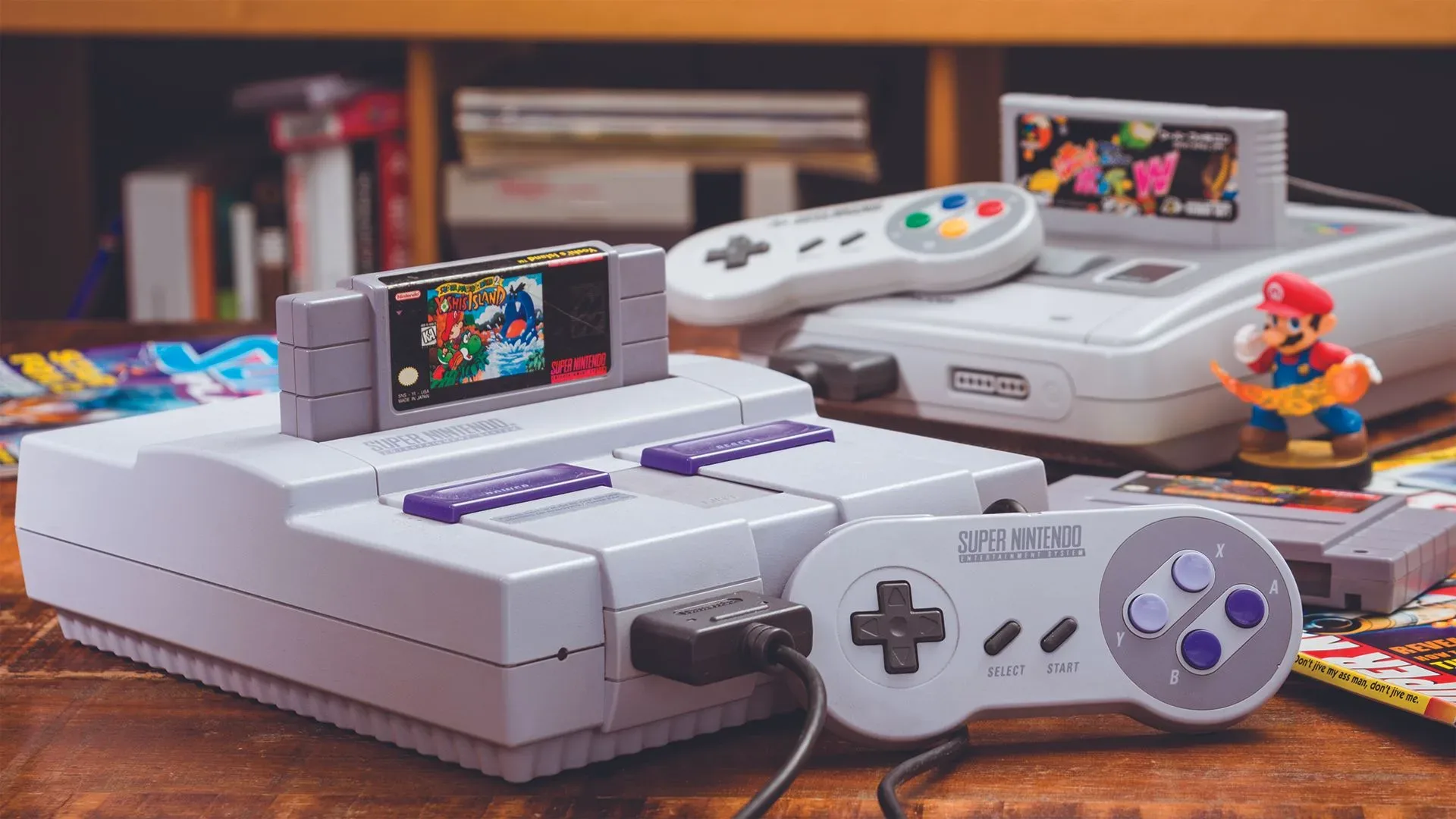
For decades, calling a video game “physical” answered nearly every practical question at once. A disc or cartridge came in a box, the game data lived on that media, and the buyer could ordinarily put it in a console, lend it to a friend, trade it in, or keep it on a shelf. There were exceptions, patches, online requirements and platform quirks, of course, but the basic bargain was easy to understand.
That label is becoming much less precise. A boxed product can now contain the full game, a card that authorizes a download, or a one-time download code. Those products may look broadly similar in a shop, yet they can produce radically different outcomes once the buyer gets home. One can be lent or resold. Another can be permanently tied to a single account. One may work without a network connection after installation; another may rely on online services at the moment it is first used.
The question facing the industry is not simply whether boxes will survive the move toward digital distribution. They probably can, especially as gifts and retail products. The sharper question is what rights and access a physical-looking product gives its purchaser in a future where the software itself may not be stored on the thing they bought.
Digital sales figures do not settle the demand question
Headline comparisons between physical and digital game sales can make the physical market appear to be fading faster than consumer preference alone would suggest. That is because the digital category often bundles together very different business: PC and mobile releases, titles that never received a physical edition, discounted catalog games, and in-game spending. None of those is a clean like-for-like comparison with a newly released console game sold on a disc or cartridge.
There is another blind spot: second-hand physical sales do not generally appear in publisher financial reporting. A used copy may change hands several times without recording a new sale in the same way a digital purchase does. That does not make physical media financially equivalent to a new digital sale for a publisher, but it does mean sales reports are not a complete measure of how much people value the ability to own, pass along or resell a game.
Consumer preference also remains meaningful. YouGov research cited in the discussion found that 51% of US console players generally preferred discs or cartridges, and permanent ownership was the leading reason physical buyers gave for that choice. The word “permanent” deserves scrutiny: no modern format automatically guarantees access forever, particularly when patches and online functions are involved. Still, it captures the appeal of possessing something that is not merely a line item in an account library.
That distinction matters for publishers as well. If buyers who prioritize resale, lending and collecting do not regard a digital substitute as equivalent, moving entirely to download-only distribution may not seamlessly convert every physical customer. Some may buy less, wait for lower prices, or opt out of particular purchases. In other words, reducing the availability of discs and cartridges could shrink demand rather than simply redirect it.
The supply-side push away from discs and cartridges
Consumer habits are only one part of the transition. The economics and logistics of game production give publishers clear incentives to put less software on physical media.
Related coverage includes What Will 'Physical Games' Mean in 2030? Ownership, Resale and the Future of the Box.
On Nintendo hardware, physical remains a consequential route to market. Omdia estimates that just under 40% of full-game purchases in 2026 will be physical. But traditional game cards carry a per-unit cost, and publishers can use Switch 2 Game-Key Cards as a less expensive alternative. That difference can affect launch pricing, later discounts, and whether a publisher can return to stores with a cheaper reprint instead of committing to another cartridge production run.
There is a development-timing advantage, too. A disc or cartridge release imposes a manufacturing deadline: software must be finalized early enough for production and distribution before launch. A download-dependent release can give a team more time before the game has to be fully locked for manufacturing. That flexibility is especially valuable for releases targeted at periods when dates are difficult to move, such as the holiday window.
Platform strategies add further pressure. PlayStation and Xbox are pursuing access across more than one box beneath a television, including PC, handheld devices and cloud streaming. A digital purchase can potentially travel with a player through that broader ecosystem. A disc is tied much more tightly to compatible hardware and a local drive.
That does not make a disc useless; it means it conflicts with an ecosystem built around account-based access. Players can see the same dynamic in the constant flow of patches and live maintenance around modern console games, including the kind of digitally delivered update discussed in this recent PlayStation hotfix report. Even when a game is bought on a disc, contemporary support frequently operates through online systems.
Sony’s plan to end disc production in 2028 is therefore significant not because boxes necessarily disappear, but because it separates retail packaging from disc-based software delivery. New PlayStation games are still expected to be sold through retailers after that change, in digital formats. The likely mass-market replacement is a packaged code, although retail products can take several forms.
A Game-Key Card and a code-in-a-box are not equivalent
The most important consumer distinction is between a transferable physical token and a redeem-once code.
A Switch 2 Game-Key Card does not contain the game data itself, so it requires an initial download. Yet it behaves more like a conventional game copy after that download because the card is not a one-time voucher. It can be lent and resold, and it does not require a Nintendo eShop account. The physical card serves as a continuing key to access the software.
A code-in-a-box works differently. Once redeemed, the game is associated with the buyer’s digital account. The box and its packaging remain tangible objects, but there is no usable copy left inside to hand to someone else. As a result, even a bare Game-Key Card can preserve more of the familiar freedoms of physical ownership than an expensive collector’s package that includes only a single-use code.
This is not a trivial technicality. A licence is the set of permissions that lets a person access software; a transferable token is a physical item whose possession can allow that access to move between people. A traditional disc combines those ideas with stored game data. A Game-Key Card separates the access key from the data. A code-in-a-box converts the key into an account-bound digital entitlement.
Each arrangement has different practical consequences:
- Lending: A transferable card can go to another person; an account-redeemed code ordinarily cannot.
- Resale: A card can be sold as an object that still functions. A used box with a redeemed code has little software value.
- Offline use: This depends on both the installed game and platform policies, not solely on whether the product came in a box.
- Long-term access: Download-dependent products need the data to remain available when a new owner installs them.
Game-Key Cards have a clear weakness: a buyer still needs access to the game download for a fresh installation. Local transfer of data between Switch 2 systems can provide another route in some circumstances, but it is not the same thing as holding the complete game data on the card. The distinction will matter more, not less, as stores close, licensing changes or older systems become harder to support.
The rights checklist buyers should use
By 2030, “physical” may be a description of packaging rather than a reliable shorthand for ownership. Buyers should treat it as the start of an inquiry, not the answer. The useful questions are straightforward:
- Does the disc or card contain playable game data, or does it only authorize a download?
- Is the item a reusable, transferable key or a one-time code?
- Does redemption bind the game to an account?
- Can the game be installed and played offline after setup?
- What happens if the download is no longer hosted in the future?
- Can the product be lent, gifted or sold without sharing an account?
These questions apply to digital purchases as well. Nintendo’s Virtual Game Card system points to one possible approach, offering elements of physical-style lending for digital libraries. Competition among PC storefronts has also encouraged a range of digital licensing approaches, while console platforms have more tightly integrated ecosystems and correspondingly less reason to offer identical freedoms.
None of that establishes a single inevitable outcome. Instead, it shows why ownership is becoming a matter of terms, platform policy and implementation rather than a simple choice between physical and digital.
Why retail boxes may remain after the disc
The disappearance of a disc does not automatically eliminate the value of a box. Retailers need products that can be stocked, displayed and gifted. Buyers often prefer something they can wrap, open and put on a shelf, particularly for a favorite series or a special occasion. Packaging can also supply the tangible appeal that an all-digital library cannot.
But not every boxed digital product will perform the same role. Code-in-a-box releases on Switch have commonly been more useful later in a game’s life, when a publisher wants a lower-cost retail reprint. These products often end up discounted in supermarkets rather than functioning as headline day-one releases. A huge release such as GTA 6 could test whether a launch-day code-in-a-box model can attract mass demand, but its scale and attention would make it an unusual case rather than a dependable template for the wider market.
At the premium end, physical games could become more collector-focused. Specialist publishers already produce limited physical editions of digitally distributed titles in runs of only a few thousand, often charging a premium through direct sales or Amazon. That model makes sense for buyers who value scarcity, presentation and an object they can display.
It also explains why digital deluxe editions do not always command the same perceived value as a physical collector’s edition. Digital bonus content can be useful, but it is difficult to frame as scarce or tactile. A well-made box, art book or other physical component makes the premium visible in a way an account unlock does not.
The likely meaning of “physical” in 2030
The mainstream market could split in two. Retail shelves may still carry boxed games that chiefly deliver digital access, preserving the convenience of gifting and store distribution. Meanwhile, genuinely data-bearing discs and cartridges may increasingly become enthusiast products, valued by collectors and buyers who specifically want lending, resale or a closer form of long-term control.
That future is not necessarily the end of physical games. It is the end of assuming that the word means one thing. A card without game data may be more transferable than a lavish package with a code. A disc may provide a useful local copy but still receive essential updates online. A digital library may gain lending features while remaining subject to account and platform rules.
For players, the sensible response is to look past the box art. The meaningful purchase information is whether the game can be accessed, installed, played, transferred and preserved under the conditions that matter to them. In 2030, the physical object may still be on the shelf. The harder question will be what, exactly, it lets its owner do.