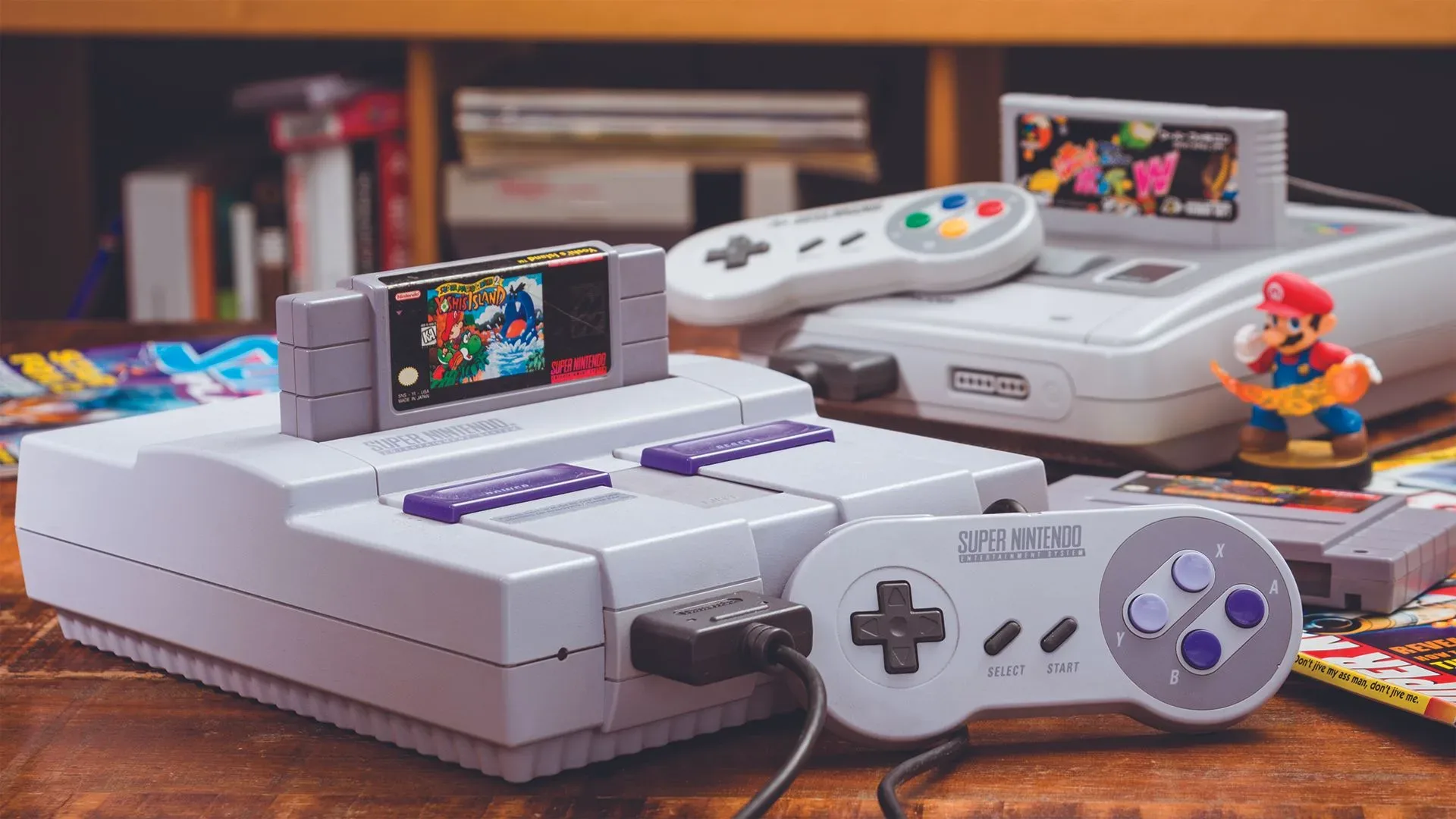
Digital distribution is still the default for entertainment, yet the latest US recorded-music figures suggest that the supposedly obsolete disc has no intention of quietly entering its retirement era. In the first half of 2026, CD sales rose 58.6% and vinyl sales increased 17.7%, while the wider US music market grew 6.9%. That is a striking result in a business where streaming accounts for 82% of recorded-music revenue.
Those numbers do not mean streaming is losing its throne. Streaming revenue rose 4.7%, and paid subscriptions climbed 6.4%, confirming that subscription listening remains the main commercial engine for music. But physical formats are demonstrating something just as important: a market does not need to be the largest market to be valuable, durable, or meaningful to fans.
That lesson matters to video games. Music discs, vinyl records, cartridges, and game Blu-rays are not interchangeable products, and the US music market cannot predict the future of a global games business on its own. Still, the motivations that bring people toward physical music overlap substantially with the reasons players continue to buy boxed games. Ownership, display value, collecting, preservation, gifting, resale, and a more visible relationship with an artist or game creator all count for something that a library icon on a storefront cannot fully replicate.
Physical is smaller than streaming, not irrelevant
The biggest takeaway from the music figures is not that consumers have rejected digital media. They plainly have not. It is that a heavily digital audience can still support physical products when those products offer a distinct reason to exist.
Vinyl has spent years building that identity. Records are often large-format art objects as much as listening formats, complete with sleeves, liner notes, color variants, inserts, and a place on a shelf. CDs are undergoing their own reappraisal. They are generally more compact and accessible than vinyl, while still delivering cover art, packaging, and a tangible item connected to a favorite performer.
Research into the renewed interest in CDs has also pointed to major K-pop releases as one contributor to the format's growth. That makes sense: albums in that space can arrive with photo books, collectible inclusions, multiple editions, and deliberate physical presentation. Yet the broader behavior reaches beyond any one genre. Many buyers treat a CD less like a utilitarian audio-delivery device and more like an affordable collectible or a direct gesture of support.
Some buyers reportedly do not even have a CD player. At first glance, that sounds absurd: why buy media you cannot immediately play? But collectors understand the logic. A person may have a digital copy or streaming access for everyday listening and still want the edition that can be held, displayed, kept, or gifted. The object communicates attachment in a way that tapping a save button does not.
Games already have their own collector logic
Video games have had versions of this split for decades. A player can value the convenience of digital downloads while preferring a physical copy for a major release, a favorite series, or a game likely to become difficult to find. The physical edition may include a case, cover art, reversible sleeve, map, manual, bonus item, steelbook, or simply the reassuring fact that there is a disc or cartridge in the box.
Related coverage includes Physical Media's Music Revival Offers a Warning--and an Opportunity--for Games.
None of that makes every physical release a preservation solution. Many modern discs install substantial data to a console, require patches, or depend on online services for important features. Some games are incomplete or unavailable in meaningful form without future downloads. A physical product can be compromised, and packaging without a usable game card or disc can be deeply disappointing.
Even so, imperfect ownership is not the same as no ownership. A standard physical copy can retain practical benefits that a digital license does not: it can be lent to a friend, traded, sold, placed in a collection, and in many circumstances played without relying on a particular account remaining in good standing. It also exists outside the storefront interface, changing recommendation algorithms, delistings, and the uncomfortable possibility that a purchased digital entitlement may one day become inaccessible.
That distinction is central to the continuing debate over digital purchases. Storefront terms commonly frame downloads as licenses rather than unlimited property rights. Consumers may reasonably feel that paying full price for a game means owning it, while platform holders and their legal positions can interpret the transaction more narrowly. The gap between those expectations is not just technical language; it shapes how safe a library feels over years or decades.
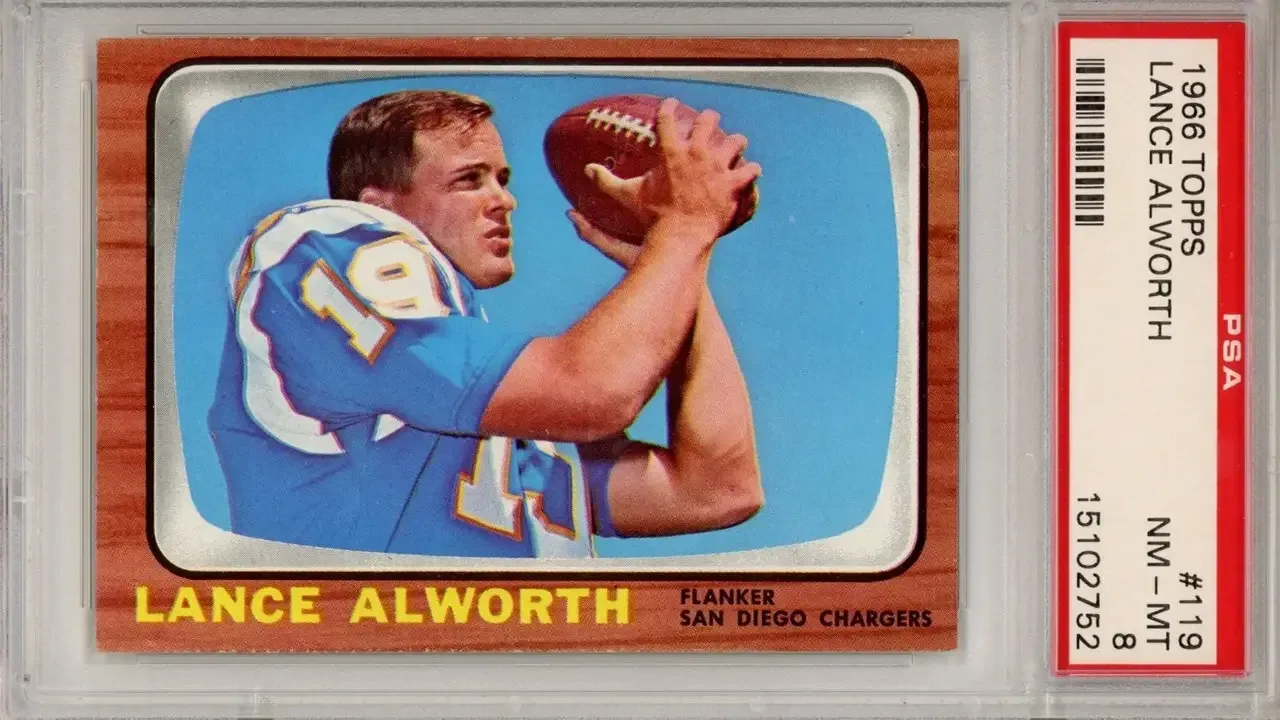
For collectors especially, access is only one portion of the appeal. Condition, regional artwork, first prints, complete packaging, and the history of a particular release all matter. The broader collecting world operates on the same principle. A 1966 Topps Football set is not valuable because it is the fastest way to learn old player statistics. It has cultural, visual, historical, and material significance. Physical games can hold comparable value even after the easiest way to play them has changed.
A warning sign around disc support
These discussions have become more urgent amid concerns about disc support in the PlayStation ecosystem, including the prospect described for January 2028. If hardware manufacturers move away from optical media, the effects would extend beyond shoppers deciding whether they prefer a download or a box on launch day.
Retailers would lose a familiar part of their business. Used-game circulation would become more difficult. Players with limited broadband, data caps, or unreliable connections could face higher barriers. Libraries built around borrowing and sharing would be constrained. And the pathway by which ordinary games become future collectibles would narrow sharply.
It is worth being precise, though. A shift by one platform holder or one hardware generation would not instantly erase physical games everywhere. Nintendo cartridges, older systems, independent publishers, specialty distributors, and the secondhand market all illustrate that physical releases can survive outside the biggest mainstream trend. Nor do sales figures from music prove that every game publisher would profit from putting every release on a disc.
Physical production brings manufacturing, shipping, inventory, and retail costs. Digital distribution gives publishers speed, global reach, and more control over updates. Consumers also appreciate being able to buy a game at midnight, preload it, and avoid swapping media. The goal is not to pretend those conveniences are worthless. It is to recognize that a one-size-fits-all digital future leaves out a group of customers whose preferences can still support real business.
Make the physical edition worth keeping
The music market’s resurgence offers a more constructive idea than nostalgia alone: physical media works best when it is treated as its own product rather than a reluctant leftover.
For games, that could mean complete and clearly labeled builds on disc or cartridge where feasible, honest disclosure when downloads are necessary, thoughtful packaging, art books, manuals, soundtrack codes, and editions that do more than put an empty case around a redemption voucher. It also means avoiding artificial scarcity that turns every launch into a frantic reseller contest. Collectibility thrives when fans can participate, not merely when a handful of speculative listings appear online.
Smaller games provide a particularly useful case. A cult title does not need to match the unit sales of the biggest annual franchise for a limited physical run to be worthwhile. Carefully planned releases can give niche projects longer lives, invite new audiences, and turn a digital curiosity into something with a presence on a bookshelf. The upcoming Playdate Season 3 lineup is a reminder that distinct hardware and intentionally curated releases can sustain interest beyond the usual blockbuster pipeline.
Access and attachment can coexist
Streaming’s 82% share of recorded-music revenue is the correct reality check: digital access will continue to dominate. The comparable truth in games is that downloads, subscriptions, cloud-connected features, and digital storefronts are deeply embedded in how people play. Physical media is unlikely to return to being the universal default.
But it does not need to be universal to deserve support. CD growth of 58.6% and vinyl growth of 17.7% show that consumers will still seek objects that represent their interests, even when virtually frictionless digital access is already available. For younger audiences, physical purchases can be about aesthetics and artist support as much as playback. For game players, they can also be about keeping a game accessible, participating in a resale ecosystem, and preserving a personal history of play.
The industry should view that not as resistance to progress, but as a request for choice. Digital libraries make games easier to reach. Physical editions make them easier to keep, share, and remember. There is room for both—provided the businesses shaping the next generation of hardware leave that room open.