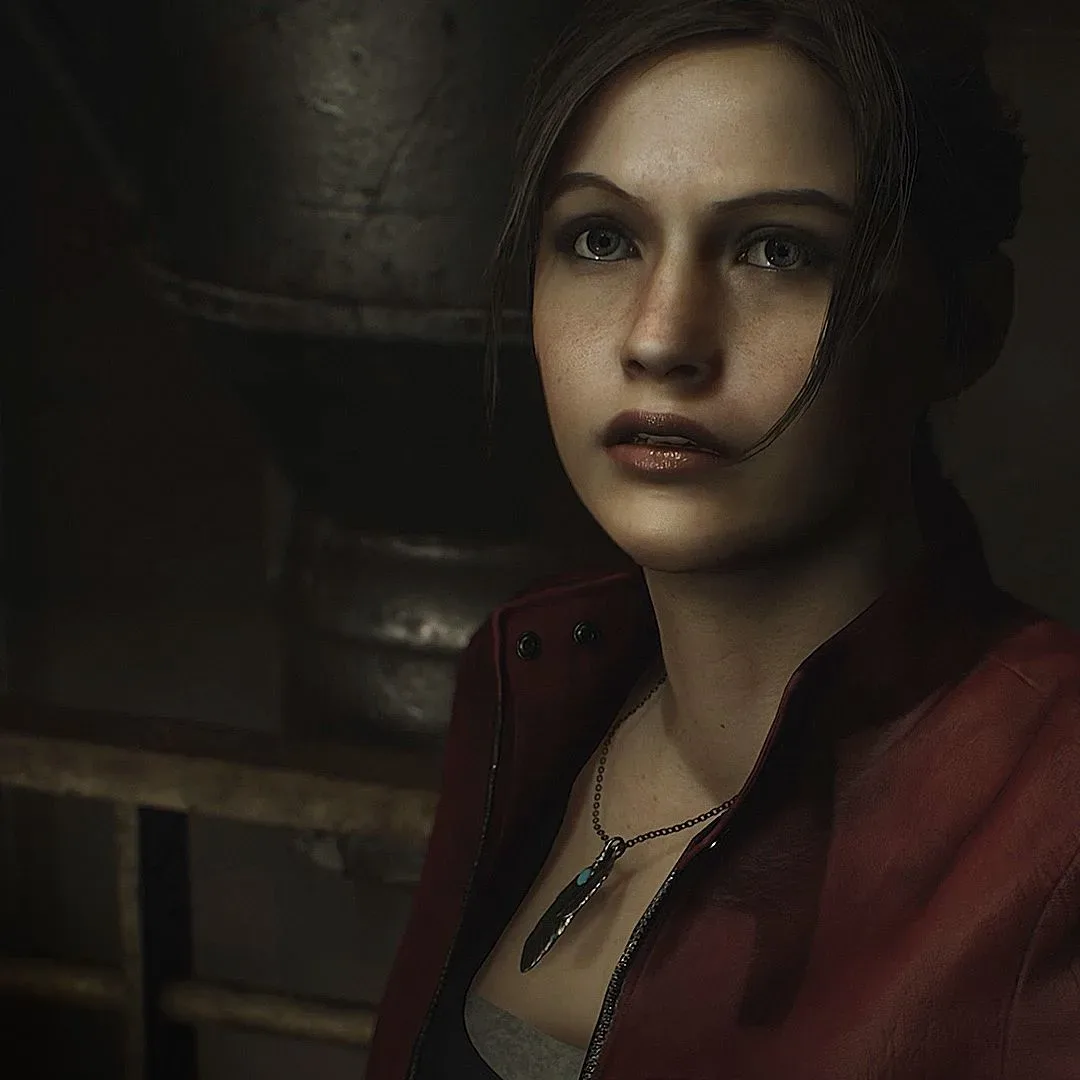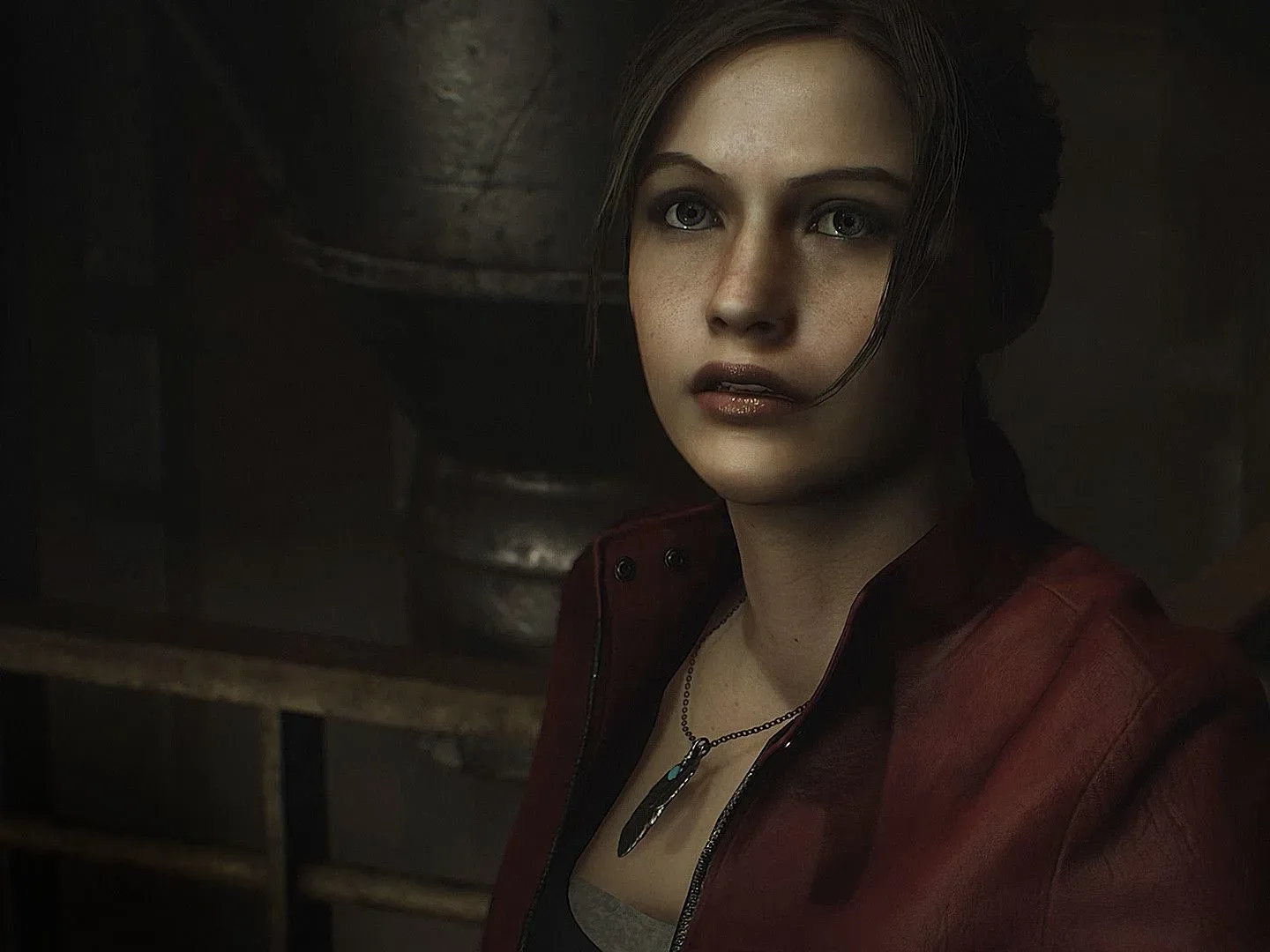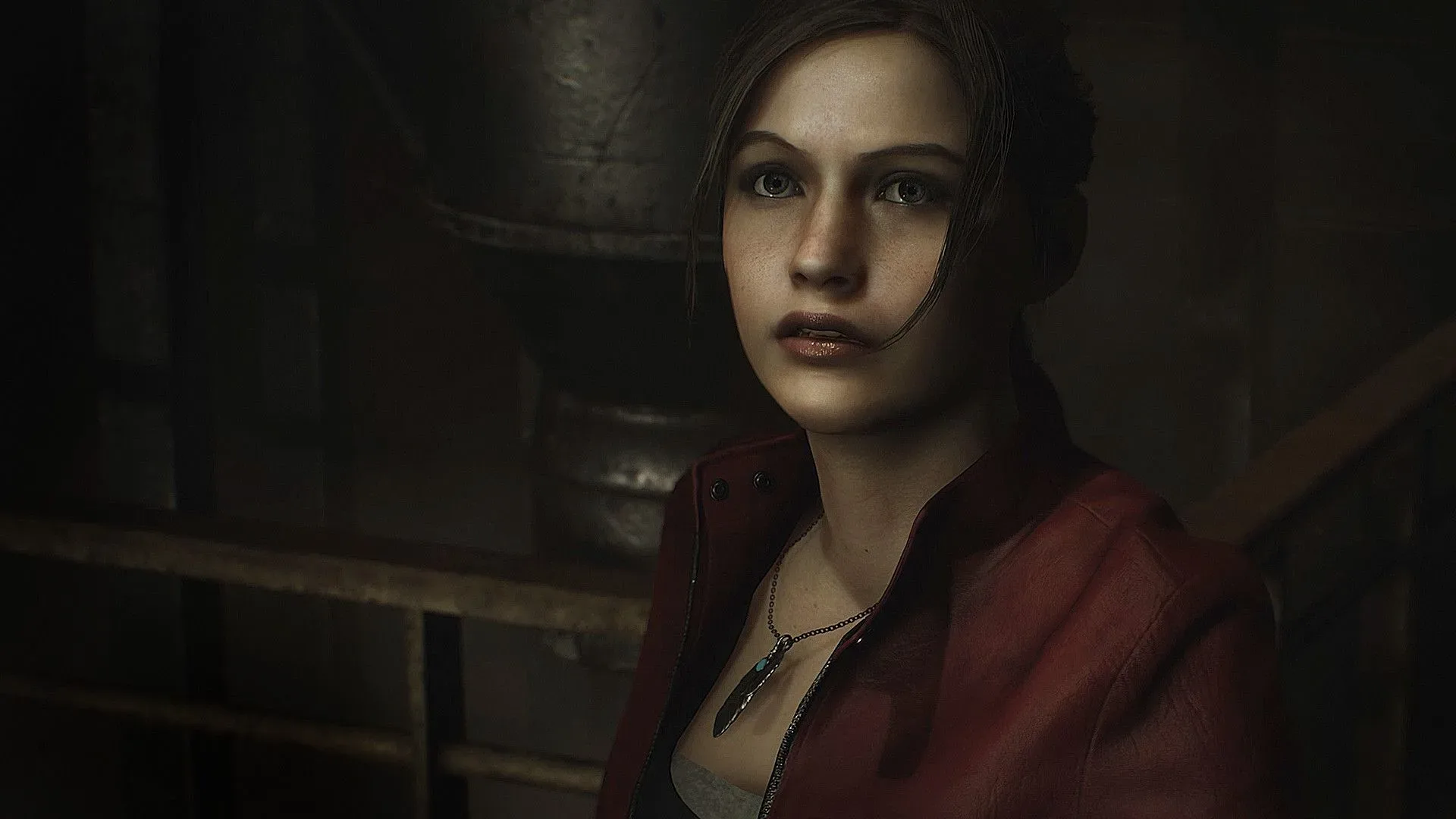
The new Resident Evil film appears to have sent players back toward Raccoon City in a big way, with the 2019 Resident Evil 2 remake emerging as the clearest beneficiary. Market-analysis estimates indicate that the game’s PS5 sales nearly doubled around the movie’s release, while daily active players across PlayStation, Xbox, and PC climbed 48%, from roughly 78,000 to nearly 116,000.
That is a striking revival for a remake that is already well established, but it should not be read as a movie-only phenomenon. Capcom also ran broad franchise discounts at the same time, including a reduction of Resident Evil 2 remake from $39.99 to $7.99. The most sensible reading is that the film created fresh interest and the discount converted a substantial share of that interest into purchases. A scary movie may get people talking about zombies; an $8 price tag gives them a very easy reason to finally open the store page.
Resident Evil 2 was especially well positioned for the moment
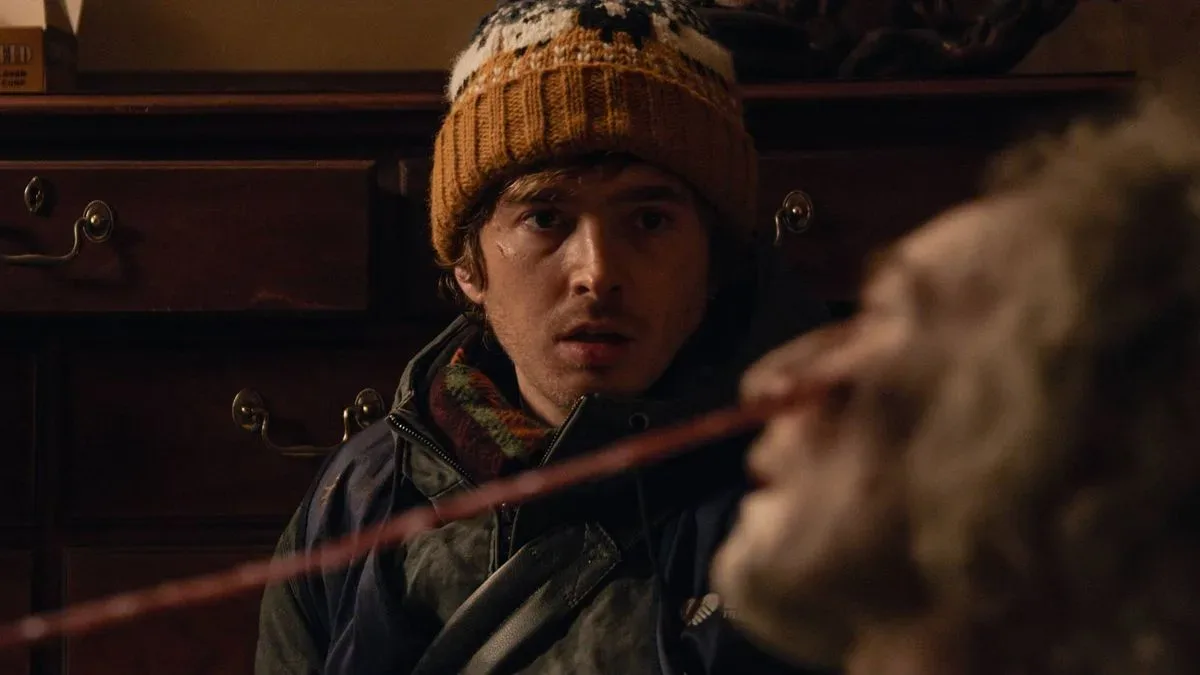
The film, directed by Zach Cregger and starring Austin Abrams as a medical courier, is set in Raccoon City during the broader t-Virus crisis. It reportedly takes place on the periphery of the outbreak explored by Resident Evil 2, rather than using characters from the games directly. That proximity matters.
For someone leaving the cinema wanting more of that setting, the Resident Evil 2 remake is an unusually direct follow-up: the same city, the same outbreak context, and a familiar survival-horror premise. The game does not need to share its cast with the film to benefit from that association. It simply needs to feel like the obvious next stop for a player who wants to spend more time in the same nightmare.
The film’s opening was described as the biggest in the 24-year history of Resident Evil movies, and it holds a reported 96% score on Rotten Tomatoes. Neither fact alone establishes why an individual bought a game, but a high-profile theatrical run and strong critical reception can put a long-running series back into general conversation. In a franchise with several modern remakes available digitally, that renewed visibility gives discounts more leverage.
The sales figures need a little careful reading
Estimated PS5 sales for Resident Evil 2 rose 64% after discount effects were removed from the analysis. For Resident Evil 4 remake, the comparable estimated uplift was 54%. These numbers are an attempt to separate the effect associated with the film from the additional demand expected during a promotion.
That distinction is important, but it is not the same thing as a laboratory test. Game sales are influenced by multiple overlapping variables: a sale, visibility on digital storefronts, franchise news, social discussion, players recommending older entries to newcomers, and the general timing of a release. The reported analysis gives a useful estimate of the movie’s contribution; it does not turn the relationship into a certainty at the level of every purchase.
There is also a difference between sales and daily active players. Sales measure copies purchased, while daily active players count people playing during a given day. A player-count increase can include newcomers who bought a discounted game, returning owners revisiting their library after watching the film, and people who were already playing more frequently. That makes the 48% rise for Resident Evil 2 especially meaningful as a measure of renewed attention, even though it cannot by itself reveal how many copies were sold.
Related coverage includes Resident Evil 2 Remake Sees Major PS5 Sales Lift Following Film Debut and Capcom Discounts.
The data suggests that the biggest commercial movement was concentrated on PlayStation. By contrast, the estimated film-related uplift on Steam was a more modest 11% to 14%. That platform split is notable because it suggests the same franchise moment did not translate uniformly across stores. The available figures do not establish a single reason for the gap, but they do show that PS5 was the principal venue for the surge.
Other remakes rose too, just not as dramatically
Resident Evil 3 remake registered a 25% increase in daily players, while Resident Evil 4 remake rose 24%. Those are meaningful gains, particularly for games not as closely tied to the film’s Raccoon City setting. They also reinforce the idea that this was a franchise-wide halo effect rather than a one-game anomaly.
A halo effect is the spillover of attention from one successful product to related products. Here, the film’s profile appears to have encouraged interest in several games bearing the same name, while a coordinated sale made that interest easier to act upon. The fact that the gains extended beyond Resident Evil 2 supports that broader interpretation.
Still, Resident Evil 2 had the most natural advantage. The film’s placement near its t-Virus outbreak gives the remake an immediate thematic connection for viewers, whereas the third and fourth remakes offer adjacent but less direct routes into the series. The difference in player growth tracks with that logic, though it remains an interpretation rather than proof of individual buyer motivations.
Requiem’s smaller player bump comes with a different commercial picture
Resident Evil Requiem recorded a smaller 20% increase in daily players during the same period. That might look muted beside the older remakes, but percentage changes need context. Newer releases begin from a different base of attention, often carry different pricing, and may not need a promotional nudge in the same way as catalog games.
Revenue estimates paint Requiem as the franchise’s current commercial heavyweight. It is reportedly outpacing every other game in the series by revenue and is expected to surpass the more than $600 million attributed to Resident Evil 4 remake. Separate estimates have already put Resident Evil Requiem revenue above $500 million, though these are estimates rather than a newly confirmed figure from Capcom.
That makes the contrast useful. The older remakes may have experienced the sharper relative resurgence because a steep price drop let a film audience sample acclaimed games cheaply. Requiem, meanwhile, could have less room for a dramatic percentage jump if it is already attracting significant spending and attention. A smaller player increase does not automatically mean weaker performance.
Why the timing matters for a franchise catalog
For Capcom, the episode illustrates the value of having multiple accessible entries ready when a screen adaptation catches fire. A film can introduce a setting and a tone to viewers who have never played the games, but a publisher still needs a clear route from curiosity to purchase. Discounting several remakes at once created that route across different points in the series.
It also demonstrates why remakes can be particularly effective catalog products. They offer recognizable names to returning fans, modern presentation to new players, and a relatively simple pitch for a viewer who has just discovered the property through a film. Rather than asking a newcomer to parse decades of releases, the franchise can point toward prominent versions of Resident Evil 2, 3, and 4.
There is a practical consumer angle, too. A movie-led sale can be a good entry point, but prospective players should remember that the games are distinct works, not direct adaptations of the film. The movie reportedly does not include game characters and is positioned alongside the Resident Evil 2 outbreak instead. Viewers should expect shared atmosphere and world-building, not a scene-by-scene continuation.
A clean example of cross-media momentum—without overstating it
The available evidence makes a strong case that the film release, paired with Capcom’s discounts, revived interest in several Resident Evil games. The strongest markers are the nearly doubled PS5 sales for Resident Evil 2, the estimated 64% PS5 uplift after accounting for promotion effects, and the jump to almost 116,000 daily players across platforms.
At the same time, the sale is not a footnote. Cutting a game from $39.99 to $7.99 is a major change in the buying decision, and any honest reading of the surge needs to keep that factor in view. The more interesting outcome is not that one element beat the other. The movie supplied relevance, the pricing supplied urgency, and Raccoon City became an easy place for audiences to visit after the credits rolled.
For a series that spans games and films, that is the ideal kind of overlap: a screen release draws attention to the brand, an existing game catalog gives curious newcomers somewhere to go, and the oldest horrors on the menu get another chance to bite.