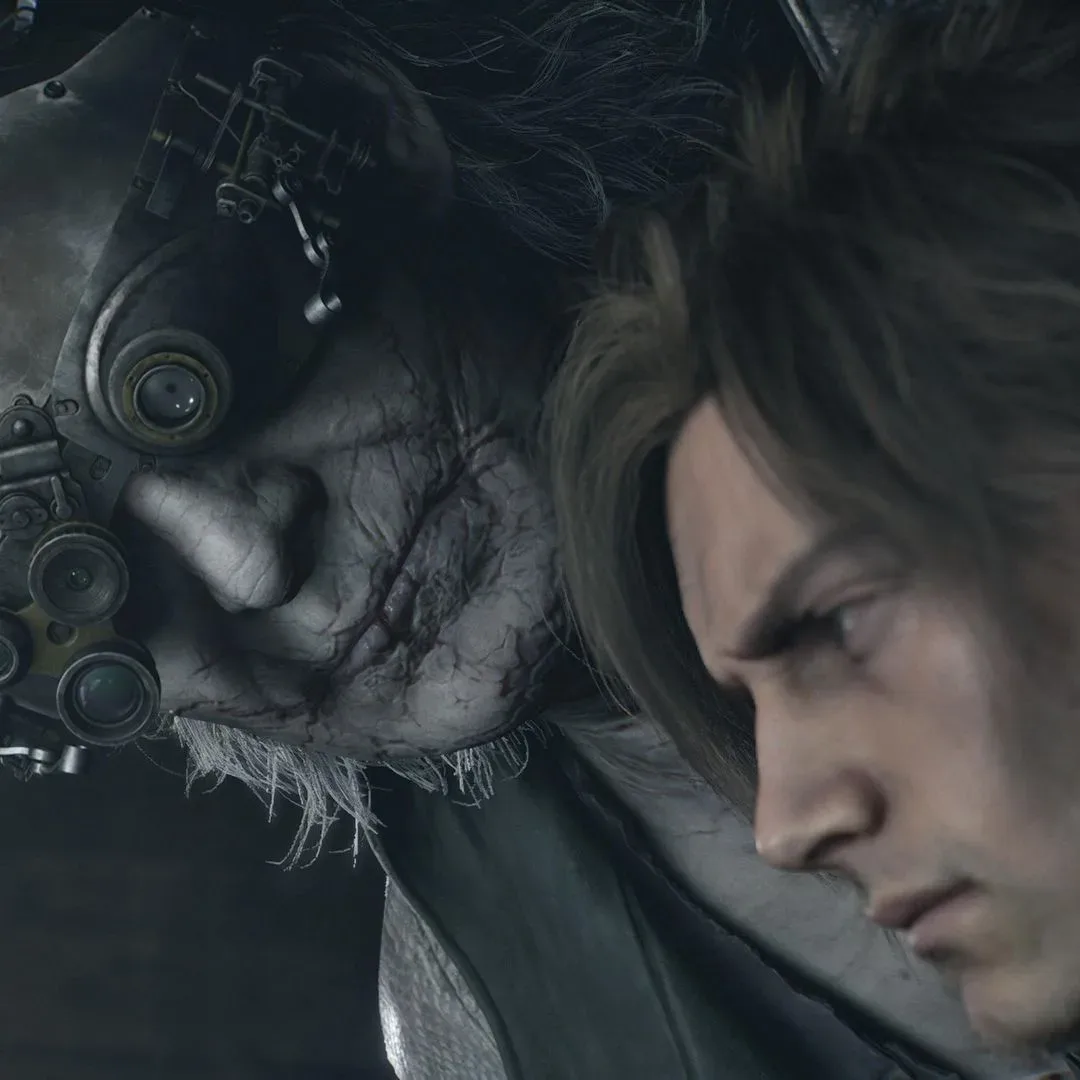
Resident Evil Requiem’s reported PlayStation 5 disc performance is a striking data point in an increasingly digital console market. Estimates attributed to analyst Rhys Elliott indicate that Capcom’s horror release sold roughly 1.3 million physical copies on PS5. That single format slice is said to have generated 1.8 times as much revenue as the game earned across Xbox physical, Xbox digital and Xbox PC sales combined.
The numbers should be treated as reported market analysis rather than a platform-holder financial disclosure, but they make one conclusion difficult to ignore: physical releases can still be commercially meaningful for major games. Requiem’s PS5 boxed sales reportedly accounted for around 15% of the game’s overall revenue and 30.2% of its PlayStation revenue.
That is not a small pocket of collectors buying one more shelf ornament. It suggests that a substantial share of buyers for a high-profile, current-gen game still chose a disc when given the option.
A blockbuster result, with an important physical-sales wrinkle
Resident Evil Requiem had already established itself as a major release. Capcom’s most recently cited figure put the game at 8 million copies sold, and it was described as the fastest-selling entry in the Resident Evil series to date. Against that larger total, 1.3 million PS5 physical copies is still only one part of a multi-platform sales picture. Yet it is an unusually consequential part when measured against Xbox revenue across every cited Xbox purchasing route.
The distinction between units and revenue matters here. A unit count is the number of copies sold. Revenue is the money generated from those sales. The reported 1.8-times comparison is specifically about revenue, not a claim that PS5 physical copies outsold every Xbox version by 1.8 times in unit terms. Likewise, the reported 15% and 30.2% figures describe revenue share, not the percentage of players or copies.
Even with that caveat, the implication remains notable. A boxed PS5 edition, by itself, reportedly out-earned the combined Xbox ecosystem for this one game: console discs, console downloads and Xbox PC sales. It is a reminder that format choice and platform choice do not always move together in tidy, predictable ways.
Why PlayStation’s physical share is meaningful
Physical game sales have often been framed as a shrinking legacy business because digital storefronts offer immediate access and eliminate the need to stock a disc. But a shrinking share of a market can still represent a large business in absolute terms. Requiem’s estimated 1.3 million PS5 disc sales demonstrate the difference.
For a publisher, a physical edition requires manufacturing and retail distribution that a download does not. For players, though, a disc provides a different kind of transaction. It is a tangible item that can be stored, lent, resold or purchased through retailers rather than a single console storefront. Those differences may be central to why some customers buy physical releases, even as downloads remain a dominant convenience option.
Related coverage includes Resident Evil Requiem Physical PS5 Sales Reportedly Outpaced Xbox Revenue by 1.8 Times.
The reported breakdown also illustrates why it can be risky to assume that every physical buyer will seamlessly become a digital buyer if discs disappear. Some may indeed switch to downloads. Others may delay purchases, wait for discounts, choose another platform, buy second-hand games where possible, or simply skip particular releases. The available data does not say how Requiem’s physical customers would respond to a digital-only future, so any exact conversion rate would be speculation. What the estimates do show is that these customers currently represent significant spending.
Resident Evil’s platform history may be part of the story
PlayStation’s overall edge is not presented as a surprise. PS5 systems are described as being in more homes than Xbox Series X|S consoles, giving PlayStation a larger potential audience. Resident Evil also has a longstanding association with PlayStation, a factor that may make the platform a particularly natural home for the series’ audience.
Neither point proves that physical availability alone created the reported gap. Hardware reach, audience habits, digital storefront behavior and the franchise’s platform identity can all affect the result. The more precise takeaway is narrower: in a game that is already a substantial multi-platform success, PS5 physical sales appear to have been powerful enough to eclipse all reported Xbox revenue combined.
That makes Requiem a useful example for anyone treating physical games as commercially irrelevant. It does not establish that every release will perform this way, nor does it describe every region or genre. A tentpole horror sequel with broad recognition is not the same proposition as a niche independent game. Still, high-profile releases are exactly where format decisions can have the greatest financial stakes.
What the report means for a possible disc-free PlayStation future
Sony is said to be planning to stop manufacturing new PlayStation discs starting in 2028. The reported Requiem performance adds tension to that prospect. A platform transition away from discs could be technologically straightforward, but the consumer and publishing consequences are separate questions.
Digital distribution gives platform owners more direct control over the purchase path. It also makes buying fast for players whose consoles and internet access suit downloads. Physical editions, however, preserve alternative retail routes and keep a prominent place for buyers who specifically want media they can handle and retain. Requiem’s estimated PS5 performance suggests that removing that option could affect more than a niche preference.
There is also a difference between an industry moving gradually toward digital and a particular platform removing new-disc manufacturing on a timetable. Buyers can adapt over time, but adaptation is not the same as guaranteed retention. The central business question is not whether digital sales would rise; they almost certainly could. It is whether digital growth would replace every dollar currently represented by physical buyers. The reported figures offer no final answer, but they give a clear reason not to assume the answer is yes.
Capcom, for its part, is not portrayed as alarmed by Sony’s stated direction. That may reflect confidence in the publisher’s ability to sell across formats and platforms, or simply the reality that its games already reach a large digital audience. Still, Requiem’s sales split highlights a potentially awkward contradiction: a publisher can be well positioned for digital while a major release continues to draw a very large amount of money through discs.
Reading the Xbox comparison carefully
The Xbox comparison is attention-grabbing precisely because it includes more than boxed console games. The reported Xbox total combines physical sales, digital sales and Xbox PC sales. In other words, the estimate is not simply saying that PS5 discs beat Xbox discs. It says that PS5 discs generated more revenue than the reported Xbox business across those listed channels.
That does not necessarily measure platform enthusiasm in a vacuum. The size of each console audience and Resident Evil’s PlayStation association are relevant context. It also does not tell us the price paid per copy, the split between Xbox console and PC, or the underlying unit totals for the Xbox side. Those missing details limit what can responsibly be inferred.
But the comparison does reinforce how strongly a successful physical product can perform when it aligns with a large installed audience and an established franchise home. For publishers planning print runs and retailers deciding how much shelf space to devote to a release, that is the practical lesson worth watching.
What players should take from the numbers
For players, the report is evidence that disc buyers remain part of the modern market, not an afterthought. Buying physical is not only about nostalgia. Depending on an individual player’s priorities, it can mean having a copy that is easier to lend, trade or keep as a personal library item. Digital purchases offer their own benefits, especially convenience, but they are not identical products from the buyer’s perspective.
For the industry, Resident Evil Requiem is a reminder to separate trends from absolutes. Digital distribution can be the broader direction without making physical demand negligible. A 30.2% reported share of PlayStation revenue is a material contribution for one of 2026’s biggest releases, and the 1.8-times Xbox comparison makes that contribution especially difficult to dismiss.
Requiem’s broader sales milestone will remain the headline accomplishment: 8 million copies and the series’ fastest-selling game so far. Yet its PS5 disc performance may end up being the more revealing detail for the business around it. At a moment when new-disc production is reportedly facing a 2028 endpoint, one major game appears to show that physical customers are still bringing serious money to the table.
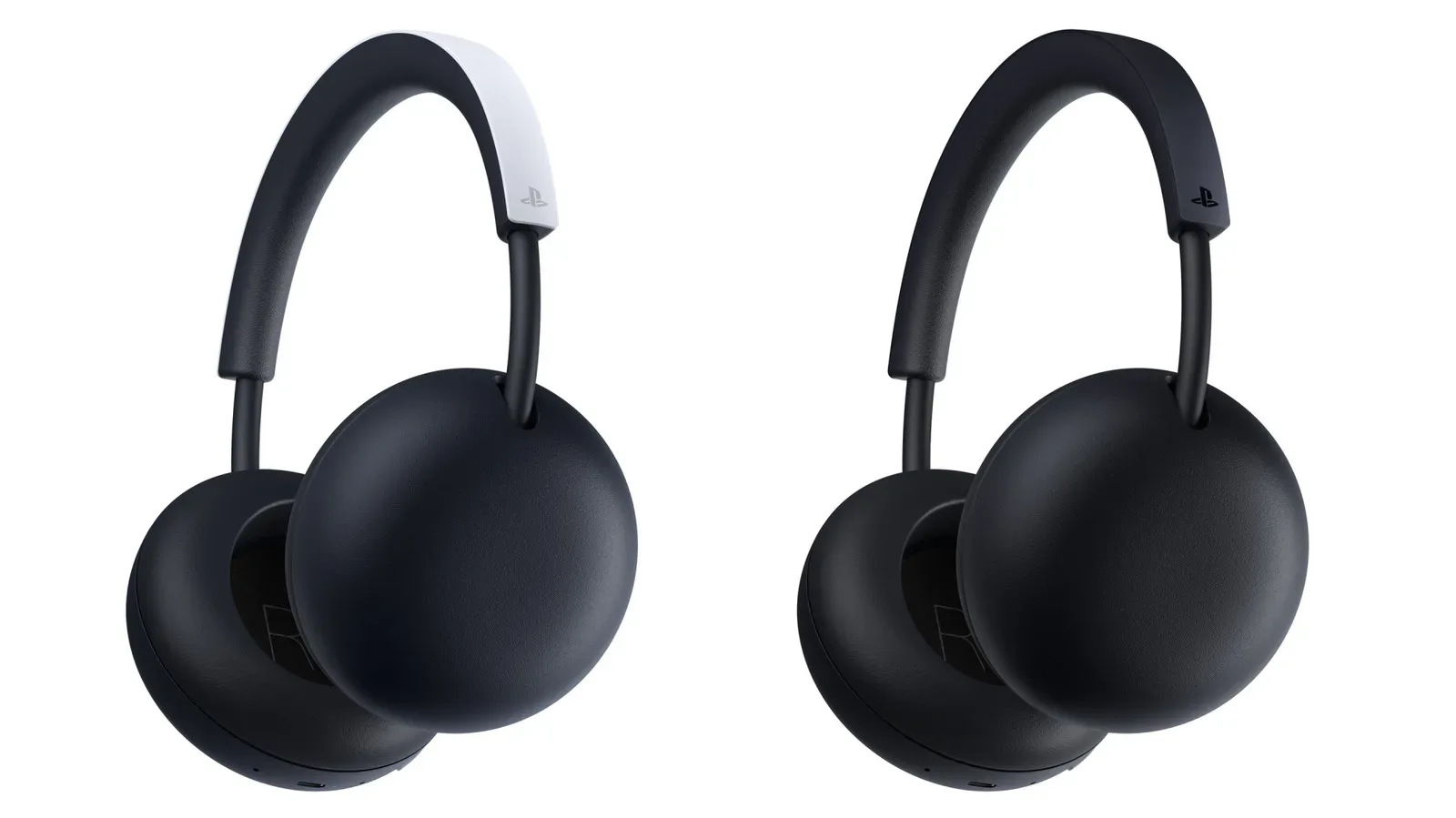
For more recent PlayStation hardware news, see our coverage of the PlayStation Pulse Headset.