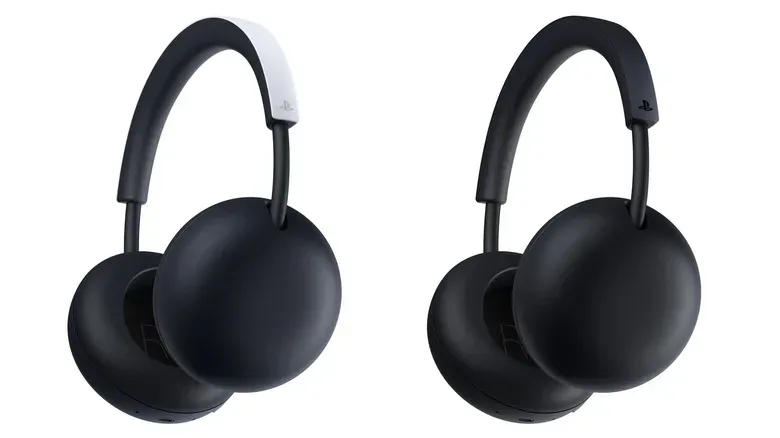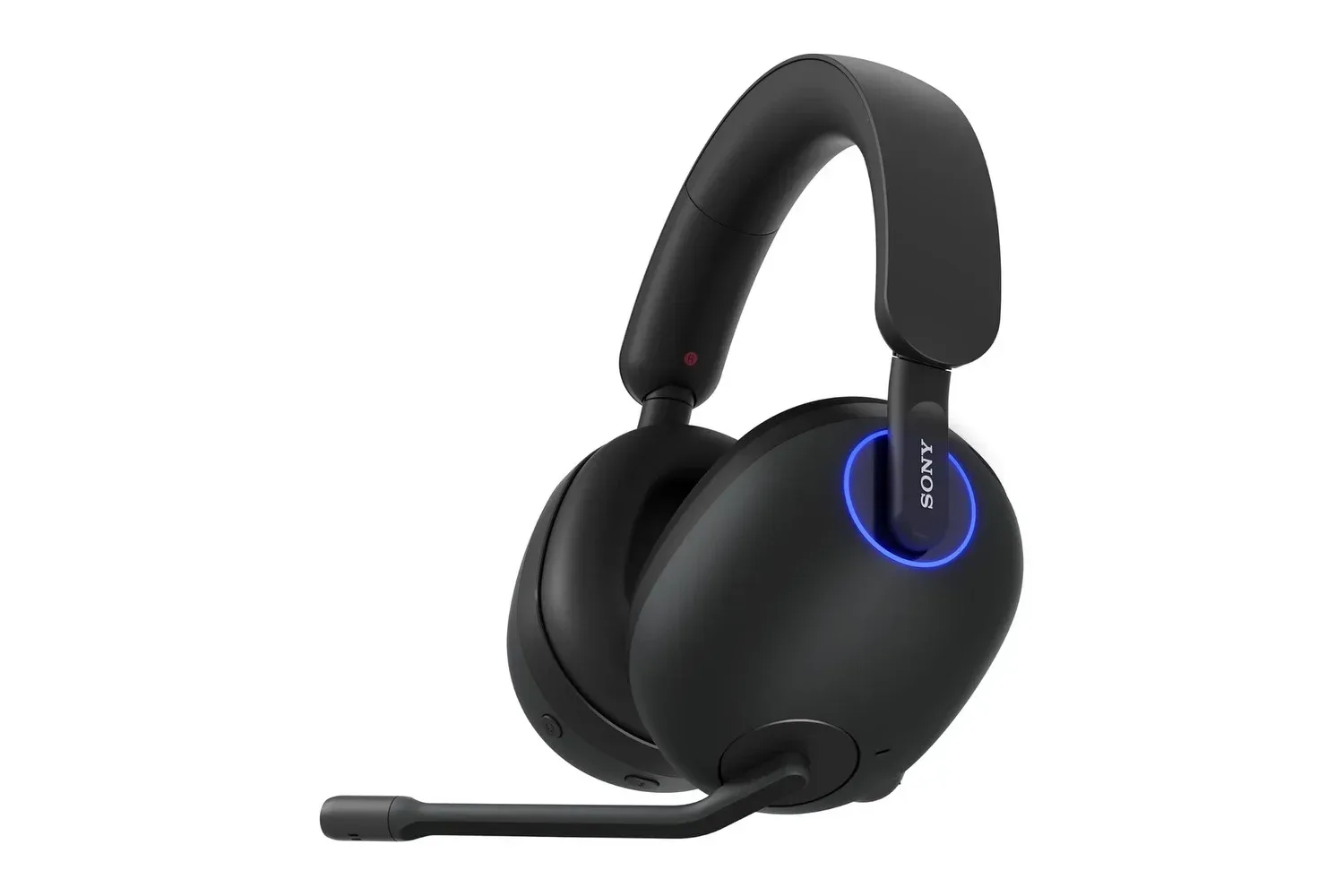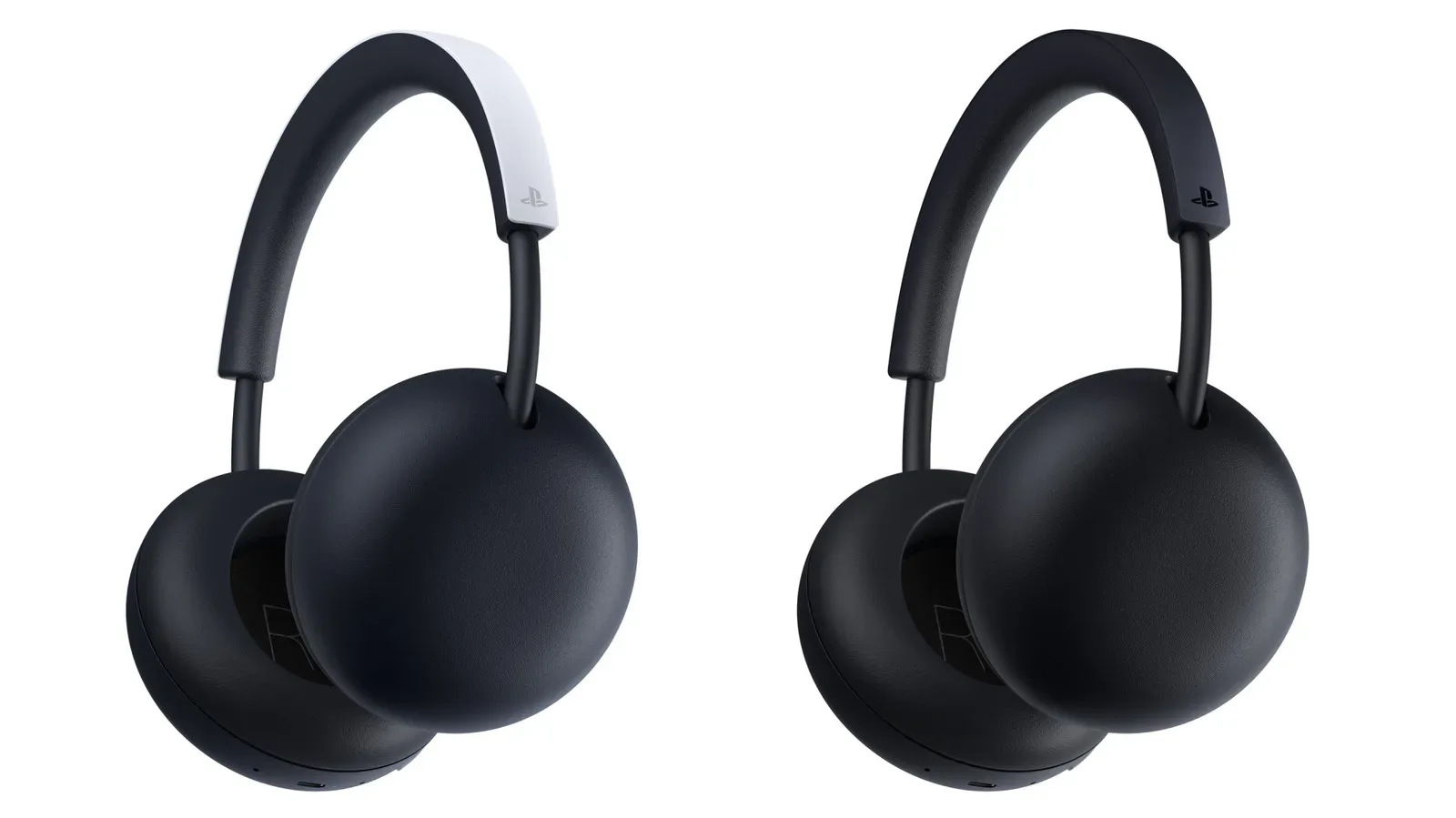
Sony’s PlayStation Pulse wireless headset will begin shipping on November 19 for $100, with pre-orders opening October 29. The initial release covers the US, UK, Canada, Australia, New Zealand, Japan and more than a dozen additional countries, while plans for other territories have not yet been detailed.
The new headset will be offered in white and midnight black. Its headline is not simply a lower price, though: Sony is positioning Pulse as an audio-focused option built around planar magnetic drivers, Bluetooth and the company’s PlayStation Link wireless protocol. For players weighing a headset purchase, the important question is less whether the name says “PlayStation” and more how those features line up with the devices they use and the kinds of games they play.
A $100 entry in Sony’s planar magnetic lineup
At $100, PlayStation Pulse sits $50 below the $150 Pulse Elite. Sony describes the Elite as its first planar magnetic headset, while saying the new Pulse uses larger planar magnetic drivers than the previous model. That makes the new release a notably less expensive route into this driver technology within the PlayStation-branded range.
Planar magnetic drivers are the parts of a headset that turn an electrical audio signal into the sound reaching the listener’s ears. Sony’s stated goal for the larger drivers is fuller, deeper bass while maintaining the clear sound associated with Pulse Elite. Those are manufacturer claims rather than independent performance findings, but they establish the intended appeal: the company is attempting to combine stronger low-end response with sound clarity, instead of framing bass as an isolated feature.
That distinction can matter in games. Effects such as engines, explosions, impacts and musical bass lines occupy much of the lower-frequency range. A headset tuned to make those elements more substantial could lend more weight to a game’s soundscape. At the same time, clear audio matters for dialogue, interface prompts and teammate communication. Sony is expressly presenting the Pulse as capable of pursuing both qualities, but prospective buyers should treat the final sound character as something to assess through reviews and personal preferences once the headset is available.
Directional cues are part of the pitch
Sony also says the drivers provide spatial accuracy intended to help players identify directional cues. In plain terms, directional cues are sounds that communicate where something is happening: a teammate speaking from one side, an approaching threat, movement beyond the player’s view, or activity behind them. In competitive and cooperative games, being able to interpret that information rapidly can be useful. It is also relevant to players who simply want a more convincing sense of a game world’s space.
Spatial accuracy should not be confused with a promise that a headset will create an advantage in every game. The game’s own audio mix, a player’s settings and the quality of the source all influence what is heard. Still, Sony’s focus on positioning shows that Pulse is designed around more than casual voice-chat duty. It is meant to be a general gaming headset where both atmosphere and situational awareness are part of the proposition.
That could be especially pertinent for PC players hopping into online releases, including games built around co-op communication and tense audio design. Escape From Playtime’s Steam Early Access arrival, for example, is the kind of multiplayer horror setup where clear player communication and a readable soundscape can be meaningful considerations. The Pulse’s compatibility with PC is therefore more than a spec-sheet footnote.
Bluetooth and PlayStation Link: what the connection options mean
The headset supports both Bluetooth and PlayStation Link. Bluetooth is the familiar wireless standard used across a broad range of devices. PlayStation Link is Sony’s connection protocol for supported hardware, including PlayStation 5, PlayStation Portal, Mac and PC.
Sony says PlayStation Link enables seamless switching between connected devices and delivers lossless, ultra-low-latency audio. “Lossless” refers to audio transmitted without the kind of quality-reducing compression implied by the term. “Latency” is the delay between an event and the associated sound; ultra-low latency is therefore a claim about minimizing the gap between a button press or on-screen event and what players hear.
Low latency is particularly relevant in games because feedback needs to feel immediate. A delayed sound effect can feel disconnected from an action, while delayed voice communication can make a quick exchange less natural. Sony has not provided performance figures here, so there is no basis to quantify the practical difference. But the company’s language makes its priority clear: PlayStation Link is intended as the connection path for responsive game audio across supported devices.
Device switching is also a practical feature for people whose gaming does not remain on one screen. A player could move between a PS5 and a PC, or use a PlayStation Portal alongside the console, without treating the headset as hardware tied to only one machine. The extent of the experience will naturally depend on which devices a buyer owns and supports through PlayStation Link, but the listed compatibility is broader than PS5 alone.
Microphone noise rejection targets everyday distractions
Voice chat has become a baseline use for gaming headsets, and Sony is emphasizing microphone processing alongside audio output. The PlayStation Pulse mic uses what Sony calls AI-enhanced noise rejection to reduce background sound.
The intended benefit is straightforward: reduce distracting sounds around the speaker so teammates can hear the person talking more clearly. That is potentially useful in busy homes, shared spaces and other environments where keyboards, household noise or nearby voices can creep into a chat channel. It should not be read as a guarantee that all background sound disappears. Noise rejection is designed to minimize unwanted noise, not to change the reality of a loud room.
For prospective buyers, the key takeaway is that the headset’s feature set is split between listening and communication. Sony is promoting larger planar magnetic drivers for game sound, while adding noise-rejection processing for outgoing chat. Players who mainly play solo may prioritize the audio claims and device support; people regularly playing with a group may place equal weight on the microphone behavior.
Release timing, colors and where it fits
Pre-orders start October 29, ahead of the November 19 shipping date. The first rollout includes the US, UK, Canada, Australia, New Zealand and Japan, plus more than a dozen other countries. Sony says availability for remaining countries will be announced later, so buyers outside the initial group should avoid assuming the same date applies locally.
The $100 price gives Pulse a defined place between basic expectations and Sony’s more expensive audio hardware. It undercuts Pulse Elite by $50, while Sony is also preparing a higher-end Pulse Edge model for 2027. Separately, the company is due to begin shipping its $220 Pulse Elevate wireless speakers next month. Those speakers also use planar magnetic drivers.
That wider product slate suggests Sony is continuing to build an audio family around planar magnetic technology, but each product serves a different need. Pulse is the $100 headset arriving this November; Pulse Elite is the existing $150 model referenced in Sony’s comparison; Pulse Edge is a future higher-end headset; and Pulse Elevate is a speaker product rather than a wearable headset. Keeping those names straight will be important as the range expands.
What to consider before pre-ordering
- Platform mix: PlayStation Link support extends to PS5, PlayStation Portal, Mac and PC. Buyers focused on one device should consider whether that flexibility matters to them.
- Connection priorities: Bluetooth broadens the wireless proposition, while PlayStation Link is Sony’s stated route for lossless, ultra-low-latency audio and switching between supported devices.
- Audio goals: Sony claims larger planar magnetic drivers deliver deeper bass without sacrificing clean sound, alongside spatial accuracy for directional cues.
- Chat environment: The AI-enhanced noise-rejection microphone is intended to minimize surrounding sounds, which may be more valuable in shared or noisy spaces.
- Regional timing: November 19 applies to the announced launch countries. Other territories will receive availability information later.
- Color preference: The headset will be available in white and midnight black.
The PlayStation Pulse arrives with a relatively simple proposition: a $100 wireless headset that pairs Sony’s gaming ecosystem with Bluetooth, PlayStation Link connectivity, a noise-rejection mic and larger planar magnetic drivers. The details that remain untested publicly—such as the real-world sound balance, microphone effectiveness and switching experience—will determine how compelling that proposition is in practice. For now, Sony has set the schedule: orders open October 29, and the first units ship November 19.