Capcom’s first half of fiscal 2027 delivered the strongest first-half software unit sales and catalog sales in the company’s 47-year history. The eye-catching part is not simply the scale of the result, but the games carrying it: Monster Hunter World, Resident Evil 2, and Resident Evil 7 sit at the top of the company’s reported sales table years after their original releases.
That is an unusually clear illustration of the commercial value of a deep catalog. New releases such as Resident Evil Requiem, Pragmata, and Onimusha: Way of the Sword are present in the top 10, but the largest lifetime totals belong to games with years of accumulated audience growth behind them. Capcom’s figures also show a business overwhelmingly shaped by downloads: 92.4% of its unit sales were digital, split between 57.1% on PC and 35.3% on consoles. Physical software represented the remaining 7.6%.
Monster Hunter World remains Capcom’s biggest seller
Monster Hunter World, released in 2018, is still far ahead of the rest of the company’s catalog with 30.83 million units sold. The total increased by 1.17 million during the reported period. That lead matters because it shows that a major game can remain a meaningful seller long after the release window, rather than only becoming a historical lifetime-sales statistic.
The Resident Evil series supplies most of the remainder of the chart. Resident Evil 2 reached 20.38 million units after adding 2.06 million. That follows the game surpassing Resident Evil 5 as the franchise’s best-selling entry in July, when its reported total stood at 19.75 million. Its continued growth places it only marginally ahead of the broader Resident Evil catalog’s other major performers, but it is a substantial landmark for a remake.
The table lists Resident Evil 7 at 18.87 million units, with an increase of 1.47 million, while Resident Evil 4 is close behind at 17.5 million after the largest listed increase: 3.54 million. Resident Evil Village, Resident Evil 3, and Devil May Cry 5 each also sit above 14 million lifetime units.
There is one figure in the supplied material that needs careful treatment. A sentence outside the ranked list describes Resident Evil 7 as having 20.38 million units and a 2.06 million increase—numbers that match the stated results for Resident Evil 2. The ranked table instead gives the 18.87 million and 1.47 million figures for Resident Evil 7. The table is the internally consistent basis for the rankings below.
Capcom’s reported first-half top 10
- Monster Hunter World — 30.83 million total units, up 1.17 million
- Resident Evil 2 — 20.38 million total units, up 2.06 million
- Resident Evil 7 — 18.87 million total units, up 1.47 million
- Resident Evil 4 — 17.5 million total units, up 3.54 million
- Resident Evil Village — 16.27 million total units, up 1.33 million
- Resident Evil 3 — 14.93 million total units, up 1.56 million
- Devil May Cry 5 — 14.78 million total units, up 1.83 million
- Resident Evil Requiem — 8.51 million total units, up 1.59 million
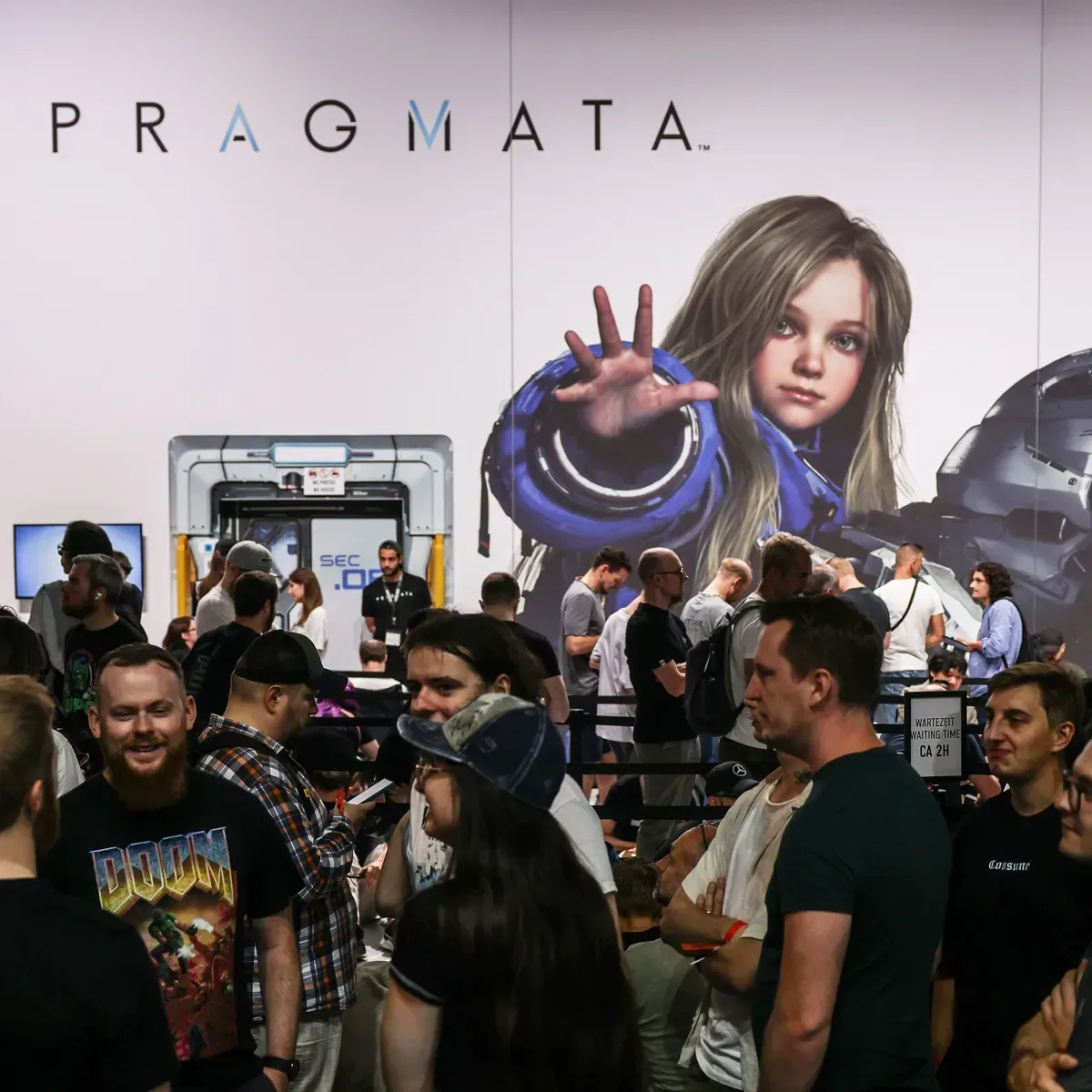
- Pragmata — 2.73 million total units
- Onimusha: Way of the Sword — 1.78 million total units
What “catalog sales” mean here
Catalog sales are sales from previously released games rather than the immediate performance of a new launch. They can include titles from many release years, and the list makes the distinction tangible. Resident Evil 7 arrived in 2017, Monster Hunter World in 2018, and Resident Evil 2 in 2019; all remain among the highest-volume games in the reported period.
This does not mean recent releases did not contribute. Resident Evil Requiem is eighth in the table at 8.51 million lifetime units, including 1.59 million added in the period. Pragmata reached 2.73 million units, while Onimusha: Way of the Sword reached 1.78 million. The latter also reportedly sold one million copies on its first day.
Related coverage includes Capcom Sets First-Half Sales Record as Digital Catalog Drives Growth.
Still, the broader takeaway is that Capcom’s sales base is not dependent on one newly released product. A catalog containing several games at or near 15 million units gives the company multiple durable points of entry for players. A person buying a recent Resident Evil game may also encounter a discounted older installment; someone returning to Monster Hunter may begin with World rather than the newest entry. The reported numbers establish the scale of that long tail, even though they do not identify why any particular customer bought a game.
Digital is no longer a side channel
The digital split is just as revealing as the software rankings. Of reported unit sales, 92.4% were digital purchases. PC represented 57.1% of all units and console downloads accounted for 35.3%. In other words, PC alone made up more than half of Capcom’s reported sales units for the period, while discs and other physical units made up 7.6%.
For clarity, these percentages describe unit sales: copies of software sold. They do not, in the figures provided, disclose revenue per copy, profit per copy, platform-by-platform prices, or how much of any title’s sales came from a particular storefront. They nevertheless show where the bulk of Capcom’s sold copies were delivered. This is an important distinction in an industry where PC and console audiences are often discussed separately, despite a publisher increasingly reaching them through the same digital catalog.
The 92.4% share is slightly below the 93.3% digital share previously reported for the first quarter of 2026. A fall of 0.9 percentage points is small, and it should not be mistaken for a reversal in the overall pattern. Digital sales still account for more than nine of every 10 units in the reported first half. For perspective on why PC performance has become central to the business conversation around games, see this look at a Steam hit and the audience opportunities on PC.
New games add momentum, but older games set the foundation
Capcom’s recent slate has added meaningful volume. The supplied figures characterize Resident Evil Requiem, Pragmata, and Onimusha: Way of the Sword as 2026 releases, with Pragmata performing strongly enough that corporate officer Yoshikazu Shimauchi indicated a sequel could be likely. Those are notable signals for newer properties and returning series.
But the top 10 also demonstrates the particular strength of Capcom’s established franchises. Resident Evil occupies six positions, from Resident Evil 2 at No. 2 through Resident Evil Requiem at No. 8. The series spans remakes, newer numbered entries, and the newest release in the list. That breadth is commercially useful because it means a franchise can serve multiple generations of releases at once, rather than placing all expectations on a single annual or sequel cycle.
Monster Hunter World supplies a parallel example. The game’s 30.83 million total towers over every other listed Capcom title. The newer Monster Hunter Wilds does not appear on this particular top-10 list. Its absence should not be used by itself to calculate Wilds sales, as no sales figure for that game is supplied here. What the available numbers do establish is simpler: World remains a major commercial force in its own right.
Practical implications for players and physical-media buyers
For players, a catalog-led digital business can have an immediate upside: old games remain active commercial products rather than disappearing after the spotlight moves on. Publishers have a reason to keep well-known back-catalog titles visible because those games continue adding millions of units. The figures for Resident Evil 2, Resident Evil 4, and Devil May Cry 5 show that older releases can remain core parts of a publisher’s current sales picture.
For buyers who prefer discs, the same figures underline a different reality. Physical purchases remain part of the business, but at 7.6% of unit sales they are a small fraction of this reported mix. That does not tell us which editions are available, whether any specific disc is scarce, or how Capcom will handle future physical releases. It does indicate that physical demand should not be confused with the dominant sales channel in the company’s current results.
Capcom’s record first half is therefore best read as two connected stories. The first is the longevity of its software library: multiple games released years apart are still selling at scale. The second is the delivery format behind those sales: overwhelmingly digital, with PC making up the largest single segment. New games are adding to that machine, but the record rests on an exceptionally durable catalog.