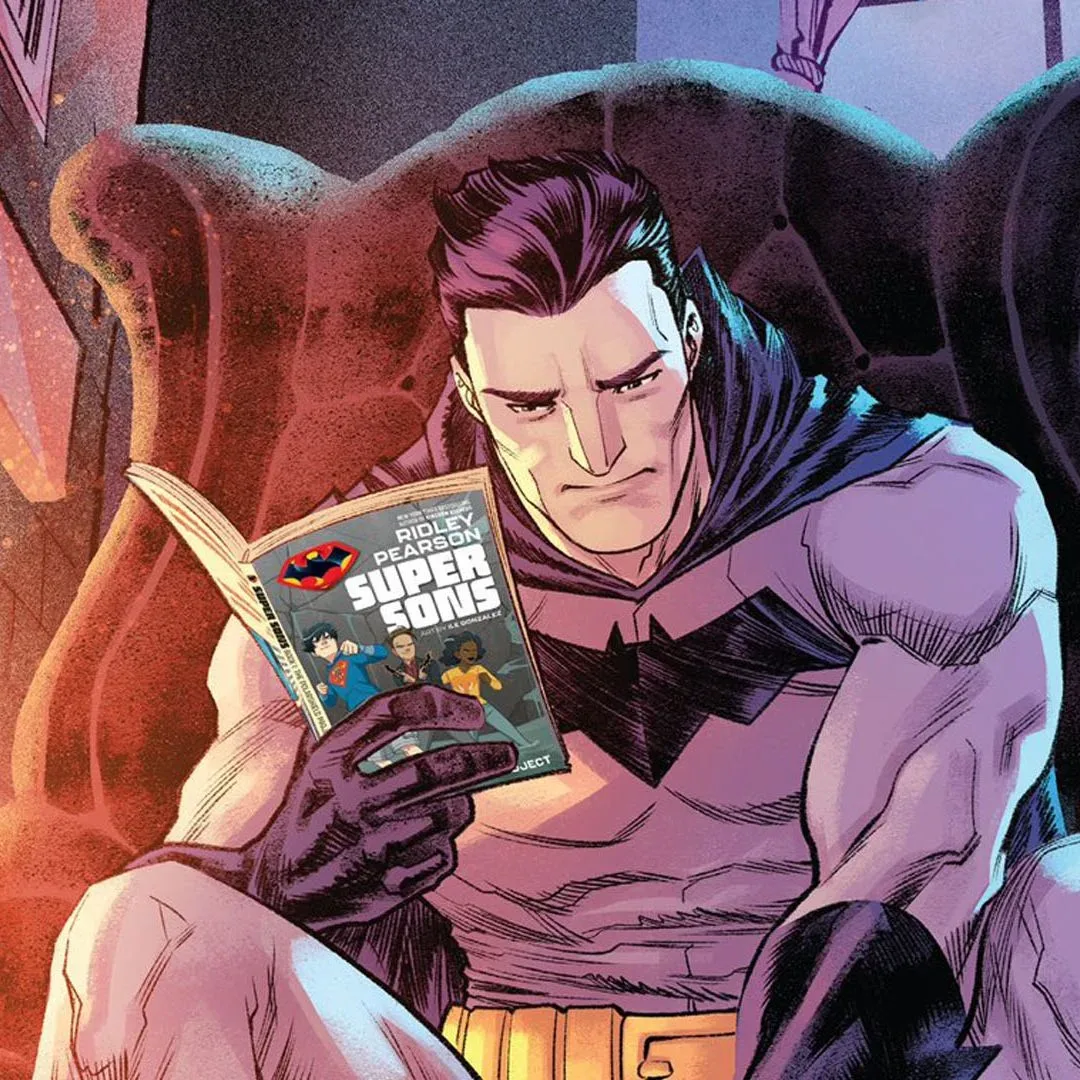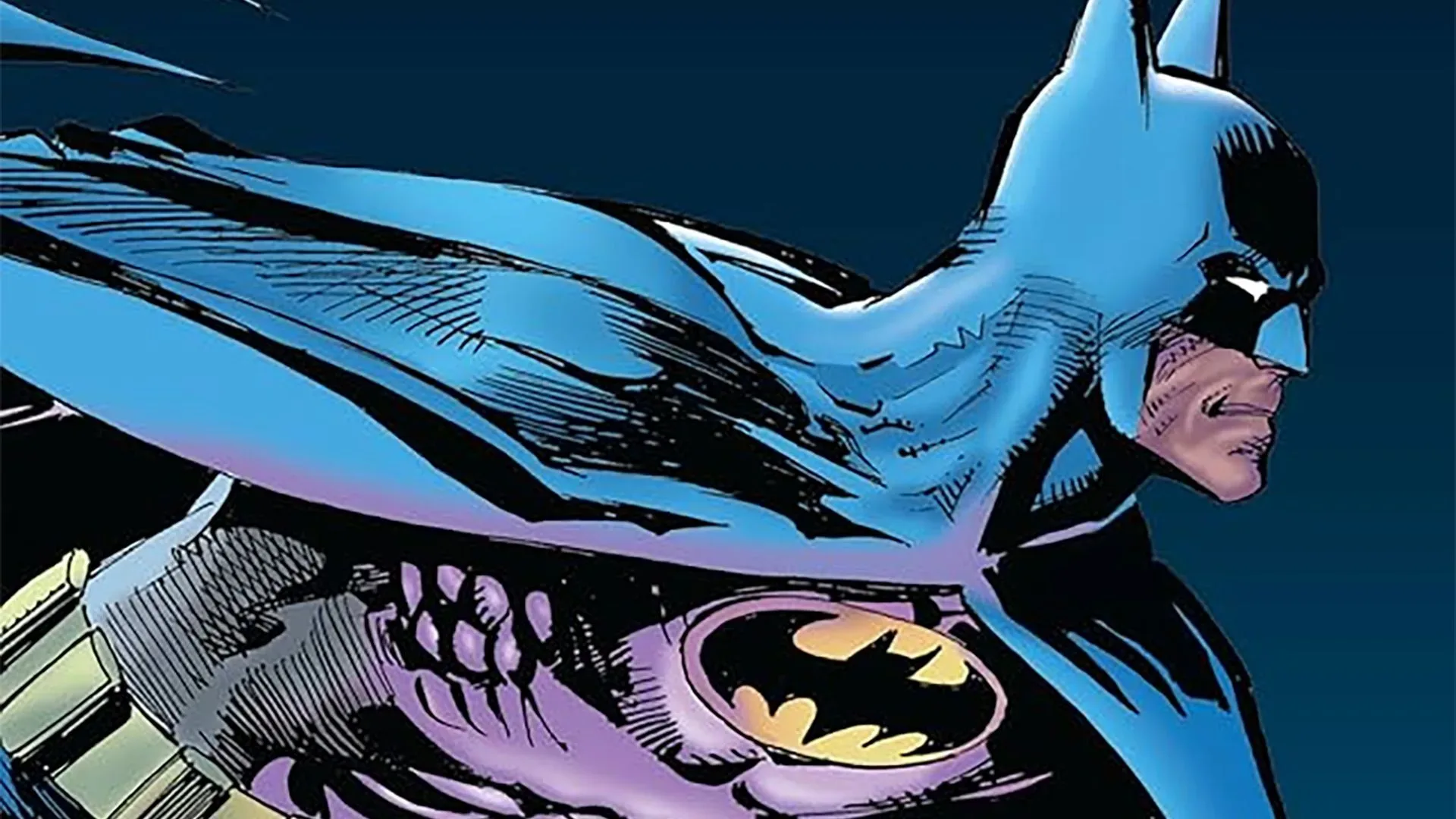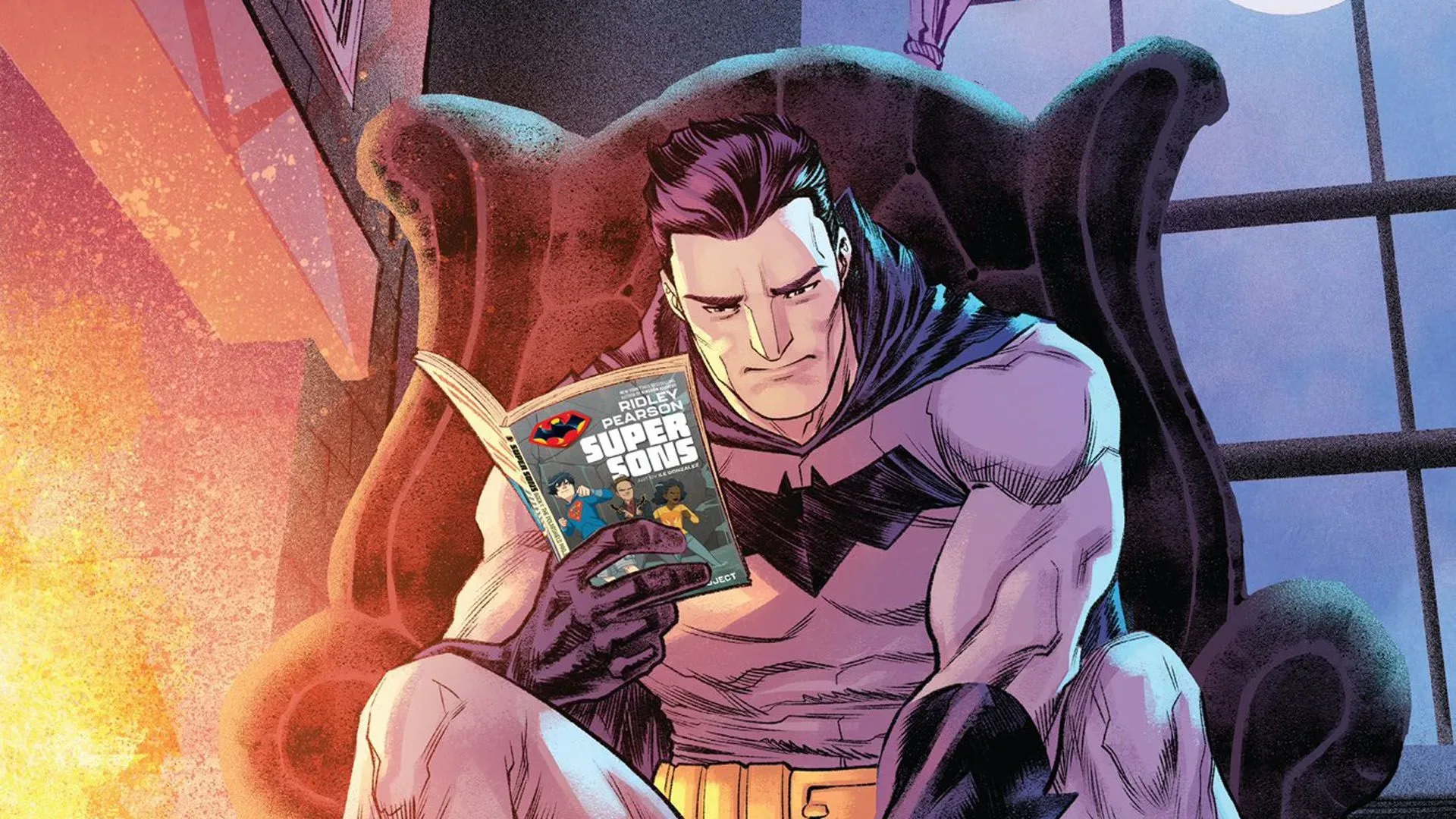
The next actor to wear the cowl in the DC Universe has not been chosen, but James Gunn has offered one of the clearest indications yet that the decision may be approaching. The DC Studios co-chief says casting for Batman is not far away, while also pushing back on the steady stream of claims that a particular performer is about to appear in an upcoming project.
That makes this less of a casting reveal than a clarification of the board. There is no confirmed DCU Batman, no verified shortlist, and no basis for treating a rumored cameo as evidence. But there is now a useful creative outline: Gunn wants the performer who best fits Batman as a role, rather than simply defaulting to an established movie star, and he sees Bruce Wayne as roughly a peer to the DCU’s Superman.
Batman is still uncast — and rumor culture is getting the red light
Gunn stated plainly that Batman has not yet been cast. He said it would not be too long before that process gets underway, while dismissing online assumptions that the character is already lined up to turn up in one project or another.
“It won't be too long before we're casting Batman, who isn't cast yet, by the way,” Gunn said.
For audiences parsing every DCU credit sequence, set photo and guest appearance, that distinction matters. A character being absent is not necessarily a clue, and an actor’s previous connection to a DC production should not be read as confirmation that they are unavailable or secretly signed for Bruce Wayne. Gunn’s point was that a brief or supporting role on The Suicide Squad would not automatically eliminate someone from consideration if that person ultimately proved to be the right Batman.
In practical terms, it keeps the prospective field broad. It also means fans should be cautious with the kind of speculation that turns any actor with a square jaw, a black coat, or a previous comic-book credit into an instant “insider” pick. The only firm status is that the role remains open.
The key casting clue: Batman and Superman are contemporaries
The most concrete piece of character framing is age. Gunn said he considers it a major part of the casting equation and described Batman and Superman as being roughly the same age rather than separated by a drastic generational gap. In his phrasing, they are intended to become “future best pals” and contemporaries.
The DCU’s 2025 Superman places Clark Kent in his early 30s. That does not establish an exact age for Bruce Wayne, nor does it reveal the age of the eventual actor. Casting regularly involves performers playing somewhat older or younger than their real ages. Still, it points toward a Batman conceived as being in a similar broad life stage to this Superman.
“Contemporaries” is the important storytelling term here. It suggests two heroes who can meet each other on relatively equal footing: not a Superman who is just arriving to seek advice from a vastly older Gotham veteran, and not a Batman defined as the junior partner. They can have different experience, methods, wealth, temperaments and cities without being built around a huge age divide.
That does not erase the familiar contrast at the heart of the pairing. Superman is an extraordinarily powerful alien operating openly, while Batman is a human detective and vigilante whose work is rooted in Gotham City. But the age note implies that their eventual friendship can grow from shared stature within the new continuity, rather than from an overt mentor-and-protégé relationship.
Why Gunn’s “best actor” point is more meaningful than it first sounds
Gunn contrasted the way Superman has traditionally been approached with the way Batman has often been discussed. His argument is that Superman performers are selected around what the part requires, whereas Batman choices have too often been filtered through movie-star status first.
That is not a rejection of recognizable performers; a major star can also be the strongest fit for a role. It is instead a stated priority: the character comes first. For a part as culturally recognizable as Batman, that is a significant declaration because public reaction often begins with an actor’s résumé, fame level or physical resemblance. Gunn is emphasizing performance suitability over a prepackaged celebrity narrative.
Batman demands more than the silhouette. Bruce Wayne and Batman are two public-facing identities managed by the same person: one is a wealthy civilian figure, the other is Gotham’s masked crime-fighter. A casting choice has to plausibly support the tension between those personas, along with the emotional control, investigative intelligence and occasional volatility associated with the character. None of that tells fans who will be selected. It does explain why the process may be broader than a list of obvious headline names.
It also helps explain Gunn’s resistance to arbitrary disqualifiers. If an actor previously appeared in a smaller DC role, that alone does not answer whether they could carry a central, long-running role. The question, in Gunn’s framing, is whether they are the best actor for this particular version of Batman.
What the Damian Wayne premise could mean — and what remains unknown
The planned DCU Batman film, The Brave and the Bold, was initially presented as a Damian Wayne story. In DC comics, Damian is Bruce Wayne’s biological son, and his arrival comes later in Bruce’s career as a crime-fighter. That premise naturally raised questions about whether the DCU Batman would be markedly older or already deep into his vigilante history.
Gunn’s contemporary-age comments complicate the easy assumption, but they do not create a contradiction on their own. A Bruce Wayne in the same general age range as Superman could still have an established history in Gotham and could still be a father. The available information does not establish how long this Batman has operated, Damian’s age, or the specific form their relationship will take on screen.
It is equally unclear whether the film remains fully centered on the Damian premise as originally described. There has been no supplied confirmation that the concept was abandoned, altered, or locked in unchanged. The responsible reading is simple: Damian Wayne remains connected to the publicly discussed foundation of The Brave and the Bold, while the precise story and timeline are still unresolved.
That uncertainty is worth preserving. “Later in a career” is a relative idea, not an automatic numerical age. The DCU can present a Batman with history without making him substantially older than Superman, particularly if its timeline treats superhero careers differently from prior screen versions.
Gotham has appeared, but its Batman has not
The DCU has already visited Gotham City through Clayface, yet Batman was absent from that film. His absence has fed interest in when, rather than whether, the central Gotham figure will be introduced. Gunn’s latest comments narrow none of the exact project possibilities, but they do reaffirm that audiences have not missed a public casting announcement hiding in plain sight.
That gap between a city and its most famous protector can be useful dramatically. Gotham is not merely Batman’s backdrop; it is a setting with its own villains, institutions and instability. Showing pieces of it without immediately placing Batman at the center gives the broader DCU room to establish that the world continues beyond the hero currently on screen. Whether that becomes important to The Brave and the Bold has not been confirmed.
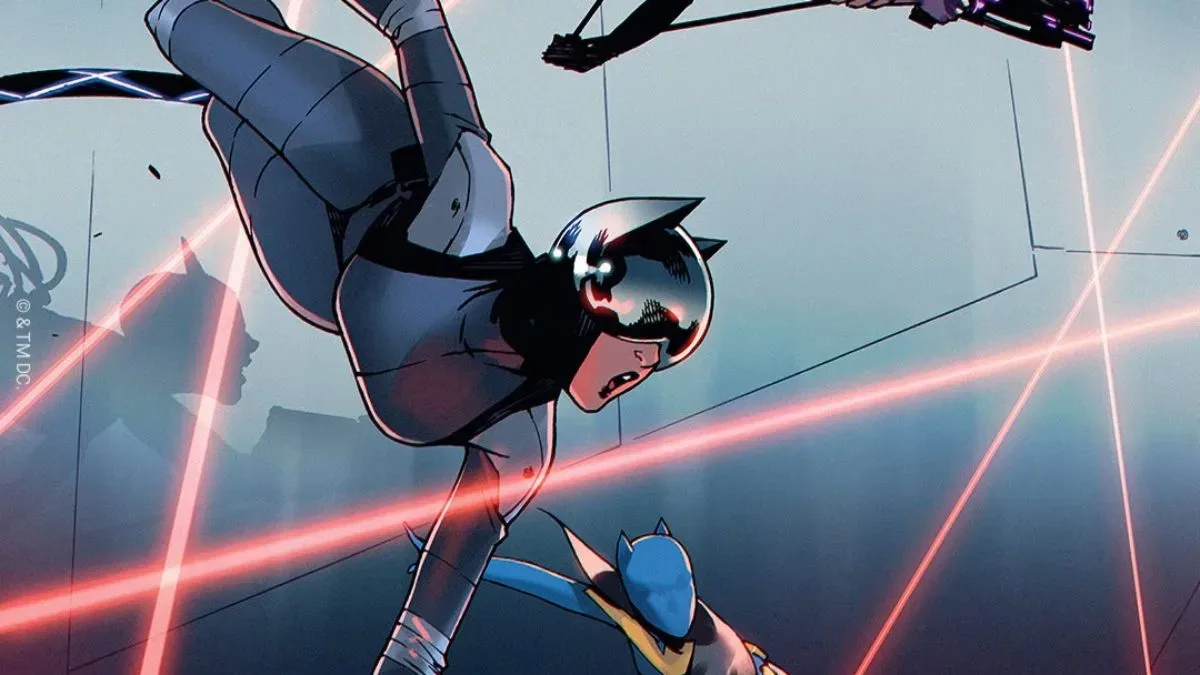
For readers following the comic-book side of DC’s larger character landscape, the planned expansion of Absolute Catwoman is another reminder that Gotham’s cast can support stories beyond Batman himself. It should not, however, be treated as a clue to DCU film casting or continuity; no such connection has been established.
What is actually confirmed next for the DCU
The next DCU film identified here is Man of Tomorrow, scheduled for theatrical release on July 9, 2027. No confirmed appearance by Batman in that film is provided. Gunn’s comments specifically warn against converting expectation into fact, so it would be premature to assume Batman’s debut will happen there.
For now, the reliable takeaways are narrow but consequential: the DCU Batman remains uncast; casting is expected to move closer in the not-too-distant future; Gunn wants to choose based on the demands of the part; and the character is envisioned in roughly the same age bracket as the early-30s Superman already established in the franchise.
Everything beyond that — candidates, debut timing, costume, supporting cast, the exact state of the Damian Wayne story, and whether Batman appears before The Brave and the Bold — remains unconfirmed. In a franchise built to invite theories, that is the line between an intriguing direction and an actual reveal.