Major spoilers for Resident Evil follow, including its ending.
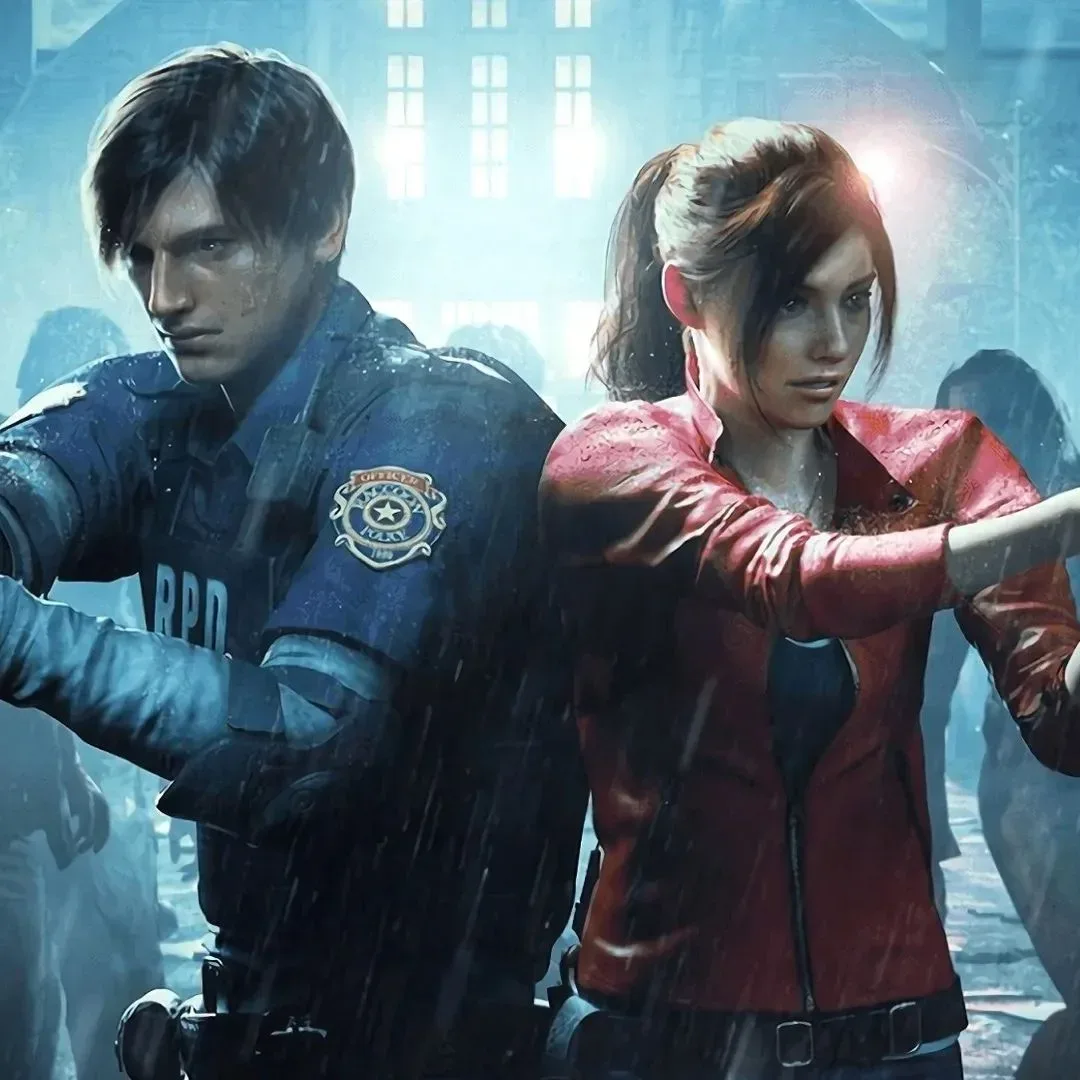
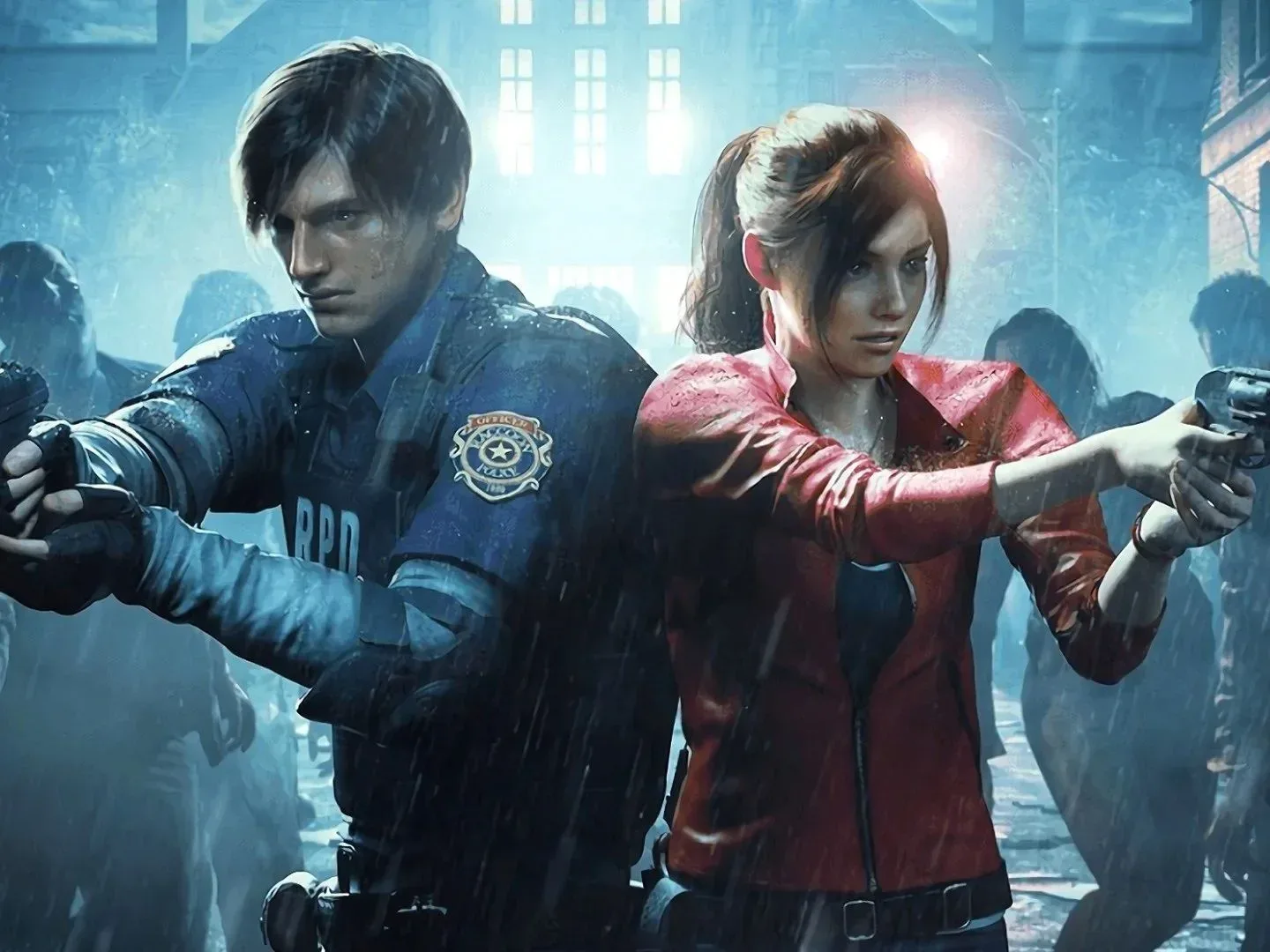
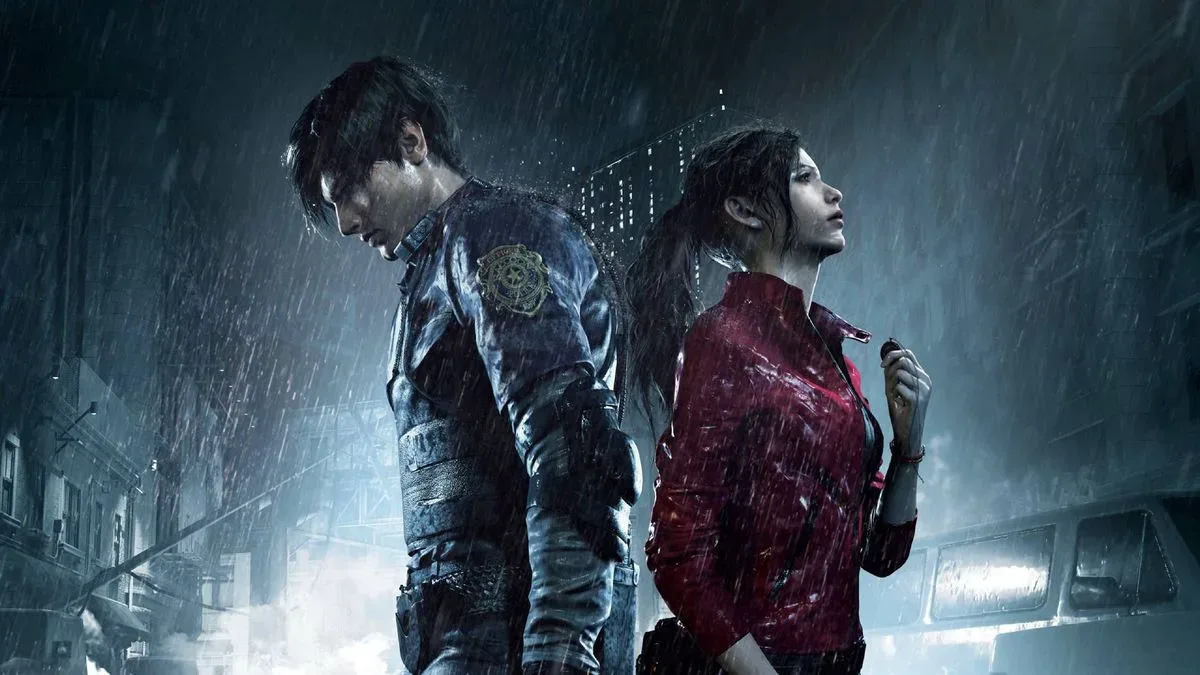
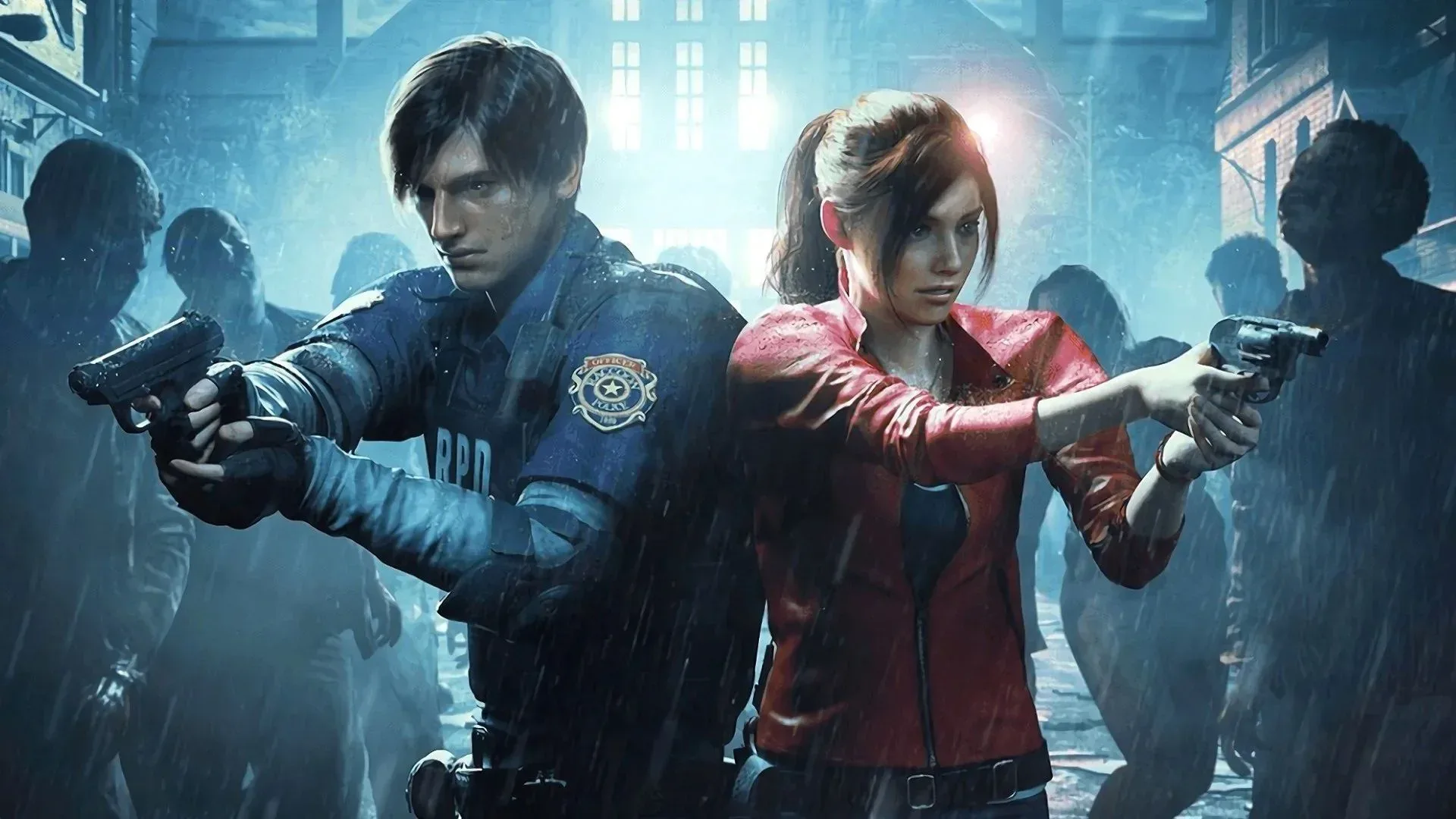
Fans walking into Zach Cregger’s Resident Evil with a mental inventory of Raccoon City residents may spend much of the film waiting for a familiar face to emerge from the blood, broken glass, and deeply unwelcoming canine population. Leon S. Kennedy and Claire Redfield are two of the most recognisable names associated with the franchise’s Raccoon City disaster, so the question is straightforward: do either of them appear in this new movie?
No. Leon and Claire are not in Resident Evil, and neither character is referenced.
That answer may disappoint viewers expecting a film built around game-character cameos. But it also explains the movie’s particular approach. Cregger’s story is not presented as a retelling of the familiar 1998 Raccoon City scenario. It takes place in the present day and follows an original protagonist, Bryan, rather than Leon or Claire. The setting and the wider franchise vocabulary are there, but the movie uses them to tell an adjacent story with its own cast and crisis.
For a broader, non-spoiler assessment of the film’s survival-horror approach, read our Resident Evil review.
The direct answer: no Leon, no Claire
Leon S. Kennedy does not make a surprise entrance, whether as a rookie officer, a hardened operative, or a last-minute rescuer. Claire Redfield does not arrive searching for Chris, either. There is no post-credits-style reveal described here, no disguised appearance, and no verbal acknowledgement that places either character just off-screen.
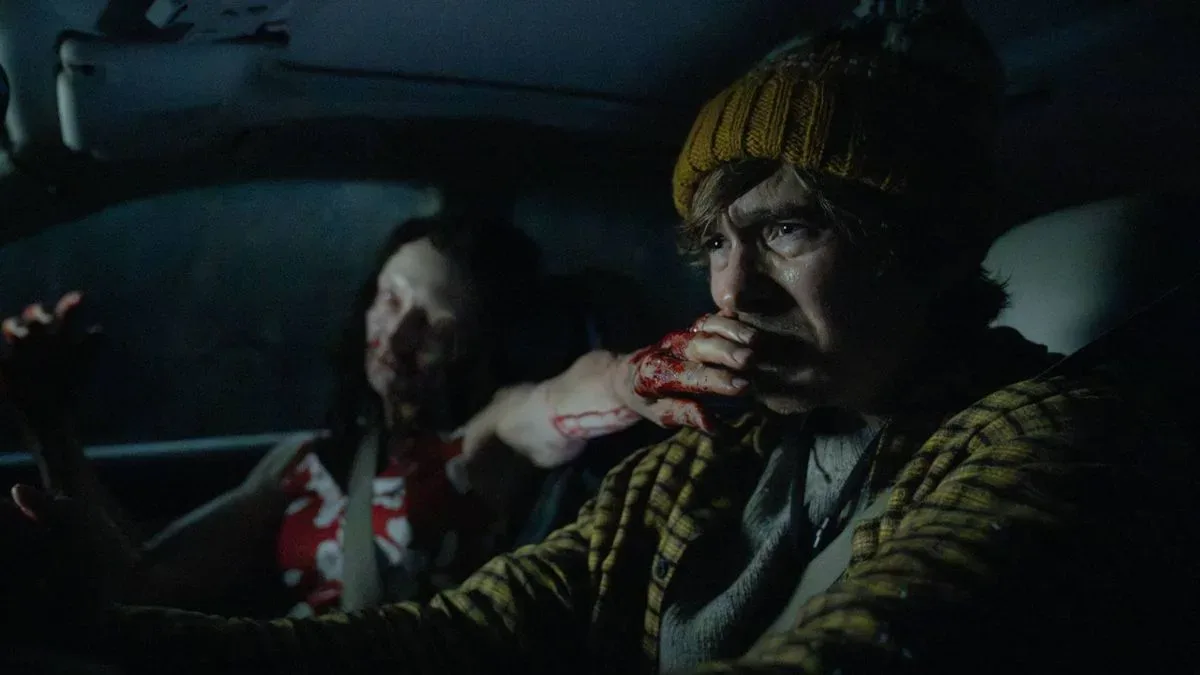
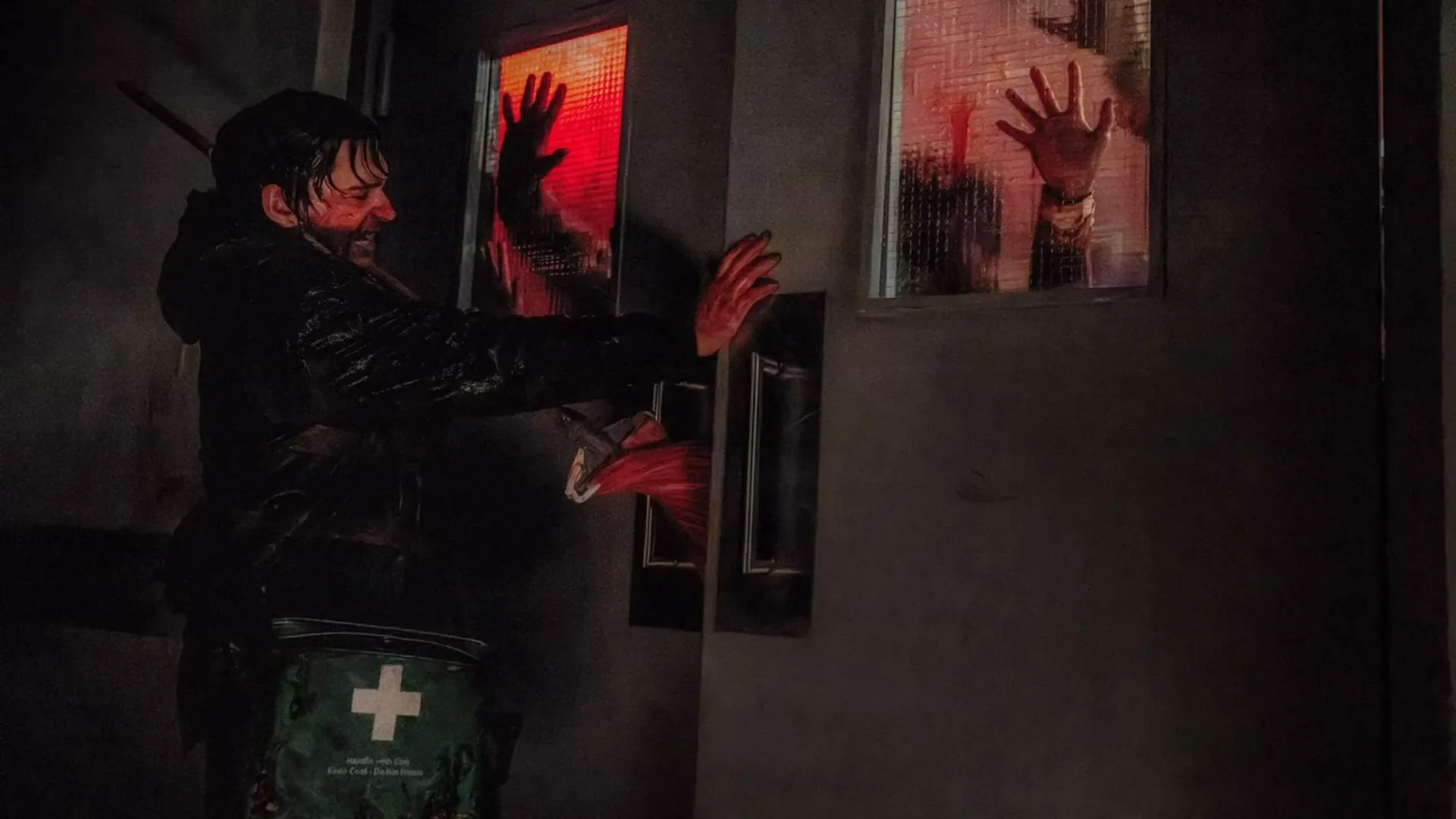
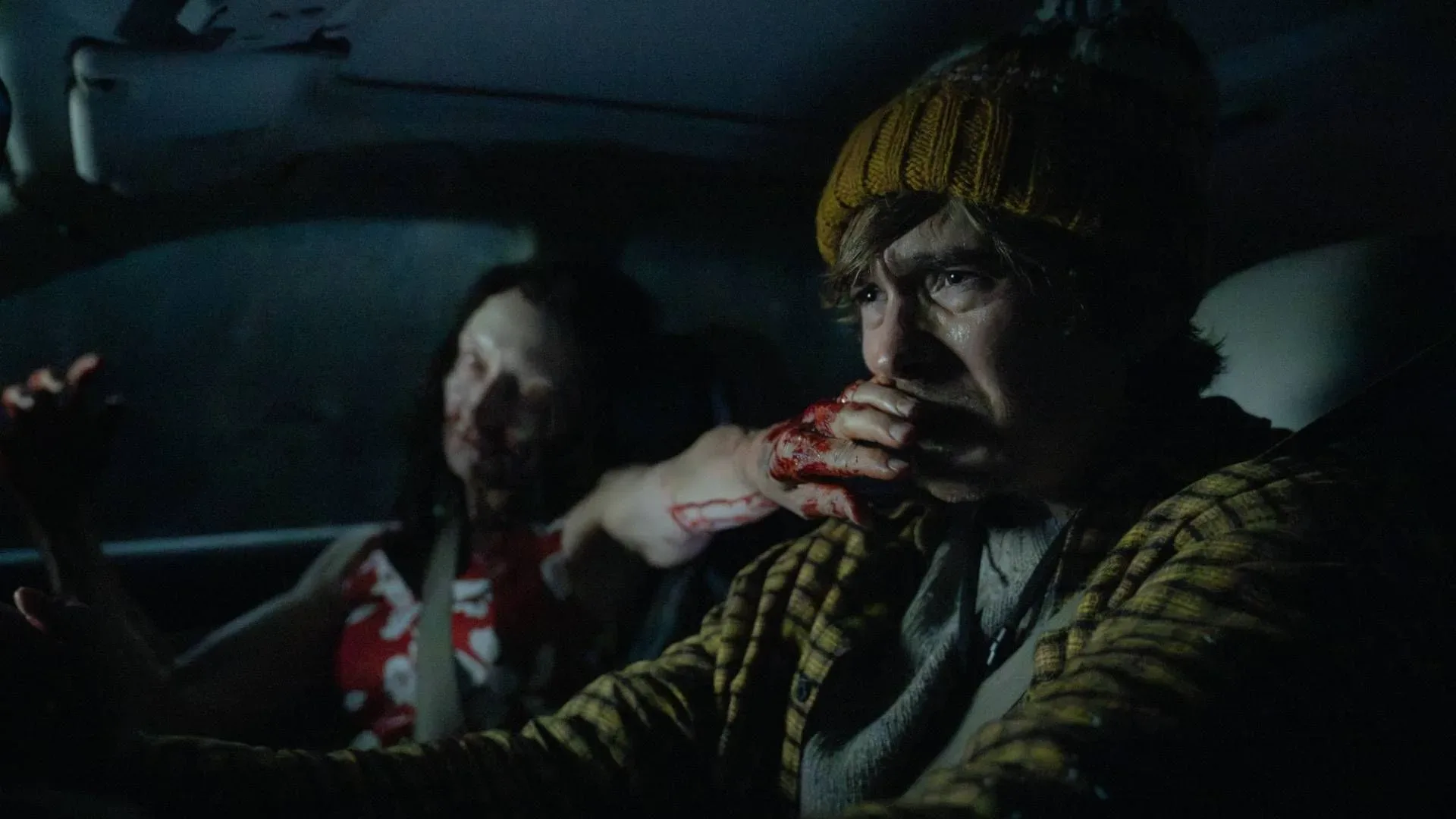
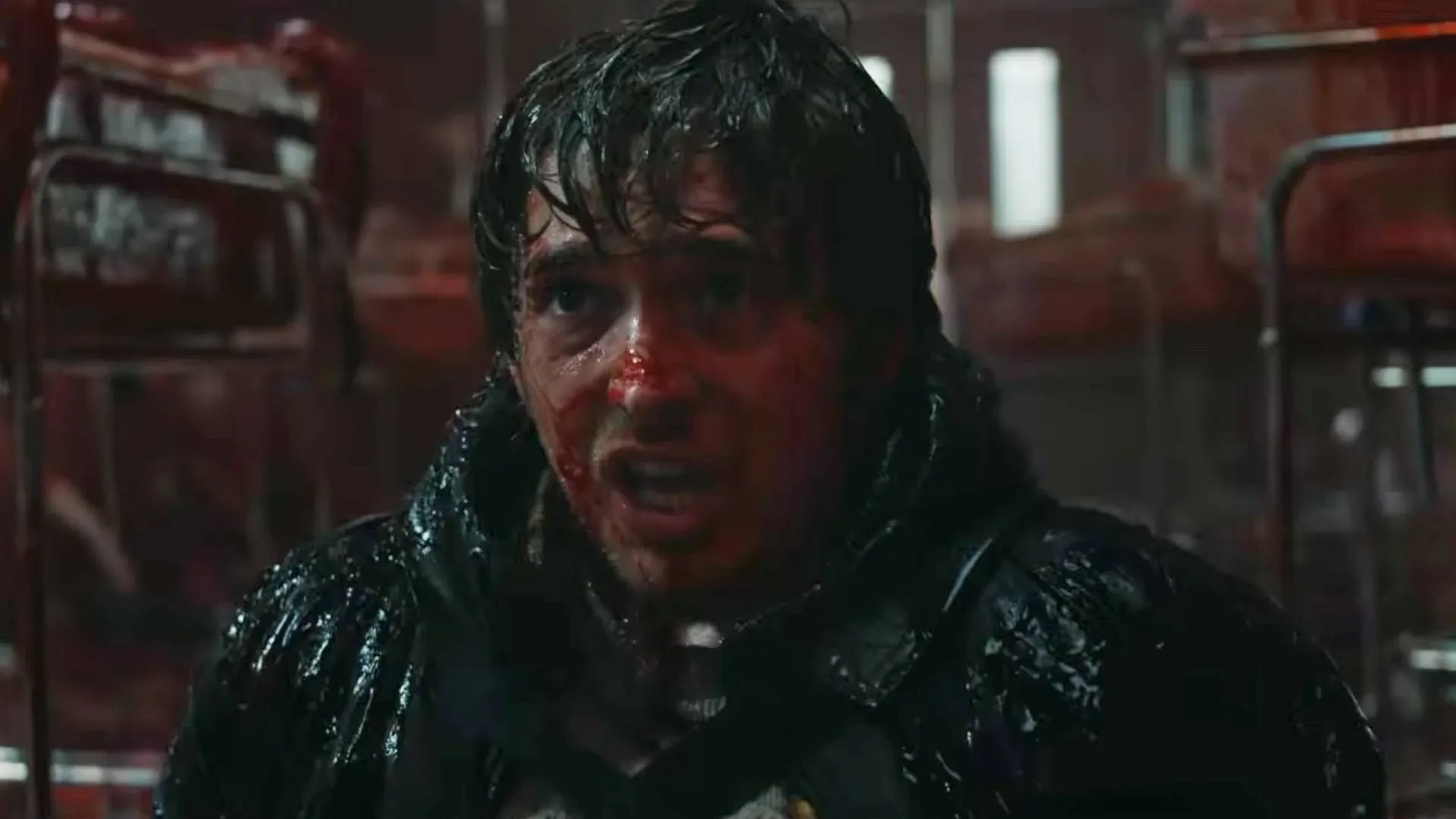
Bryan’s important encounters are instead with characters created for this film. Austin Abrams plays Bryan, an organ-delivery worker attempting to complete the final job of his night when he heads into Raccoon City. His route quickly becomes a survival nightmare involving undead threats, vicious dogs, and enormous creatures.
The central supporting players are also original to the movie: Kali Reis plays police officer Maxine, while Paul Walter Hauser plays Carl, an Umbrella Corporation employee. Those relationships define the human side of Bryan’s ordeal. The film does not position Maxine or Carl as placeholders for Leon and Claire, nor does it turn its original cast into a scavenger hunt for altered versions of established heroes.
Related coverage includes Resident Evil Movie Spoilers: Are Leon and Claire in Zach Cregger's Film?.
Why the familiar characters are absent
The key detail is the film’s timeframe. This Raccoon City story is set in the present day, rather than in 1998. That separation matters because the movie is not simply transplanting the events associated with the games’ original Raccoon City catastrophe into a new cast configuration.
In adaptation terms, an alternate-universe approach means a work uses recognisable elements from an existing property without being bound to every event, chronology, or character placement from its established continuity. The film still makes Raccoon City and Umbrella Corporation meaningful fixtures. Yet it has room to build a different disaster around Bryan, Maxine, and Carl.
That choice can initially feel counterintuitive for a franchise so defined by its long-running protagonists. Leon and Claire carry immediate associations: one name can evoke a police-station survival story; the other can evoke a parallel fight through a city in collapse. Their absence therefore is not a minor casting footnote. It signals that this movie’s priority is a new point of entry, not a greatest-hits roll call.
It also prevents Bryan’s story from becoming merely the prelude to a more famous character taking over. He is the person dropped into the nightmare, with no indication that an iconic franchise lead will arrive and resolve the situation for him. The tension comes from that lack of a safety net as much as from the creatures themselves.
What “adjacent” means for this Resident Evil
The movie’s relationship with the games is best understood as adjacent rather than wholly detached. It is recognisably Resident Evil: Raccoon City is the destination, Umbrella is part of the picture, and the danger includes undead and biological monstrosities. Those are foundational pieces of the franchise’s identity.
At the same time, the movie does not ask viewers to assume that its version of the city must align scene-for-scene with the 1998 game setting. The present-day placement makes that especially clear. The question is not simply, “Where are Leon and Claire during this incident?” The more relevant question is whether this continuity even places those versions of the characters in this city at this moment. The film does not answer it.
That ambiguity is deliberate in practical storytelling terms. It lets the creators borrow the pressure and imagery attached to Raccoon City while making the audience learn the immediate stakes through Bryan. A newcomer does not need a timeline chart to understand that an organ courier has made an extremely bad final delivery. A longtime fan, meanwhile, can recognise the franchise framework while watching it bend into a new arrangement.
Original characters, familiar institutional horror
Carl’s role as an Umbrella Corporation suit is important because Umbrella represents a familiar kind of threat within the property: institutional power sitting close to catastrophe. Maxine brings a police presence to Bryan’s survival story, but she is not introduced as an on-screen substitute for Leon. Bryan, Maxine, and Carl form the film’s own set of perspectives on the disaster.
This is also why an expected cameo would have changed the movie substantially. Introducing Leon or Claire would immediately shift attention toward what those characters know, how they relate to the broader franchise mythology, and whether the film intends to recreate a particular plotline. By keeping them out, the story remains tied to Bryan’s increasingly desperate journey through the city.
The ending leaves a monster-sized opening
The ending provides the clearest reason viewers are considering future appearances at all. Bryan is fully transformed into a horrific monster by the conclusion, facing what appear to be military helicopters. That final image does not confirm a sequel. No additional Resident Evil film has been confirmed as being in development.
It does, however, leave a conspicuous narrative problem behind for any continuation: Bryan is no longer just a survivor of the outbreak. He is a new monster at the centre of its aftermath. That creates a possible bridge for a second chapter, one where a different set of protagonists could confront the consequences of the first film.
The franchise has often made room for creatures whose horror is complicated by a human tragedy. Bryan’s transformation gives a potential follow-up the same option. A sequel could treat him primarily as a destructive threat, focus on whether any part of his former self remains, or combine both ideas. None of those directions is confirmed, but the ending supports the possibility of Bryan’s return.
Military helicopters also broaden the scale beyond one man’s nightmare. Their arrival suggests an organised response to whatever Bryan has become. In a sequel framework, that could create space for characters with combat or investigative roles. Leon and Claire are obvious names for fans to imagine in that context, but imagining a route into the story is different from confirmation that the characters will be used.
Could Leon and Claire show up in a sequel?
They could, but there is currently no confirmation that they will. The most grounded answer is that the ending makes a continuation possible, not guaranteed. The film’s reportedly strong critical reception and an expected opening weekend of more than $50 million make another instalment easy to speculate about, but a prospective box-office figure is not the same thing as a production announcement.
If a second film does happen, introducing Leon and Claire then would have a certain structural logic. The idea of their first appearance coming in a chapter informally thought of as Resident Evil 2 naturally echoes their association with the game sequel. More importantly, it would preserve the first film’s commitment to Bryan while giving a continuation a new human viewpoint.
There is no need, though, to assume that a sequel would have to make both characters its leads. An alternate-continuity movie could use either, both, or neither. It could keep following original characters. It could position Bryan as the central threat and build a new response around him. Until a sequel is officially confirmed and casting or story details are announced, every one of those possibilities remains speculation.
What fans should take from the absence
The absence of Leon and Claire is neither a hidden twist nor evidence that viewers missed a subtle reference. It is a clear creative choice. Resident Evil tells a present-day story in Raccoon City through Bryan, Maxine, and Carl, and it uses the franchise’s outbreak horror as the environment for their conflict.
For viewers who wanted a direct adaptation of Leon and Claire’s Raccoon City material, that distinction is important to know before watching. This is not that story. For viewers open to a new nightmare in a recognisable location, the movie’s approach offers a different proposition: familiar terror without the requirement that established heroes arrive to make sense of it.
And for anyone who has already seen the ending, the accurate wait-and-see position is equally simple. Bryan’s final transformation gives a possible next film a major unresolved threat. Leon and Claire would fit easily into fan theories about how to confront it, but they are not in this movie, and their involvement in any future chapter has not been announced.