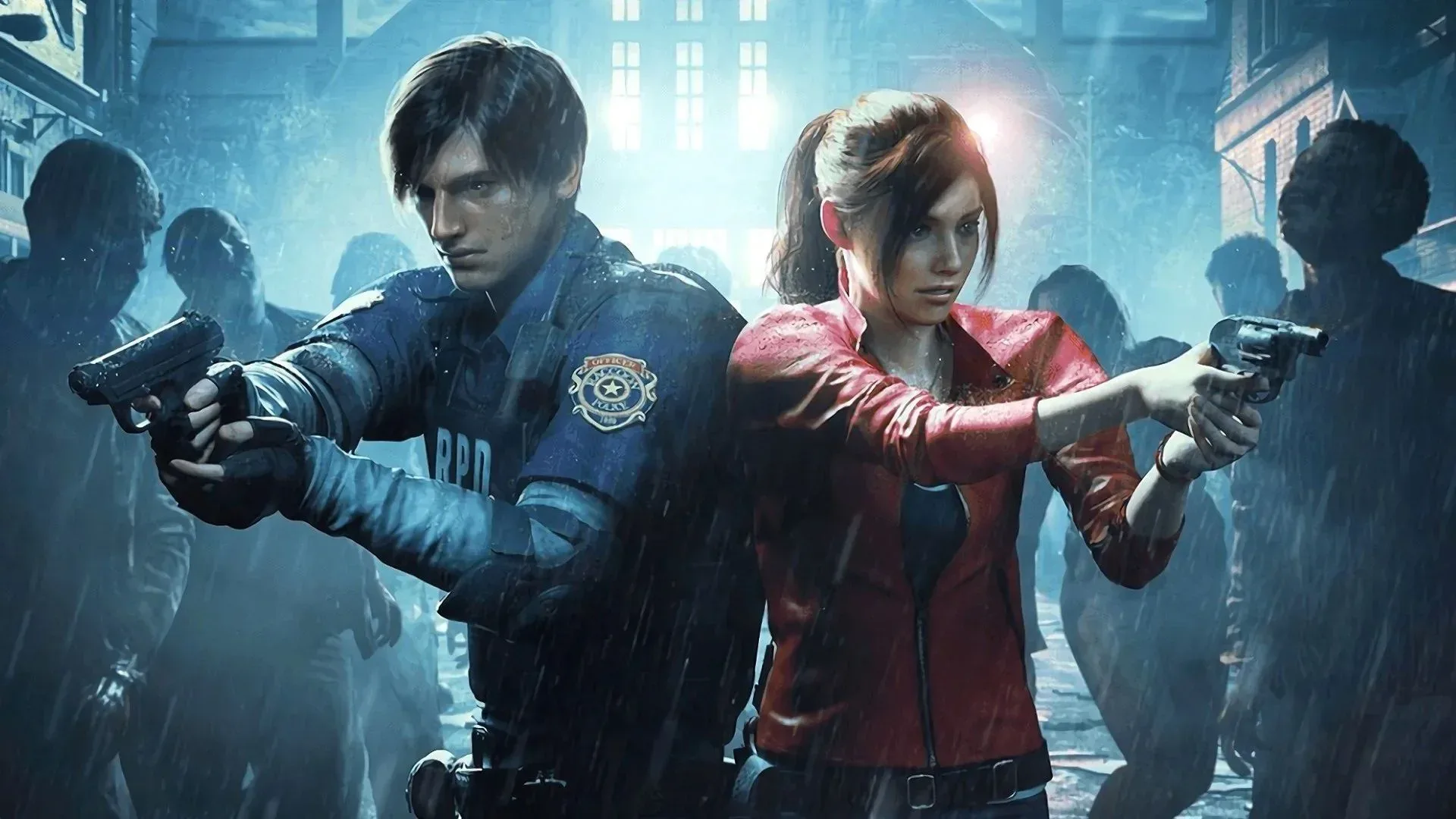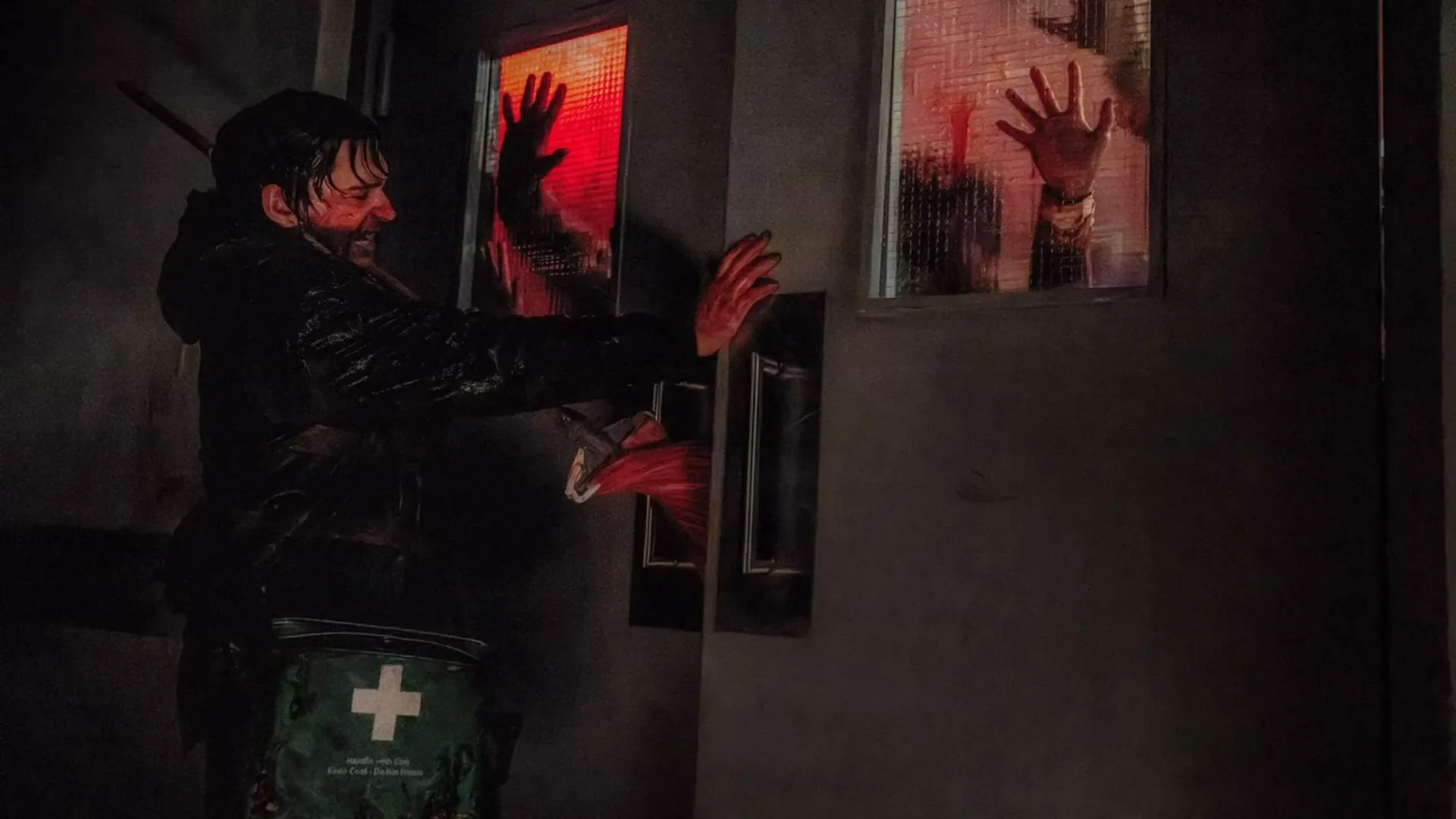
Zach Cregger’s Resident Evil takes a deliberately clean-slate route into a series that has accumulated plenty of baggage. This version leaves earlier movie leads, familiar game heroes and knotty pre-existing lore outside the door. What remains is a far more direct survival-horror proposition: one unlucky courier, Bryan, gets swept into escalating danger around Raccoon City, where the T-Virus turns the infected into flesh-hungry monsters.
That stripped-back approach is this adaptation’s central virtue. Rather than treating the property as an excuse for lore delivery, Cregger appears interested in recreating the particular pressure of playing Resident Evil: scarce ammunition, uncertain surroundings and the sickening awareness that the situation is becoming less manageable by the minute. The film does not merely borrow the names and imagery of a game franchise. Its best passages translate the logic of survival horror into screen tension.
It is also, emphatically, a midnight movie. The emphasis is on bodily fluids, exploding bodies, pulsing gore and an audience-friendly cycle of recoil, release and laughter. That gives the film a specific viewing context. Its pleasures sound best suited to a crowd ready to gasp at a scare, laugh at a disgusting escalation and enjoy a popcorn-ready blast of mayhem. Anyone looking for a lore-heavy franchise chronicle or a drama with a large thematic afterlife may find the film’s priorities limited. But its economy is part of the point: this is a roughly 90-minute movie built to move.
A confident first-act descent
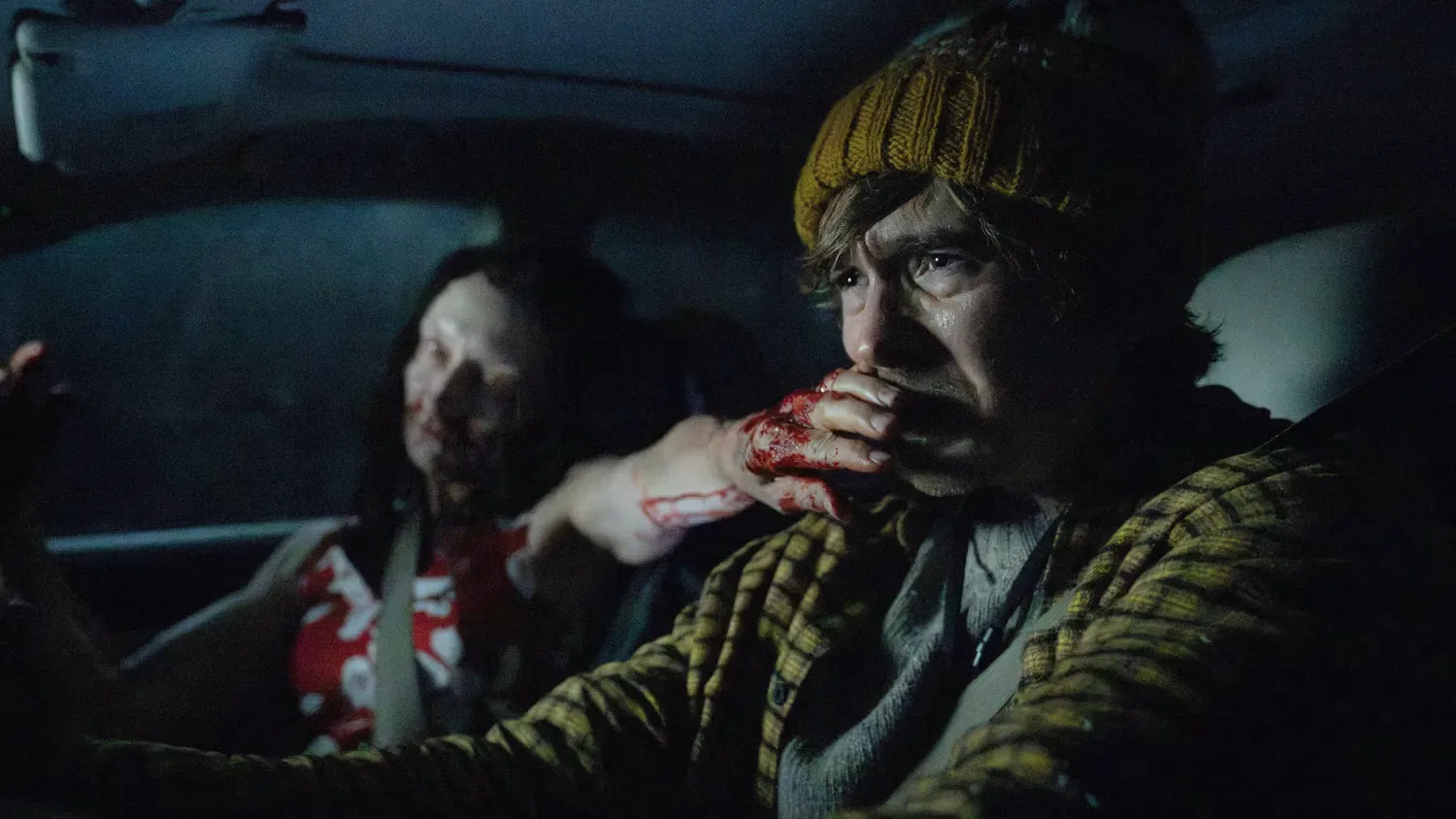
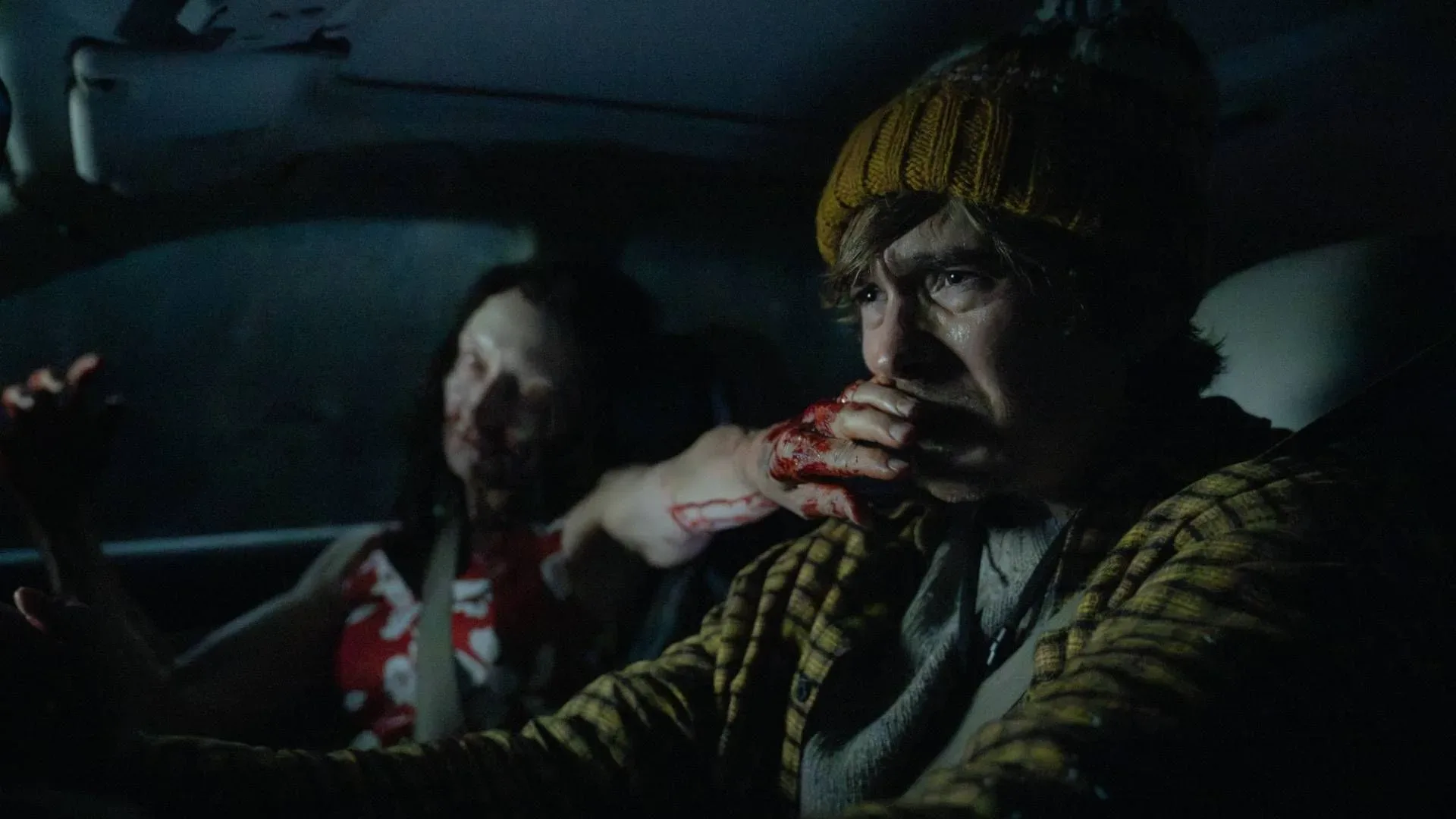
The early stretch, set on an icy road outside Raccoon City, is where the movie most forcefully establishes its command of unease. An accidental roadside encounter becomes a chain of worsening problems, and Cregger reportedly lets the dread develop through physical, immediate details: a floorboard creaking, a threatening camera angle, the dwindling number of bullets in a gun.
Those choices matter because they put the audience in Bryan’s compromised perspective rather than simply presenting a procession of monsters. Point-of-view shots and a leering camera can make a viewer feel watched, trapped or one wrong decision away from disaster. The effect, as described here, is not panic for its own sake but a clear spatial and emotional identification with a character who is badly out of his depth.
The film’s scares are especially effective because it does not seem to rely on constant cheap jolts. Misdirection and held tension do more of the work. That restraint lets the eventual shocks land with more force; if every scene is shouting, none of them can surprise. The opening therefore suggests a filmmaker who understands that horror depends as much on anticipation as impact. The blood may be the attraction, but the suspense supplies the momentum.
This is also where the film’s game-derived design feels most natural. Counting rounds and noticing environmental warning signs are not empty callbacks when they actively sharpen a scene’s stakes. They make danger legible. A limited magazine is not merely an object associated with a shooter; it is a clock. A noisy floorboard is not decoration; it is a threat that can betray a survivor’s position. Cregger’s most persuasive achievement is making these familiar survival-horror pressures work as cinematic storytelling tools.
From survival pressure to a more uneven middle
The movie’s no-frills structure marks a notable change of gear for Cregger. His earlier films have been associated with more elaborate construction and shifting points of view, while Resident Evil is framed as a simpler A-to-B mission. There is something appealing about that reduction. It prevents the film from becoming overburdened with explanation and keeps the focus on its poor, increasingly battered protagonist moving through one nightmare after another.
Still, directness is not the same as consistency. Once Bryan is deeper within Raccoon City, the second act reportedly becomes less certain about its direction. The tonal balance leans increasingly toward horror-comedy, with comedy taking the greater share, and some of the self-aware material begins to point too explicitly at the film’s video-game ancestry.
The clearest example is Bryan announcing that he is only good at guns in games. The premise already communicates the joke: a hapless civilian grows more capable under extreme pressure, in a way that resembles a player building skills. Saying it aloud risks converting an enjoyable structural echo into a knowing wink. Interpretation can be playful without underlining itself. Here, the meta humor seems to interrupt an adaptation that had been confidently embodying game logic rather than commenting on it.
That distinction explains why the middle stretch is a genuine limitation rather than simply an objection to jokes. Comedy belongs in Resident Evil; the source material has long carried a strain of flamboyant camp alongside its scares. The issue is calibration. When the comedy springs from Bryan’s fear, incompetence and resilient improvisation, it can make the danger more human and give the audience a needed release valve. When it starts to advertise the concept, it can flatten the immediate tension that made the opening work.
Fortunately, the final act regains clearer purpose by embracing the franchise’s campier roots. That sounds like a more productive way to reconcile the film’s two impulses. Rather than treating the absurdity as an excuse to stand outside the material and smirk, the ending appears to commit to the excess from within. In a story about grotesque infection, limited ammunition and a man repeatedly shoved beyond his capabilities, sincerity and silliness do not have to cancel each other out. They can make each other more vivid.
Austin Abrams carries the chaos
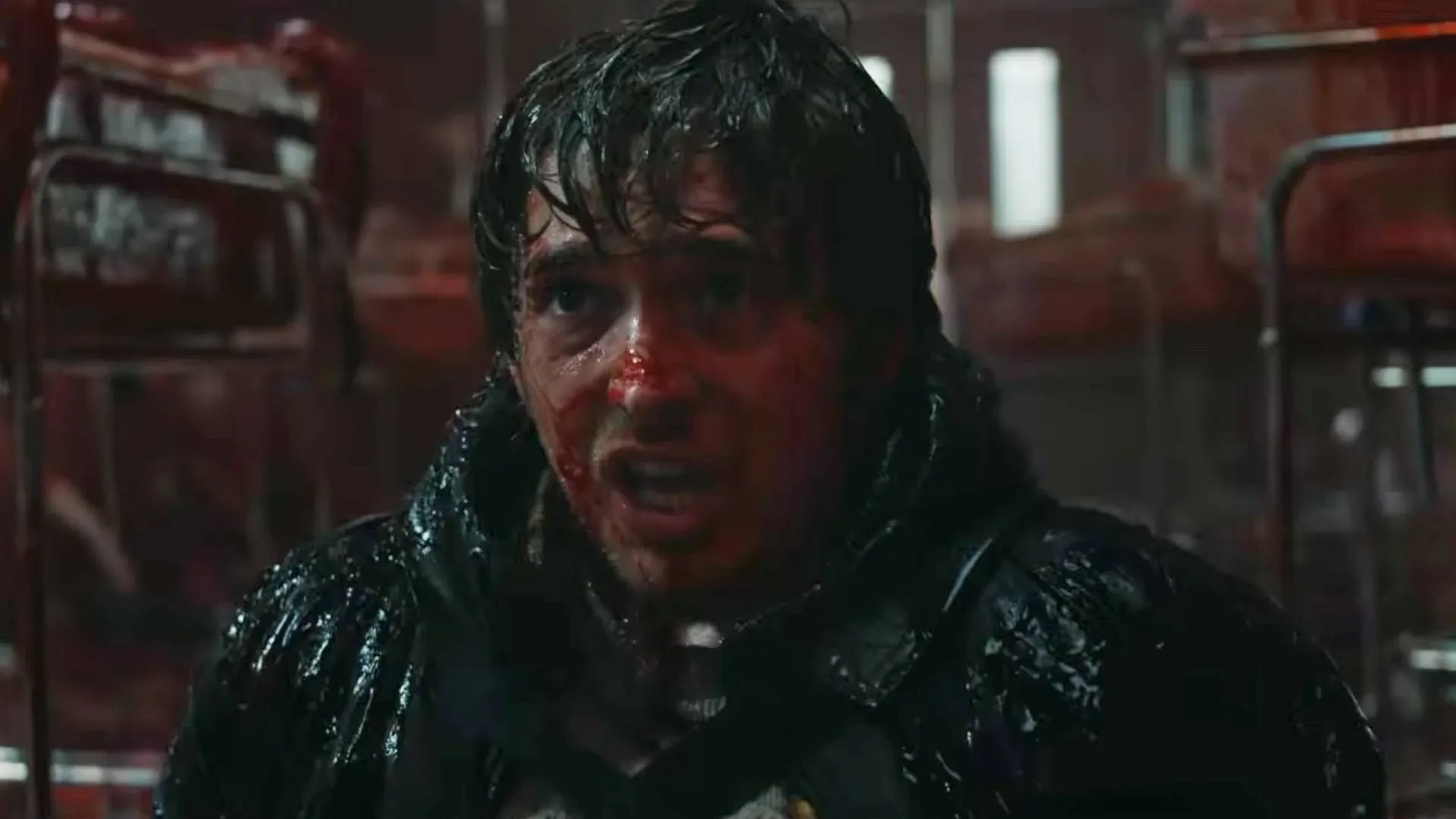
Austin Abrams is the essential connective tissue. As Bryan, he has to make a deliberately ordinary, overwhelmed figure worth following through a barrage of panic, gore and tonal pivots. The performance succeeds because Abrams seems to understand that the character’s inadequacy is not a problem to be smoothed away. Bryan is a goofball and an ideal target for the movie’s cruelties, which makes every worsening situation both stressful and funny.
Physical detail appears central to Abrams’ work: looking convincingly hopeless with a shotgun, registering the shock of being drenched in blood, and landing comic beats with an unforced looseness. That combination is vital. If Bryan were too capable too quickly, the film’s survival-horror stakes would evaporate. If he were only a punchline, the peril would lose emotional traction. Abrams keeps the character vulnerable enough to sustain anxiety while allowing the humiliation and shock to generate laughs.
His progression also supports the adaptation’s strongest game-to-film translation. Bryan’s increasing confidence with weapons resembles a literal skill tree: initially awkward, then more able to act under pressure. On paper, that could sound overly mechanical. In performance, it provides a clear character rhythm. Each small gain in competence changes how the audience reads the next danger, even if the movie does not need to turn that progression into a lecture about its influences.
Bloody entertainment, not deep infection
Resident Evil does not appear interested in turning viral horror into a dense thematic treatise. The T-Virus supplies an effective body-horror engine, and the film’s human concern is immediate survival rather than extended reflection. That is not automatically a weakness. A tightly built genre picture can be satisfying because it understands exactly what sensations it wants to deliver.
Yet the lack of much to consider once the credits roll places a ceiling on the recommendation. The film seems designed to be experienced intensely in the moment: scared, amused, grossed out, then sent home after a compact burst of entertainment. It earns points for delivering that experience with control in its first act, a recovery in its finale and an excellent central performance. It gives some of those points back when its middle section dilutes the tension with overly conspicuous meta humor.
For viewers who want a modern game adaptation to reproduce the tactile anxiety of managing bullets, navigating danger and surviving one ugly encounter after another, Cregger’s film has a persuasive answer. It is not trying to solve the franchise or elevate every bit of its silliness into prestige horror. It is trying to be tense, sticky, bloody and funny. More often than not, it succeeds. For further context on the film’s tension-led approach, see our early Resident Evil reactions roundup.
Verdict
Zach Cregger’s Resident Evil captures the anxious mechanics and gleeful mess of survival horror better than a lore-first reboot might have. Its icy opening is tense and sharply staged, Austin Abrams gives the chaos a likable, panicked center, and the finale finds an effective campy groove. A meandering, self-aware middle prevents the film from sustaining its strongest mode, but this remains a lively, gruesome crowd-pleaser for viewers who value scares, splatter and momentum over depth.