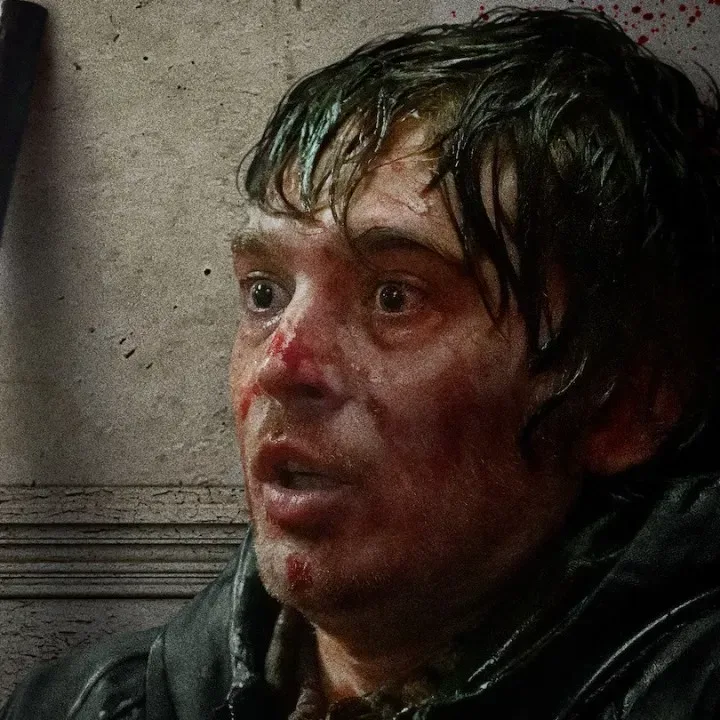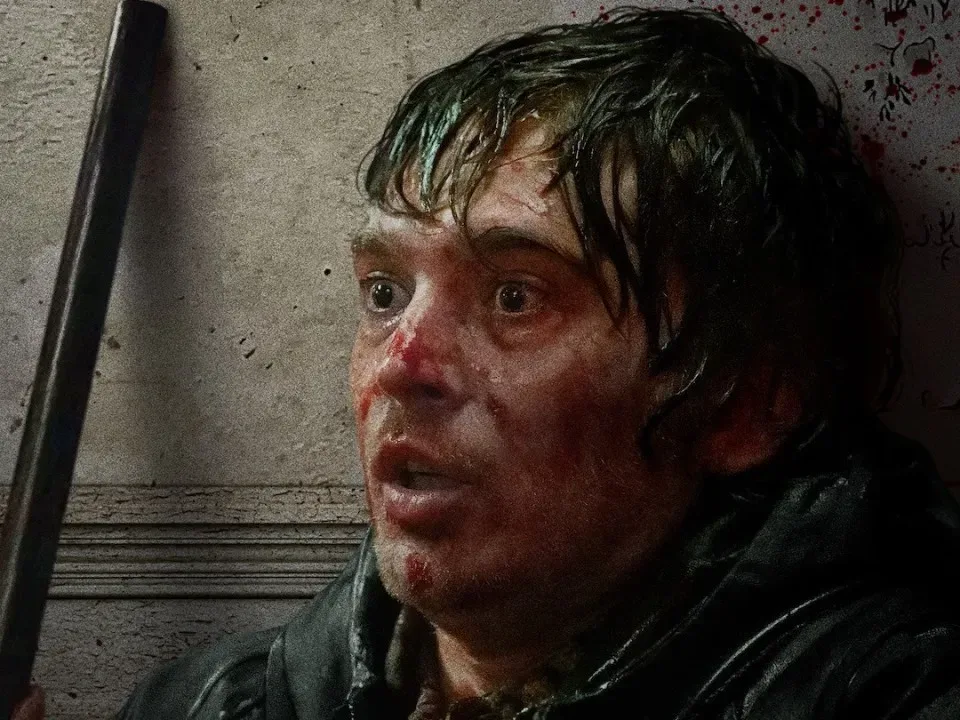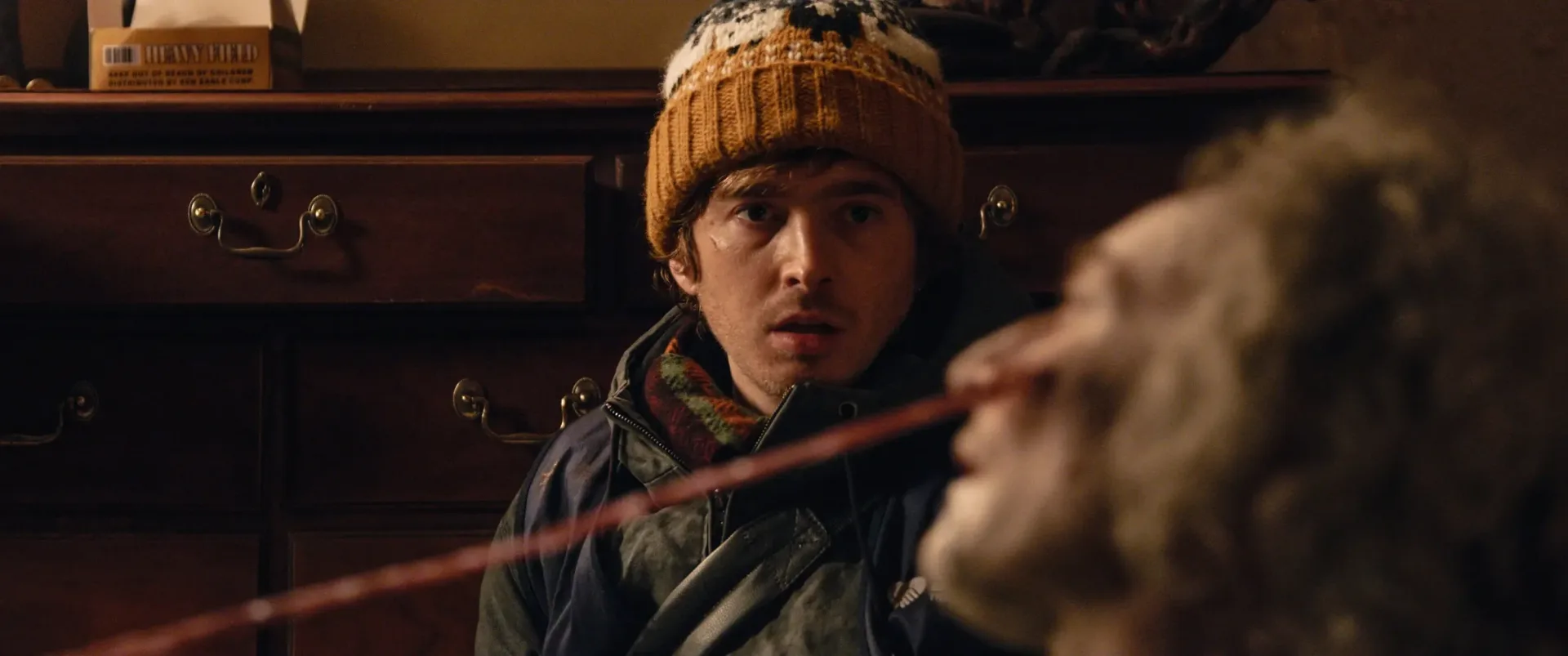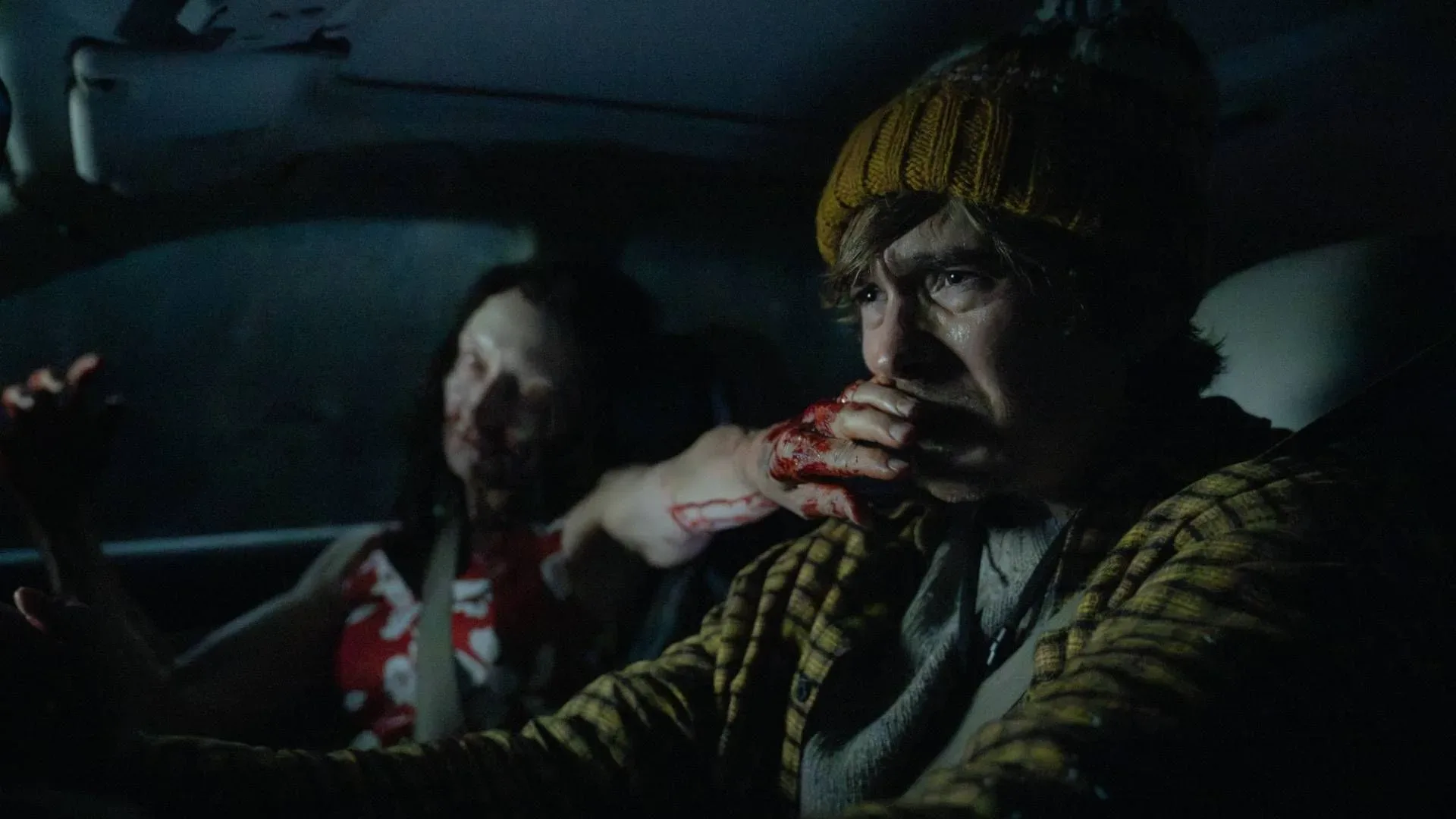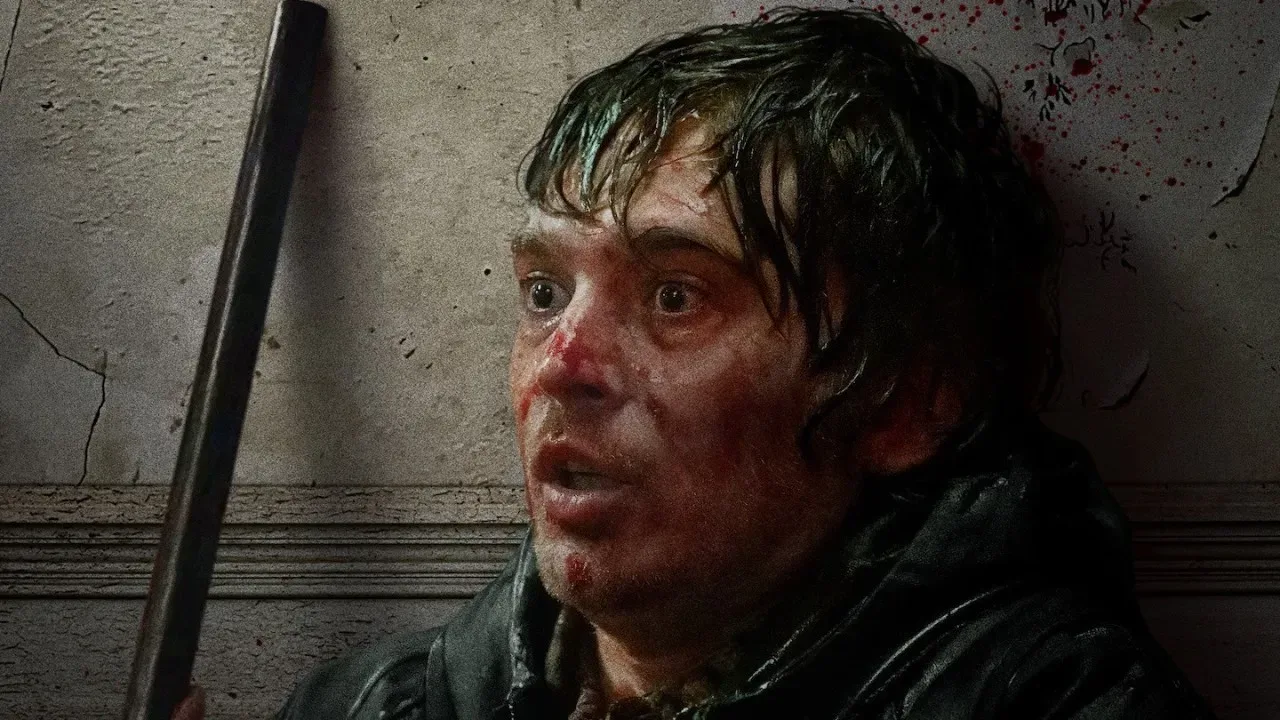
Fans hoping for a future “Cregger cut” of Resident Evil that restores every discarded joke may be chasing the wrong version of the film. Director Zach Cregger has made his position clear: the theatrical release is already the version he wants audiences to see.
The new live-action adaptation, which premiered on September 18, 2026, tells an original story inspired by Capcom’s survival-horror game series and stars Austin Abrams. Its reception has prompted a notably specific conversation. Rather than centering solely on lore references or where the film sits beside the games, viewers have been debating its comic timing: some see a welcome strain of humor running through a frightening situation, while others feel the movie could have been even more severe.
That discussion gained another wrinkle because Cregger had previously indicated that test-audience feedback found an earlier version too funny. Now, he says the jokes removed in editing should stay removed. In his view, a few moments of levity are useful, but they cannot be allowed to change the movie’s core identity. Resident Evil, he argues, needed to work as horror before anything else.
The theatrical release is the preferred cut
“Director’s cut” has become a flexible bit of fan shorthand. It can mean an extended version, a restoration of deleted scenes, a version freed from studio demands, or simply a wish for more material. In this case, Cregger has pushed back on the premise behind the label. The release in theaters is not a compromised draft waiting to be corrected later; it is the cut that reflects his decision about tone.
That distinction matters. Deleted material is not automatically material that was wrongly excluded. A scene can be well performed, sharply written, and genuinely funny while still damaging the momentum or mood of the larger movie. Cregger acknowledged that letting go of a joke is difficult, particularly given his background in comedy and the desire to reward a performer who lands a strong laugh. But he describes editing as a matter of serving the whole film rather than preserving every individually successful beat.
For viewers, that likely lowers expectations for an alternate edition built around restored punchlines. Cregger did not specify how many jokes were cut, what form they took, or whether they could ever be released separately. What he did communicate is more decisive: he believes their absence improves the movie.
Why humor is the big Resident Evil debate
The reaction is understandable because the words “survival horror” set a particular expectation. In games, the term generally describes an experience structured around vulnerability, pressure and limited security. Players are often asked to manage danger rather than dominate it. A live-action film does not reproduce game controls or player choice, so it has to create that anxious feeling through performance, pacing, sound, framing and the credibility of its characters’ fear.
Comedy can complicate that effort. A joke after a scare may give the audience room to breathe. A joke during a moment meant to feel lethal can instead tell the audience to relax. The practical issue is not whether a frightening story is permitted to be funny. It is whether the laugh changes the stakes.
Related coverage includes Zach Cregger Says Resident Evil's Theatrical Release Is Already His Preferred Cut.
Some viewers have characterized Resident Evil as a horror-comedy because its characters respond to danger in ways that resemble how players might react: disbelief, panic, awkwardness, or the instinct to find something absurd in an impossible situation. That is a potentially useful adaptation choice. Video-game protagonists can be unusually composed because they exist to carry out player actions. A screen character who reacts more like an overwhelmed person may feel more human, and humor born from that human response need not be a detached gag.
At the same time, the response online shows why Cregger’s trimming decision has become so visible. One group appreciates the lighter beats and sees them as compatible with the terror. Another would prefer fewer interruptions to dread. Neither response is necessarily a disagreement about whether a scene is funny; it is a disagreement over what job humor should have in this particular kind of story.
Levity is not the same thing as lowering the stakes
Cregger’s explanation draws a line between levity and a full tonal handoff to comedy. Levity is a brief release of tension: a reaction, an awkward observation or an unexpected contrast that gives the audience a breath before the next threat. A horror-comedy, by contrast, more consistently makes fear and laughter co-equal aims. The supplied reactions suggest audiences are placing this Resident Evil somewhere along that spectrum.
The director’s stated priority suggests a useful way to read the finished film. Its humorous material is intended to work inside a horror framework, not to replace it. The cut jokes may have been good in isolation, but Cregger believes more of them would have shifted the balance too far. This is an editorial judgment, not an assertion that the omitted scenes failed.
That approach also helps explain why “release the funny version” is not a simple request. Restoring material changes more than runtime. It can alter the rhythm between scares, the audience’s trust that danger has consequences, and even how viewers understand a protagonist. A character who cracks a joke at one key moment may feel resilient; at another, they may seem insufficiently afraid. Context decides which reading wins.
An original story leaves room for character reactions
The film’s original-story approach is another important piece of the conversation. It is inspired by the Resident Evil game property rather than presented here as a direct retelling of a specific game narrative. That leaves room for the film to develop its own protagonist and situation while still drawing on the broader survival-horror identity associated with the franchise.
It also means the discussion cannot be reduced to a checklist of familiar references. Fans may still care about connections to the games, but the immediate debate around this release has moved toward the emotional experience of watching it. Does the movie feel frightening? Does its comedy make the central character more believable? Does it undercut threats or help the audience endure them? Those are adaptation questions every bit as meaningful as whether a recognizable detail appears on screen.
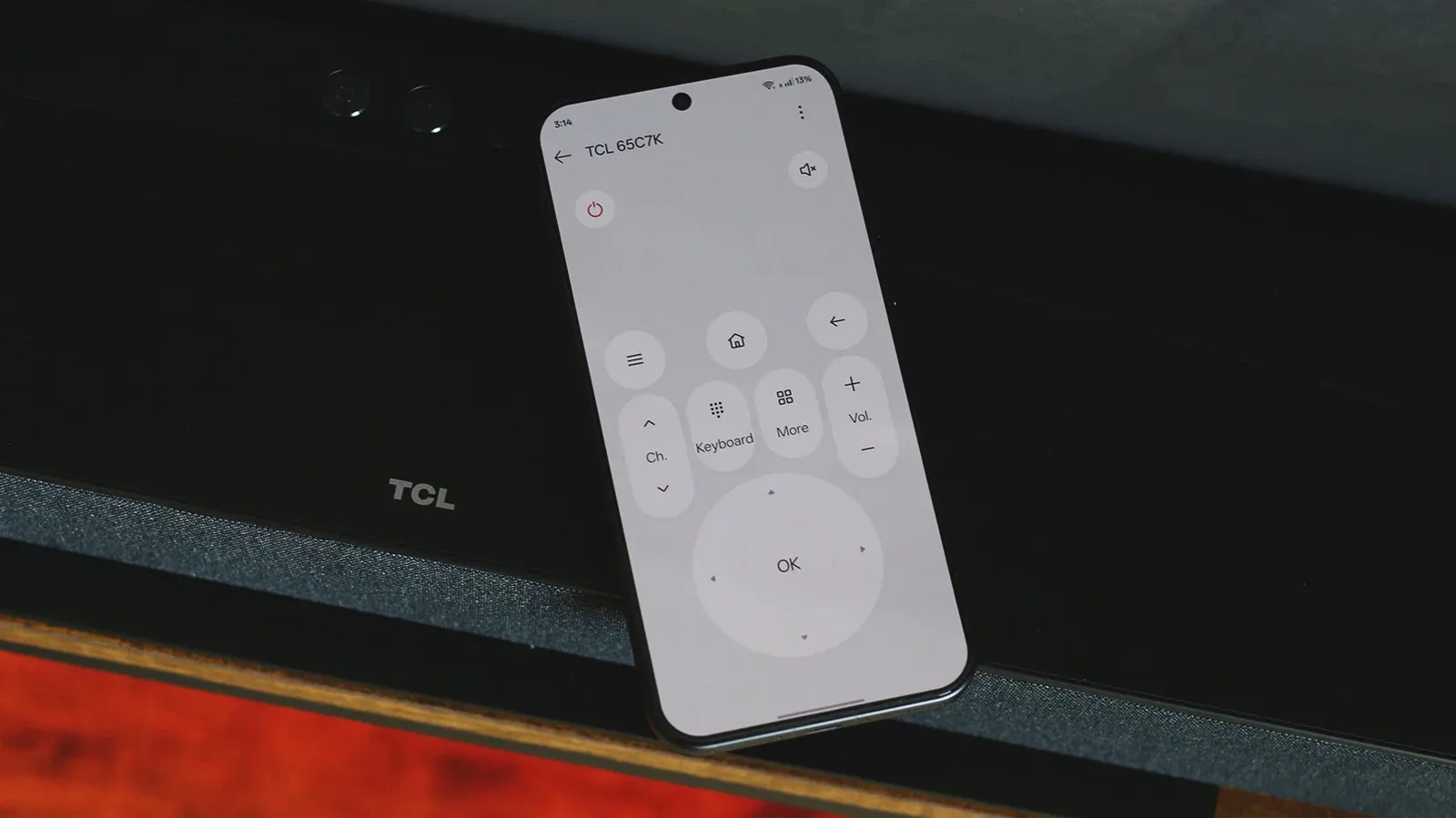
For people planning a home rewatch later, the viewing setup can influence how both atmosphere and comic timing land. A dark room, sensible screen distance and fewer distractions generally make it easier to follow a film’s shifts in tension. And if the remote has vanished at the worst possible time, a phone can be a useful fallback for keeping the movie night moving; see this guide on how your phone can keep game night and streaming moving.
What Cregger’s answer does—and does not—confirm
There are still clear limits to what is known. Cregger has not laid out a scene-by-scene list of cut jokes. There is no confirmed alternate edition, no stated plan for an extended release, and no indication that the discarded material will be assembled into a more comic version. The idea of an expanded “Cregger cut” is a fan response, not a confirmed project.
What is confirmed is simpler: Cregger is satisfied with the theatrical version’s balance. He regards the choice to remove jokes as correct, even while praising the material that did not make the final cut. That is a meaningful answer for audiences trying to interpret the film’s tonal mixture. The laughs that remain are not evidence that the horror was accidentally diluted; they are part of a version deliberately shaped to keep horror in the lead.
Whether that balance works will remain subjective. Some viewers will come away wanting the movie to lean further into its weird, reactive humor. Others will agree with the director that the sharper horror focus is the better trade. But the question of authorial intent is unusually settled here: there is no hidden, more joke-heavy definitive version being promised. The version currently in theaters is the one Cregger considers definitive.