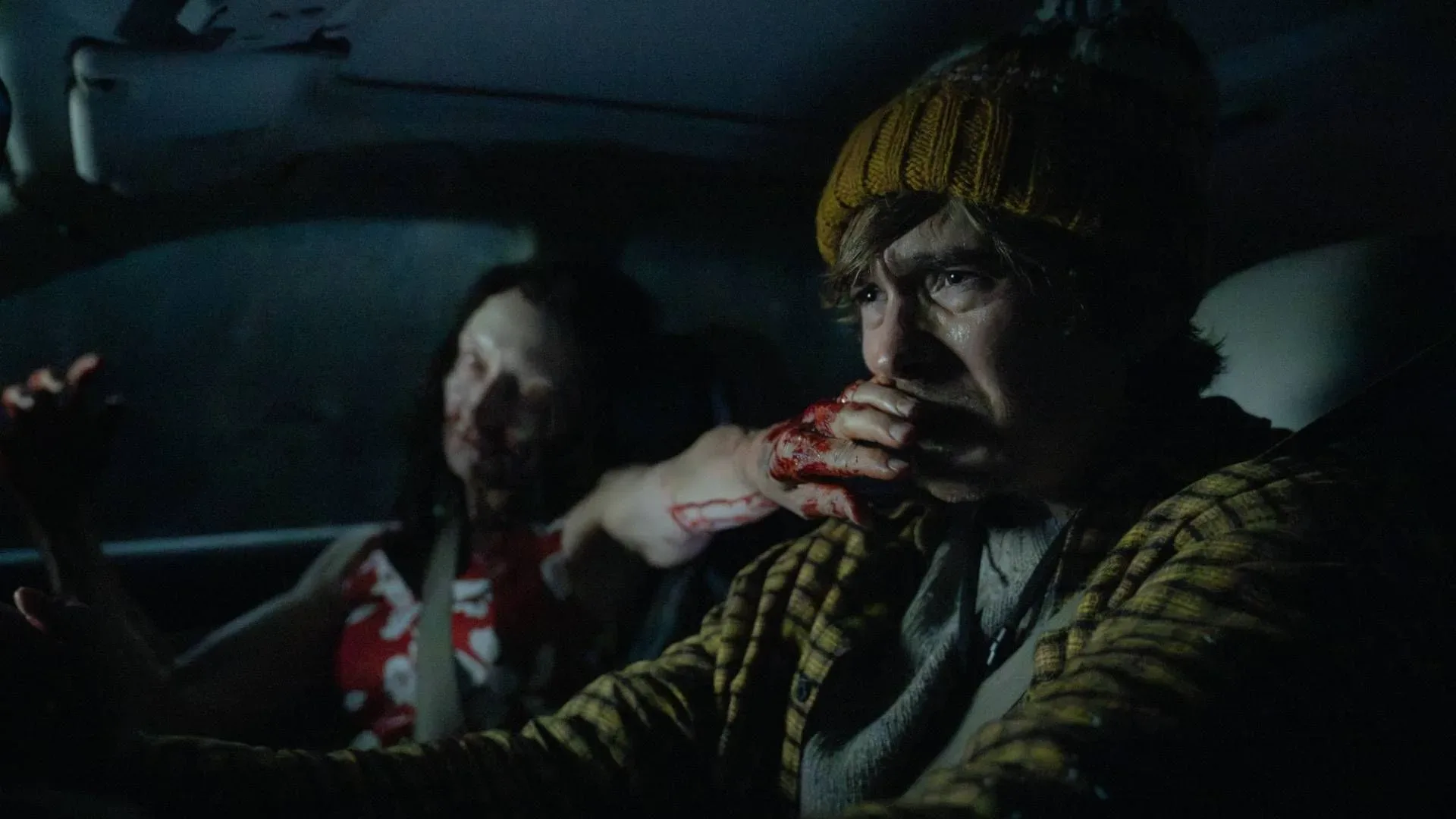
Zach Cregger’s Resident Evil is scheduled to open in theaters on September 18, but viewers planning to watch from home should not expect an official streaming date just yet. The available information points to Netflix as the movie’s eventual first subscription-streaming home following its theatrical release. That tells fans where to watch for it, but it does not yet establish when the film will arrive.
That distinction matters. A streaming destination is not the same thing as a release-date announcement, especially for a theatrical horror movie whose time in cinemas may be affected by audience demand. The most sensible current estimate puts a Netflix debut around the end of 2026 or the opening weeks of 2027, but it remains an estimate rather than a confirmed plan.
What is confirmed about Resident Evil’s release?
The confirmed near-term date is theatrical: Resident Evil opens September 18. Anyone wanting to see Cregger’s new Raccoon City story at the earliest opportunity will need to head to a cinema.
The film stars Austin Abrams as Bryan, a hospital courier whose assignment takes him toward Raccoon City as its inhabitants begin to pose a very serious dietary problem. The setup deliberately invokes the survival-horror identity of the game series: searching through drawers for green herbs, fearing the next corner, and managing the prospect of being attacked are all familiar bits of Resident Evil language.
Those details are useful for setting expectations. The movie appears to be engaging with recognizable franchise imagery and tension rather than treating the name as mere decoration. Still, specific plot beats beyond Bryan’s courier premise and the Raccoon City setting have not been established here, so fans should be wary of reading streaming speculation as a fuller outline of the film itself.
Why Netflix is the likely streaming destination
Netflix is positioned as the first subscription service for Sony Pictures releases after their theatrical windows under a licensing arrangement made earlier in 2026. In practical terms, that makes Netflix the service to monitor once Resident Evil completes its cinema run.
A theatrical window is the period in which a movie is primarily being exhibited in cinemas before it moves to later viewing stages. Those stages can include digital rental or purchase, physical media, premium channels, and subscription streaming. The order, timing, and regional availability can vary, which is why an eventual Netflix destination should not be mistaken for a guarantee that the film will appear there immediately after its cinema opening.
For now, the useful takeaway is straightforward: if the question is whether to keep an eye on Netflix or assume the movie will first turn up on an unrelated subscription platform, Netflix is the more reasonable watchlist choice. Until a date is formally revealed, though, adding it to a reminder list is more productive than setting a calendar alert for a particular week.
When could Resident Evil reach Netflix?
The current Sony-to-Netflix pattern is described as averaging roughly 120 days from the big screen to subscription streaming. Counting forward from September 18, that benchmark points toward mid-January 2027. It is a helpful planning marker, not a promise.
There is also a recent Cregger-related example that shows why the math can be tempting but should not become certainty. Weapons, which reached theaters on August 8, arrived on streaming October 24. That is a notably shorter gap, and its timing placed the film in the middle of Halloween season.
Resident Evil does not have an equally convenient route to an October streaming slot: its September 18 theatrical opening leaves little room before Halloween. A late-December date is possible in broad terms, while a January 2027 arrival fits more comfortably with the approximate 120-day benchmark. Neither option has been confirmed.
Box office could alter the schedule
A movie’s theatrical performance is one of the major variables in release-window timing. If a title continues to attract cinema audiences, there can be a stronger business case for keeping attention focused on theatrical exhibition longer. If its theatrical run is shorter, its next viewing stage may arrive sooner.
Early forecasting has suggested that Resident Evil could reach $50 million during its opening weekend, but forecasts are not results. The eventual opening, audience response, repeat attendance, competition and how long the film remains a draw all matter more than a pre-release projection. In other words, a strong opening would not automatically mean a delayed Netflix date, but success could make a longer wait more plausible.
That uncertainty is particularly relevant for franchise horror. Fans may want a fast streaming arrival, while the movie’s theatrical prospects may depend on the appeal of seeing a recognizable game world—Raccoon City, zombie danger and survival-horror references—on a big screen with an audience. Until the theatrical run begins, there is no final evidence to settle that balance.
A practical watch plan for fans
For viewers who prefer subscription streaming, the best approach is to treat the movie as a likely Netflix release with a tentative end-of-year-to-January window. Check Netflix’s upcoming listings and the film’s official release information once its theatrical run is underway. Avoid treating social-media graphics, search snippets, or “coming soon” claims without a date as final confirmation.
- Confirmed: Resident Evil opens in theaters on September 18.
- Expected platform: Netflix should be the first subscription-streaming destination after theatrical release.
- Unconfirmed: The precise Netflix premiere date, as well as the exact length of the theatrical window.
- Reasonable estimate: Late 2026 or, more conservatively, January 2027.
- Key variable: The film’s performance in theaters could influence how quickly it progresses to streaming.
There is a broader lesson for anyone tracking movie availability: separate a distributor’s streaming relationship from an individual title’s confirmed availability. Licensing deals provide a likely route. They do not replace a dated announcement for a specific film, and they do not tell audiences whether digital rental or purchase will occur first.
Resident Evil viewing options already on Netflix
While waiting, Netflix already has several entries from the franchise’s screen history. The live-action films Resident Evil: Extinction, Resident Evil: Afterlife, and Resident Evil: Retribution are currently available. These are the Milla Jovovich-led installments, offering a substantial dose of live-action franchise chaos for anyone who wants to revisit the series’ cinematic past.
Netflix also carries the animated films Resident Evil: Damnation and Resident Evil: Vendetta, alongside the animated series Resident Evil: Infinite Darkness. The animated projects focus on core figures from the game franchise, making them a different kind of pre-release diversion for viewers more interested in character connections to the games.
The platform additionally has the live-action Resident Evil series. Taken together, the current selection gives fans multiple approaches to the property while Cregger’s film remains exclusively theatrical: action-heavy live-action sequels, animated stories tied more closely to game characters, and a live-action series with its own take on the setting.
That catalog also illustrates why the new movie’s arrival will be notable. Netflix is not simply adding an isolated horror feature to its library; it is poised to receive another major screen interpretation of a long-running game franchise that already has several incarnations available there. For subscribers, that makes the service a natural place to build a short franchise marathon—though it is worth remembering that the new film itself is not available to stream yet.
Why the timing is awkward for Halloween
Horror fans often expect films released near autumn to become Halloween-season streaming events. In this case, the calendar works against that assumption. A September 18 theatrical launch comes too close to October 31 for a standard post-theatrical move to Netflix, particularly if the movie performs well in cinemas.
That does not make a Halloween-adjacent digital release impossible in every form or territory; it simply is not a conclusion supported by the current information. The stronger forecast is that the movie will miss Halloween 2026 on Netflix, then arrive after the theatrical window has run its course.
For a separate look at how far ahead screen-release schedules can be mapped, readers can also follow the current expectation for A Knight of the Seven Kingdoms season 2. In both cases, the key is the same: expected timing is useful for planning, but it is not a substitute for a formal release date.
Until that formal Netflix date appears, the status of Cregger’s Resident Evil is clear enough: theaters first on September 18, Netflix later, and a likely wait that extends beyond this year’s Halloween season.