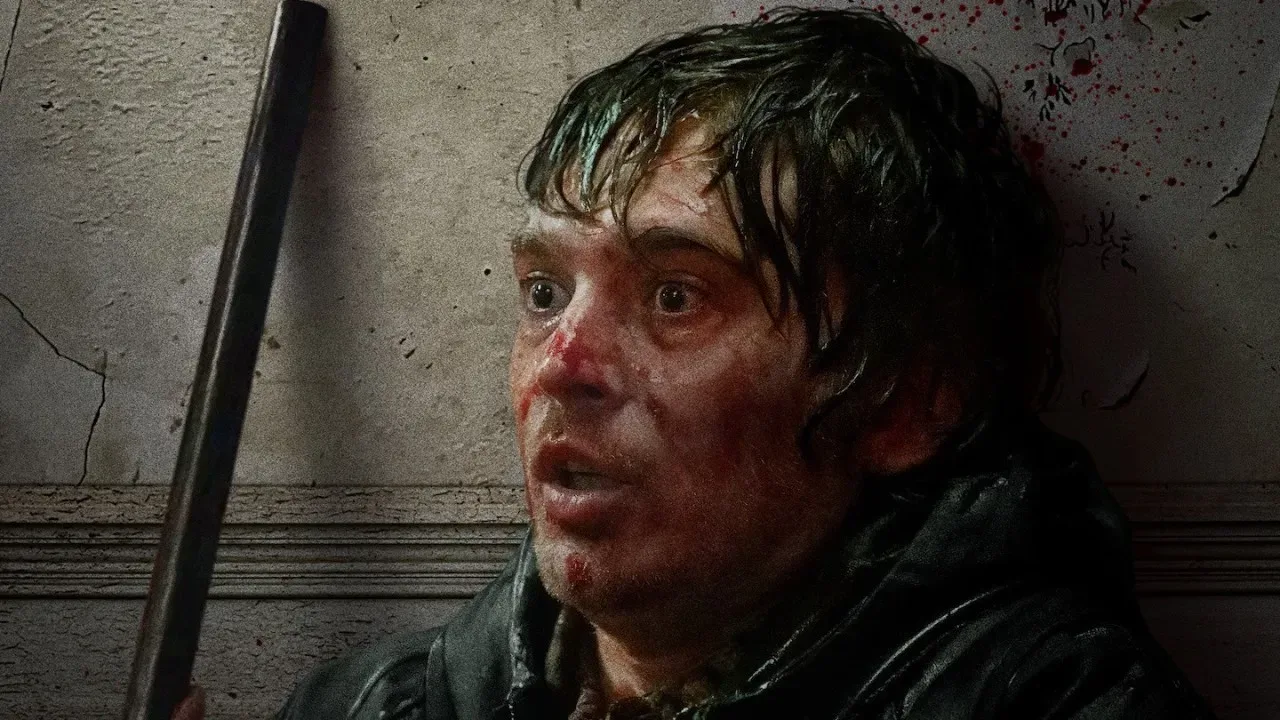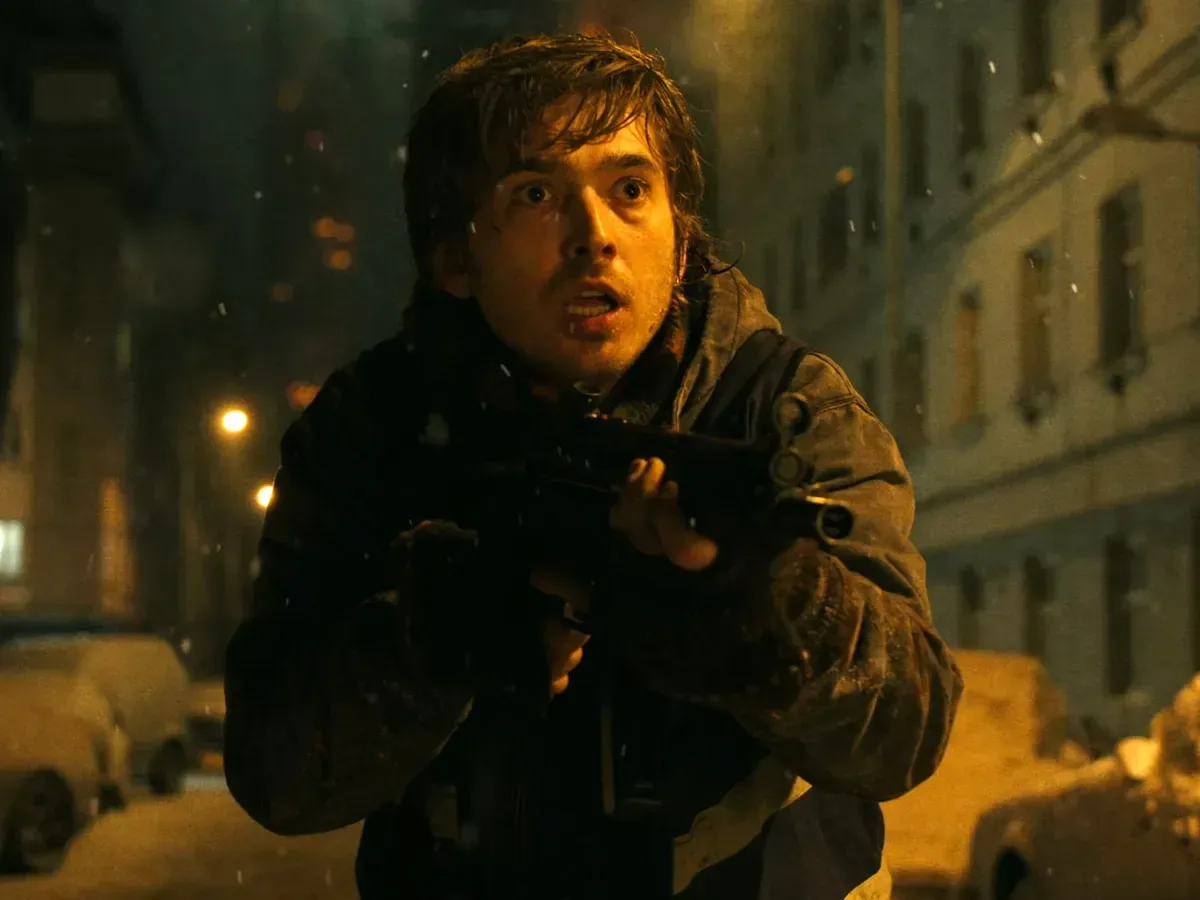
Major spoilers for Resident Evil (2026) follow.
There is a particular kind of horror ending that does not ask whether its hero can escape. It asks how much of that hero will still be recognisable when escape becomes impossible. Zach Cregger’s Resident Evil appears to be built around that question, and its final turn has prompted a sharp divide among fans: is Bryan Hodukavich’s fate an admirably cruel survival-horror tragedy, or does the film spend too much time building hope only to discard it in a rush?
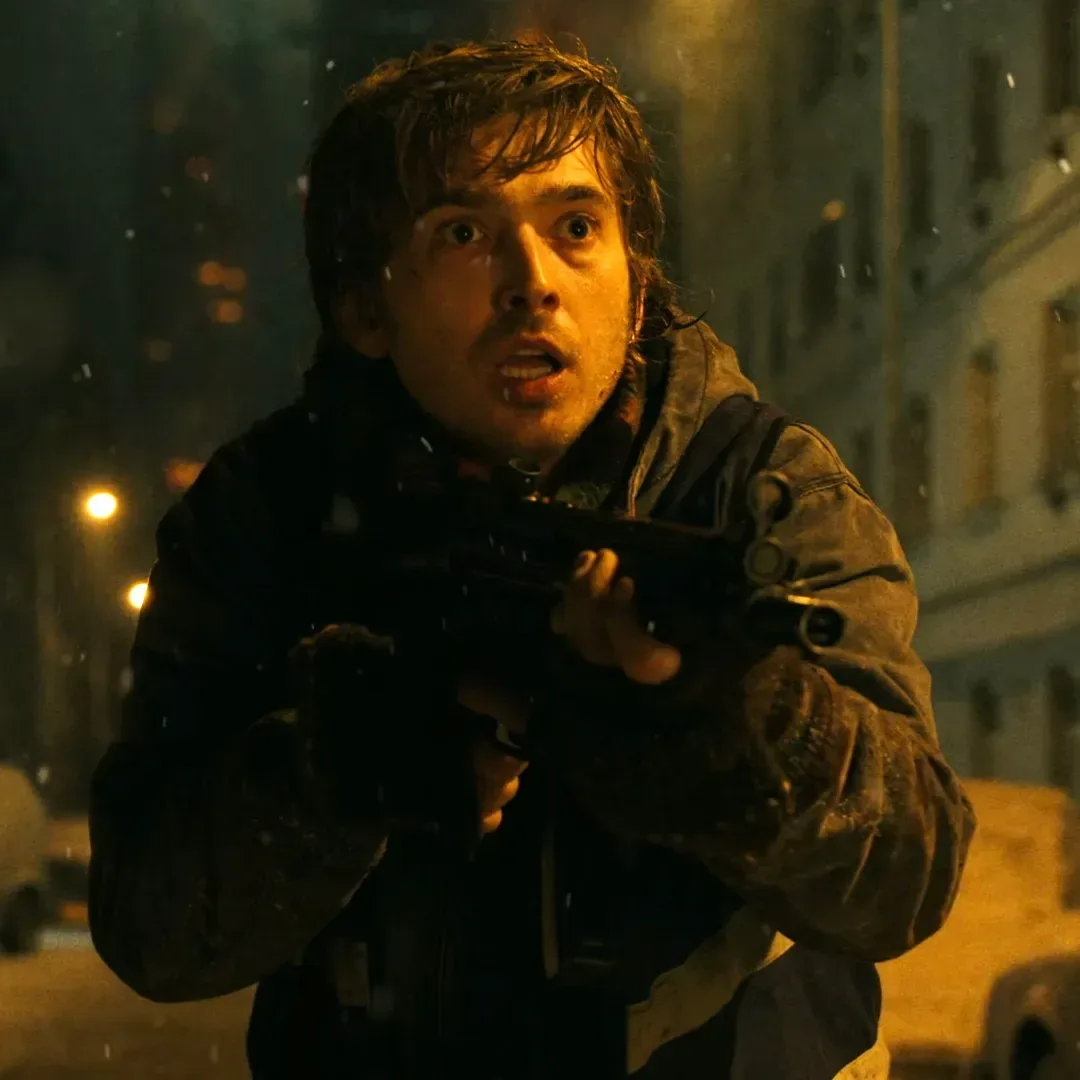
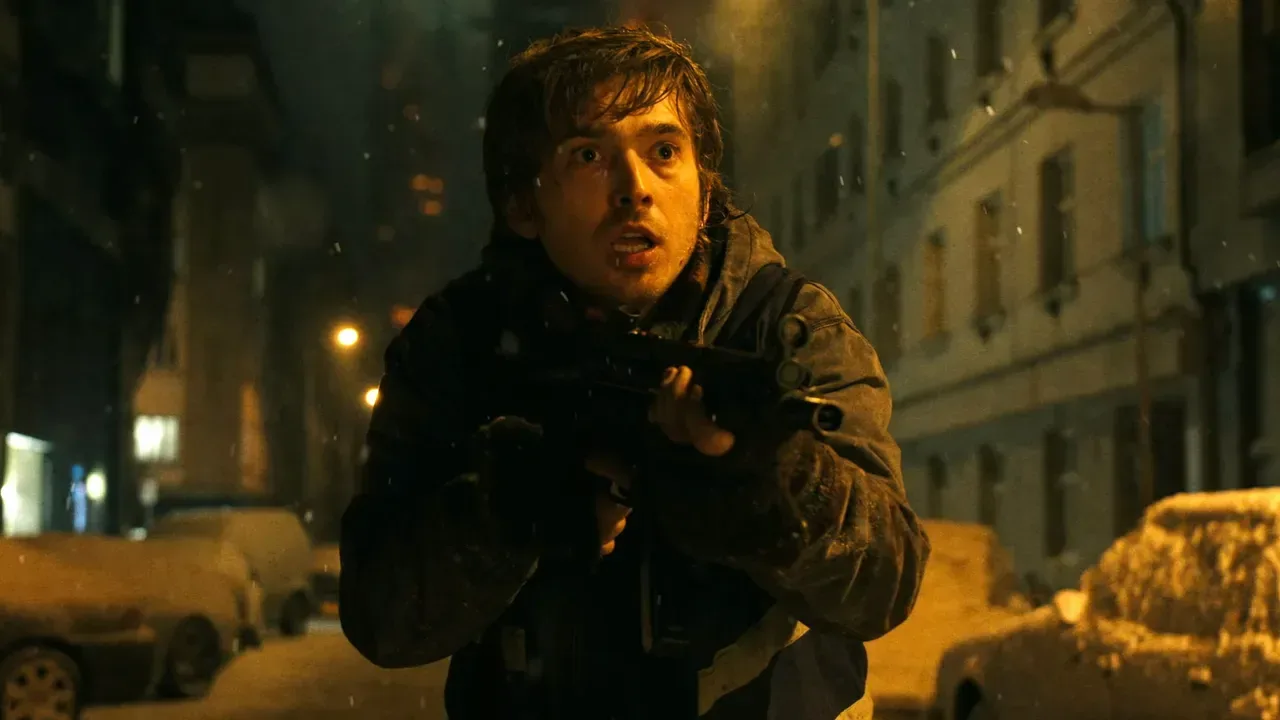
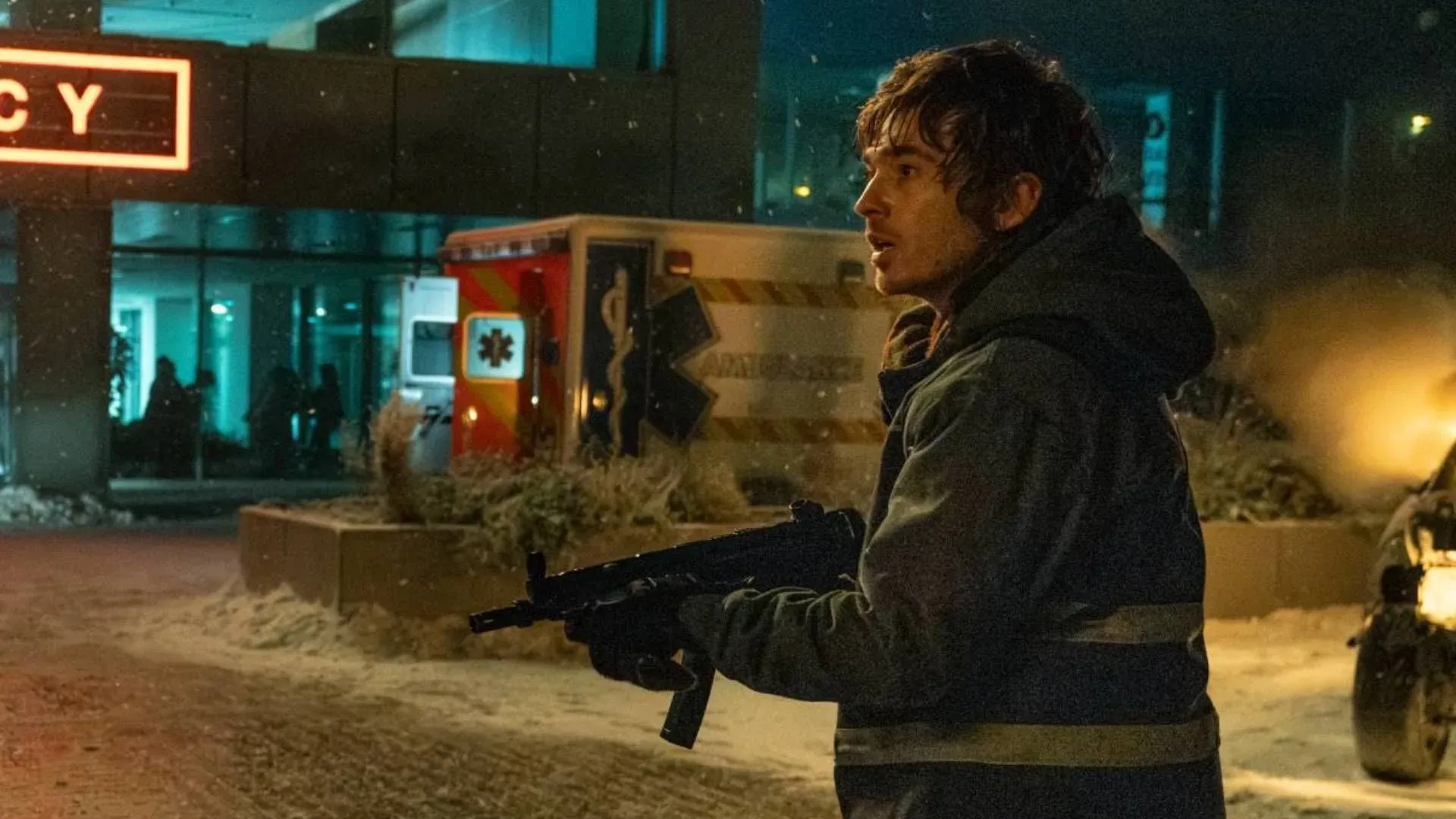
The argument hinges on what viewers believe Bryan’s story is supposed to be. He starts as an ordinary medical courier assigned to bring a sensitive package to Raccoon City General Hospital. That decision already separates the film from a straightforward retelling of an existing game: rather than centering an established series lead, it follows a civilian trying to complete one vital job while navigating a city full of mutated threats.
By the time Bryan understands the package contains a chemical agent needed for a vaccine against Umbrella’s virus, the mission has acquired an obvious dramatic goal. Deliver the agent. Get it to the people who can use it. Perhaps survive long enough for the effort to matter. The film then makes that goal intensely personal when Bryan is bitten by an infected girl. He later succumbs to the infection and becomes a Nemesis, killing the scientists on the hospital’s top floor—including, eventually, the last person who might have helped him.
For audiences who wanted resolution in the conventional sense, that is the sting. Bryan fights through monsters, carries something potentially lifesaving, and reaches the place where the crisis might be solved. Yet the vaccine is not administered. At the end, Nemesis-Bryan kills the remaining scientist and the syringe falls 28 stories to the ground. The courier’s route does not culminate in rescue, a cure, or even a clean handoff. It culminates in a catastrophe made more painful because Bryan comes so close.
Why the ending feels abrupt to some viewers
The most forceful criticism is not simply that the conclusion is sad. Horror can be sad without alienating its audience. Rather, some fans feel the finale changes the expected payoff too quickly. The story establishes a clear objective and then denies it at the exact moment Bryan reaches the people and resources needed to complete it. To these viewers, the result can read less like inevitable tragedy and more like a narrative swerve.
That reaction also reflects the way an objective-driven story works. When a film repeatedly emphasizes a crucial package and a possible vaccine, it invites the audience to measure events against that promise. A tragic ending can still satisfy that structure if the failure has enough dramatic space: characters may make a decisive choice, the cure may reveal a cost, or the protagonist may knowingly sacrifice themselves. Here, Bryan’s loss of control is central. His human consciousness is still substantially present during the massacre, and he wants the syringe, but his mutation wins.
That is an effectively cruel idea, but it puts enormous weight on the final moments. Bryan is not merely too late. He is transformed into the obstacle preventing the cure from being used. For viewers who see the last sequence as rushed, the frustration comes from watching the film raise the possibility of agency and then remove it almost immediately. The destination is tragic; the dispute is over whether the path through those final steps gives the tragedy enough room to land.
Related coverage includes Resident Evil Director Zach Cregger Cites 1917 as a Structural Influence on His New Film.
Some criticism has also focused on the Umbrella scientists. Their failures are not background texture in the ending; they directly shape the last struggle. If the people entrusted with the vaccine are perceived as implausibly incompetent, their behavior can make the finale feel manufactured rather than unavoidable. That is a practical storytelling problem in a high-stakes sequence: an audience will accept characters making errors under terror and pressure, but it may resist mistakes that appear to exist only to make a desired ending happen.
The case that Bryan was never meant to win
The opposing reading starts from a different premise. Bryan may be the film’s protagonist, but that does not necessarily make him the franchise’s hero. Fans defending the conclusion have compared him to an NPC—short for non-player character, a term from games for someone who exists within the world but is not controlled by the player. Used here, it does not mean Bryan lacks importance. It means his story may be designed as a ground-level account of one casualty caught beneath larger Resident Evil events.
That interpretation gains force from Bryan’s voice note for his girlfriend, Michelle. The detail has been read as the kind of personal artifact a player character might find while exploring: a small piece of evidence that turns a faceless victim into a person. In a game, such environmental storytelling can transform a corridor, document, or abandoned room into proof that a wider disaster swallowed up individual lives. The film’s approach arguably takes that emotional logic and makes the person behind the found fragment its lead.
Seen through that lens, Bryan’s ending is not abandoning his arc. It is completing it in the bleakest possible way. The film lets the audience know the courier before he becomes a Bio-Organic Weapon, or BOW. In the discussion around the movie, that label refers to the monster produced by infection and mutation—the creature that, in another version of this world, might be encountered as an enemy rather than understood as a human being with a task, a relationship, and a reason to keep moving.
The final conflict between Bryan’s remaining consciousness and his transformed body is therefore the essential horror. He still wants the vaccine. He still reaches for it. But desire no longer translates into control. The monster is not simply wearing his face after his death; it is the remnant of Bryan struggling and failing to direct a body that has become something else. That distinction is what turns the dropped syringe from a mere shock image into the proof of his defeat.
This reading also reframes the lack of payoff. Bryan does not succeed at the job because the film’s purpose may be to show how a person becomes one more terrible consequence of the outbreak. His story gives a face to the collateral damage that franchise-scale catastrophe can otherwise reduce to scenery. For fans expecting the arrival of figures such as Leon or Claire, the refusal to deliver that familiar kind of heroism may feel intentional. The movie is not necessarily asking audiences to watch a legendary survivor emerge. It is asking them to stay with someone who cannot survive the machinery of the disaster.
A tragedy shaped by the series’ game language
There is an unusual tension in calling a film character an NPC, because the phrase can sound dismissive. In this case, it is more useful as an explanation of perspective. Games often place the player at the center of an emergency while surrounding them with evidence of people whose stories have already ended: recordings, notes, bodies, locked doors, and monsters whose former lives are unknowable. Bryan reverses that viewpoint. He is not the player character arriving after the catastrophe; he is the person whose catastrophe may become a clue, encounter, or horror-story fragment for somebody else.
That is why the ending can be both thematically coherent and dramatically divisive. The coherent version is brutal but clear: a regular person believes one necessary act can stop the disaster, only to be consumed by the disaster and weaponized against the cure. The divisive version asks viewers to invest in a mission whose very construction encourages them to expect a tangible outcome, then replaces that outcome with annihilation.
Neither response requires pretending the other is irrational. A tragic ending is not automatically effective merely because it is unhappy, and a conventional victory is not automatically the better fit because it would offer release. The key question is what each viewer values more in this kind of survival-horror narrative: a mission that resolves its central promise, or an ending willing to make the central promise impossible to fulfill.
That disagreement is also a sign that the film has given its final image something concrete to argue about. The syringe’s fall is not abstract despair. It is a visual summary of the entire setup: the cure is physically present, Bryan is physically near it, and the one person whose survival now depends on it is the reason it cannot be used. It is difficult to get much more classically Resident Evil than a life-saving object separated from the person who needs it by mutation, panic, and institutional failure.
Cregger’s willingness to choose the harsher version
Austin Abrams, who plays Bryan, described his initial reaction to the ending as shocking and praised Cregger for taking the risk of killing a character audiences have come to care about rather than cushioning the impact. That framing is useful because it clarifies the artistic wager. The movie is not treating Bryan’s end as incidental. It is betting that hurt is the desired effect.
There is another wrinkle: Cregger has said the ending used in the film was not the original conclusion, and that he filmed it as a contingency in case the first version did not achieve the effect he wanted. That does not settle the debate—knowing an ending was a backup plan does not determine whether it works—but it helps explain why viewers are scrutinizing its rhythm so closely. When an audience senses a rapid escalation or an abrupt cutoff, the knowledge that another ending existed naturally encourages questions about pacing and finality.
Still, the film’s conclusion has a strong internal idea. Bryan spends the story transporting the means of salvation toward Raccoon City General Hospital. Once infected, he becomes the final barrier between that salvation and everyone who needs it. The medical courier becomes a weapon of the outbreak; the delivery becomes an impossible delivery. It is nasty, neat, and deliberately unfair.
Whether that is satisfying depends on whether the viewer sees Bryan’s final struggle as a payoff in itself. If the point is that he was always headed toward becoming a monster in the margins of a larger Raccoon City nightmare, the ending’s mercilessness is its defining feature. If the point is that he had a meaningful chance to change the outcome, then the collapse of that chance may feel too sudden to earn the emotional bill it presents.
Either way, Bryan’s fate has shifted the conversation away from a simple question of whether a protagonist lives or dies. The more interesting debate is whether a survival-horror story should reward persistence—or whether, sometimes, persistence only makes the fall hurt more. Fans looking for another grim genre story about people facing consequences in an unforgiving world may also be interested in this look at the difficult position facing a new Night City crew.