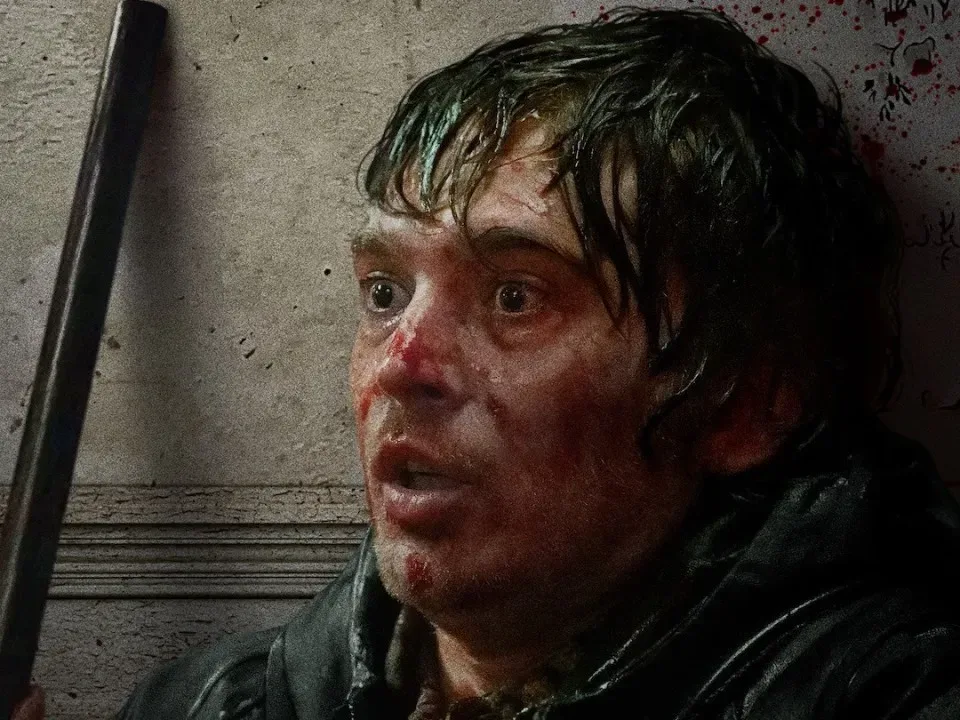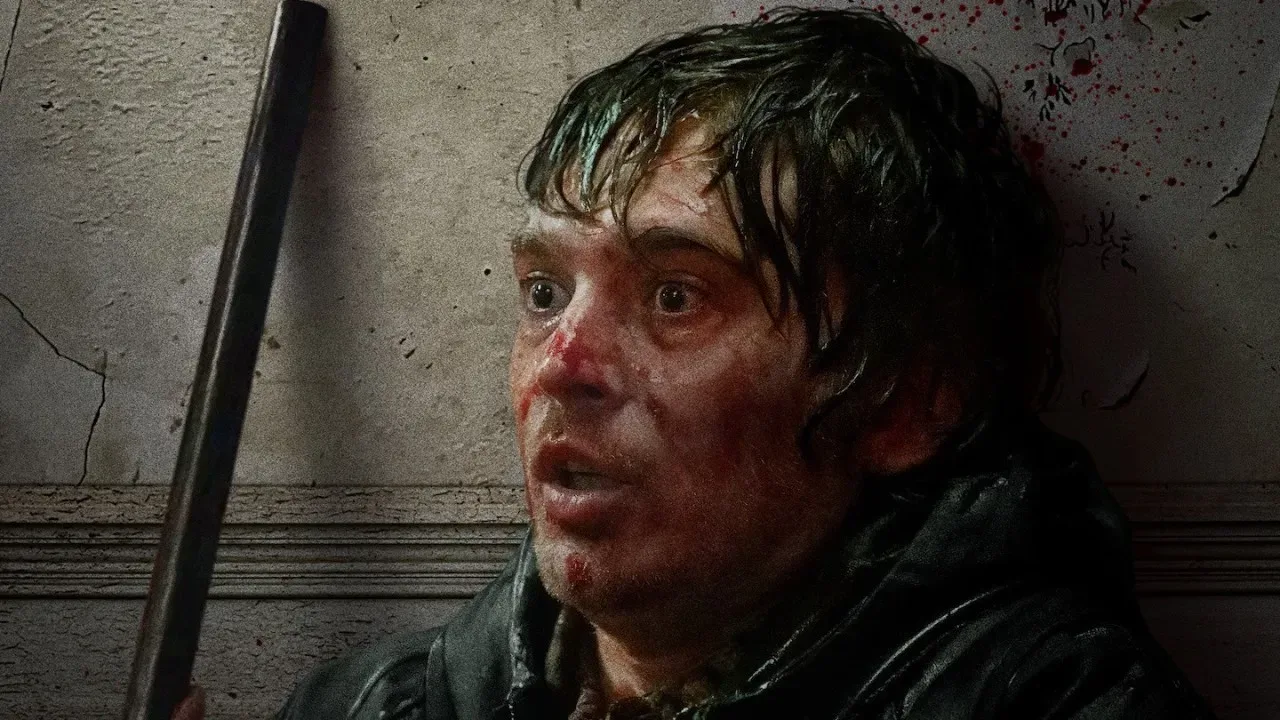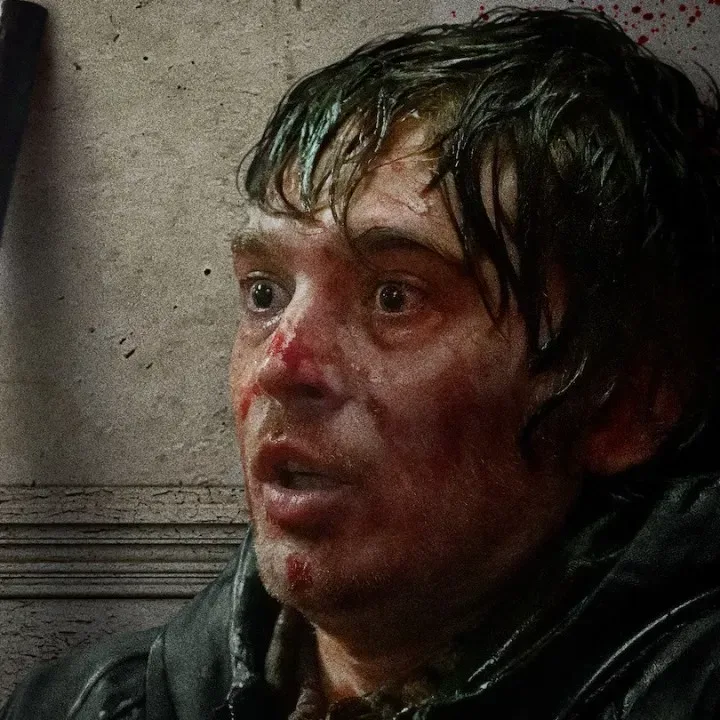
Zach Cregger is looking beyond the first outbreak. The filmmaker’s Resident Evil movie is still awaiting its September 18, 2026 release, but he has said that the franchise’s unusually large horror sandbox has already left him thinking about a possible second film.
That is not a sequel announcement, a production commitment, or a promise that a follow-up is happening. Cregger has been clear that the first film has to arrive before any next step can be considered. Still, his comments establish an important distinction: unlike some one-off horror stories, he sees the world of Resident Evil as a place with further routes to explore.
The new movie is taking a deliberately different road from a scene-for-scene adaptation. Rather than retelling one of Capcom’s existing game plots, it follows an ordinary person trying to endure the catastrophe surrounding the Raccoon City Incident. That decision has made the project a major point of discussion among fans, particularly because the games contain so many beloved characters, locations, monsters, and tightly constructed stories.
Cregger’s approach appears to be: use the franchise’s world, imagery, and nightmare logic without treating its most familiar campaigns as a checklist. It is a risky method, but it also gives the film room to create suspense around a protagonist whose fate is not already known to anyone who has memorized every mansion corridor or police-station shortcut.
A franchise built for more than one nightmare
There is a practical reason Cregger can imagine more stories here. Resident Evil has never been just one narrative lane. Across the games, the series has moved between isolated survival horror, sprawling action, conspiracies, bio-weapons, rural nightmares, urban disasters, and outbreaks whose scale ranges from one building to an entire city. Raccoon City alone offers more than a single perspective on disaster.
For a film centered on an average person amid that event, the setting can function less like a museum of recognizable references and more like a pressure cooker. The audience may know that the city is doomed, but the human experience within it can still be unfamiliar. Different survivors can have different goals, different information, and very different ideas about what counts as an escape route when the streets, laboratories, and emergency systems have all become hostile.
Cregger contrasted this possibility with his earlier film Barbarian. He suggested that he had not been interested in continuing that story’s universe, because its strength came from the unfolding of a particularly disturbing plot rather than from a setting he wanted to revisit. Resident Evil, by comparison, seems to offer him a broader narrative engine.
He said he cannot stop considering other directions the story could take, while stressing that audiences first need to see what happens with the initial movie.
That difference matters. Horror sequels can sometimes feel like a second lap around the same haunted house, with louder noises and a slightly angrier creature. A world as flexible as Resident Evil has the potential to avoid that trap, provided any continuation has a reason to exist beyond another sample of monster mayhem. Cregger has also indicated that the ending of the new film contains an element he is eager to discuss, which suggests there may be more to his longer-term thinking than simply leaving a door open.
Original story, familiar infection
The choice to tell an original story has divided fans, and it is easy to understand why. The series’ games are not short on cinematic material. They also have famous heroes and villains whose names carry immediate weight. A direct adaptation can sound like the safest way to bring those elements to the screen.
But the original-story format has a different advantage: it can preserve uncertainty. If a movie retraces a game’s central events, knowledgeable viewers may arrive knowing which major figures survive, where certain revelations are headed, and which monster encounter is waiting behind the next important door. A new lead inside a known catastrophe changes that equation. Familiar history becomes the backdrop, while the immediate question becomes whether this person can make it through it.
Cregger has maintained that the departure from direct adaptation is not an attempt to borrow the Resident Evil name without respect for what it means. He has described himself as a fan of the games and acknowledged that he was overly optimistic to expect universal enthusiasm for avoiding stories the games already tell effectively. That is a refreshingly direct recognition of the tension at the center of the project.
For some players, faithfulness means seeing particular game narratives recreated. For others, faithfulness is about mood: limited safety, escalating contamination, institutional secrecy, grotesque transformations, and the sense that a normal environment has become fatally wrong. The film’s reception may depend on how convincingly it delivers the latter while making meaningful use of the former.
Teasers point toward game-era ingredients
Promotional material has offered a few clues about how much recognizable franchise biology may be in the mix. A Spanish-language trailer included a brief creature glimpse that resembles someone affected by Las Plagas, the parasite associated with Leon’s battle in Resident Evil 4. It is only a glimpse, so viewers should be careful not to turn it into confirmation of a particular character, storyline, or full plot connection.
Even so, it is an intriguing image. Las Plagas carries a particular visual and thematic identity within the games, distinct from the series’ better-known viral outbreaks. Its apparent presence, or imagery strongly reminiscent of it, could indicate that the film is comfortable drawing from multiple corners of the game canon rather than limiting itself to a single era.
Another promotional image showed an X-ray view of a Doberman Pinscher. That naturally raises the prospect of infected dogs connected to the T-Virus, one of the earlier games’ most enduring and unpleasant surprises. Anyone who has opened a door in classic Resident Evil and immediately regretted possessing doors will recognize why that image caught attention.
Neither teaser detail settles what the movie will ultimately be. Promotional campaigns are designed to create questions as well as answer them. But both images suggest that Cregger’s original narrative is not abandoning the series’ creature-feature heritage. The project may be telling a new story, yet it appears interested in speaking the franchise’s grisly visual language.
The opening-weekend number to watch
Early box-office projections place Resident Evil in a possible $40 million to $50 million opening-weekend range. Forecasts are not results, and the actual performance will only be known after the film opens. If it lands at that level, however, it could surpass the opening of every previous movie adaptation tied to the game franchise.
That potential gives Cregger’s sequel thoughts a clearer commercial context. A strong debut would not automatically guarantee another installment, but it would demonstrate that there is substantial interest in this particular interpretation. The project is arriving with both excitement and skepticism, and those competing reactions can make a film feel unusually visible before audiences have had the chance to judge the finished work.
Its position is also a reminder that Resident Evil endures because it can mean different things to different generations of players: tense solo survival, elaborate lore, chaotic action, monster design, and even shared gaming memories. For anyone revisiting the series’ more social side while waiting for the movie, our guide to the unwritten rules of couch multiplayer may feel relevant when cooperation starts collapsing faster than the ammo supply.
What a second film would need to earn
The immediate focus remains the first movie. Cregger has ideas, but ideas are not a roadmap audiences can evaluate yet. The September release will need to establish whether its new protagonist, Raccoon City perspective, horror tone, and use of franchise iconography form a satisfying whole.
If it does, a follow-up would have a useful foundation: a filmmaker who sees room for additional stories but has not publicly committed to a formula, and a fictional universe expansive enough to support a fresh crisis without simply replaying the first film. If it does not, then the franchise will still have added another chapter to its long history of experimentation across games and film.
For now, the most concrete facts are simple. Cregger’s Resident Evil opens September 18, 2026. It tells an original tale amid the Raccoon City Incident. Its marketing has teased imagery that fans associate with Las Plagas and infected dogs. And its director is already thinking about what could be lurking past the first ending.