Major spoilers for Zach Cregger’s Resident Evil follow, including the film’s ending.
Zach Cregger’s Resident Evil has found an audience, but it has also stumbled into the most Resident Evil debate imaginable: what, precisely, makes something feel like Resident Evil?
The film has posted encouraging audience indicators so far, with a 3.9 out of 5 rating on Letterboxd, 91% audience approval on Rotten Tomatoes, and an 83 user score on Metacritic at the time these figures were reported. Those numbers do not erase the fault line running through conversation around the movie, though. Plenty of viewers enjoy it as a tense, gruesome, deliberately funny outbreak movie. Others argue that its use of Raccoon City and Umbrella cannot compensate for a story, infection and tone that feel detached from the game series.
That disagreement is more interesting than a simple thumbs-up or thumbs-down verdict. It is a debate about adaptation: whether faithfully recreating the plot and lore is the main goal, or whether reproducing the anxious, resource-starved sensation of playing survival horror can be enough.
For readers keeping up with the release’s early critical momentum, the film’s 96% critics score on opening made its own case that this is not a routine game-to-screen launch. The audience reaction reveals the more complicated question behind that score: is it a strong horror movie that wears Resident Evil’s name, or a new way to translate Resident Evil itself?
An ordinary courier, not a super-agent
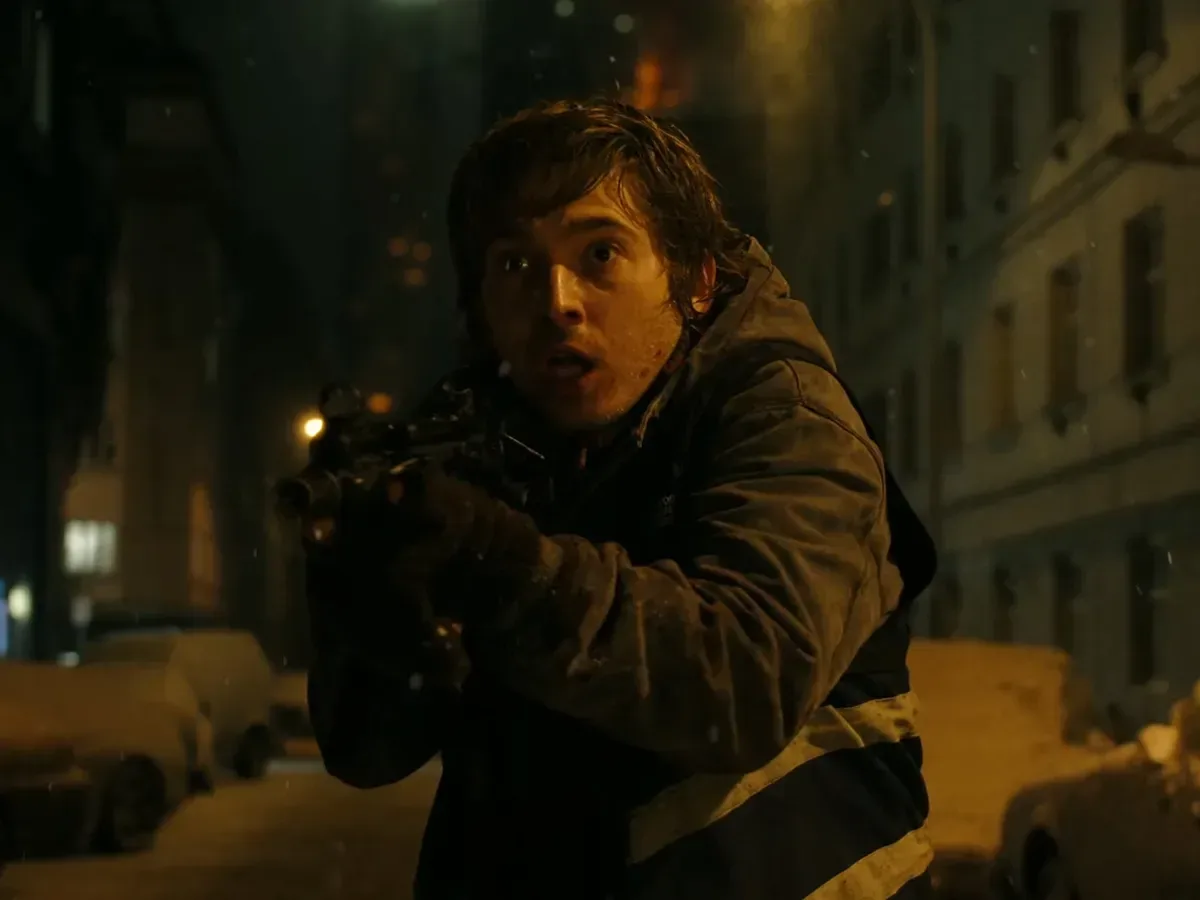
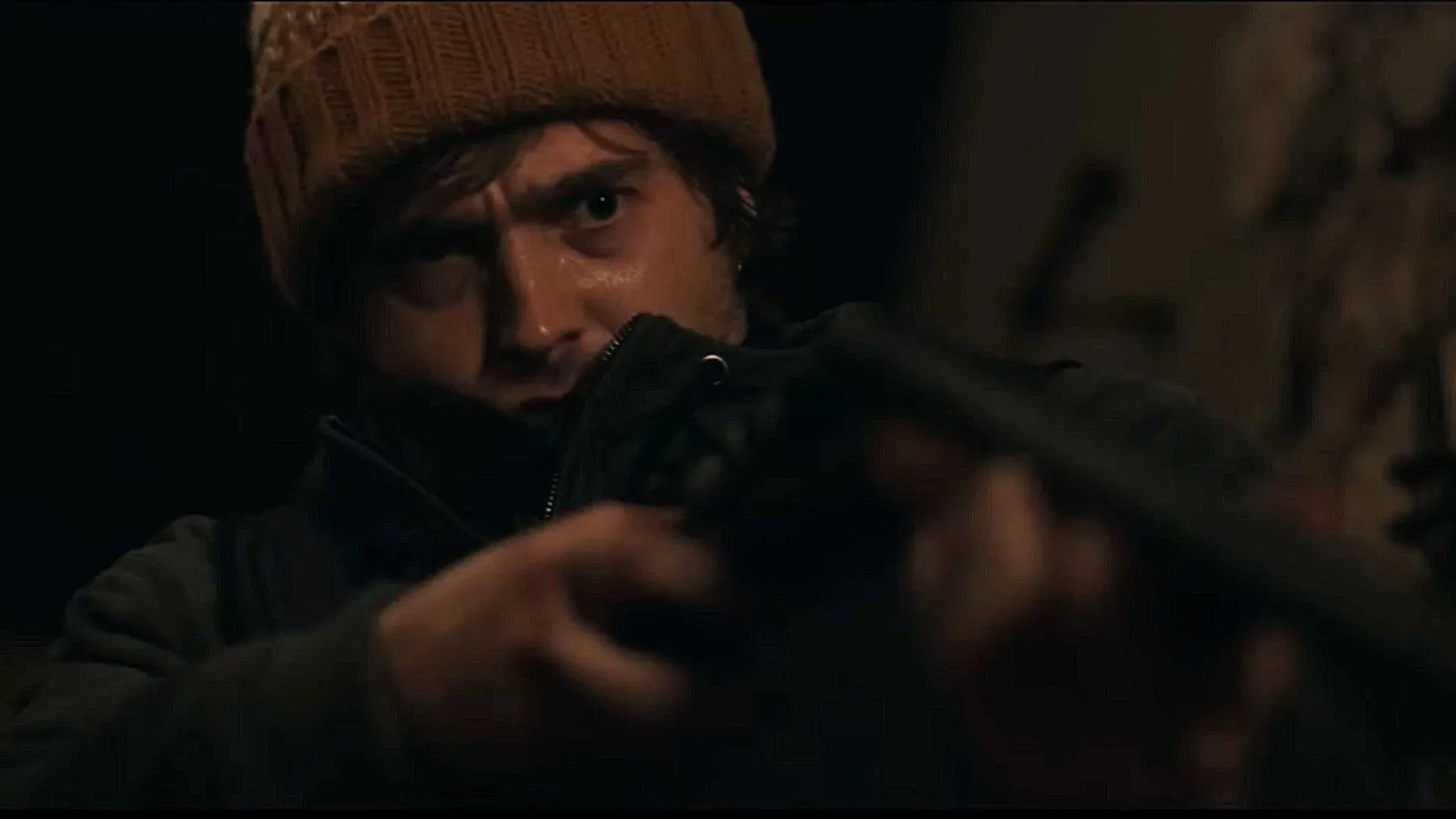
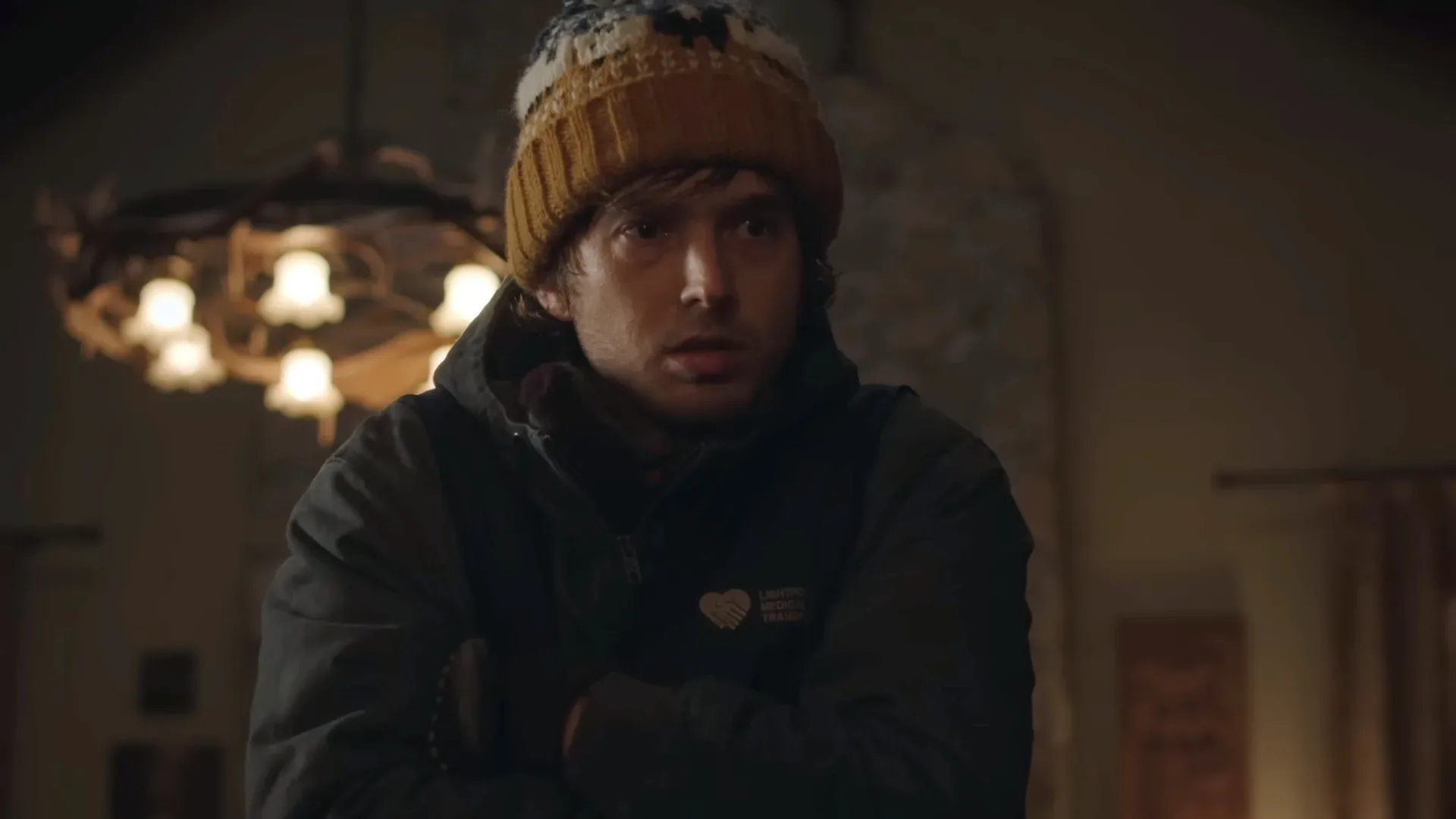
The film’s central departure is its protagonist. Rather than putting the focus on an established cop, special agent or familiar game hero, it follows Bryan, a medical courier entering Raccoon City as the outbreak begins. He is carrying an important delivery, but he is not presented as a pre-equipped action specialist.
That choice changes the dramatic machinery. In many Resident Evil stories, capable characters meet an impossible biological threat and must improvise under pressure. Bryan starts from further behind. His vulnerability is not just physical; he is confused, hesitant and frequently overwhelmed by events. Some viewers have praised the performance and the decision to make a regular person endure an overnight apocalypse, seeing it as a grounded route into the franchise’s danger.
It also creates the film’s chief comic engine. Bryan responds to escalating horror with disbelief, incompetence and exasperation. This is not simply a case of an otherwise severe story pausing for a campy one-liner. The humor is woven into the character’s ongoing inability to process what is happening around him.
Related coverage includes Resident Evil Film Divides Fans Over Its Humor, Ending, and Connection to the Games.
That distinction helps explain why reactions are so polarized. A character who panics, swears under his breath and fumbles through an outbreak can feel recognizably human. But if the jokes continue at the point where viewers expect the film to clamp down on fear, that same human response can seem to puncture the scene’s stakes.
What it means to adapt the feeling of a game
Cregger’s approach has been described as drawing on the feeling of playing Resident Evil rather than adapting a single installment or exhaustively following its lore. That is a meaningful creative distinction.
Game adaptations have to solve a basic medium problem. A player produces part of a game’s tension through control: deciding when to explore, missing a useful shot, hearing a creature nearby, checking whether there is enough ammunition, and delaying a trip through a threatening corridor. A film viewer cannot make those decisions. It has to create a comparable feeling through editing, performance, sound, framing and the characters’ choices.
In this case, the movie reportedly builds scenes around familiar survival-horror rhythms: Bryan missing padlocks he needs to shoot, searching nervously for bullets as an infected creature closes in, and trying to keep moving while visibly scared. First-person-view material is also said to be integrated into the action without becoming an overbearing gimmick. Fans who responded positively have compared its set pieces to encounters from the games and noted details such as a typewriter and key designs.
Survival horror is a useful term here. It does not only mean horror with monsters. It generally refers to a structure in which vulnerability, limited resources, uncertain information and constrained spaces create pressure. A character does not need to be weak in every sense, but the audience needs to believe that a bad choice, a missed supply or a closed door may matter. The movie’s scenes involving an RV, a tunnel and a house have been singled out by viewers as moments that evoke this cautious, dread-filled progress.
Some fans particularly appreciate that translation. Watching Bryan nervously muddle through dangerous spaces can resemble watching a frightened streamer play a Resident Evil game: there is humor in the panic, but the panic is still real. In that reading, his awkwardness is not a distraction from the adaptation. It is the method of adaptation.
Why the lore argument is not just about cameos
The counterargument is that atmosphere alone is not a franchise identity. Critics of the movie’s approach point out that its overt links to the games can appear limited: Raccoon City, Umbrella, some visual nods, and a stalker-style enemy. They question why the infection is not clearly explained as the T-Virus and why Umbrella does not project the kind of pervasive threat it does in the games and earlier films.
Lore means the fictional world’s accumulated rules, history, institutions and terminology. In a long-running series, lore is more than a glossary of proper nouns. It establishes what threats mean, who has power, what consequences are possible and why specific places or organizations carry emotional weight. Raccoon City is not merely a location label to fans; Umbrella is not merely a company name. Their significance comes from the associations audiences bring to them.
That is why objections that the movie could be renamed and still work are sharper than a request for a Leon Kennedy or Claire Redfield cameo. The concern is not necessarily that every adaptation must replay a game scene by scene. It is that removing so much of the world’s internal specificity may leave the Resident Evil branding feeling cosmetic rather than essential.
There is room for both positions. A movie can successfully evoke the mechanics and emotional tempo of a game while giving less attention to canonical explanation. It can also preserve names and props without conveying why those elements mattered. The friction comes when viewers rank these qualities differently. One person sees an inspired translation of gameplay anxiety; another sees a separate horror-comedy borrowing recognizable labels.
The film’s reported infected creatures are central to that divide. A different kind of infection can signal a creative reinvention, but it can also make the familiar outbreak premise feel less like part of the established universe. Likewise, an Umbrella that operates as a minor part of the plot asks audiences to accept a version of the setting where the corporation’s usual shadow does not dominate the story.
The comedy is either a release valve or a broken alarm
Comedy in horror is a balancing act. At its best, a laugh can act as a release valve: tension rises, the audience gets a brief escape, and the next threat lands harder because people have been allowed to breathe. At its worst, the release happens too early or too often, training the audience not to fear a situation that the film needs to feel dangerous.
Resident Evil has always had a relationship with camp. Its games can shift from ominous survival to outrageous action, and certain characters have an appetite for memorable one-liners. Cregger’s movie appears to push in a different direction: the humor comes less from polished action-hero swagger than from Bryan’s exhausted reaction to the mounting absurdity of his predicament.
Viewers who like that tone have compared the film broadly to horror-comedy, seeing the grossness, tension and laughs as compatible ingredients. Others have said the forced humor blunts suspense, while the supporting characters can feel bland, annoying or underdeveloped. The existence of strong individual sequences has not necessarily changed their view of the whole.
The production itself apparently adjusted this balance after test audiences found an earlier version too funny, with jokes removed before release. That detail suggests the film was aware of the tightrope it was walking. It does not, however, guarantee that every viewer will agree on where the final balance landed. Humor is especially subjective when it is attached to a beloved horror property, because every gag implicitly answers a tonal question: should this moment scare us, disgust us, make us laugh, or do all three?
Why Bryan’s ending is provoking such different readings
The sharpest dispute surrounds Bryan’s fate. Midway through the story, he is bitten by an infected child and gradually begins to succumb to the same infection affecting the monsters around him. The bite gives him a personal reason to push through the chaos: his medical delivery is revealed to contain the last component scientists need for a cure.
He reaches the destination, and the cure is nearly completed. Then he transforms, kills the scientists who could have prevented the infection from spreading further, loses his humanity and appears to be shot by helicopters on the hospital roof. It is an intentionally bleak turn for a protagonist who has survived an ordeal and undergone a personal shift concerning responsibility and the future with his pregnant girlfriend, Michelle.
For one group of viewers, this is simply devastating in the wrong way. Bryan’s growing competence and recognition that he wants to become a father build the expectation of a hard-won survival. Having that arc end with his abrupt death and the destruction of the cure feels, to these fans, like the movie removes the payoff just when it has been earned.
Another reading sees the conclusion as grim but thematically purposeful. Bryan has been afraid that impending fatherhood will change him. He is comfortable with his existing life and resists the responsibility that a child represents. His infection then makes “change” literal. Even his pursuit of an antidote can be understood as an attempt to stop that transformation, while the outcome forces an irreversible new state on him.
That does not make the ending happy, and it certainly does not make Bryan’s loss of humanity a triumph. But it gives the apparent cruelty a structure beyond shock. The transformation may be the film’s warped version of growing up: he is changed completely, but not in the life-affirming way he or the audience wanted.
There is also an adaptation question tucked inside the ending. The source material notes a contrast with Resident Evil: Requiem, which moved away from a sadder conclusion. Cregger’s film instead commits to tragedy. Fans accustomed to Resident Evil’s varying mix of catastrophe, escape and lingering conspiracy may find that boldness either fitting or frustrating. The ending asks viewers to accept that successfully reaching the cure does not mean saving anyone—not even the person carrying it.
A useful fault line for future game adaptations
The conversation around Resident Evil should not be reduced to a contest between “purists” and viewers who are willing to accept change. That framing misses what many dissatisfied fans are actually saying. Some are not demanding a line-for-line recreation, nor are they only seeking reference-spotting. They are asking for a clearer connection between the film’s dramatic choices and the identity of the series it invokes.
At the same time, a rigid adaptation can lose the qualities that make a new work worth making. Games and films do different jobs. A film cannot give its audience a controller, inventory screen or the agency to decide whether to turn around after hearing something in the next room. Recreating exact plot beats may not recreate the lived sensation that made those scenes memorable in the first place.
Cregger’s Resident Evil has evidently chosen a side: an original protagonist, a compressed outbreak-night survival story, a horror-comedy voice and a finale that refuses an easy escape. It gains a distinctive perspective through that choice, particularly for viewers who recognize the tension of scrambling for resources and fumbling through an encounter. It risks alienating those for whom Resident Evil’s specific mythology, its corporate menace and its recognizable infection rules are the foundation rather than optional flavor.
Both reactions can be valid because they are measuring different promises. The film may be an effective horror experience for one viewer and an insufficient Resident Evil adaptation for another. As more people see it, the lasting discussion is likely to be less about whether it contains enough named references and more about which part of the franchise matters most: its lore, its characters, its camp, its mechanics, or the sensation of trying to survive when every hallway feels like a bad idea.