Zach Cregger’s Resident Evil has made an unusually forceful opening case for itself. At publication, the live-action adaptation holds a 96% critics score on Rotten Tomatoes, putting it ahead of the previous high-water marks cited among video game movies: Sonic the Hedgehog 3 and Werewolves Within, each at 86%, followed by The Angry Birds Movie 2 at 72%.
That is an early snapshot rather than a permanent verdict. Aggregated scores can move as further reviews arrive, particularly on release day and in the weeks immediately after. But the number is meaningful in context: it gives Cregger’s film the strongest critical start currently recorded for a video game adaptation on the service, while more than 500 verified audience ratings have produced a 91% audience score.
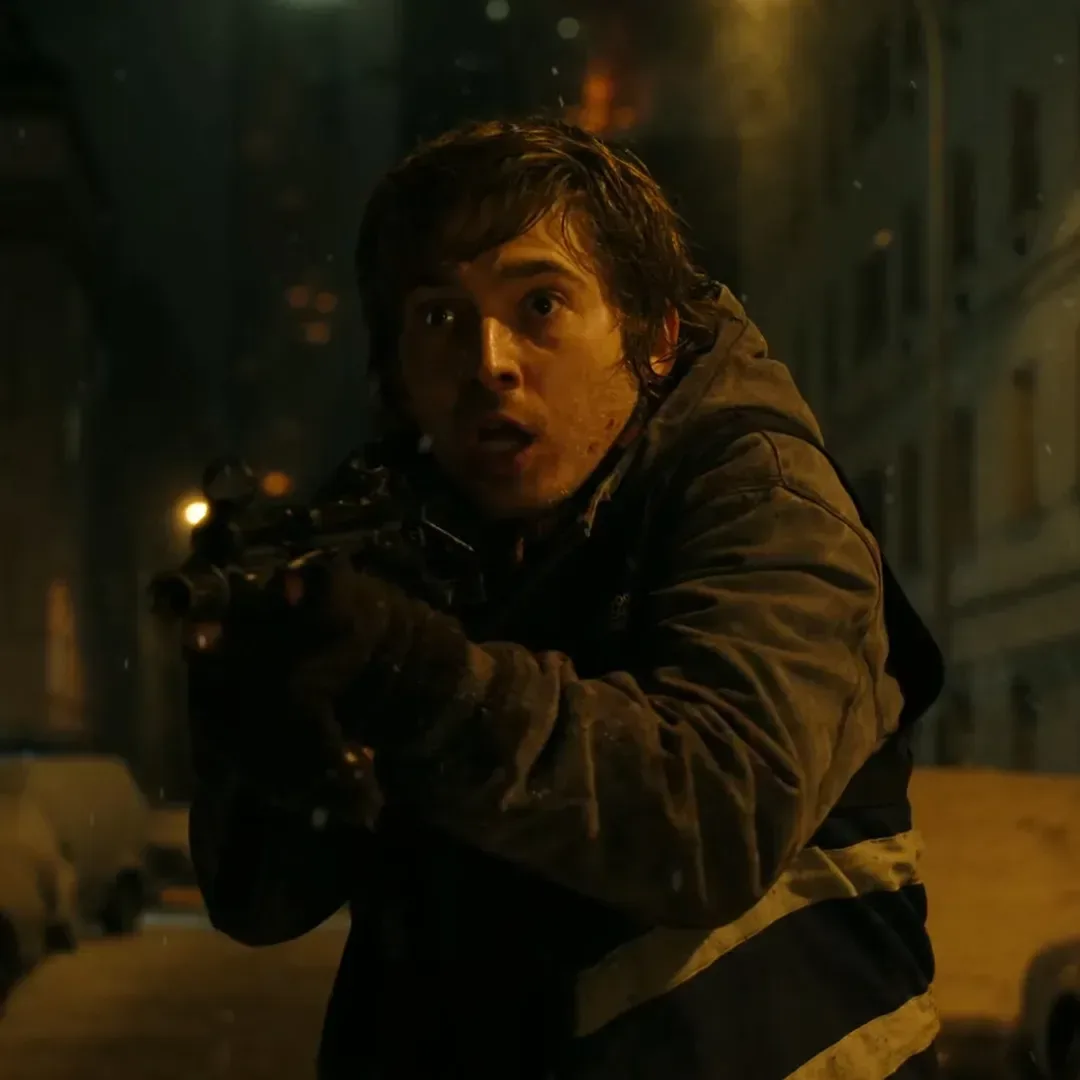
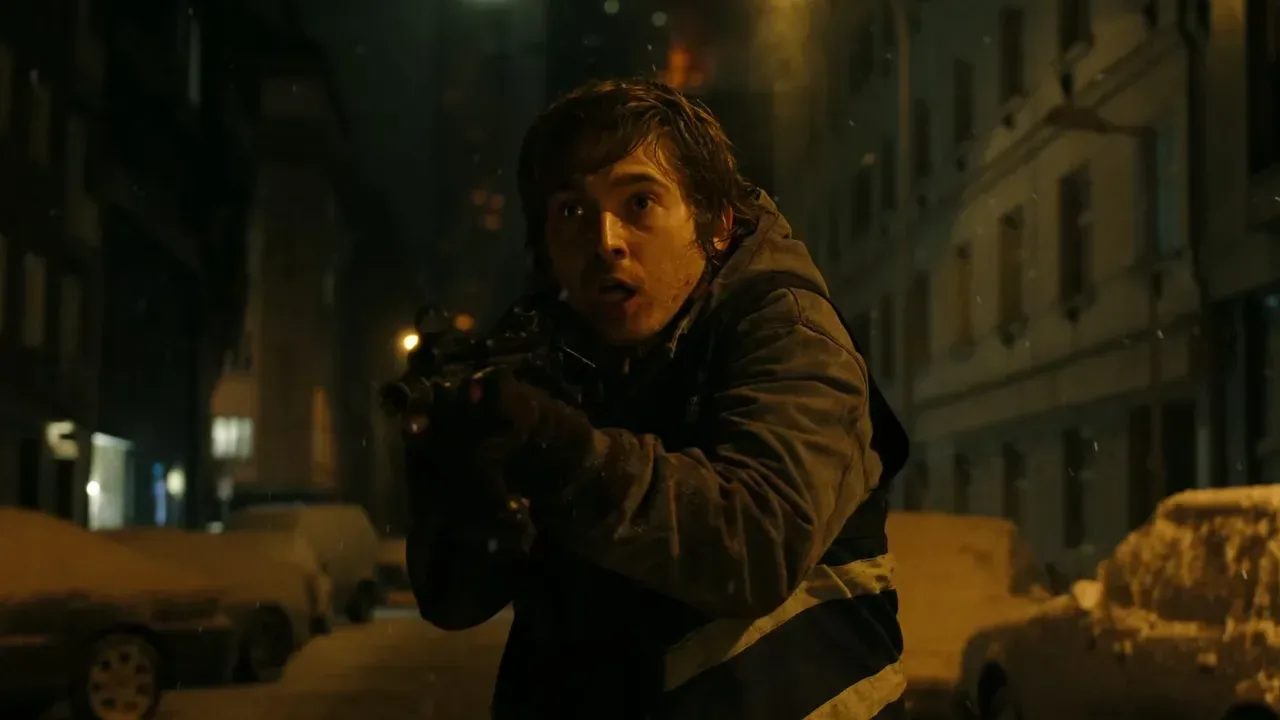
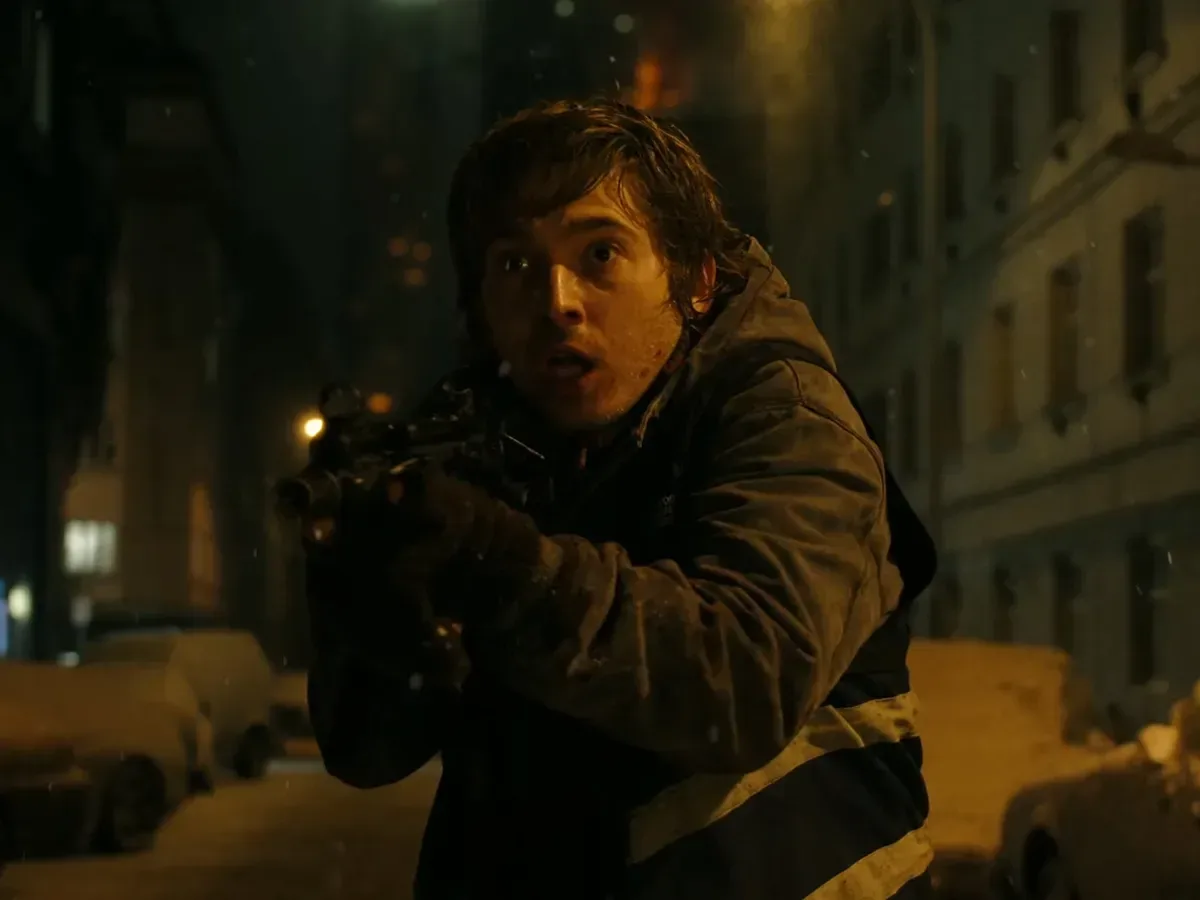
The immediate story is therefore not simply that another game became a film. It is that a new Resident Evil movie has earned broadly positive early reactions while making creative decisions that some longtime fans openly feared: Austin Abrams plays a new protagonist, Bryan, and the movie does not center its premise on established figures such as Leon S. Kennedy or Nemesis.
A record with important early-release caveats
A critics score on an aggregation service is best understood as the percentage of collected reviews classified as positive, not an average grade and not a definitive measure of every critic’s enthusiasm. A 96% result means the overwhelming majority of reviews counted so far are favorable. It does not mean every review considers the film near-perfect.
Likewise, the verified audience figure is a useful indicator of early viewer sentiment, but it remains a developing total. Both scores may rise or fall as the movie reaches more people. The film has only just released, and its longer-term reputation will be determined by a much larger pool of critical and audience response than exists at this point.
Still, there is a material gap between Resident Evil’s initial 96% and the 86% figures listed for Sonic the Hedgehog 3 and Werewolves Within. That 10-point margin explains why the new film has immediately become part of the broader conversation about whether game adaptations can satisfy audiences beyond viewers who already know the underlying series.
Video game movies have historically had a difficult critical reputation. Earlier efforts including 1993’s Super Mario Bros. and 2001’s Tomb Raider are often brought up in discussions of the form’s uneven past. The issue is hardly confined to older productions: the two Five Nights at Freddy’s films found audience support without winning critics over, while 2024’s Borderlands landed near the bottom of the critical rankings for game films.
That history does not diminish Cregger’s early score; it clarifies why it stands out. At the same time, a leaderboard is only one framework for looking at a movie. The more revealing question is what this particular adaptation chose to preserve from Resident Evil when it declined to replay a familiar story beat for beat.
It is chasing the games’ feeling, not a direct retelling
The central creative choice behind this version is its focus on Bryan, an original character played by Abrams. Rather than adapting a storyline built around Leon, Nemesis, or another instantly recognizable character or threat, the film tells a new story set in a live-action Raccoon City that does not aim to duplicate every detail fans may expect.
That distinction matters because there are two very different ways an adaptation can pursue fidelity. Plot fidelity means following the events, characters, and narrative structure of a specific game closely. Experiential fidelity means attempting to reproduce the emotional and stylistic experience associated with playing it: tension, isolation, escalating danger, resourceful survival, and the feeling that an ordinary night has turned catastrophically hostile.
Cregger’s movie appears to be prioritizing the latter. The stated objective is a story inspired by the feeling of the games rather than a direct reproduction of their established plots. That is a substantial gamble with a franchise as recognizable as Resident Evil. Familiar names and monsters can function as immediate reassurance for fans; excluding them from the central premise asks viewers to trust that the movie understands the series at a deeper level than surface-level references.
“I understand the frustration,” Cregger said of fans who have waited for a Leon-focused story. “I understand it so well because I haven’t seen the earlier Resident Evil movies, because they don't look like the Resident Evil that I love.”
His comments acknowledge the tension rather than pretending it does not exist. A fan may reasonably want a long-requested character adaptation, particularly when a franchise has many recognizable faces and storylines. Yet the director’s position is that the film is not using the brand as a shortcut; it is attempting to tell a different Resident Evil story with a distinct hero.
That approach also places a heavier responsibility on Bryan. An original protagonist cannot rely on years of player attachment. The movie needs to establish who he is, why his predicament matters, and why viewers should accept him as a useful guide through this version of Raccoon City. The early notices suggest that the film’s concentrated survival-horror setup has helped it clear that hurdle.
Why survival horror translates differently from a game campaign
Resident Evil is identified with survival horror, a genre built around vulnerability and pressure rather than pure action power fantasy. In games, that pressure often comes from the player’s direct control: deciding whether to explore an ominous corridor, gauging danger, managing limited supplies, and dealing with the consequences of a mistake.
A film cannot reproduce player control. It must create tension through point of view, pacing, performance, sound, editing, and the stakes of each decision made by the character on screen. A successful adaptation therefore does not necessarily need to mimic every game system. It needs to make the audience feel that its protagonist is trapped in a situation where safety is uncertain and each next step could turn disastrous.
One favorable review characterized the film as a focused survival-horror tale that puts its hero through the worst night of his life. That framing is useful because it describes a cinematic version of the genre’s essential engine: a person is pushed through an intensifying chain of dangers with little chance to reset, regroup, or escape comfortably.
It is also an approach suited to a movie format. A single-night structure can give a film momentum and clarity. Rather than trying to condense an entire game chronology or build an encyclopedic explanation for every element of the setting, it can make one escalating ordeal the priority. That does not resolve every lore-based objection, but it gives the adaptation a clear dramatic identity.
There is a broader lesson here for game-to-screen projects. Recognizable lore is valuable, but a feature film is not a walkthrough, a campaign, or an anthology of fan-favorite encounters. A movie has to decide what its audience should feel in the theater and then organize its limited running time around that purpose. For Resident Evil, the early reception indicates that Cregger’s genre-first decision has connected with many critics and viewers, at least initially.
Fan skepticism and broad appeal can exist at the same time
The debate around the film is not erased by high scores. The use of a new lead and the absence of particular familiar elements have prompted online backlash from viewers who hoped for a closer adaptation of game lore. Those objections are specific, not merely resistance to change: fans have waited for certain characters and stories to receive a central live-action treatment.
But the 91% audience score from more than 500 verified ratings complicates the assumption that lore changes would automatically prevent viewers from embracing the movie. It suggests that many early moviegoers have found enough in the finished film to respond positively despite those pre-release concerns.
That does not mean all fans will agree on what constitutes an authentic Resident Evil adaptation. For some, authenticity begins with a faithful portrayal of Leon or another established character. For others, it may be rooted in atmosphere, horror rhythm, Raccoon City, and a relentless fight to stay alive. These standards can overlap, but they are not interchangeable, and a film that privileges one may disappoint viewers who value the other most.
“This is not me just telling a story and slapping Resident Evil on it so I can get a budget,” Cregger said. “This is me telling a Resident Evil story.”
It is a direct statement of intent, and the long-term response will determine how persuasive fans find it. The film’s current acclaim makes that conversation more interesting, not less. A poorly received departure from canon could be dismissed as a misfire. A positively received one forces a more useful argument about what an adaptation owes to its source material.
What the start could mean for game adaptations
There is no evidence yet that this film will establish a new industry rule, and it would be premature to present one movie’s opening scores as a blueprint. Its box-office outlook is also still an outlook, even though it is expected to surpass the franchise’s existing box-office record. Critical momentum, audience enthusiasm, and commercial performance are related, but they are not identical measurements.
What the reception does demonstrate is that a recognizable game property can take a deliberate creative departure and still find an early audience—provided the finished work gives viewers a coherent reason for that departure. In this case, that reason is a tightly focused survival-horror story rather than a scene-by-scene attempt to recreate a known campaign.
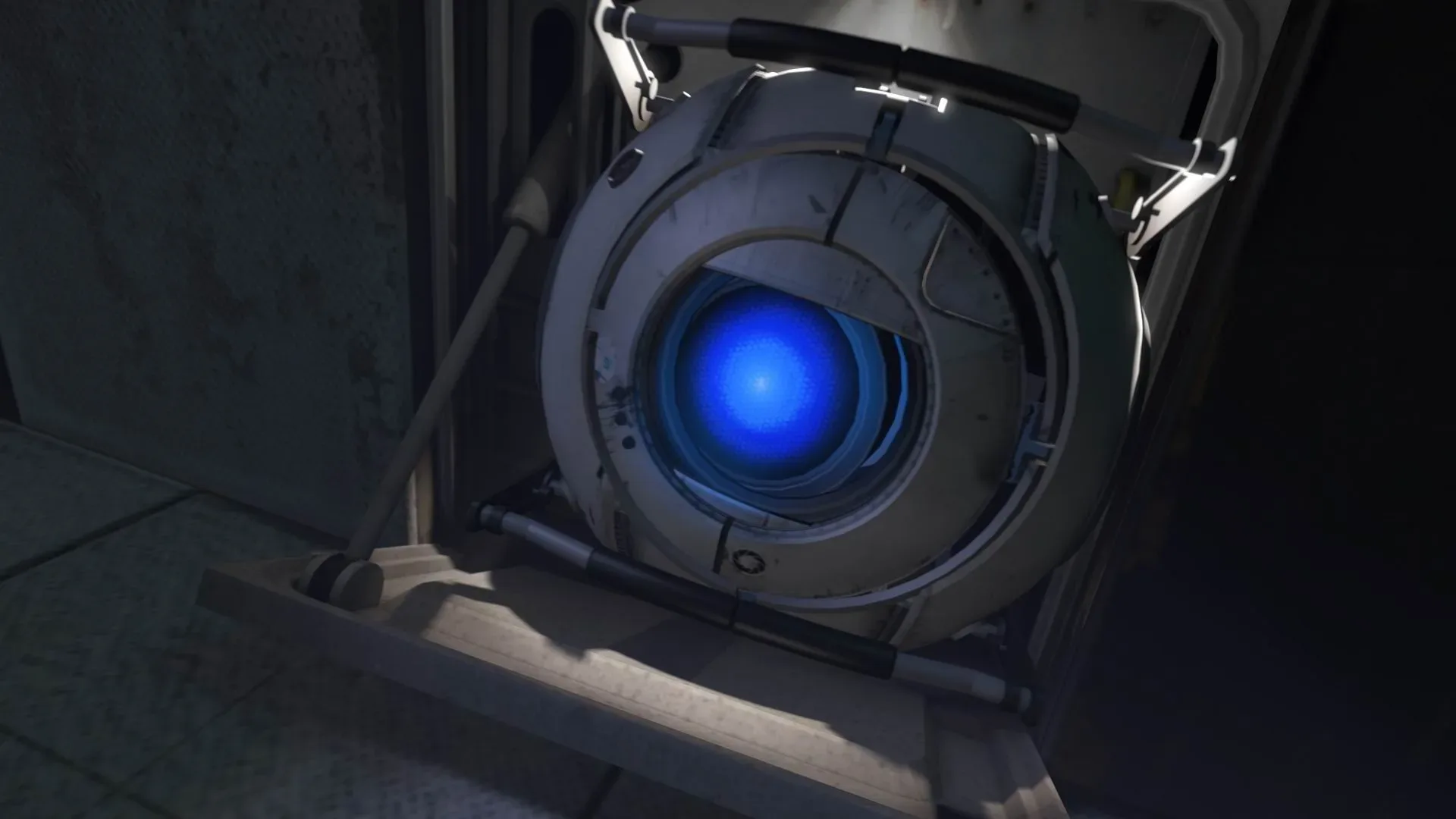
The timing is notable amid a continuing flow of game-based screen projects. Horror adaptations, in particular, face a difficult balancing act: they need to respect the imagery and tone people associate with the games, while also delivering scares and tension that work for viewers with no prior franchise knowledge. Elsewhere, discussions of game adaptations continue to reach back to questions of tone and design, including the history behind a proposed gore-heavy direction for Portal.
Cregger’s Resident Evil will have more to prove as its audience grows and its initial aggregate scores settle. For now, though, it has accomplished something rare in a category often defined by disappointment: it has opened as the best-reviewed video game movie on the Rotten Tomatoes rankings cited here, while earning a strong early response from verified viewers as well.
For fans who wanted Leon, Nemesis, or a stricter retelling, the movie’s existence will not magically fulfill that separate wish. Yet the initial numbers indicate that the original-character route has not prevented this Resident Evil from resonating. Its clearest achievement may be proving that an adaptation can be recognizable in mood and genre without treating familiar lore as the only possible route to legitimacy.