There is a particular kind of panic that Resident Evil players know well: the sound of something moving in the next room, a nearly empty handgun, and the dawning realization that the last save point is far behind. Zach Cregger’s upcoming Resident Evil movie appears determined to bring that exact tension into a theater.
Cregger has said that the games’ resource-management design is central to his approach. The intended effect is not merely that audiences see a character fire a gun, but that they understand the cost of each round and feel the mistake when one is wasted. In other words, ammunition is meant to function as more than action-movie decoration. It is a ticking survival equation.
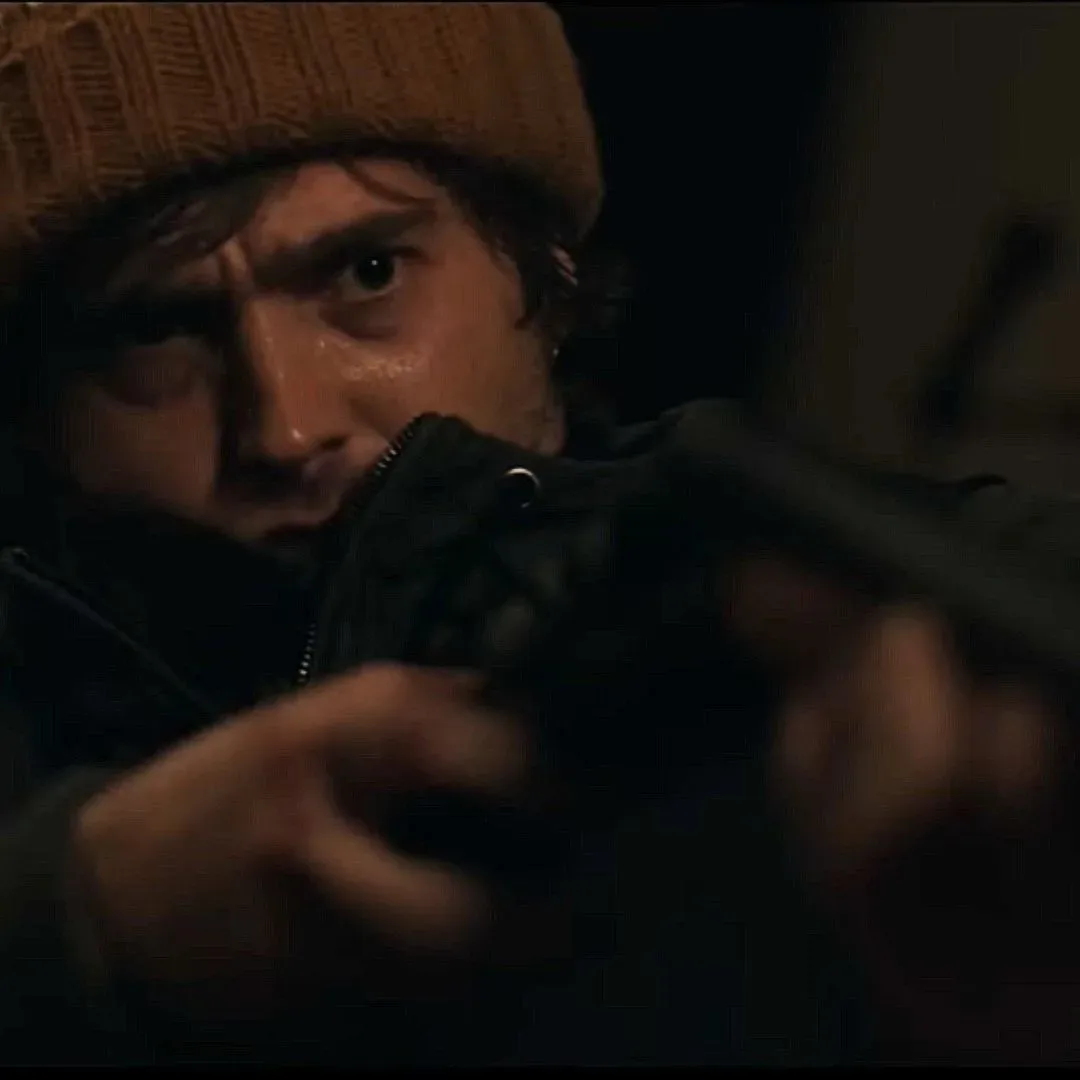
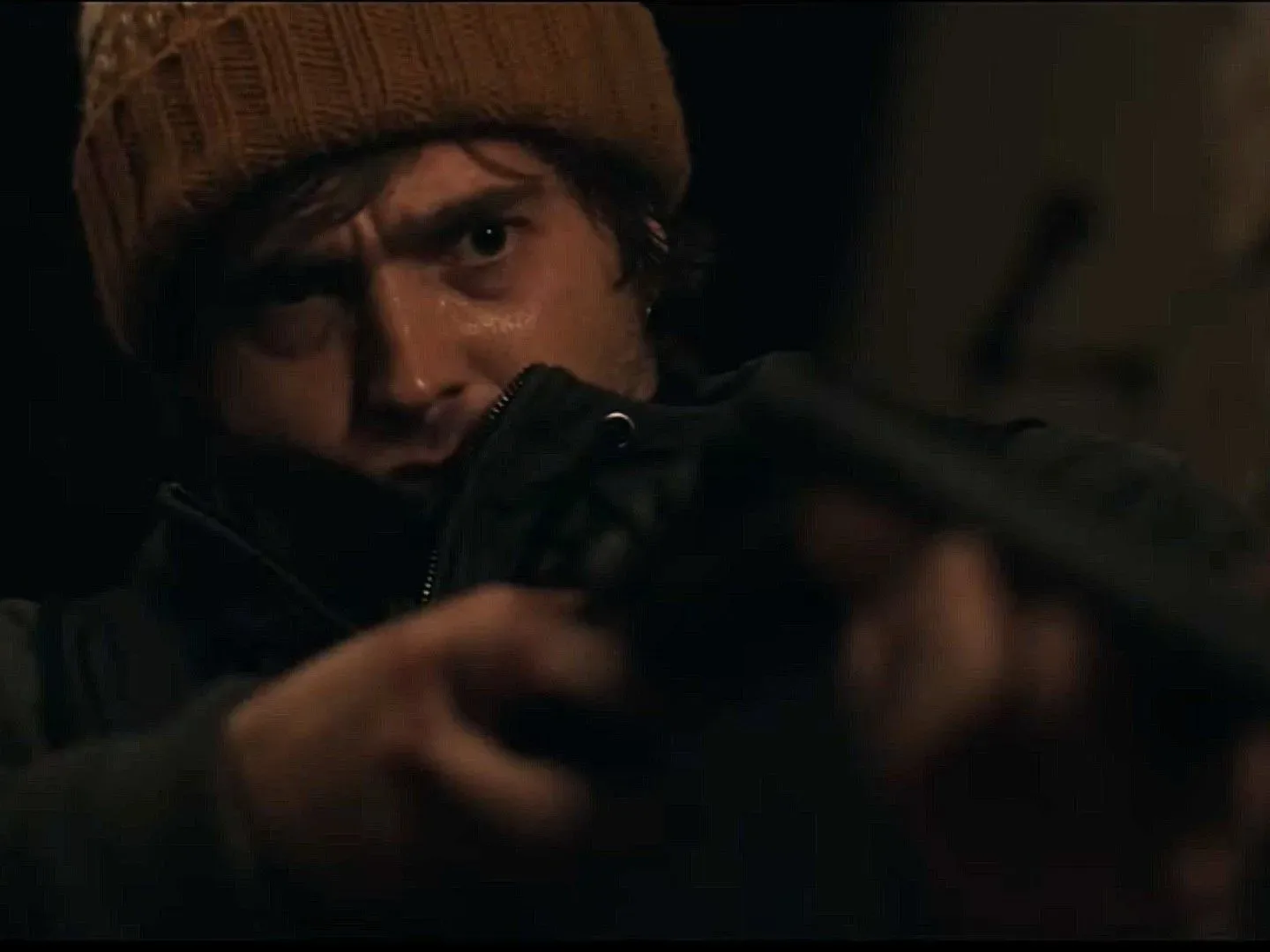
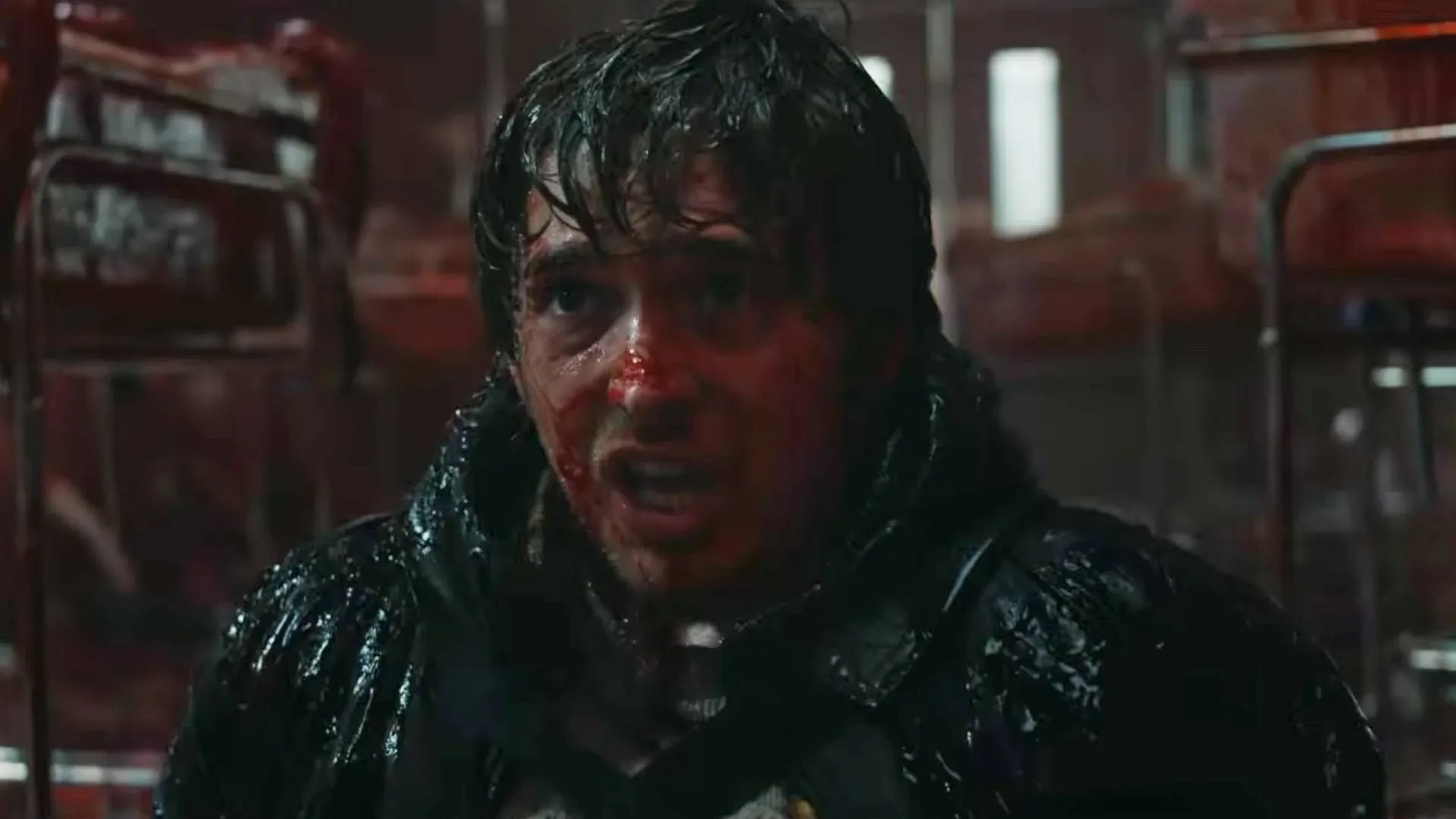
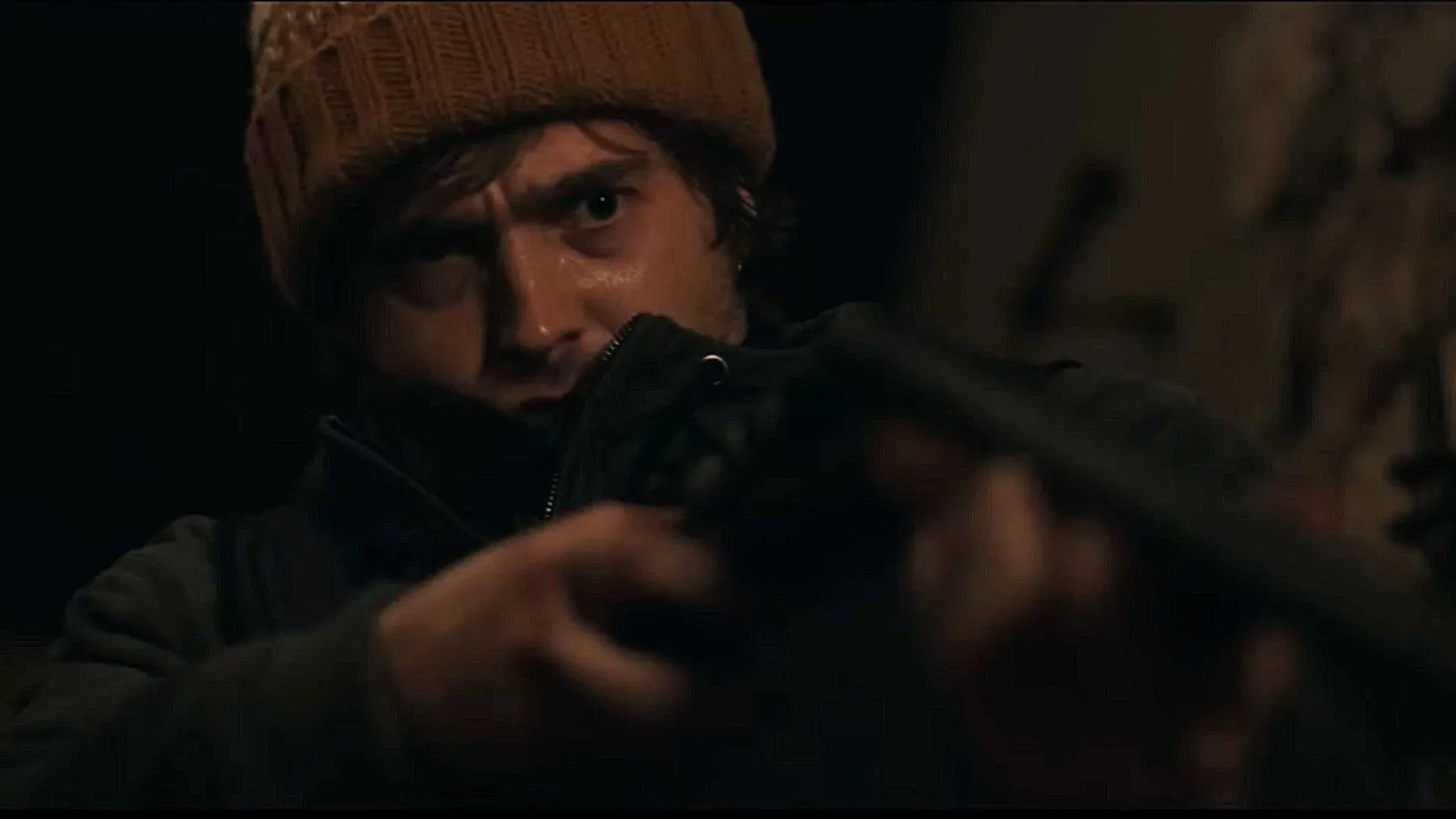
The director also wants the audience to follow the physical condition of Bryan, the film’s protagonist, played by Austin Abrams. Cregger’s comments suggest viewers will remain aware of Bryan’s declining health as the story advances. That is a potentially crucial distinction for an adaptation of this series: danger should have a visible, cumulative impact rather than disappear after the next cut.
A survival-horror rulebook for the cinema
Most action films treat bullets as a genre convenience. A weapon fires until the scene says it should not, then a reload becomes a brief flourish before the choreography resumes. Resident Evil has traditionally worked in the opposite direction. A player opens a menu, checks a count, weighs a combat encounter against the possibility of a worse one later, and may decide that running is smarter than fighting.
That uncertainty is as important to the series’ identity as mutated creatures, eerie laboratories, locked doors, and the ominous geography of Raccoon City. Even when an enemy is beatable, the question is whether beating it is worth the supplies. The tension comes from limitation.
Cregger’s stated goal is to make that limitation legible to a movie audience. If Bryan has a known number of rounds, every shot has narrative weight. A miss can alter the next minute of the story. A reload is no longer a routine beat; it becomes a moment when the character may be defenseless. A gun can still offer comfort, but it cannot promise safety.
That approach could give the film a useful survival-horror rhythm. Instead of escalating solely through bigger monsters or louder sequences, the pressure can build through attrition. A wound persists. A box of ammunition dwindles. A route that once seemed manageable becomes terrifying because Bryan is operating with fewer options than before.
The health bar, without necessarily showing a health bar
Being “keenly aware” of Bryan’s health does not automatically mean the movie will put a literal game-style HUD in the frame. Cregger has not detailed the precise visual method. The idea could be communicated through performance, makeup, sound, pacing, dialogue, movement, or a combination of those tools. What matters is the planned audience awareness: Bryan’s body is another resource being depleted.
Related coverage includes Resident Evil Movie Will Make Every Bullet Count, Director Says.
That is a strong fit for Resident Evil. The games often make recovery items meaningful because damage is not supposed to feel abstract. A character limping through another hallway, choosing whether to heal now or save an item for later, can make even a quiet environment feel perilous. On film, that principle could turn a simple task—reaching a door, crossing a corridor, or escaping an infected crowd—into a problem with consequences.
There is also a natural dramatic benefit to keeping a hero visibly vulnerable. Bryan need not be the kind of protagonist who glides through catastrophe with infinite skill and perfect timing. The more the audience understands his limited ammunition and worsening condition, the more a close call can feel earned rather than mechanically inevitable.
Bryan is not Leon Kennedy, and that matters
The new movie is not positioned as a direct retelling of one specific Resident Evil game, and it does not center on franchise regular Leon Kennedy. Abrams plays Bryan, a medical courier who reports for a package delivery to Raccoon City General Hospital while the zombie apocalypse is underway.
That premise puts an ordinary working obligation in collision with an extraordinary disaster. A courier’s job is inherently directional: pick something up, take it somewhere, get through the route. In a city overwhelmed by infection, every step of that assignment can become a survival-horror obstacle. The medical setting also sits comfortably within Resident Evil’s long-running interest in outbreaks, biological experiments, emergency responses, and institutions that become traps.
Setting the film during the events of Resident Evil 2 gives the story a recognizable point on the franchise timeline without requiring Bryan to replace an established character. It leaves room for the movie to tell an adjacent story inside a familiar crisis. That can be a productive arrangement for an adaptation. Fans can recognize the stakes and setting, while the film retains freedom to make Bryan’s route, decisions, and peril its own.
Cregger has additionally identified Resident Evil 4 and Resident Evil 7 as influences, albeit in different ways. The specifics of how those games will inform the finished movie have not been spelled out. Still, the combination is intriguing on its face: Resident Evil 2 supplies the Raccoon City outbreak context, while later entries offer their own distinct ideas about intensity, isolation, combat, and dread.
Why tracking resources can be more frightening than a monster reveal
A creature reveal delivers an immediate jolt. Resource scarcity lingers. The first is a surprise; the second makes viewers calculate. When an audience knows Bryan is short on ammunition, even a moment before an enemy appears carries tension. Every unexplored doorway becomes a possible expense. Every target has to be worth a bullet. Every miss compounds the danger.
This is the sort of structural fear video games create especially well, because players make the choices directly. A film cannot hand the audience the controller, but it can invite them into the same mental loop. Viewers can count along, question a decision, and dread the consequences of an empty chamber. If the movie establishes its rules clearly and follows them consistently, the audience can become a reluctant participant in Bryan’s survival math.
That principle also separates game-inspired filmmaking from simply reproducing superficial iconography. Familiar locations and monsters can matter, but Resident Evil’s distinctive identity is tied to its systems: inventory pressure, healing choices, scarce supplies, imperfect information, and the danger of committing to a fight. Cregger’s comments indicate an interest in translating that feeling, not just borrowing the brand’s creature catalogue.
It is an adaptation challenge with a useful parallel in other projects that look to games for design lessons rather than simple imagery. Recent discussion around how Super Mario Odyssey helped inform Onimusha: Way of the Sword’s tactical controls underlines how individual game ideas can travel across projects when creators understand the purpose behind them. For Resident Evil, the purpose is not “show a number of bullets” on its own. It is making that number change the emotional experience of a scene.
The pressure is on for a faithful feeling, not a copied plot
Cregger describes himself as a major Resident Evil fan, and his focus on ammo and health suggests he recognizes what makes the series unnerving between the major shocks. The franchise has always contained spectacle, but it thrives when spectacle is constrained by fragility. A hero with two bullets is more suspenseful than a hero with a hundred. A survivor carrying an untreated injury is more exposed than one who resets to normal after a brief pause.
There is plenty the public still does not know about the film’s execution, including exactly how it will visualize Bryan’s condition or communicate ammunition counts from scene to scene. Those questions are important, because the success of the idea will depend on clarity. The audience has to understand the limits without the movie stopping cold to explain every mechanic.
But the central intention is clear: this Resident Evil wants a missed shot to mean something. It wants Bryan’s body and supplies to remain part of the suspense. And it wants a trip to Raccoon City General Hospital to feel less like a routine action mission than a desperate attempt to make a dwindling set of resources last one room longer.
Resident Evil is scheduled to arrive in theaters on September 18.