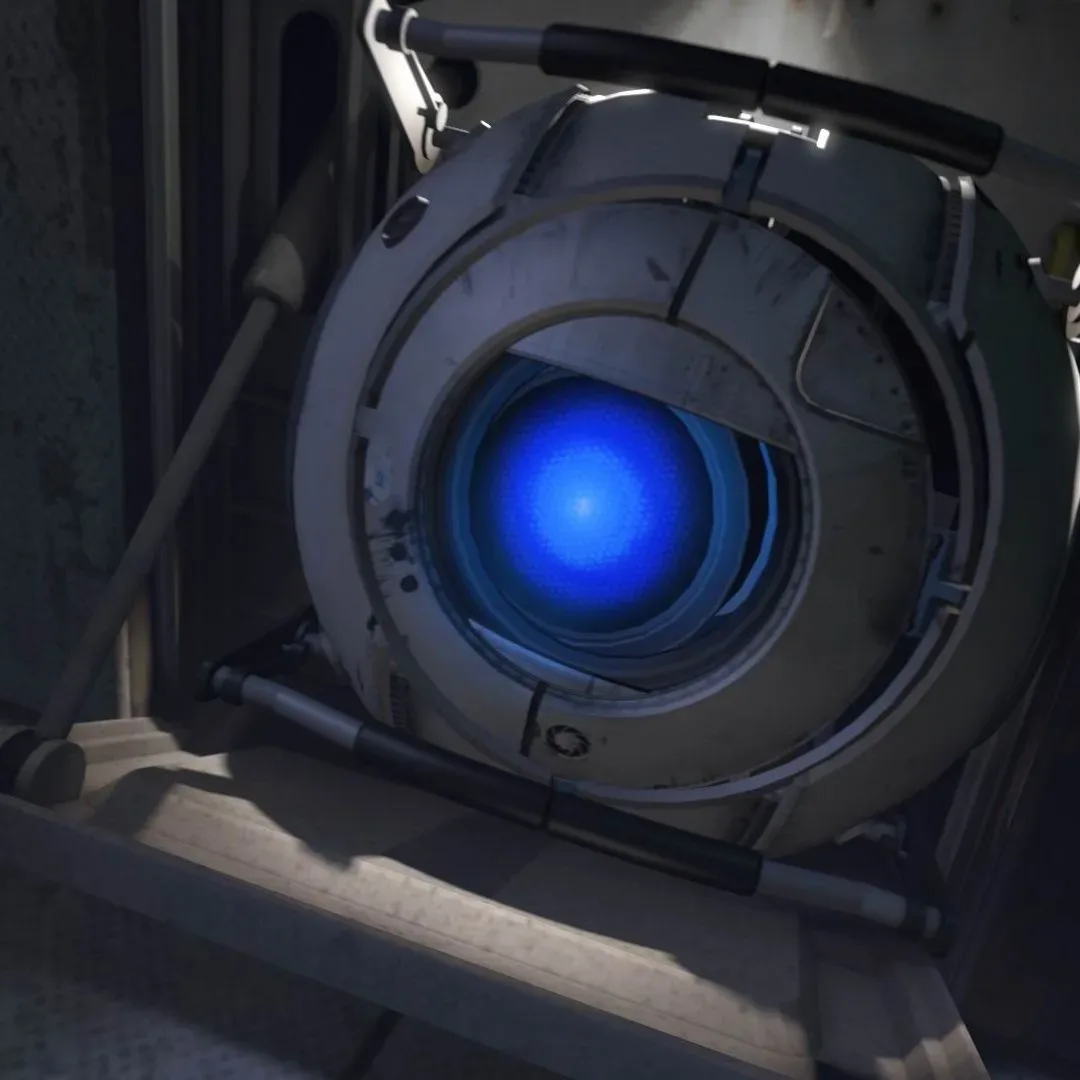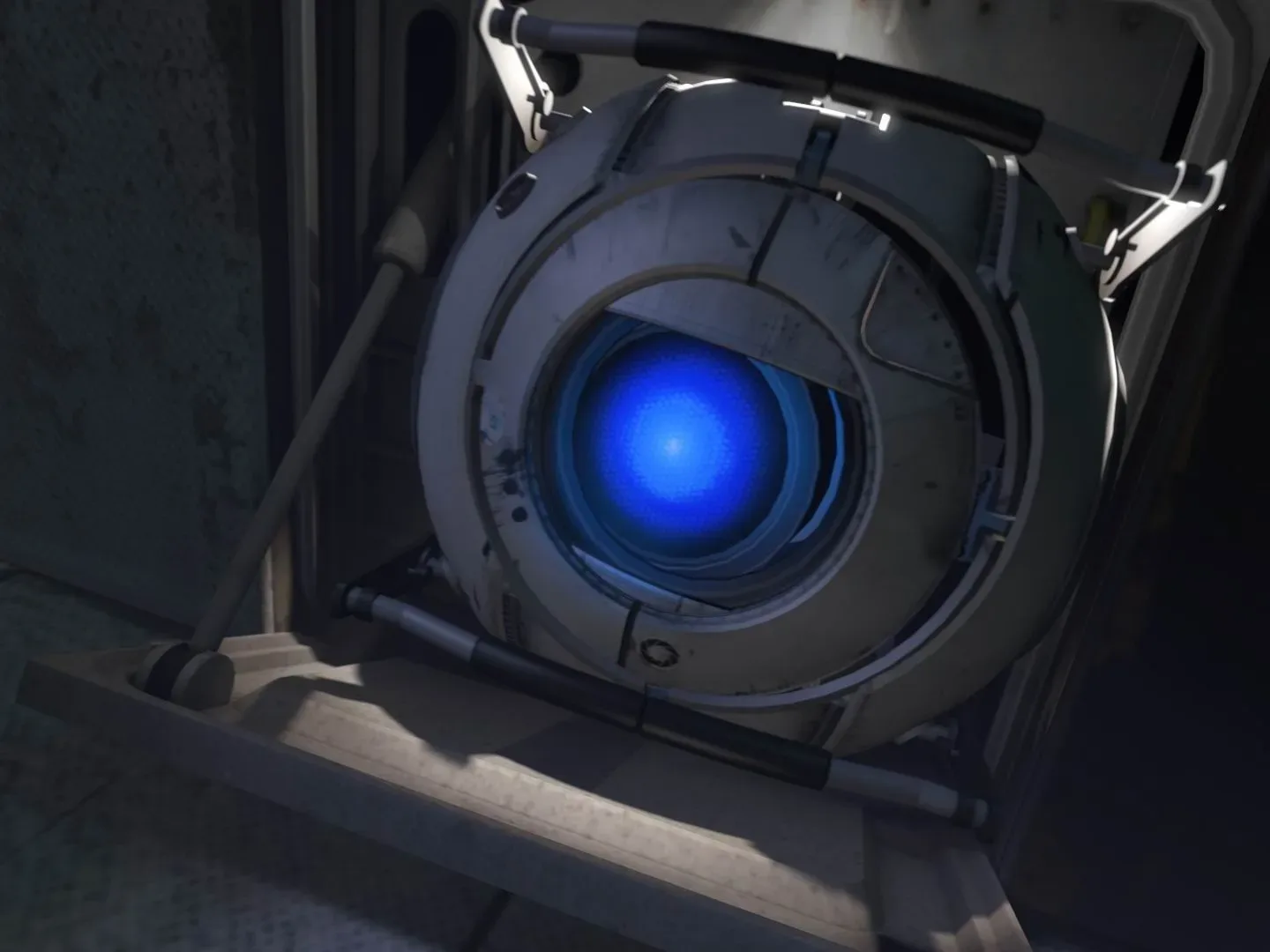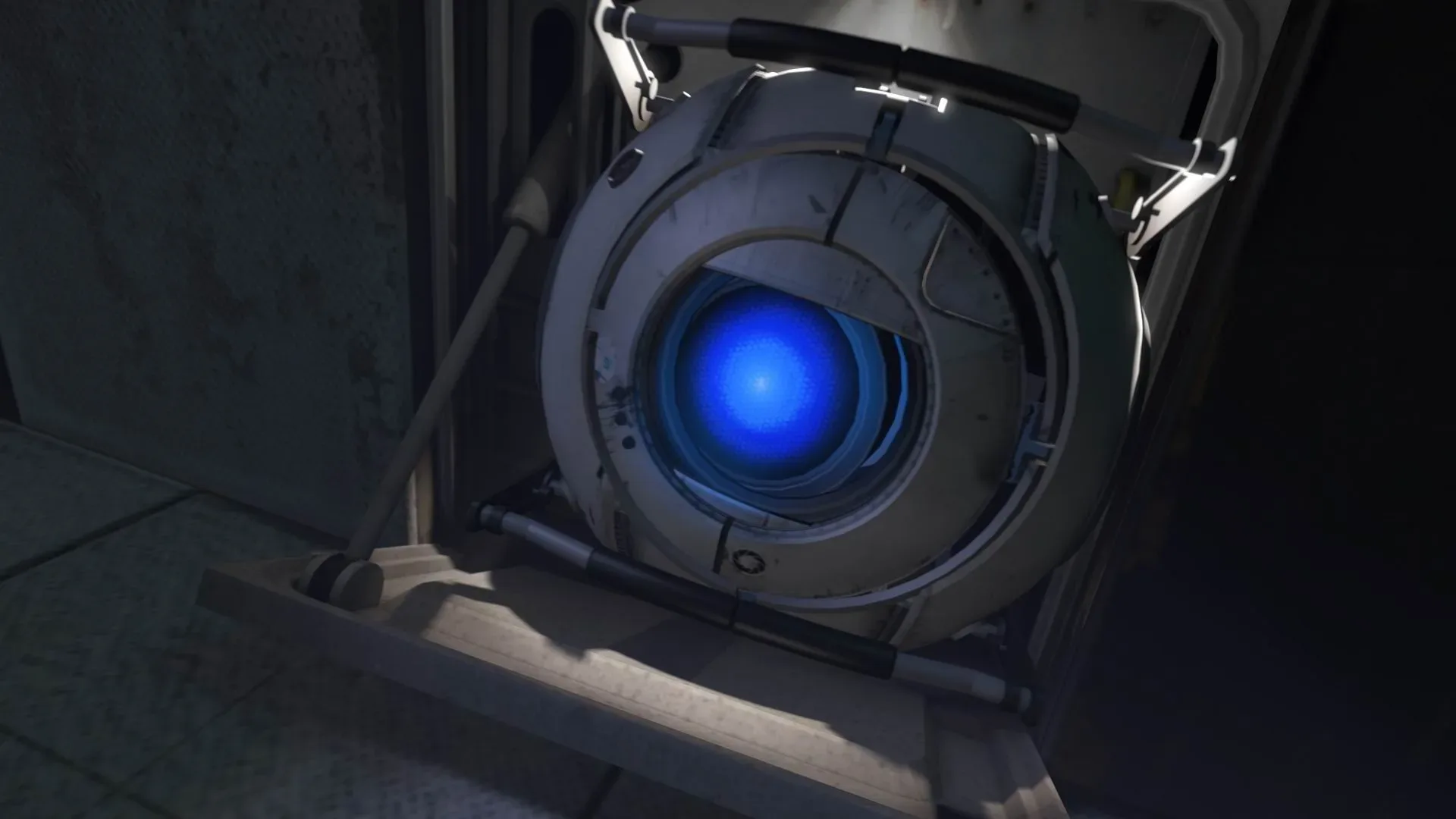
Portal might have been a much messier place. Chet Faliszek, the former Valve writer who worked on the 2007 puzzle game, has recalled an internal proposal to put gore and dead bodies throughout the original Portal. The suggestion did not get far: Faliszek says the wider team opposed it, Eric Wolpaw asked him to make the case against it in a meeting, and Gabe Newell’s response was an emphatic rejection.
It is an entertaining alternate-universe image: test chambers dotted with graphic carnage, a sterile Aperture Science facility turned into something closer in mood to a survival-horror game. But Faliszek’s account also underlines a serious design point. The absence of gore was not merely a content limitation or a cosmetic preference. It helped preserve Portal’s particular mix of spatial puzzle-solving, impersonal corporate satire and quietly escalating unease.
A proposal that went nowhere
In a recent video appearance, Faliszek said an unnamed developer with enough influence to force a discussion wanted to add “a bunch of gore and dead bodies” to the first Portal. He characterized the idea bluntly as a terrible fit, and said the rest of the team felt the same way.
Faliszek recalled that the developer called for a meeting involving Newell. Wolpaw, another Portal writer, asked Faliszek to attend and plainly say that the studio should not do it. Faliszek says he opened with exactly that: no gore would be added, and the proposal should be dropped.
“Why are we even having this meeting? This is the stupidest question ever. We shouldn’t add gore to the game.”
That is how Faliszek remembers Newell’s view. The meeting reportedly lasted around five minutes, after which the proposal’s supporter left the issue behind. Faliszek did not identify the developer who made the pitch, and the recollection does not suggest the idea progressed into a publicly shown build. What is clear is that Portal released without the corpses and graphic violence that had been floated internally.
Why gore would have changed Portal’s language
The central technical idea in Portal is simple to state: players create linked openings on suitable surfaces and use them to cross spaces, redirect momentum and solve environmental problems. Yet the game’s effectiveness depends on attention. Players need to read room geometry, identify routes, judge drops and understand the relationship between one portal and its partner.
Environmental readability is the useful term here. It means that a game space communicates what matters through its layout, contrast, objects and visual boundaries. In a puzzle game, readability is especially valuable because the player is continually looking for usable information. A clean test chamber can focus the eye on ledges, panels, surfaces and hazards. Adding conspicuous dead bodies and gore would not automatically make puzzles impossible, but it would introduce more visual noise and compete with the signals that guide thought and movement.
Related coverage includes Valve Veteran Recalls How Portal Nearly Faced a Gore Debate.
That is only one part of the mismatch. Portal’s settings are clinical and controlled on the surface, even when the player begins to understand that the institution behind them is not trustworthy. Its tension comes from order becoming suspicious: the repeated structure of tests, the insistence on procedure, and the uncomfortable sense that the facility’s stated purpose and its actual motives may not line up.
Graphic bodies would answer some of that uncertainty too directly. They would announce immediate, explicit danger. Portal instead gets considerable mileage out of withholding that sort of confirmation, allowing the player to absorb a strange tone while continuing to do what the game asks: solve the next chamber.
Unease is not the same thing as horror imagery
It is important not to reduce the question to whether Portal is “dark.” It certainly has unsettling elements, but darkness can be conveyed through dialogue, implication, hostile systems, isolation and the gradual loss of trust in a supposedly helpful environment. Gore is a different tool. It foregrounds physical aftermath and bodily harm.
Those approaches can coexist in games, but they create different expectations. Once a game fills its rooms with bodies, the player may reasonably expect threats to be confronted, enemies to be fought, or violence to be central to progression. Portal’s identity rests elsewhere. Its problems are primarily spatial and physical, and its most memorable pressure comes from being placed inside an absurdly polite but deeply unnerving testing apparatus.
Faliszek made the comparison himself by noting that Portal was not Half-Life. The distinction matters even though both games are associated with Valve. A setting built around Black Mesa can support a more overtly violent expression; Aperture Science in Portal serves a different dramatic function. The shared developer does not require the same visual language, stakes or player fantasy.
The comedy needs room to breathe
Portal is also funny, often in a dry and disquieting way. Its comedy benefits from restraint. The friction between cheerful institutional language and the increasingly strange context gives the game much of its character. The facility can appear efficient and clean while its voice and logic grow more alarming.
That contrast would be harder to maintain with pervasive gore in every direction. A blood-soaked room does not invite the same kind of deadpan interpretation as an immaculate one. It declares its mood in a much louder register. Rather than allowing humour and unease to overlap, it could push the experience toward blunt shock.
This is not an argument that gore cannot be funny or that violent games cannot be clever. It is an argument about coherence: whether a given device supports the game’s own systems, atmosphere and pacing. Faliszek’s story suggests Valve’s answer was unusually decisive. The question was not whether the studio could make Portal more graphic, but what that would do to the game Portal was trying to be.
A small production story with a bigger lesson
Creative-development anecdotes often make game design seem like a sequence of miraculous inspirations. This one is useful for the opposite reason. It is about subtraction. A notable feature was proposed, discussed and rejected because it did not belong.
That kind of choice is fundamental to production. Teams have limited attention as well as limited time. Every major aesthetic addition has consequences beyond its immediate asset work: it can alter level dressing, animation, sound, ratings considerations, narrative tone and player assumptions. If a proposed element pulls in a different genre direction, its cost is not measured only by the number of objects placed in a room.
For Portal, the reported decision protected a strong through-line. The player is not meant to be constantly studying scenes of slaughter. They are meant to be thinking through a puzzle while gradually registering that the reassuring framework around it is deeply unreliable. The clinical emptiness is part of that effect.
The anecdote also shows the value of direct feedback when a team believes a proposal threatens the project’s core. Faliszek says others did not want to confront the developer advocating gore, but Wolpaw asked him to enter the meeting and state the objection clearly. Newell then backed the rejection without hesitation. That is a revealing, if narrowly focused, account of creative leadership: a contentious discussion can end quickly once the people responsible agree on the game’s identity.
What players can take from the rejected idea
For players revisiting Portal, the story offers a useful lens for noticing what the game chooses not to show. Look at how much work the test chambers do with architecture and absence. Their cleanliness is not neutral decoration. It supports comprehension, makes the facility feel managed, and leaves room for doubt to grow around the player.
It also reinforces a broader point for anyone discussing game direction: “more intense” is not automatically “more effective.” Gore could have made Portal more visibly severe, but severity was never the same thing as impact. A game can gain power by leaving a space empty, keeping a joke controlled, or allowing systems and atmosphere to imply danger rather than displaying every consequence.
Valve’s decision, as Faliszek recounts it, was therefore less about removing one provocative detail than maintaining the relationship between the puzzles, the facility and the tone. Portal arrived as a game whose unsettling mood does not get in the way of its precision. The five-minute meeting may have helped keep it that way.
Stories about old development choices are also a reminder that recognizable games are not inevitable. Even a proposal that sounds wildly incompatible in retrospect can reach a meeting if someone advocates for it strongly enough. The final version of Portal reflects a choice to trust its own strange, sparse voice rather than borrow a more explicit kind of horror from elsewhere in Valve’s history. For a game built around getting through impossible-looking rooms with two holes in space, that restraint was probably the sharpest tool available.
For another recent look at how studios explain consequential creative and technical decisions, see CD Projekt Red’s discussion of The Witcher 4’s move to Unreal Engine 5.