Zach Cregger’s upcoming Resident Evil movie is shaping up less like a straight replay of one famous entry and more like a careful raid on several corners of Capcom’s survival-horror series. The director has described a film that uses Resident Evil 4 for its forward-driving structure and sense of expanding scale, while drawing from Resident Evil 7: Biohazard for the more intimate terror of putting an ordinary person in an extraordinary nightmare.
That blend makes sense for a series as flexible as Resident Evil. Across decades of games, its identity has stretched from claustrophobic mansions and police-station puzzles to rural body horror, international biohazard conspiracies, and action-heavy adventures spanning villages, castles, laboratories, ships, and islands. Cregger is not treating that variety as a problem to solve. Instead, the information shared so far suggests he is using it as a palette.
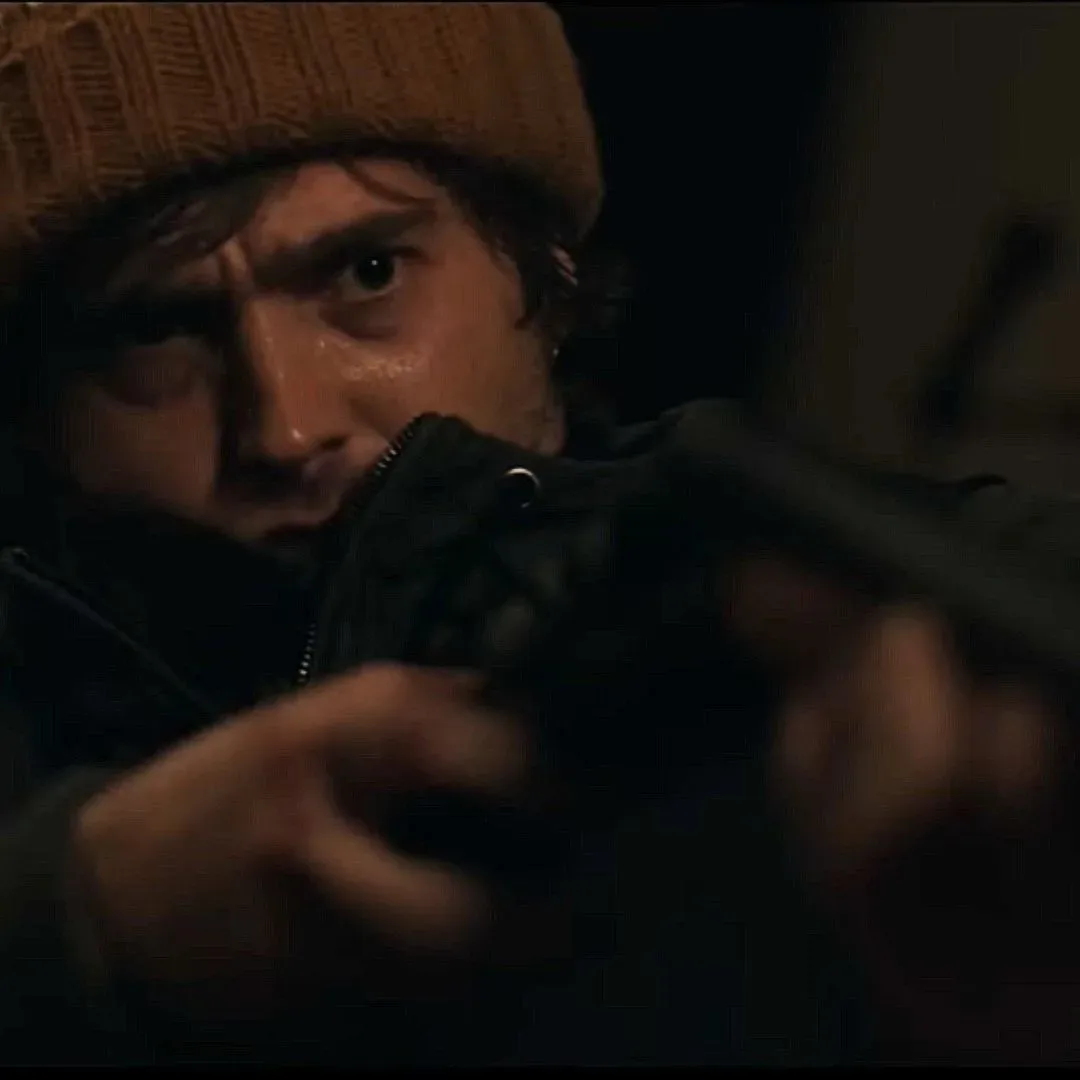
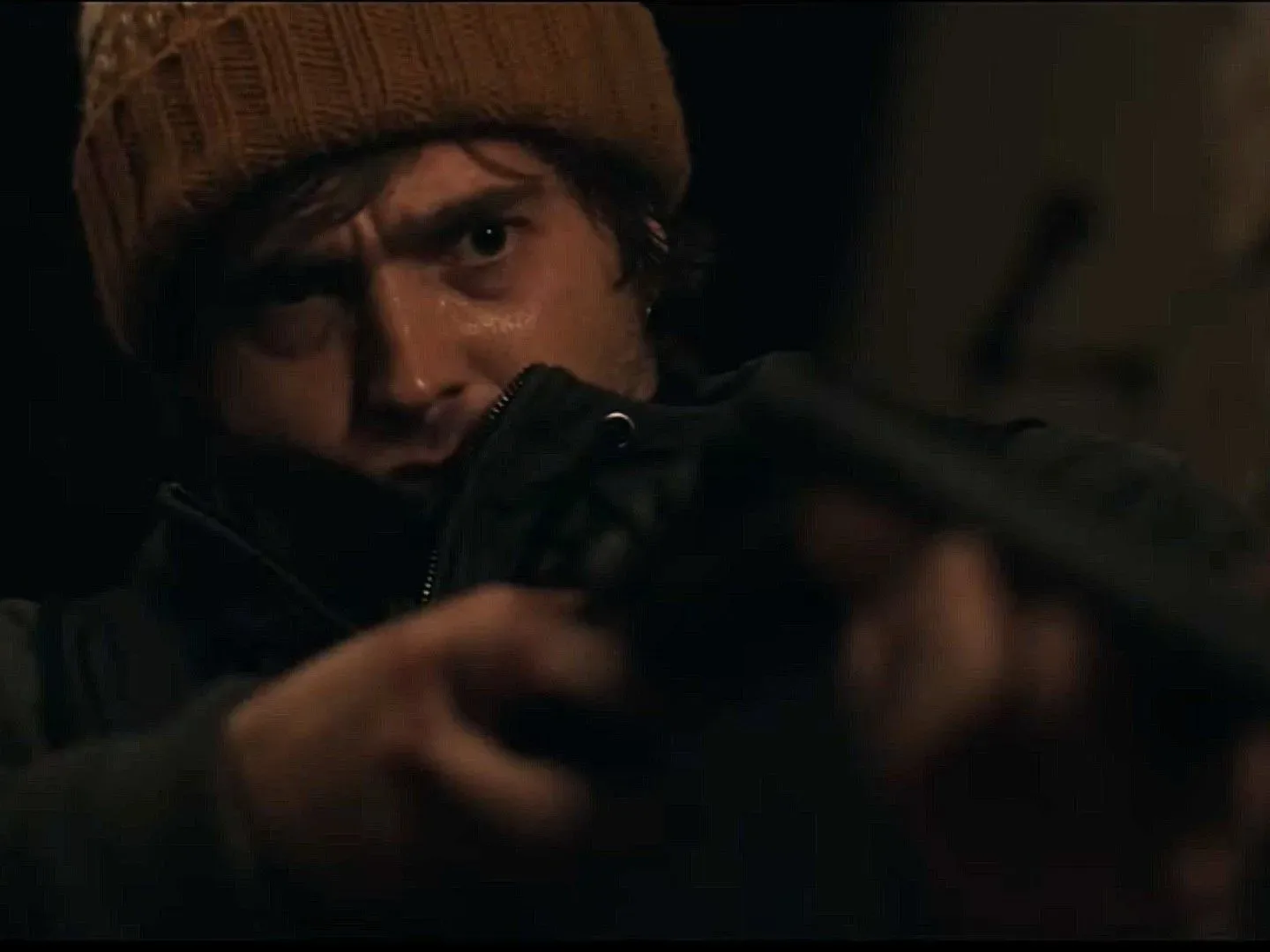
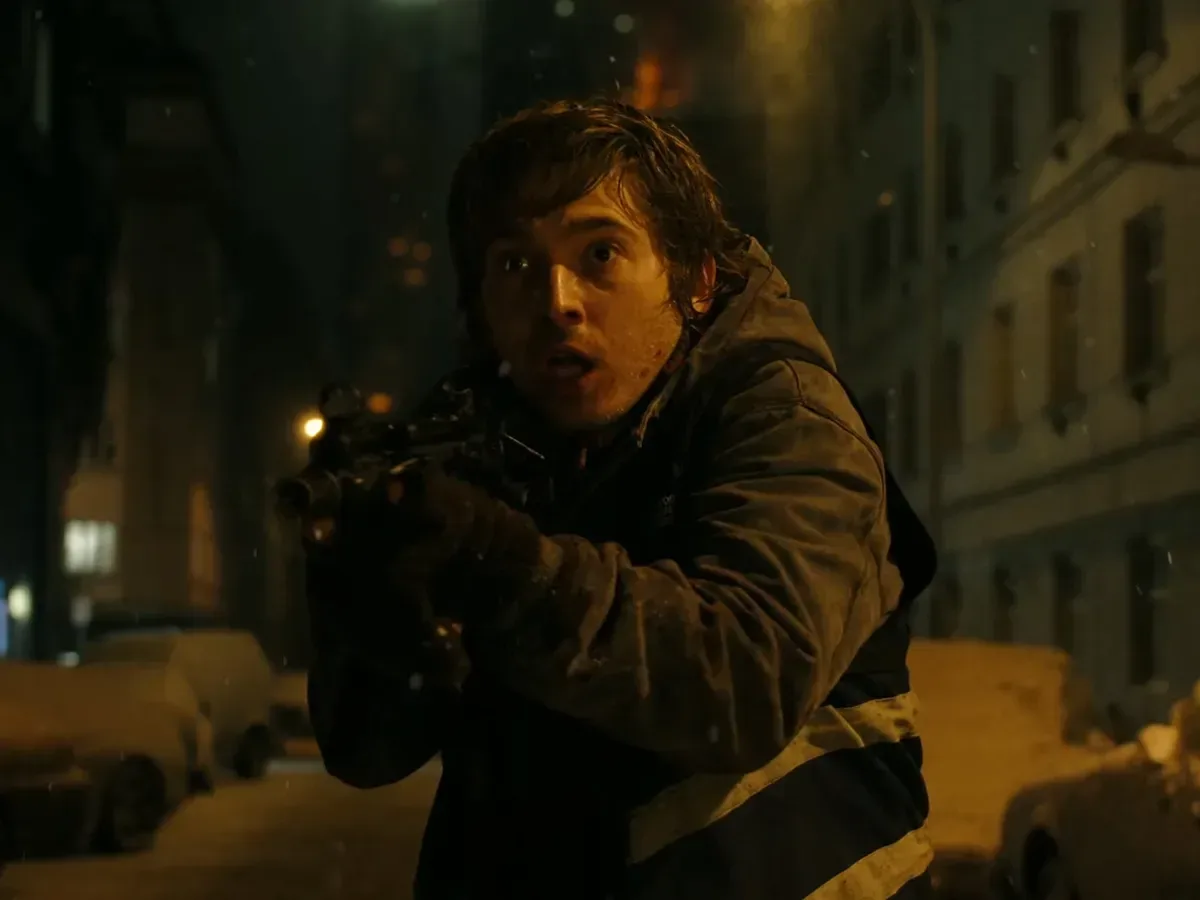
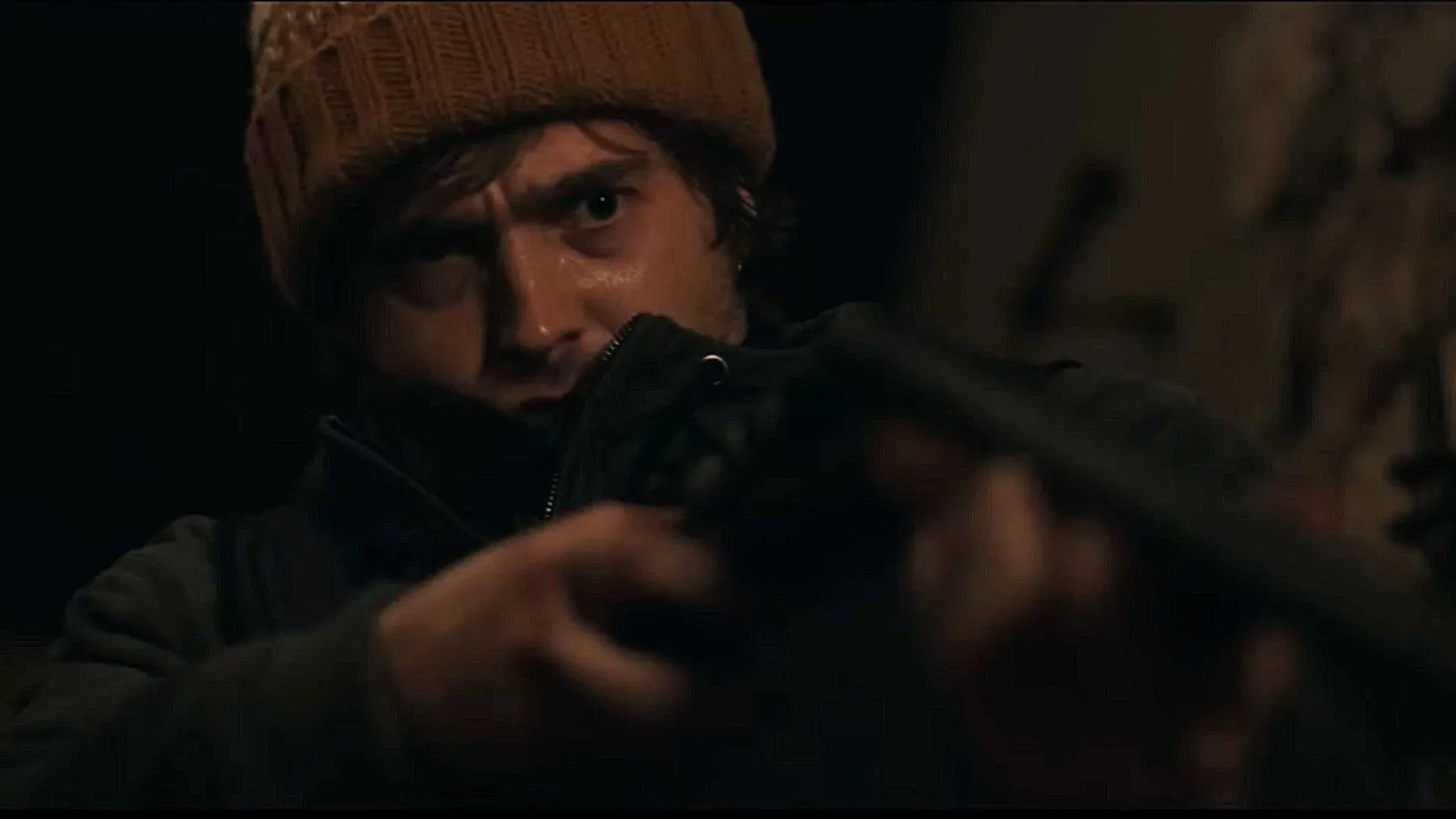
The film is due in theaters on September 18. It stars Austin Abrams as Bryan, a medical courier whose routine workday goes catastrophically off course when he becomes caught up in an apocalypse in Raccoon City. The premise places a non-superhuman lead directly in the path of a civic-scale disaster—a useful angle for a franchise often associated with trained officers, agents, and people who can reload a firearm while delivering a one-liner.
RE4 supplies the sense of motion
Cregger has said he likes the “rhythm and scale” of Resident Evil 4. In practical storytelling terms, that points toward a movie that keeps moving rather than remaining confined to one location for its entire running time. The 2005 game—and its later remake—takes Leon S. Kennedy from an isolated village to a huge castle and then into an island complex, constantly introducing new spaces, threats, and forms of pressure.
That changing-world design is a major part of why Resident Evil 4 feels so large even though it is still built around a focused rescue mission. Every destination arrives with its own visual language and gameplay demands. A village encounter can feel like a frantic siege; a castle can become an ornate, hostile maze; an industrial facility can shift the mood again. Cregger’s stated interest is not necessarily a promise that the movie will reproduce those specific locations or plot beats. It does, however, establish the kind of pacing he wants: escalation through movement, discovery, and the next bad place to be.
For a film adaptation, that is a potentially important distinction. A movie can borrow the shape of a game without turning into a checklist of recognizable rooms. The apparent goal is a chain of scenarios with the sensation that the disaster is widening around Bryan. He is not simply trying to outlast a single outbreak site. He is traveling through a night that appears to keep finding new ways to become worse, which is about as Resident Evil as a suspiciously enormous key with a gemstone in it.
The games themselves have always given fans plenty to preserve, revisit, and compare across versions. For anyone returning to older physical releases while waiting for the movie, our guide on how to store retro games so they remain playable and easy to find covers the practical side of keeping a library accessible.
RE7 offers a more vulnerable kind of lead
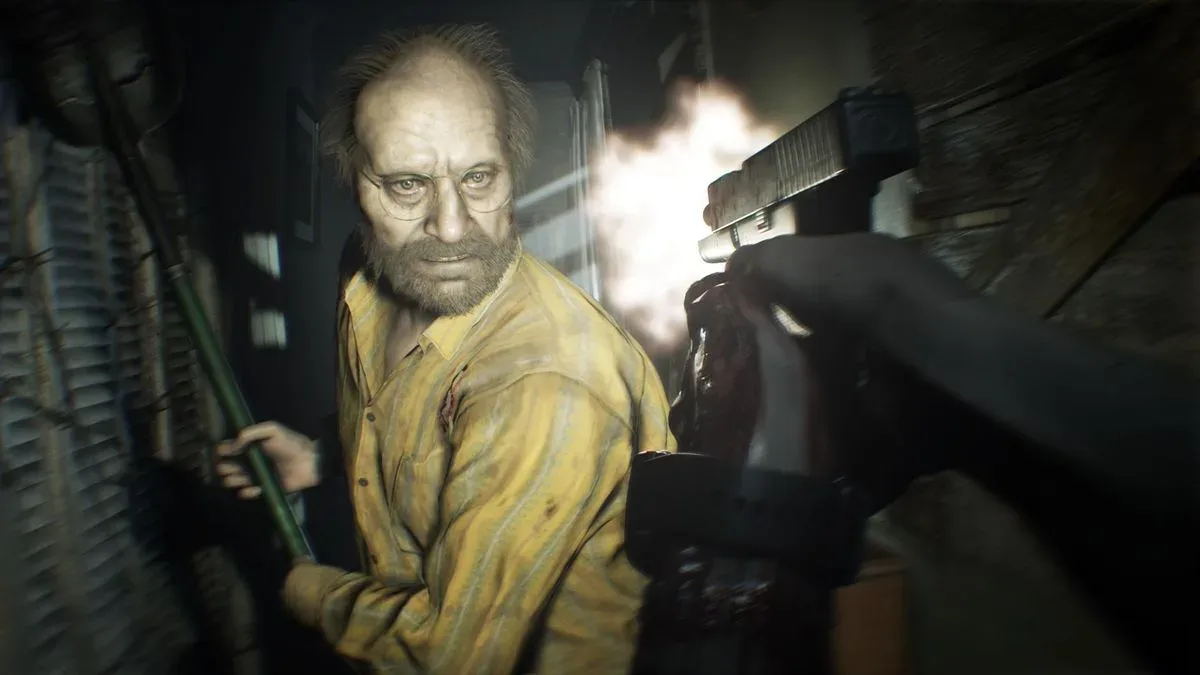
Where Resident Evil 4 brings the scale, Resident Evil 7: Biohazard appears to be the closer reference point for Bryan himself. RE7 introduced Ethan Winters, an everyman searching for his missing wife in a deeply unsettling rural setting. Ethan was not framed with the immediate assurance of a veteran government operative. He was a regular person confronted with something grotesque, infectious, and far beyond his understanding.
Cregger has specifically praised that quality in Ethan: the horror of a normal guy enduring an awful situation. Bryan begins from a similarly grounded place. He is a medical courier on an ordinary shift, and then Raccoon City’s catastrophe intrudes on his route. The known details also connect him to a creepy farm, a setting that naturally invites comparison with RE7’s rural dread.
That does not mean Bryan is Ethan, or that the film is simply transplanting the Bakers’ story into a new continuity. The more meaningful overlap is emotional. Survival horror works differently when the central character does not seem built for disaster. Expertise can create excitement, but inexperience creates a particular kind of fear: a person has to make decisions with incomplete information, flee before understanding what is chasing them, and improvise when every familiar rule has become unreliable.
It is also a smart way to give the movie its own protagonist while remaining adjacent to material players already know. Leon’s adventures have a particular tone. Ethan’s have another. Bryan seems positioned to occupy a space closer to the latter, even while the film’s wider night of calamity is tied to Raccoon City.
A parallel story during Resident Evil 2
Although Cregger has characterized the project as a standalone story, he has also placed it on the periphery of Resident Evil 2. The film occurs during the same major Raccoon City crisis as the second game, but follows another incident unfolding in parallel rather than retelling Leon Kennedy and Claire Redfield’s familiar routes.
That is an especially interesting framework for an adaptation because it respects the enormous footprint of RE2 without requiring the movie to hit every expected landmark. Resident Evil fans know that Raccoon City is having an exceptionally bad night. There are already established heroes, outbreaks, monsters, corporate wrongdoing, escape attempts, and a city on the brink. A parallel narrative can acknowledge that shared emergency while letting Bryan face dangers that belong to his own story.
It also leaves room for the movie to build suspense for viewers who have played the games and those who have not. Longtime fans can understand the broad stakes hanging over the city. Newcomers can follow one person’s terrible night without being assigned several decades of Umbrella history, virus variants, and alphabet-soup security agencies before the first terrible noise comes from behind a locked door.
For audiences who want to revisit the games’ setting and atmosphere, the practical details matter almost as much as nostalgia. Older systems can require some planning before a classic survival-horror disc is ready for a modern television, and our retro console HDMI adapter checklist explains what to identify before buying an adapter.
Raccoon City is being built with RE2 in mind
The production design is also rooted in RE2. Production designer Tom Hammock has said that the team designed the city around the look of the second game. That is a useful anchor for a movie otherwise pulling inspiration from multiple installments. It suggests that Raccoon City itself is not merely a named backdrop; its visual character is a deliberate part of the adaptation.
At the same time, Hammock’s creature work reaches beyond RE2. A creature display included concepts for zombified rats, dogs, and other threats, with inspiration cited from Resident Evil 4 and Resident Evil 6. This is another sign that the film is not limiting itself to one game’s bestiary.
The approach could help the movie communicate the scale of an outbreak. Human zombies are the foundational danger of Resident Evil, but infected animals make an environment feel compromised in a different way. They imply that the contamination is not only in a building or a crowd but is spreading through the city’s ecosystem. Dogs, rats, and other creatures can turn familiar spaces into hazards and make even a moment of apparent safety feel temporary.
What the mix says about the film’s identity
The confirmed ingredients now form a clearer picture. RE2 provides the time and place: Raccoon City in the middle of its defining catastrophe. RE7 supplies a protagonist who begins as an ordinary working person rather than a polished combat specialist, plus a rural horror connection through the farm. RE4 informs a broader, increasingly varied adventure structure. RE6 has contributed at least some inspiration to creature design.
That is not a promise of a greatest-hits adaptation, and it should not be read as one. The film has been described as standalone, with Bryan’s own route through the disaster. But it does suggest a production trying to capture multiple meanings of “Resident Evil” at once: the personal panic of being trapped in a nightmare, the momentum of moving from one escalating danger to the next, and the recognizable visual weight of a doomed Raccoon City.
For a franchise that has reinvented its style repeatedly, that may be the most faithful possible strategy. The series has never been only one thing. Its strongest adaptations may not be the ones that copy a map room by room, but the ones that understand why entering a dark hallway, a ruined city, or a strange farm feels alarming in the first place.