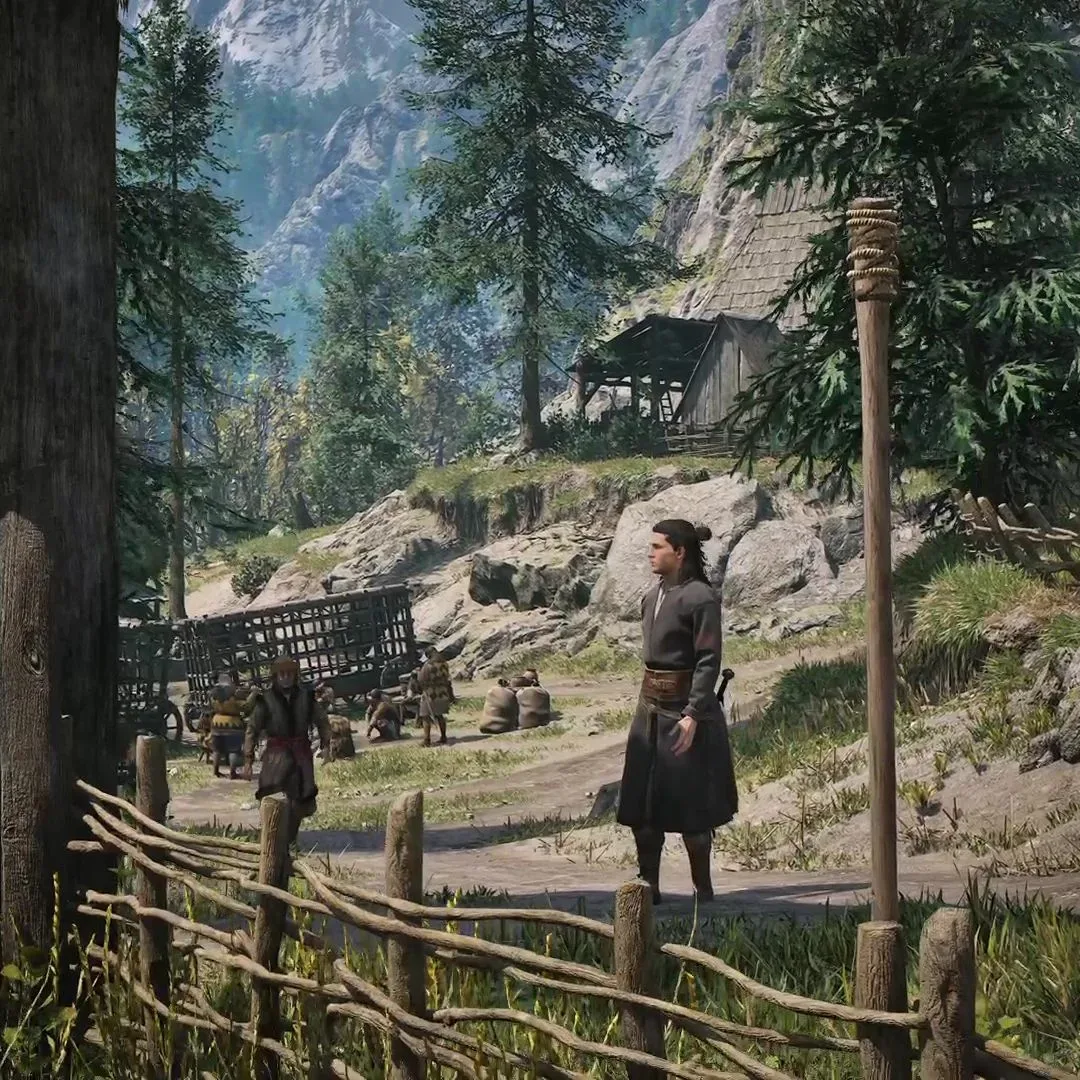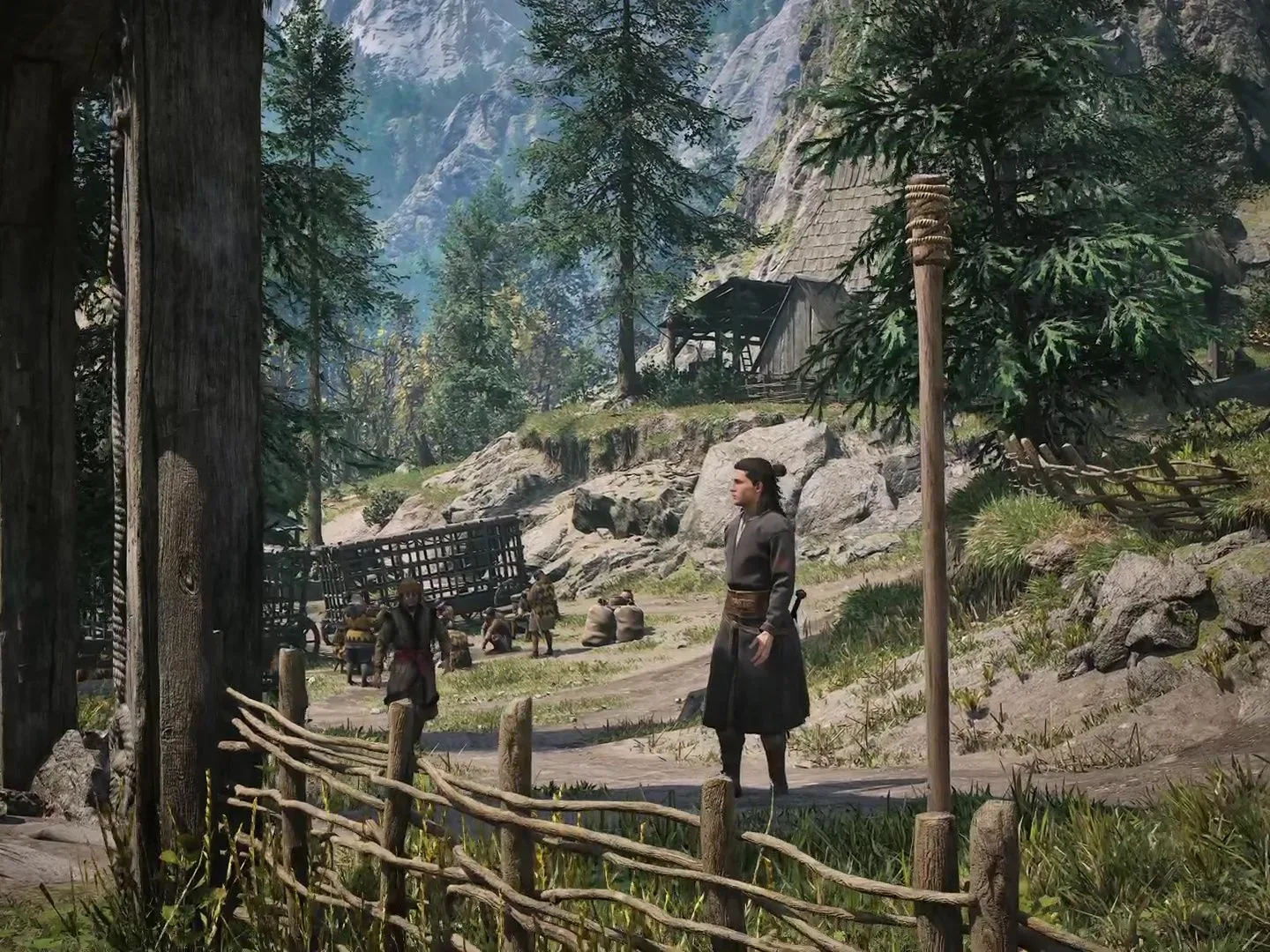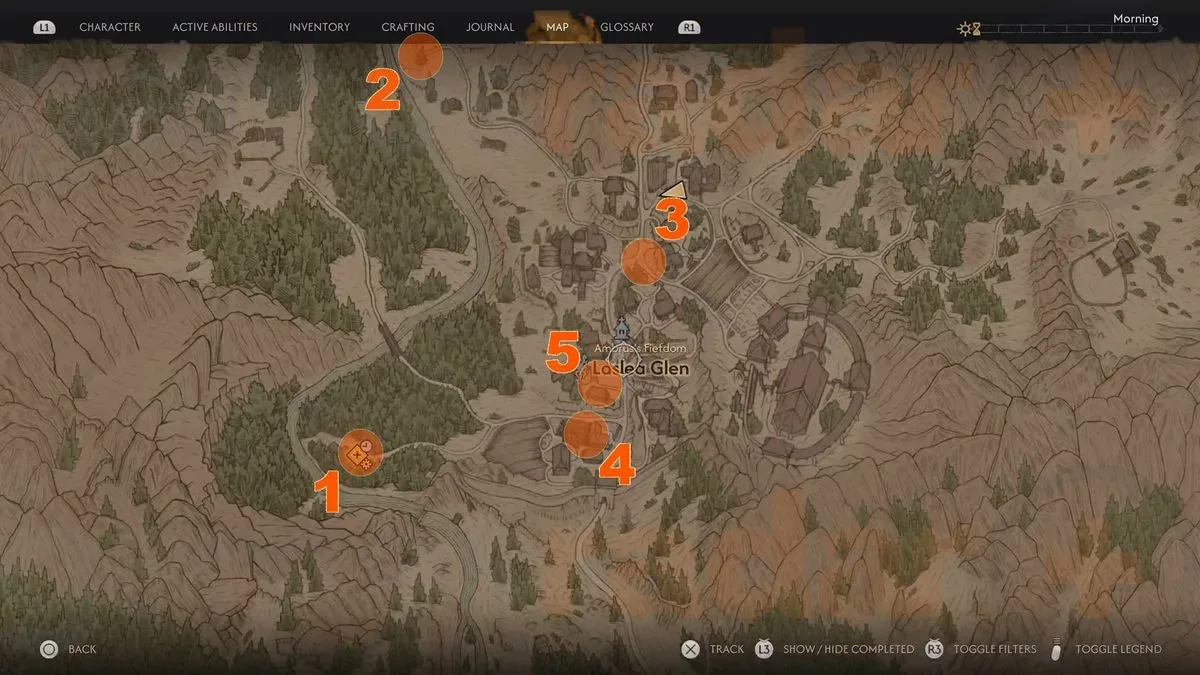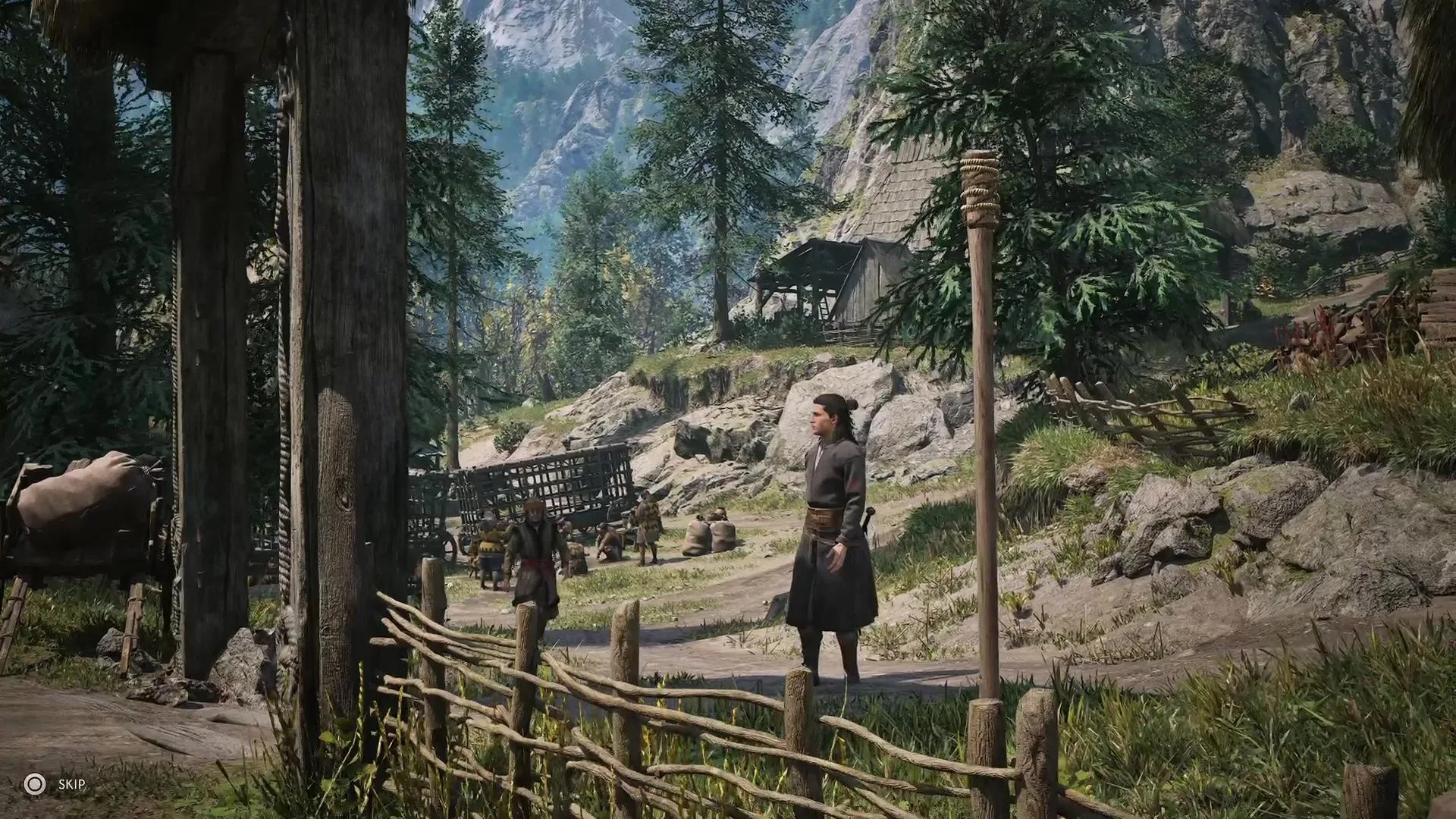
The Blood of Dawnwalker opens by putting a surprisingly mundane problem in front of a very grim backdrop: there are only so many daylight hours before Sundown Mass, and Laslea is full of people who would quite like a favor. The early village sequence is not built around finding the single biggest reward or uncovering a permanently missable super-sword. It is primarily a compact tutorial day, designed to introduce the people, systems, and bits of mythology that will matter once the story moves beyond the village.
That does not mean every errand is interchangeable. A few activities teach mechanics that may otherwise be less clearly explained, while others offer small practical rewards or context for the world. If the aim is to see the useful opening material without beginning something that cannot be wrapped up before Mass, there are five major stops worth making: Anca’s herbs, the siblings’ fishing trip, Vasil’s confrontation, Iorgu’s missing pig, and Gremla’s lost banner.
The good news for anyone who sees a clock and immediately develops the decision-making skills of a panicked raccoon is that the order is flexible. The important part is fitting the full group into the day. Laslea is less a test of route-optimization than a chance to make sure the game has introduced its key early ideas before the sun goes down.
Start with Anca’s herbs, because this is the required beginning
The first clear priority is getting herbs for Anca. This task follows the early force-feed decision and is mandatory, so it is not an optional detour to debate while staring at the map as if it has personally betrayed you.
More importantly, the quest establishes several foundational pieces of the opening. It includes learning to prepare medicine, then leads into a sparring session with the protagonist’s father. That sparring portion teaches the basics of combat, making it the natural anchor for the rest of the day. Even players who prefer to wander first will need to return to this thread, and completing it early gives the following errands a clearer mechanical context.
There is also a tonal advantage to treating this as the first stop. Laslea’s chores are small-scale by design, but the herbs sequence connects that domestic routine to the family situation driving the opening. The game is not asking the player to save the realm before lunch; it is asking them to learn what life looks like for the people caught inside its larger crisis.
Make time to fish with your siblings
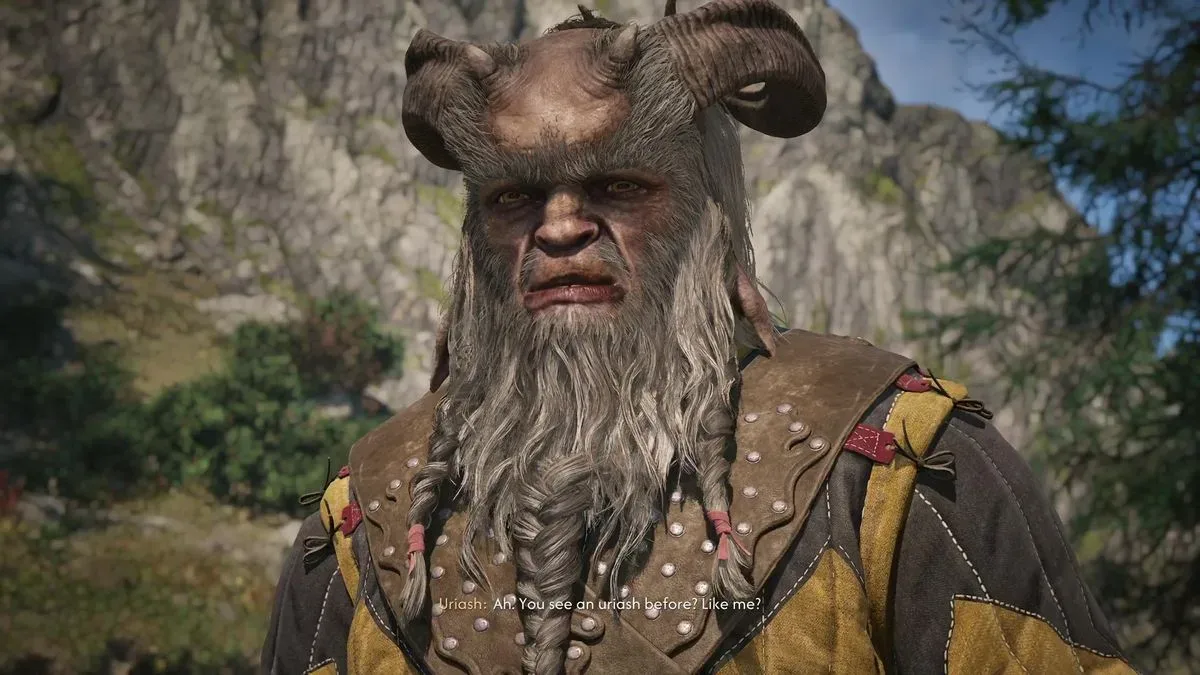
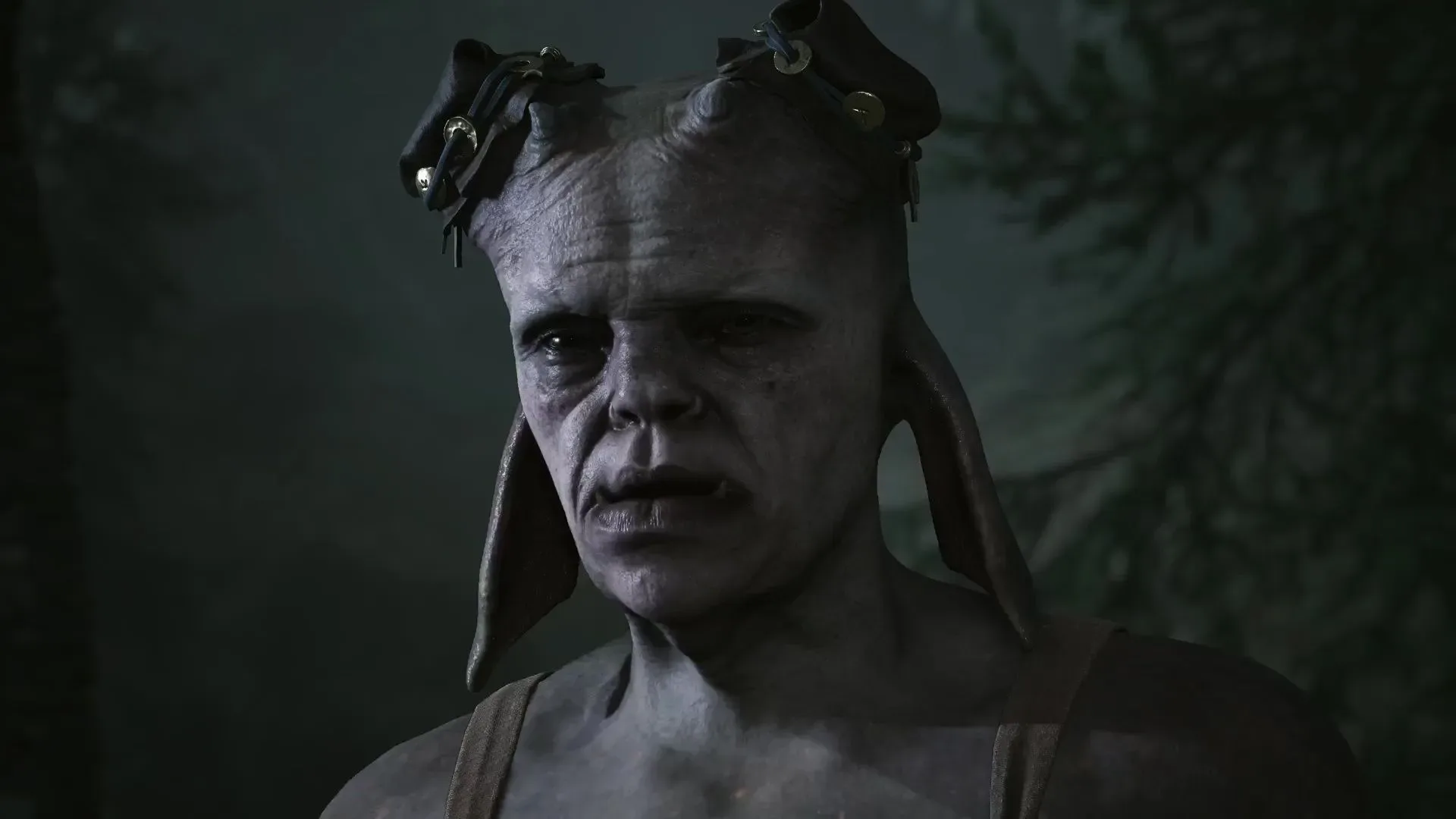
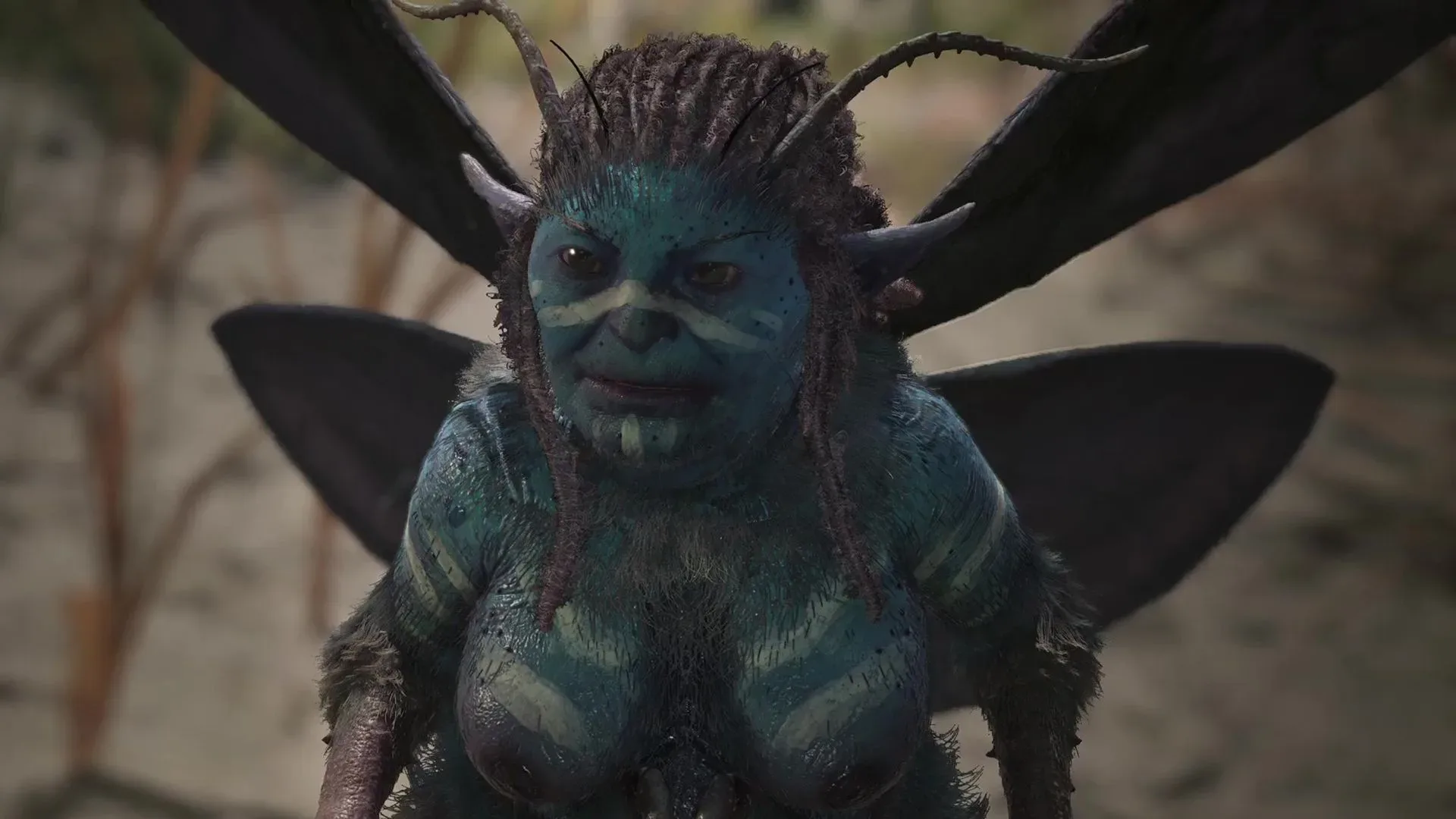
The fishing activity with the protagonist’s siblings is one of the best optional uses of the opening day because its value is mostly narrative. It introduces the Uriashi, an important part of the game’s mythology that players otherwise will not properly encounter until later.
That makes the trip easy to undervalue if every early quest is being judged strictly by coins, crafting materials, or equipment. But lore is doing real work here. When a fantasy game puts a term in front of the player before the plot needs it, the later payoff usually lands with more weight. The fishing scene supplies that earlier connection rather than leaving the Uriashi as a name the player is expected to rapidly absorb during a more urgent moment.
It also offers a useful breather amid combat instruction, insults, investigations, and wayward livestock. Not every tutorial needs to arrive with an enemy health bar attached. The sequence helps give the village a sense of family and routine before the narrative pushes onward. For players who enjoy the social side of an RPG opening, this should be near the top of the optional list.
Do not ignore Vasil when the argument starts
Vasil’s quest does not present itself as a neat job-board assignment. A local troublemaker insults the protagonist, triggering the chance to chase him down. Since it arrives as an interruption rather than a formal request, it can feel like the sort of event a player might dismiss in order to keep moving.
It is worth pursuing. Depending on the choices made during this encounter, the quest can teach unarmed-combat mechanics. That makes it particularly valuable for anyone who wants a more complete introduction to the game’s fighting options rather than relying entirely on the initial sparring lesson.
The distinction matters. The lesson with the protagonist’s father establishes combat broadly; Vasil’s sequence can add unarmed fighting to the early toolkit, contingent on the player’s decisions. It is not merely a chance to settle a village insult with the most historically reliable tool in human civilization: running after the person who just said something rude.
There is a nice structural reason to include this event in a first-day route, too. It turns Laslea from a collection of passive quest markers into a place where trouble can come looking for the player. That is useful grounding for an opening designed to teach both mechanics and atmosphere.
Help Iorgu recover the lost pig for modest but usable rewards
Iorgu’s missing-pig task is the most openly practical of the optional errands. Completing it provides a small amount of money along with meat that can be used later. Neither reward is positioned as a game-changing haul, and players should not expect a pig-rescue operation to rewrite the entire economic balance of Laslea.
Still, early resources are early resources. The quest is a sensible inclusion because it finishes within the available opening-day schedule while giving the player something tangible for their trouble. The value here is modest utility, not a secret path to riches. If the opening needs a bit of ordinary village business to counterbalance its heavier plot setup, locating a misplaced pig is admirably committed to the assignment.
The task also reinforces what this first-day period is trying to accomplish. Laslea is not just a staging area for systems tutorials; it is a village with residents and small problems. Helping Iorgu makes the setting feel less like an obstacle course built by a very organized game designer and more like a lived-in community.
Find Gremla’s banner to learn Focus and investigation
Gremla’s lost-banner quest is perhaps the clearest mechanical recommendation among the optional chores. It introduces Focus and the game’s investigation mechanics. For players who want the opening to provide a complete tutorial foundation, this is the errand not to skip.
Investigation systems can be easy to misunderstand when they first appear in a larger quest, especially if the story is simultaneously demanding attention. Learning how Focus functions in a contained search for a missing banner gives the player a lower-pressure chance to understand what the system is for and how it guides exploration.
The direct reward for helping Gremla is not especially significant in the long term. That is true of Iorgu’s reward as well. Yet the banner quest earns its place because knowledge of an investigative tool can be more useful than a small pile of early supplies. A player who understands Focus is better prepared for later objectives that expect observation rather than simply combat or conversation.
For anyone trying to preserve the surprise of the search itself, the best approach is to follow the available environmental clues and treat the quest as the intended introduction to investigation. The point is not to turn a banner into an archaeological catastrophe; it is to learn the process the game will ask players to use again.
A simple first-day checklist
There is no required order beyond handling Anca’s compulsory opening thread, but this checklist covers the content that fits the day before Sundown Mass:
- Collect herbs for Anca to begin medicine preparation and the combat sparring tutorial with the protagonist’s father.
- Go fishing with the siblings for earlier context about the Uriashi.
- Chase Vasil when his insult triggers the encounter, with the possibility of learning unarmed-combat mechanics through the choices made.
- Find Iorgu’s pig for a small amount of money and meat.
- Help Gremla locate the banner to learn Focus and investigation mechanics.
Complete those five and the day should be filled efficiently without committing to a task that cannot be finished before the deadline. The exact sequence can change to suit where the player is in the village or which event is currently in front of them.
What matters most before Mass
It is worth keeping expectations sensible. The opening-day choices do not appear to carry enormous lasting consequences, and the rewards attached to Iorgu’s and Gremla’s errands are not described as especially important over the long run. Missing one is not presented as a reason to abandon a save, begin wearing a ceremonial regret hat, and restart the entire adventure.
The strongest reason to complete the set is coverage. Anca supplies the necessary story start and basic combat instruction. Vasil can cover unarmed fighting. Gremla introduces Focus and investigation. The fishing trip supplies mythology and character context. Iorgu’s pig offers a small material benefit while rounding out the village’s everyday concerns.
That is a useful blueprint for approaching tutorial-heavy openings in general: prioritize the activities that teach distinct systems, then take the short lore and reward quests that fit around them. In a different gaming mood, you may prefer the social chaos described in The Unwritten Rules of Couch Multiplayer, Now Written Down, where scheduling is rarely the biggest problem and someone sitting on the controller is. Laslea, by comparison, asks for a more measured kind of chaos management.
Once Sundown Mass arrives, the game moves the player beyond this tightly contained introduction. Taking a few minutes to handle the village’s major requests means arriving at that transition with the basic combat, unarmed-combat, medicine, Focus, and investigation lessons in place, plus a better grasp of the Uriashi and the people around the protagonist. For a first day framed by pressure and limited time, that is a remarkably productive amount of fishing, searching, sparring, chasing, brewing, and pig administration.