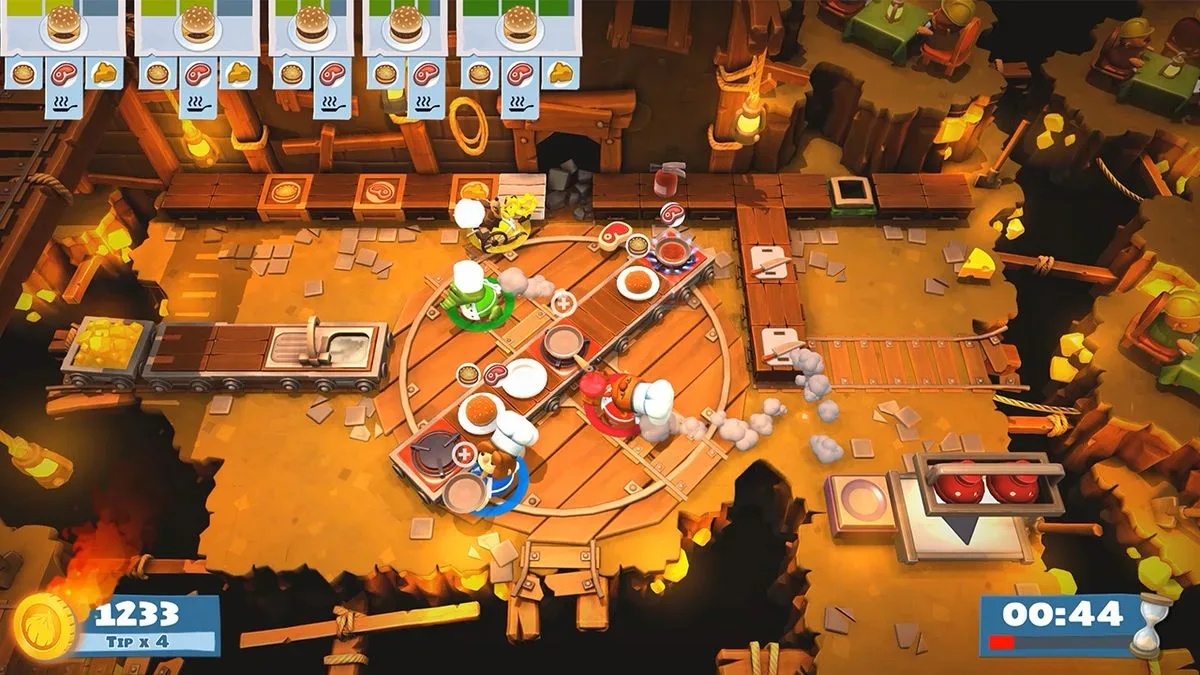
Ghost Town Games built its reputation on the kind of cooperation that can turn a perfectly pleasant evening into an emergency meeting about chopped onions. Overcooked, first released in 2016, asks players to make meals under severe time pressure, amid kitchens designed to make simple tasks comically difficult. It is a celebrated formula, but its particular brand of teamwork can be brutal: a missed callout, a blocked route or one misplaced plate becomes everyone’s problem immediately.
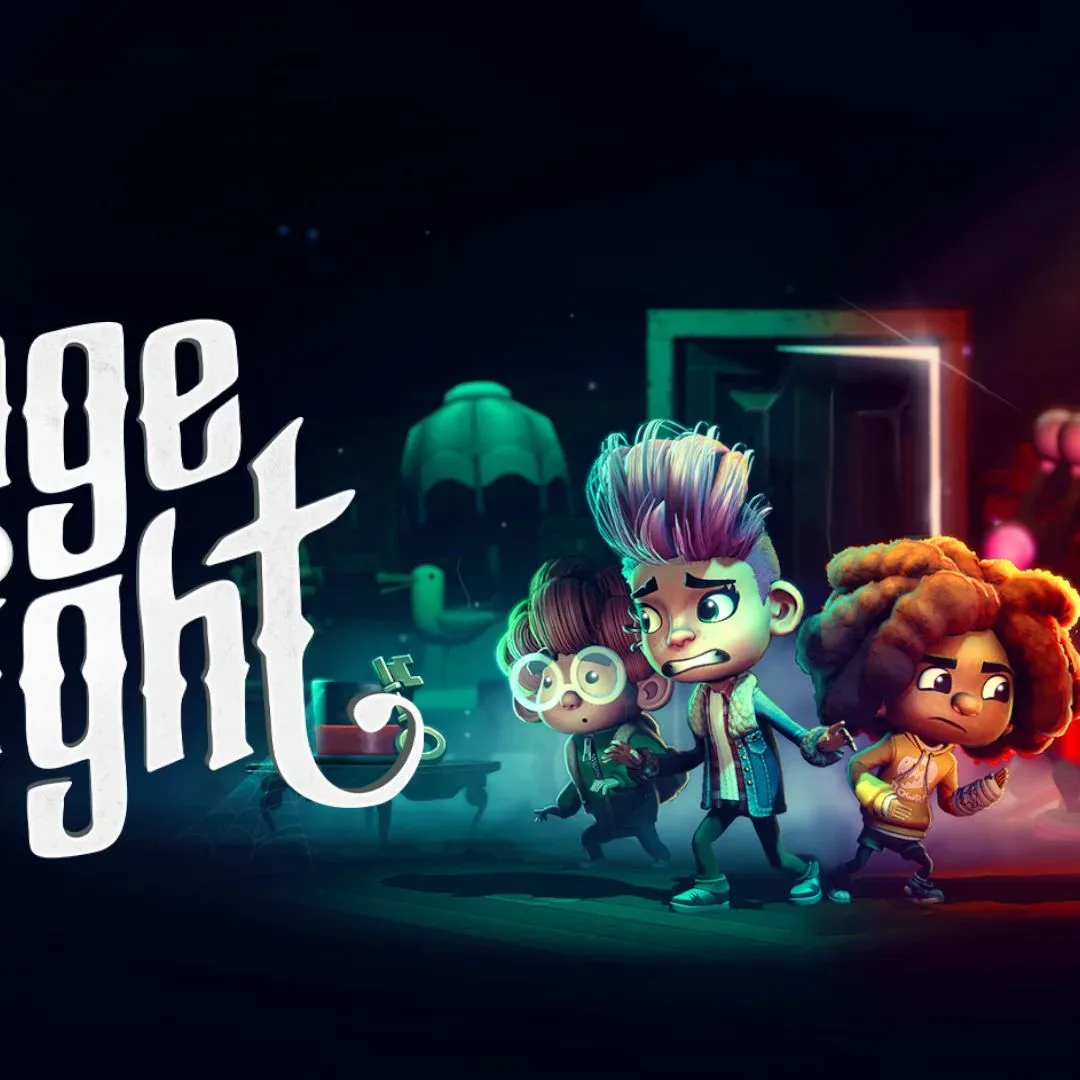
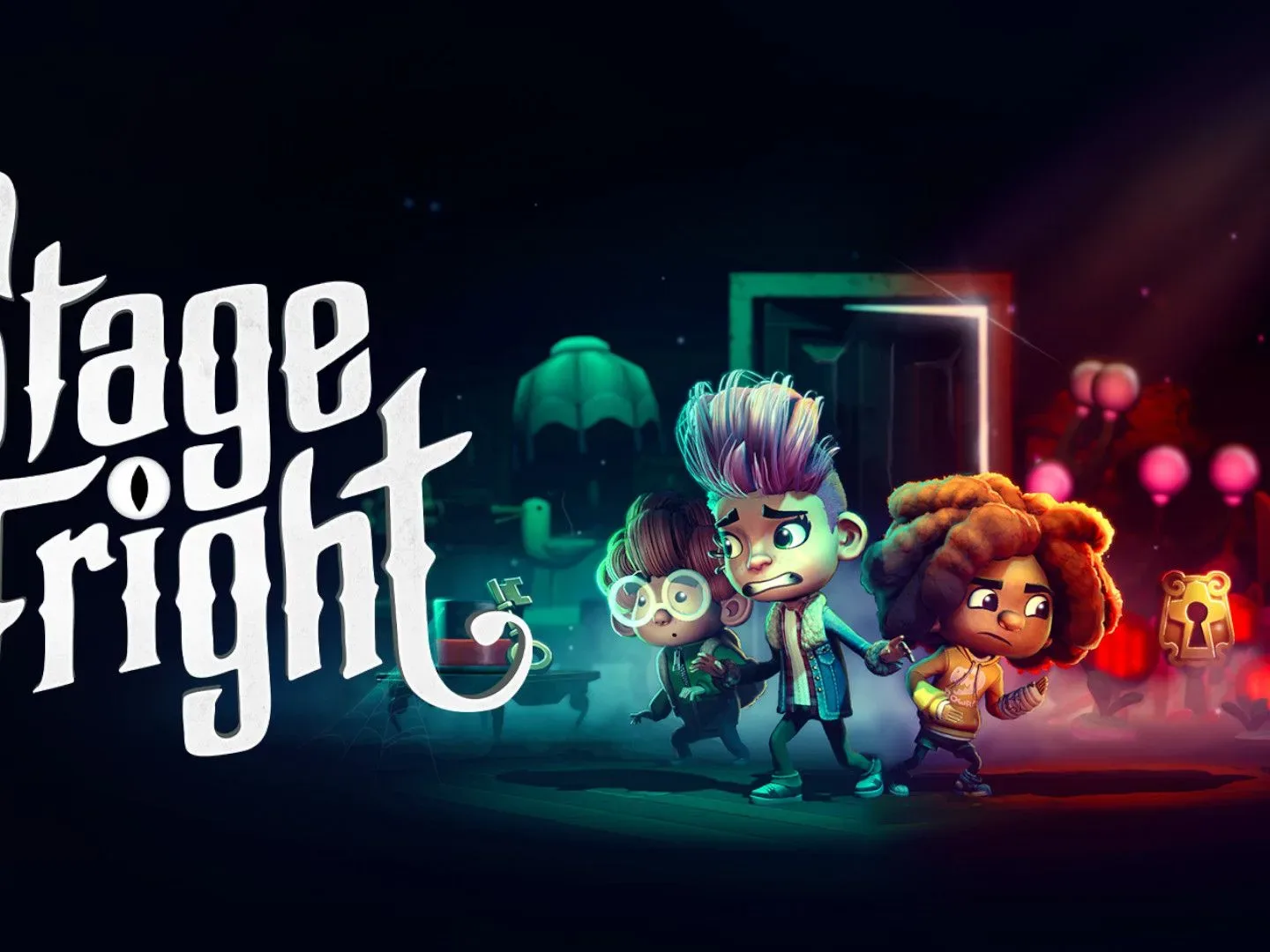
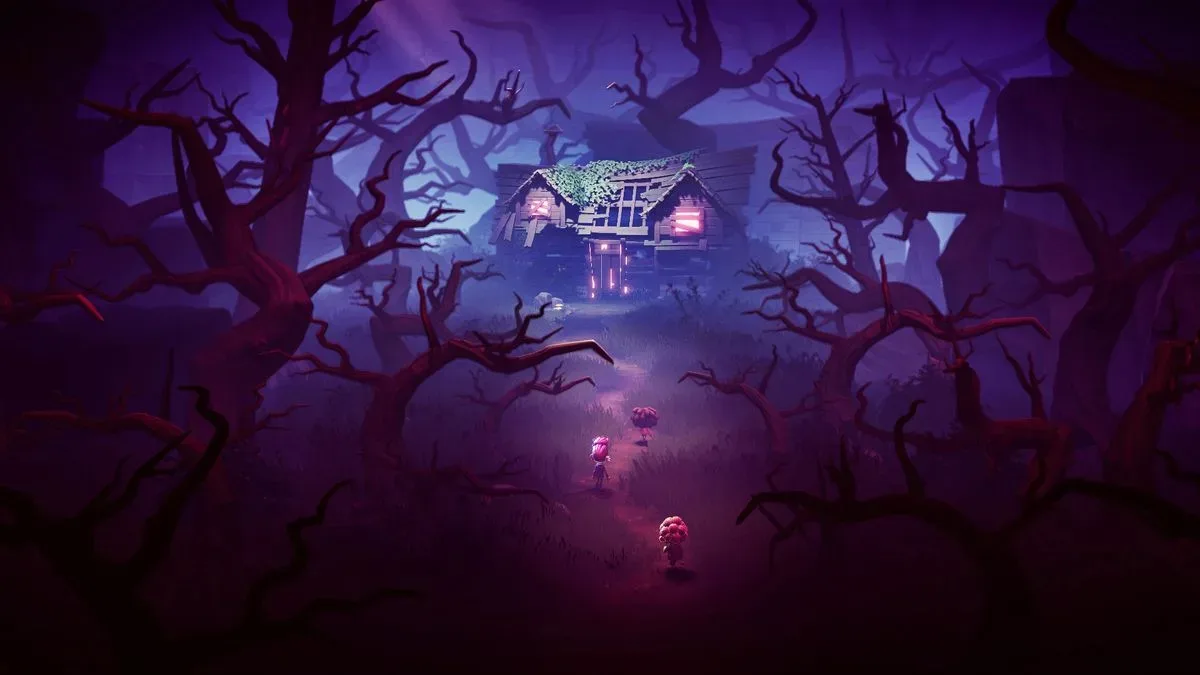
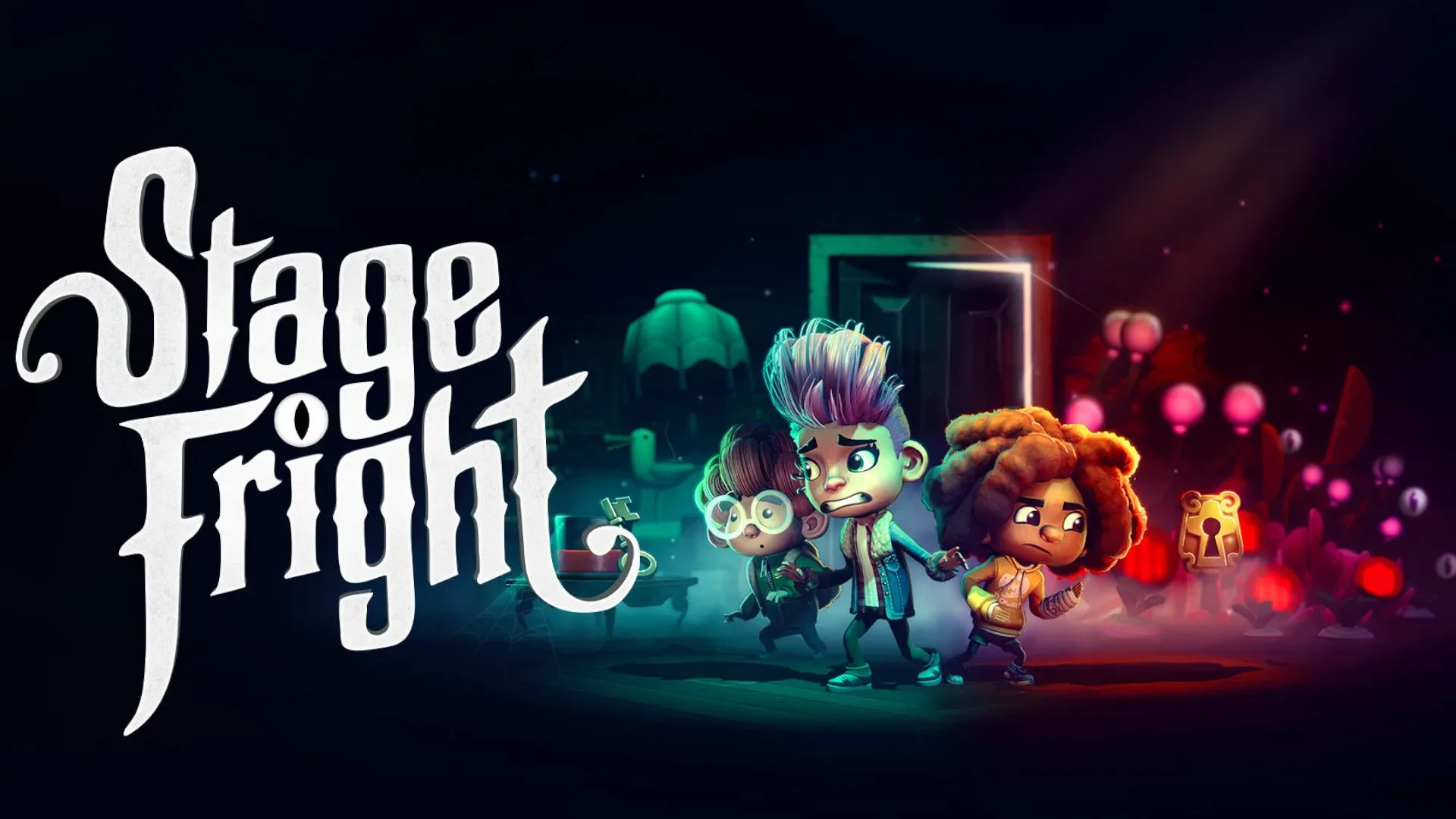
Stage Fright, the studio’s next project, is deliberately taking another route. Scheduled for release sometime in 2027, the game is a strictly two-player, narrative-driven adventure set around a spooky but cute seaside coming-of-age mystery. Rather than treating communication as a means of surviving a countdown clock, it aims to make communication the heart of both its puzzles and its story.
That does not mean Ghost Town Games is abandoning challenge, or even mischief between partners. It means the studio is reframing the kind of tension it wants to create. The kitchen may be closed, but the opportunity to blame your co-op partner for an unfortunate outcome appears very much open.
From culinary panic to a shared story
The central distinction is purpose. In Overcooked, each level’s energy comes from urgency. Players divide duties, move ingredients, cook food and deliver dishes before time expires. The obstacles are the point: a changing kitchen layout or badly coordinated task handoff can rapidly turn a well-run line into dinner service from another dimension.
Stage Fright has been designed as a more structured, linear experience. It follows three protagonists, with players progressing through a mystery and tackling puzzles described as escape-room-like. An escape-room-style puzzle is broadly one where players interpret clues, recognize relationships between objects or information, and jointly determine the next step. Here, the stated emphasis is not merely on locating the answer, but on sharing the information needed to reach it.
Phil Duncan, co-founder of Ghost Town Games, described the intention plainly: the team did not want to make a purely chaotic game. The desired scenario is a pair settling in for a relaxed evening of play and coming away closer, rather than needing a cooling-off period after the final score screen.
That goal also explains the move toward a coming-of-age story. The characters’ interactions and changing relationships are intended to connect with the real-world interaction between the two people holding controllers. The game’s fiction and its co-op design are therefore meant to reinforce each other: players discuss clues and decisions while characters encounter relationship-focused situations of their own.
It is a notable shift for a studio known for arcade-like, replayable levels rather than character-led storytelling. But it is not a rejection of the studio’s core interest. The shared thread is still communication and accessibility for a mixed range of players, including people who may not normally think of themselves as gamers.
Related coverage includes Stage Fright Aims to Turn Co-Op Chaos Into a Shared Mystery.
Three protagonists, two players, changing responsibilities
The game’s setup is unusual in one straightforward way: Stage Fright follows three central characters despite being a two-player game. Players will not select one character at the beginning and remain locked to that role. Instead, they will be moved between roles as the story unfolds.
That matters because fixed co-op roles can accidentally create a passenger problem. If one player gets the physically active or mechanically demanding tasks while the other mostly waits, reads instructions or follows along, participation stops feeling equal. The game may technically support cooperation, yet one person can still feel as though the other is playing it for them.
Ghost Town Games’ answer is role rotation. Duncan and fellow co-founder Oli De-Vine said the team wants everyone to have something meaningful to do during a sequence, while also allowing different players’ strengths to matter. One person may excel at word puzzles; another may be better at spatial reasoning, which involves understanding position, shape and how objects relate in a space; another may prefer skill-led action.
The aim is not to rank those strengths. It is to ensure that no single type of ability dominates the full experience. In practical terms, the design should give a confident puzzle-solver reasons to ask their partner for input, and give someone less comfortable with abstract clues a chance to lead elsewhere.
A described spotlight sequence illustrates the approach. One player controls a spotlight while the other must remain in its safe area as dangers surround them. Crucially, the operator role does not belong to the same person for the whole level. The responsibility shifts, so both players experience the need to steer carefully and the need to trust the person doing the steering.
That is a small mechanical detail with a large co-op implication. A rotating responsibility makes the action less likely to settle into a commander-and-assistant dynamic. It also creates a natural prompt for the kind of concise, useful communication that successful co-op games thrive on: where to move, when to wait and what each player can see.
Split-screen is the puzzle, not just the presentation
Stage Fright will use constant split-screen in both couch co-op and online play. Split-screen is often simply a way to show two player viewpoints on one display. Here, it is part of the puzzle architecture.
Players can be placed in separate locations, each receiving different information. Even when the pair occupy the same area, they may notice different details. One player may see something the other cannot; neither viewpoint alone contains a complete solution. The gap is intentional.
De-Vine’s description makes the design philosophy clear: players are expected to bring the other person into their reasoning. If they fail to communicate, progression should become difficult; conversely, a player should not be able to quietly solve every problem while their partner watches. The game creates what might be called information asymmetry: each player possesses incomplete but potentially vital knowledge. The solution comes from exchanging it.
This is a useful distinction between cooperative play and merely simultaneous play. Two people can share a screen while independently doing their own tasks. Genuine cooperation requires interdependence—situations where one player’s observation, action or understanding makes the other player’s progress possible. Stage Fright appears to be building that interdependence directly into its viewpoints.
It also gives online co-op a clear rationale for retaining split-screen rather than treating it as a local-only convenience. The divided views are not just there to prevent players from seeing one another’s camera. They are how the game withholds and distributes clues. That may make the experience particularly well suited to pairs who enjoy talking through problems rather than racing through a shared checklist.
There is a broader appeal in games designed around a tighter shared journey rather than sheer scale. The case for focused experiences has also surfaced in industry discussion around player attention and completion; the appeal of shorter, focused games versus giant epics is an increasingly familiar conversation. Stage Fright has not had its length detailed, so it should not be placed in either camp on that basis. Still, its stated linear, story-led structure signals a project more concerned with a specific cooperative arc than an endless series of score-chasing kitchens.
Less punishment does not mean no pressure
For some fans, any move away from timers may raise a reasonable question: if players can stop and think, where does the pressure come from? Ghost Town Games’ answer is that Stage Fright will still have adrenaline, but it will be balanced with opportunities to cool down.
In the spotlight example, the players can effectively disengage from the immediate threat. The spotlight operator can stop moving, while the other player remains safely within its center. There is no stated ticking clock forcing an error simply because the pair need a moment to discuss a plan.
This is an important accessibility choice. Accessibility in this context does not mean removing every demanding element. It means reducing barriers that prevent people from participating or enjoying the experience. A design that permits a pause for conversation can help players who process information at different speeds, inexperienced players learning alongside veterans, and anyone who simply prefers a thoughtful approach over reflex-led frenzy.
“We’re not making a game that’s going to punish players a lot, but we’re making a game that should be difficult if you aren’t communicating well.”
The distinction is between punitive failure and communicative challenge. Punitive design typically imposes a sharp setback for a mistake, often sending players backward or demanding repeated execution. Communication-led difficulty instead asks whether the pair can describe what they see, listen accurately and coordinate a response. Failure may still happen, but the intended lesson is not necessarily “be faster”; it can be “be clearer.”
There will apparently be playful ways for players to get each other killed, though specific examples have not been disclosed. That tease suggests Ghost Town Games has not forgotten that a little controlled co-op sabotage can be funny. The key qualifier is playfulness. The studio’s stated objective is to avoid heavy punishment while preserving moments of danger and excitement.
A different flavor of Ghost Town co-op
It would be easy to describe Stage Fright as the anti-Overcooked, but that oversimplifies it. Both games are built around the social reality that the most memorable part of co-op is often not the objective itself. It is the conversation: the rushed instructions, the misunderstandings, the rescue attempts and the rare moment when two people suddenly understand exactly what the other means.
Overcooked turns that conversation into a high-speed kitchen argument. Stage Fright seems poised to turn it into mutual investigation. One rewards frantic task division under pressure; the other is being built around observation, perspective and a narrative mystery. The emotional temperature may be lower, but the dependence on a partner’s attention is arguably more deliberate.
There are still major unknowns. No specific platforms, release date, full puzzle list or detailed story outline have been provided. The promise of balanced roles will ultimately depend on the final game’s execution across its entire campaign, not just the spotlight example and the design intentions shared so far.
Yet the direction is unusually clear. Ghost Town Games wants its next co-op experience to preserve the social spark of its most famous game without demanding that every pair survive an onion-fueled crisis. If the rotating roles, split-screen clue sharing and gentler approach to failure work together as intended, Stage Fright could offer a cooperative night in where the memorable line is not “Why did you throw the fire extinguisher at me?” but “Wait—look at what I can see.”