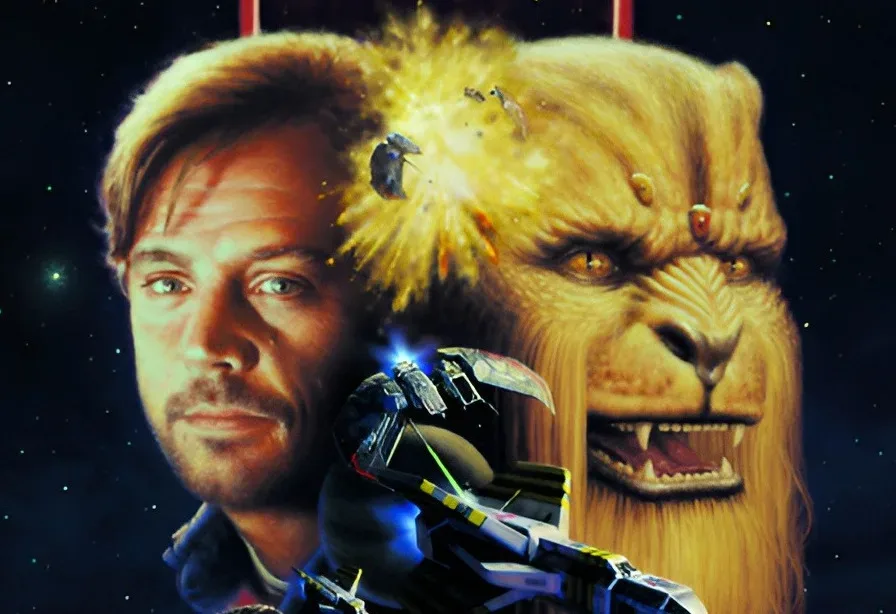
Wing Commander 3: Heart of the Tiger may be preparing for another sortie. At a Portland Retro Gaming Expo retrospective panel, EA producer Jim Vessella said a 30th-anniversary remaster is in the pipeline for the celebrated space-combat game. The plans described include restored live-action footage, 60-frames-per-second gameplay, post-release community enhancements, and a reference to “the Kilrathi Saga” that could point to the original trilogy being included.
It is an unusually substantial prospect for a series that has been largely dormant since the turn of the millennium. Wing Commander was once a major name in PC games, growing beyond its core releases into expansions, a Super Nintendo port, novels, an animated series and a feature film. Yet the franchise has had little visible movement for a long time. A modern version of its best-known entry, especially one that tackles the original video materials, would be a notable preservation project as much as a rerelease.
More than 600 tapes could be central to the remaster
The most consequential detail is Vessella’s reported discovery of more than 600 source tapes in EA’s archive. Those materials are said to be undergoing restoration for the project.
That matters because Heart of the Tiger was built around FMV, or full-motion video: filmed live-action scenes placed between and around gameplay. The game’s original releases relied on the video technology of their period, where storage limits and playback constraints commonly required heavy compression. Compression reduces a file’s size, but it can also introduce visible artifacts, blur fine detail, soften color transitions and reduce the clarity of fast movement.
A remaster working from source tapes would not merely be scaling up old, compressed game footage. It could potentially reconstruct the presentation from materials closer to the original filmed content. The announcement specifically mentions addressing video compression, but the eventual degree of restoration, the final image quality, and which footage will be used have not been detailed.
For a game whose drama lives in its performances, that distinction is important. Wing Commander 3 brought together Mark Hamill, Malcolm McDowell, Tim Curry, John Rhys-Davies and Ginger Lynn Allen for its live-action sequences. The cast is one reason the game still occupies a distinctive place in discussions of 1990s interactive storytelling: its cinematic ambition was not incidental packaging around the missions, but a central part of the experience.
The reported archival find covers more than 600 source tapes, with restoration work underway.
What 60FPS actually changes
The proposed 60FPS target concerns how often the game presents a new frame each second. At 60 frames per second, movement can appear smoother than at lower frame rates, particularly in a game centered on rapid spacecraft maneuvers, targeting and combat tracking. It does not automatically mean every visual element will be remade, nor does it reveal which hardware the remaster will target. It does, however, suggest an effort to make the playable side feel more responsive on modern displays.
Related coverage includes Wing Commander 3 Remaster Announced With Restored FMV and 60FPS Plans.
That proposal sits alongside the promise of post-release community enhancements. The precise changes were not identified, so it is too early to assume any particular quality-of-life feature, control revision or mission adjustment. Still, the phrase indicates that the project may look beyond a straight audiovisual update and toward work previously developed or advocated by the game’s player community.
Remasters often face a balancing act here. Players want the original character, mission structure and presentation preserved, but they also expect a re-release to work cleanly with contemporary systems and screen behavior. In this case, the reported combination of restored FMV, a higher frame-rate target and community-informed additions signals that the goal may be to retain the old campaign’s identity while removing some friction associated with older PC releases.
Why Heart of the Tiger is the obvious candidate
Wing Commander 3: Heart of the Tiger puts players in the cockpit of Christopher Blair during a war between humanity and the Kilrathi Empire. Blair is assigned to the aging TCS Victory, where a campaign against the Kilrathi takes on added personal stakes after intelligence suggests Angel has been captured. News of environmental instability on the Kilrathi homeworld also shapes the wider conflict.
The game is widely regarded by fans as a high point for the series because it brought its space-flight design and interactive drama together at an especially ambitious scale. Flight missions place the player in the role of a combat pilot, while the filmed sequences carry the characters, military tension and branching-feeling stakes between battles. It was a model of big-budget PC storytelling at a time when games were experimenting with how much cinema they could absorb without surrendering player control.
That heritage makes source-footage restoration more than a cosmetic footnote. The FMV has always been a major portion of the game’s identity. Better-preserved scenes could change how today’s audience encounters the performances and production design, while smoother gameplay could make the flight-combat portion easier to appreciate on its own terms.
The Kilrathi Saga wording leaves a major question
Vessella’s apparent mention of “the Kilrathi Saga” is potentially the broadest part of the news, but it remains the least defined. The wording suggests all three games in the initial trilogy could be involved, rather than the release being limited to Wing Commander 3. It should be treated as an indication, not confirmation of a final package or feature list, until EA clarifies exactly what the label means.
If the trilogy is included, it would make the project significantly more useful to newcomers. Wing Commander 3 may be the focal point, but its story belongs to a larger conflict and a recurring cast. A bundled arc would also frame the third game as the culmination of an earlier sequence rather than presenting it as an isolated nostalgia artifact.
For returning players, a broader collection could offer a more coherent way to revisit the franchise’s evolution. For preservation-minded audiences, it would raise a more difficult question: whether each entry receives equivalent restoration and modernization, or whether Heart of the Tiger remains the principal remaster with its predecessors included in a different form. Nothing announced so far answers that.
An announcement that invites caution as well as excitement
There is understandable excitement around the prospect, but the announcement leaves important practical details unknown. No release date, platforms, price, developer team, footage sample, or complete list of included games was provided in the information available. Nor is it clear how community enhancements will be selected and implemented.
The venue is also notable. A reveal at a retro-focused event makes obvious sense for a series with a devoted legacy audience, even if it is less typical than a large publisher presentation. It places the news in front of the players most likely to care about the quality of an archival restoration rather than simply the existence of another catalog rerelease.
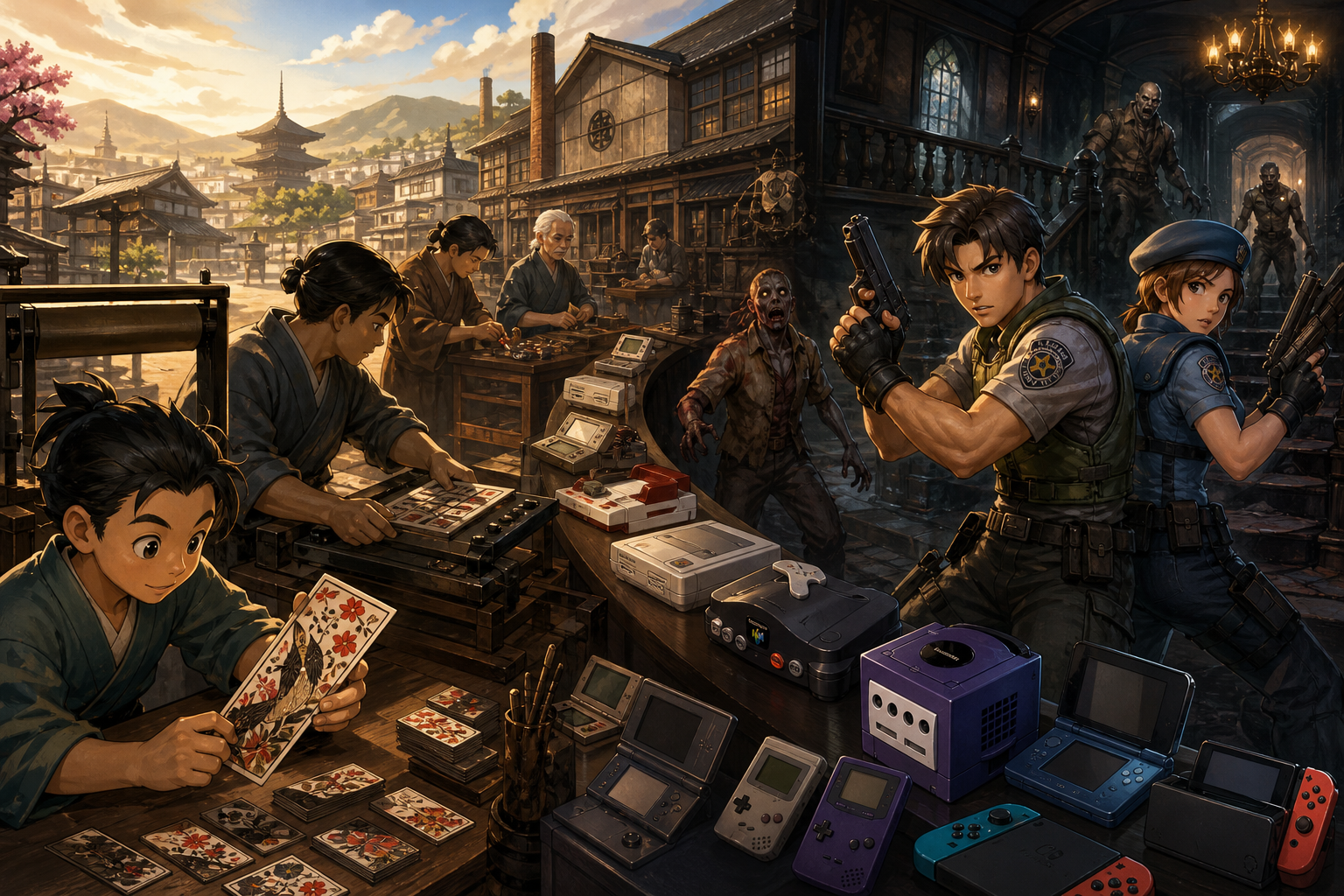
There is a broader value in that approach. Retro projects increasingly depend on original assets, technical knowledge and respect for the version people remember. The history of game hardware and software is full of work that can become difficult to revisit once formats, displays and operating environments move on; that challenge is part of the larger preservation story explored in this look at Nintendo’s rise from a Kyoto card maker to a hardware company. In Wing Commander 3’s case, locating production tapes could give the team an unusually valuable foundation.
Vessella was not directly involved in the original Wing Commander series, while creator Chris Roberts has spent more than a decade leading development of Star Citizen. That does not determine the remaster’s quality, but it underscores why the discovered archival materials and the stated attention to community work may be so important. A successful return will depend on how well the project understands both the technological constraints of the old release and the reasons players still hold it in such high regard.
For now, the report offers a promising outline rather than a finished flight plan: restored production footage, a smoother gameplay target, possible trilogy-scale scope, and an old PC landmark returning to view. The next meaningful signals will be concrete ones—official platform details, confirmation of what “Kilrathi Saga” includes, and a look at how the restored FMV actually appears.