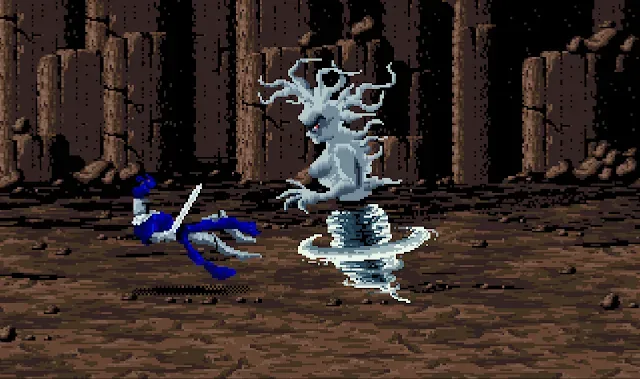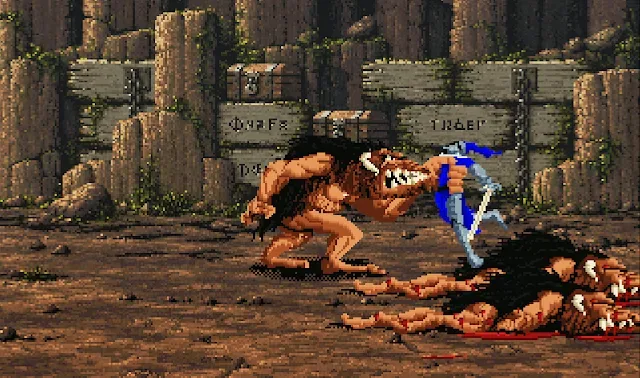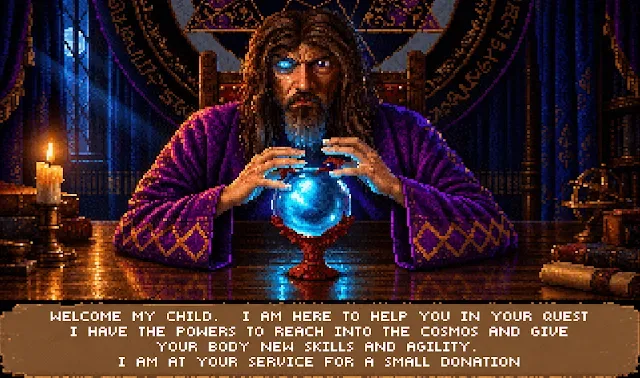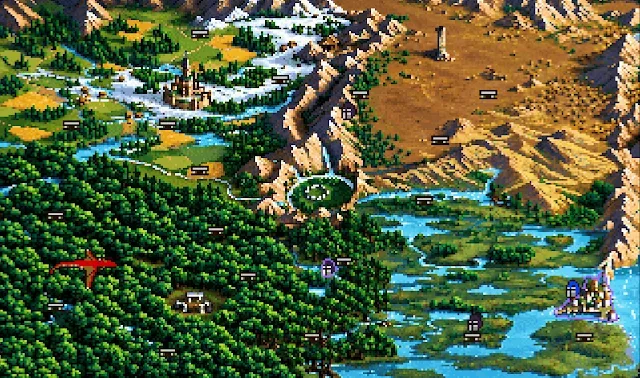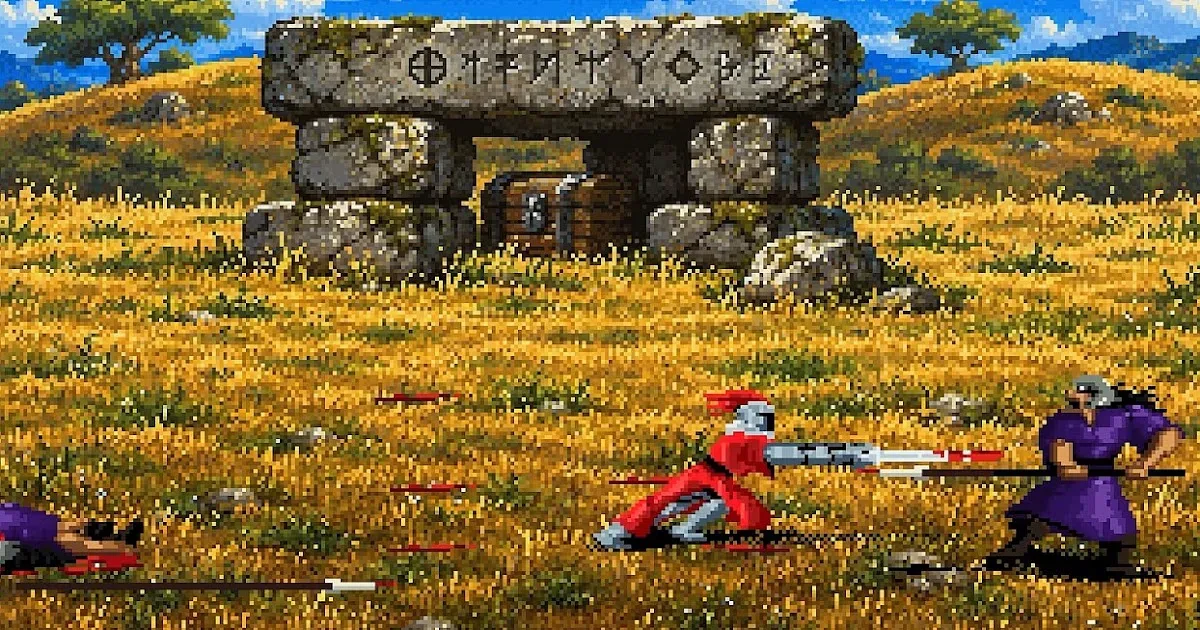
Moonstone Tavern has unveiled the Moonstone AGA Project, an effort to recreate and enhance the 1991 cult favourite Moonstone for Amiga Advanced Graphics Architecture, or AGA. The project’s pitch is not a clean break from the original: its stated objective is to revisit the game’s visuals and sound while retaining the tense mood, dark personality and famously graphic combat that defined it.
That balance is central to why this project is interesting. A remaster of a game with a strong cult identity can easily become a replacement rather than a restoration. Here, the team is presenting the AGA version as a new way to experience the game without abandoning its original visual language. The clearest expression of that approach is a planned real-time option to switch between the enhanced AGA presentation and the original OCS styling.
The project is also unusually direct about its production method. Artificial intelligence is being used to help make the visual overhaul achievable at the intended scale, but the team says every AI-assisted enhancement will be reviewed, refined and integrated by hand. That is an important distinction in a project whose value rests heavily on atmosphere and recognisable artwork rather than simply increasing detail.
What the Moonstone AGA Project is trying to preserve
The original Moonstone arrived in 1991 and earned its cult standing through a mixture of grim fantasy tone and violent slasher action. The new project identifies the elements it does not want to lose: suspense, a deliberately dark charm and the bloody combat at the heart of the experience.
That description matters because “enhanced” can mean many different things. It could mean sharper character art, reworked environments, expanded colour treatment, sound changes, altered animation, or a broader rethinking of how a game looks in motion. The project has confirmed that visuals and sound design are being re-imagined, but it has not set out a full feature-by-feature list of gameplay changes. For now, it is safest to view it as a recreation and presentation-focused overhaul rather than presume new modes, systems or content.
The work is being undertaken by a team described as veteran members of the game’s community with roots in both its fandom and the video-game industry. That combination gives the project a potentially useful perspective: familiarity with why the original connected with players, alongside the practical demands of making a substantial revision. Still, the eventual measure will be whether the enhanced version preserves the uncomfortable, rough-edged personality fans associate with Moonstone, not merely whether it looks more elaborate.
AGA and OCS: why the graphics toggle is more than a novelty
The project’s visual switch is one of its most concrete announced features. Players will be able to move in real time between the new AGA graphics and the original OCS styling. In practical terms, that makes the original visual approach part of the remaster itself rather than something relegated to old screenshots or a separate copy of the game.
AGA refers to Amiga Advanced Graphics Architecture, the target hardware standard for this version. OCS refers to the original styling the project plans to preserve as a selectable look. The stated goal is a visible leap across both maps and active gameplay, while allowing an immediate comparison to the presentation that came before it.
Related coverage includes Moonstone AGA Project Brings a Human-Reviewed AI Remaster to the Amiga Cult Classic.
For players, the toggle could serve two purposes. First, it gives longtime fans a direct reference point for seeing what has changed in an environment or encounter. Second, it gives the art team a higher bar than a static before-and-after image. The enhanced style has to hold up while sitting one button press away from the original, so silhouettes, mood and readability become particularly important.
It is also a sensible answer to a familiar preservation concern. Some players prefer the limitations and texture of older graphics, while others want a version that makes fuller use of the target platform’s enhanced presentation. A live switch does not force either group to treat its preference as the sole “correct” version. It instead acknowledges that the contrast itself has value.
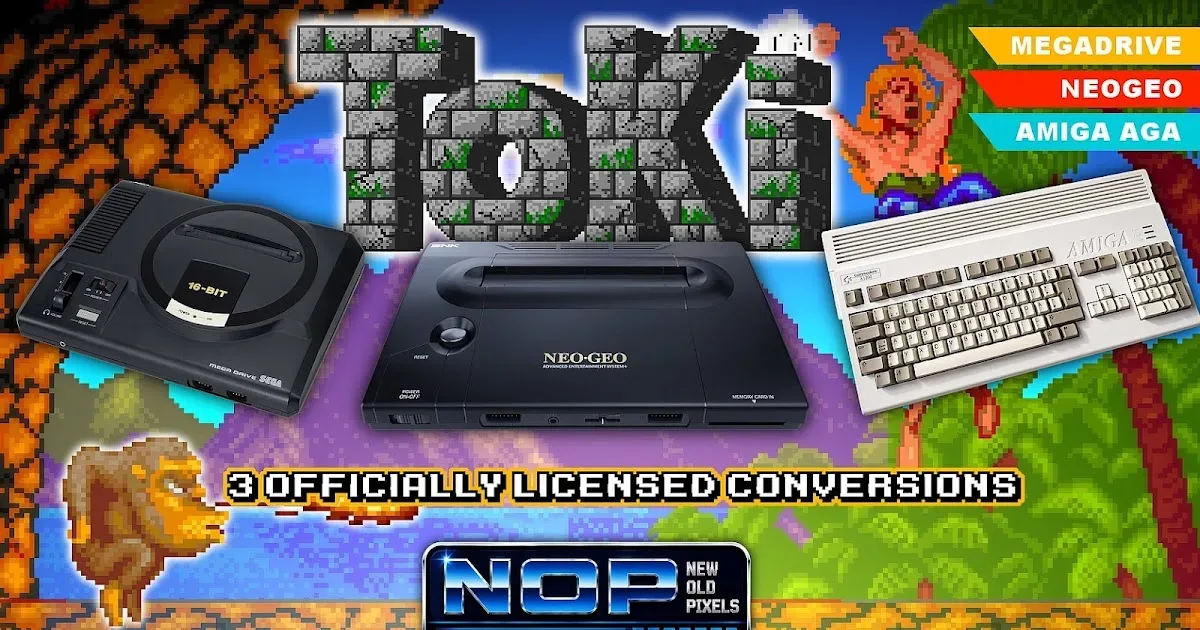
This is not the only current Amiga AGA-focused revival project on the site: Toki is also set for a new licensed AGA conversion. Together, these projects point to continued interest in making work specifically for classic hardware configurations rather than treating them only as historical platforms.
The human-reviewed AI workflow, explained
AI assistance is likely to be the most debated part of the Moonstone AGA Project. The team’s position is that the scope of the visual overhaul would have been unaffordable and logistically impractical without it. At the same time, it says the technology is not being allowed to make final aesthetic decisions on its own.
Its workflow is described as hybrid: AI-assisted visual material is then meticulously checked, adjusted and placed into the game by people. “Reviewed” means a human examines the output; “refined” means it is altered where necessary; and “integrated” means it is deliberately prepared for use in the finished project. Those stages are significant because an image that looks plausible in isolation may still fail as game art. It needs to fit its surrounding assets, maintain a consistent tone and work clearly during play.
That human oversight is especially relevant to an older game being reworked for a particular visual identity. A project can add detail and still lose the qualities that made its art memorable if proportions, expressions, textures or scene composition drift too far from the intended tone. The team is explicitly framing manual review as its safeguard for artistic integrity.
There is no need to pretend that the disclosure ends every question. Players who care about the process will reasonably want to see how the approach looks in released footage and screenshots, and whether the new assets feel cohesive from scene to scene. The value of the team documenting development openly is that it gives interested fans material to judge rather than asking them to accept a vague claim of improvement.
A development hub promises an unusually open view
Moonstone Tavern has opened a dedicated area for following production of the AGA Project. The hub is intended to host regular developer blogs, gameplay videos, exclusive screenshots and progress reports. Its first development blog is already live and focuses on the project’s human-and-AI pipeline.
For a community-led restoration, that kind of ongoing record has practical value. Screenshots can reveal the direction of the visual work; gameplay video can show whether the new presentation remains readable in motion; and developer posts can clarify what the team is changing, what it is preserving and why. It also creates room for the project to show its work on the point most likely to prompt scrutiny: how AI-assisted material becomes a hand-finished component of a coherent game.
Fans should nevertheless separate confirmed plans from finished deliverables. The project has announced enhanced AGA graphics, revised sound work, the real-time OCS/AGA visual switch and its human-review process. Regular blogs, video, screenshots and updates are planned through the development period. Beyond those commitments, the project has not publicly detailed every part of the final package in the information available here.
What is known about release timing
The Moonstone Tavern information identifies a release window during 2026. No more precise launch date is provided in the available details, so prospective players should regard that as a broad target rather than a fixed appointment.
That uncertainty is normal for a project making a comprehensive audiovisual pass while maintaining a comparison mode and documenting its development along the way. The important near-term checkpoints are likely to be the promised progress posts, gameplay clips and screenshots. They should provide the best indication of how far the AGA presentation has come and how faithfully it sits beside the OCS original.
For now, the Moonstone AGA Project stands out because it is attempting a difficult combination: a large visual and audio modernization, a deliberately preserved old-school presentation, and an explicit human-curated approach to AI assistance. If it delivers on those promises, players will be able to judge the remake not just as a sharper version of a 1991 cult game, but as an unusually transparent argument for how that kind of revival can be made.