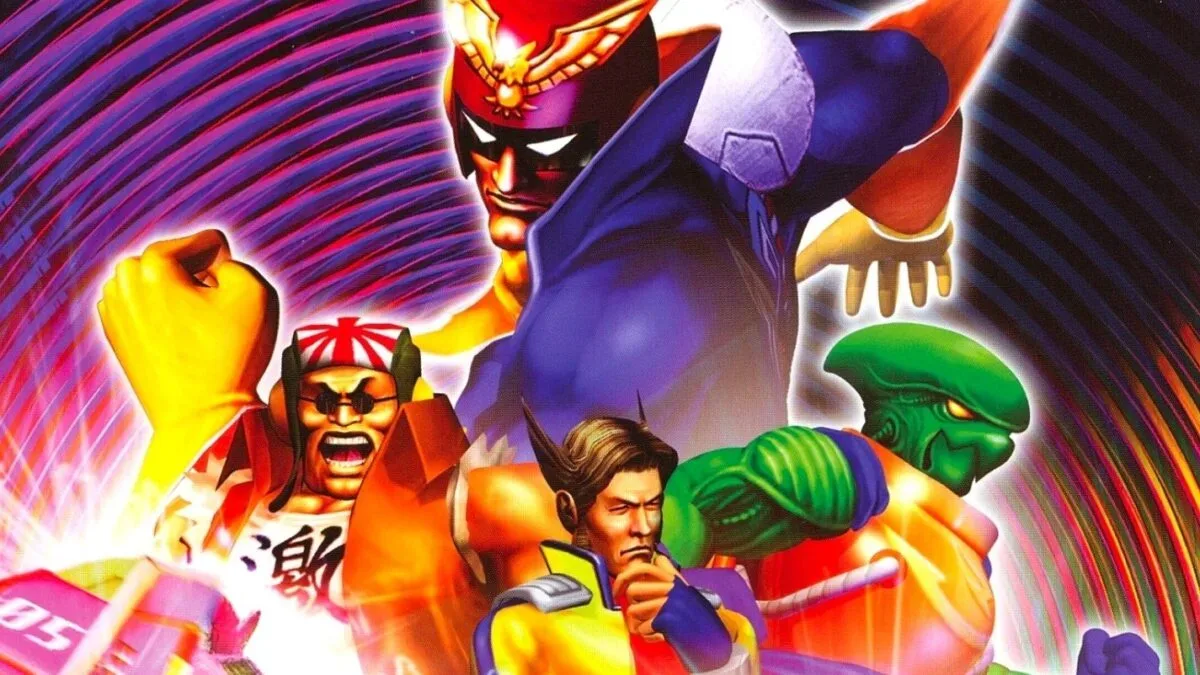
A long-running F-Zero GX mystery has apparently reached the finish line. A player known as BTEST4HE has documented eight cheat codes hidden in the 2003 GameCube racer, including codes that make the game’s elusive, event-only Gold Parts available through its in-game shop.
That matters because the fan-named Gold Parts were not ordinary rewards that could simply be earned by finishing cups, winning races, or grinding out a difficult challenge. They were originally tied to limited in-person promotional events in Japan. For players outside those events—and for everyone who came to the game years later—the parts had effectively become inaccessible without homebrew-based workarounds.
The newly found codes change that situation substantially. Rather than recreating an old event or relying on an altered copy of the game, the report is that the necessary inputs already existed in F-Zero GX. Once a relevant code has been entered, its associated parts can be bought from the game’s shop. That distinction is important: the codes appear to open access to content rather than hand over a completed custom machine for free.
What was locked away in F-Zero GX?
In F-Zero GX, machine building is more than cosmetic tinkering. Players can combine different parts to create custom racers, meaning newly available parts belong to the game’s broader performance-and-personalization system. The Gold Parts have carried special fascination not just because they are rare, but because their original distribution method made them a missing piece of the game’s playable history.
“Event-only” is a particularly brutal label for preservation. A cartridge or disc can survive for decades, but a location-specific promotion is a moment in time. Once the event is over, access is gone unless its unlock conditions are retained elsewhere. In this case, the unlock route was reportedly present all along, just undiscovered or undocumented by the wider community for more than two decades.
That gives this discovery a different flavor from a newly created patch, mod, or save file. Those can be valuable tools, especially for older games with discontinued services, but an in-game input route is closer to recovering an intended path that had been sealed behind a forgotten door. The game still handles the unlocked parts through its own shop structure.
Eight codes, and a major hardware-shaped catch
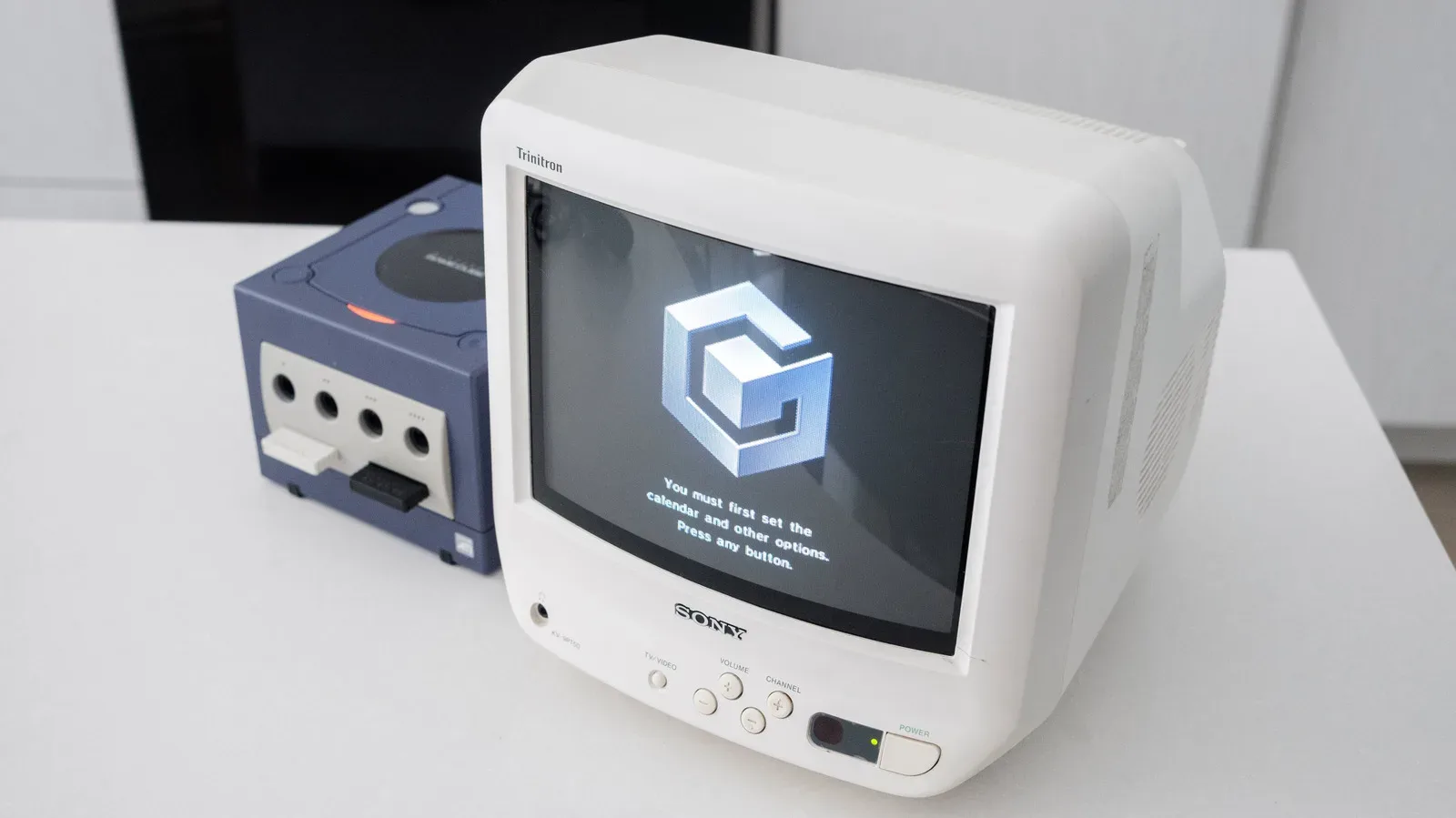
BTEST4HE’s findings describe eight separate codes, each tied to particular sets of unlockable parts. The reported compatibility is unusually broad: the inputs work regardless of whether the English or Japanese edition is being used, and they are said to function on the original GameCube release, when running the game on Wii, and in the Nintendo Classics version on Nintendo Switch 2.
However, “works on your version” does not automatically mean “easy to enter.” Five of the eight codes require simultaneous input from four controllers. Crucially, that group includes the codes for the Gold Parts.
Related coverage includes F-Zero GX Gold Parts Cheat Codes Discovered 23 Years After GameCube Release.
In practical terms, a player aiming for every newly accessible part needs four compatible controllers connected and ready at the same time, plus enough coordination to enter the required sequence correctly. That may mean recruiting three people, arranging controllers within reach, or finding another safe way to operate four inputs at once. The discovery removes the historical event barrier, but it replaces it with a very physical multiplayer hurdle.
It is also worth separating a four-controller requirement from a four-player race. The reported condition is about entering a cheat code, not about completing a multiplayer mode or proving racing skill. Once the relevant code has been accepted, the parts are available to purchase in-game. Players should therefore expect a setup challenge rather than a competitive unlock challenge.
Why controller requirements can complicate preservation
Older console secrets are often discussed as though the only question is whether the correct button sequence has been found. This case is a reminder that the number of controllers can be just as significant. A code designed around four ports was practical for GameCube hardware, but it becomes more awkward as players move between original systems, Wii hardware, and modern re-releases.
The compatibility claim is encouraging because it means language selection is not a dividing line between players. But anyone preparing to attempt the Gold Parts unlock should verify their controller setup before assuming the code is impossible. The obstacle may be the hardware arrangement, not the game edition.
It also creates a fittingly absurd image for one of racing’s most intense games: an unlock ceremony in which the real boss battle is not a high-speed rival, but finding enough hands. F-Zero GX has always had a reputation for demanding precision on the track; now one of its most historic secrets reportedly asks for precision off it, too.
Why this is bigger than a cheat-code curiosity
Cheat codes can sound trivial in an era of downloadable updates and server-side unlocks. But for a 2003 game with geographically restricted, time-limited event content, the stakes are different. The Gold Parts were part of the original game ecosystem, yet ordinary owners could not realistically access them after the events ended. Recovering a built-in way to enable them narrows the gap between the version of the game people can still buy, borrow, or preserve and the version of the game that was once available to a small group of event attendees.
There is a useful technical distinction here. Homebrew generally refers to unofficial software, tools, or modifications used on a game system. Homebrew methods may be necessary or helpful for many preservation tasks, but they can require extra knowledge and equipment. A hidden code recognized by the retail game is a simpler route in principle: it uses behavior already contained in the software. In this case, the practical complication is not modifying the game, but satisfying its controller-input demands.
The find is also a small victory for the kind of patient research that retro games still invite. Decades-old software can contain unpublicized systems, regional oddities, leftovers from promotions, and obscure access conditions that outlive the circumstances they were made for. Discoveries like this do not alter what the game was in 2003. They do alter what present-day players can meaningfully experience from it.
That broader recovery work continues across retro gaming, whether the subject is an old machine’s code, its technical quirks, or a newly maintained project. For another recent preservation-minded retro update, see this look at an Amiga platformer getting a modern release.
What players should take from the discovery
The immediate news is straightforward: the Gold Parts are no longer understood as content permanently stranded at two-decade-old Japanese events. Eight hidden codes are reported to unlock sets of parts, and the method is said to work across English and Japanese game versions as well as the listed platforms.
The practical reality is less straightforward. The Gold Parts codes belong to the group requiring four controllers simultaneously, so access still depends on having the necessary setup. Players should not confuse this with a claim that every secret is now unlocked by a simple single-controller sequence. The most celebrated reward remains the most demanding one to activate.
Even so, the change is meaningful. An inaccessible promotion has become a documented challenge with a path forward. For a game released in 2003, that is an unusually late—and unusually satisfying—piece of the puzzle to put back on the track.