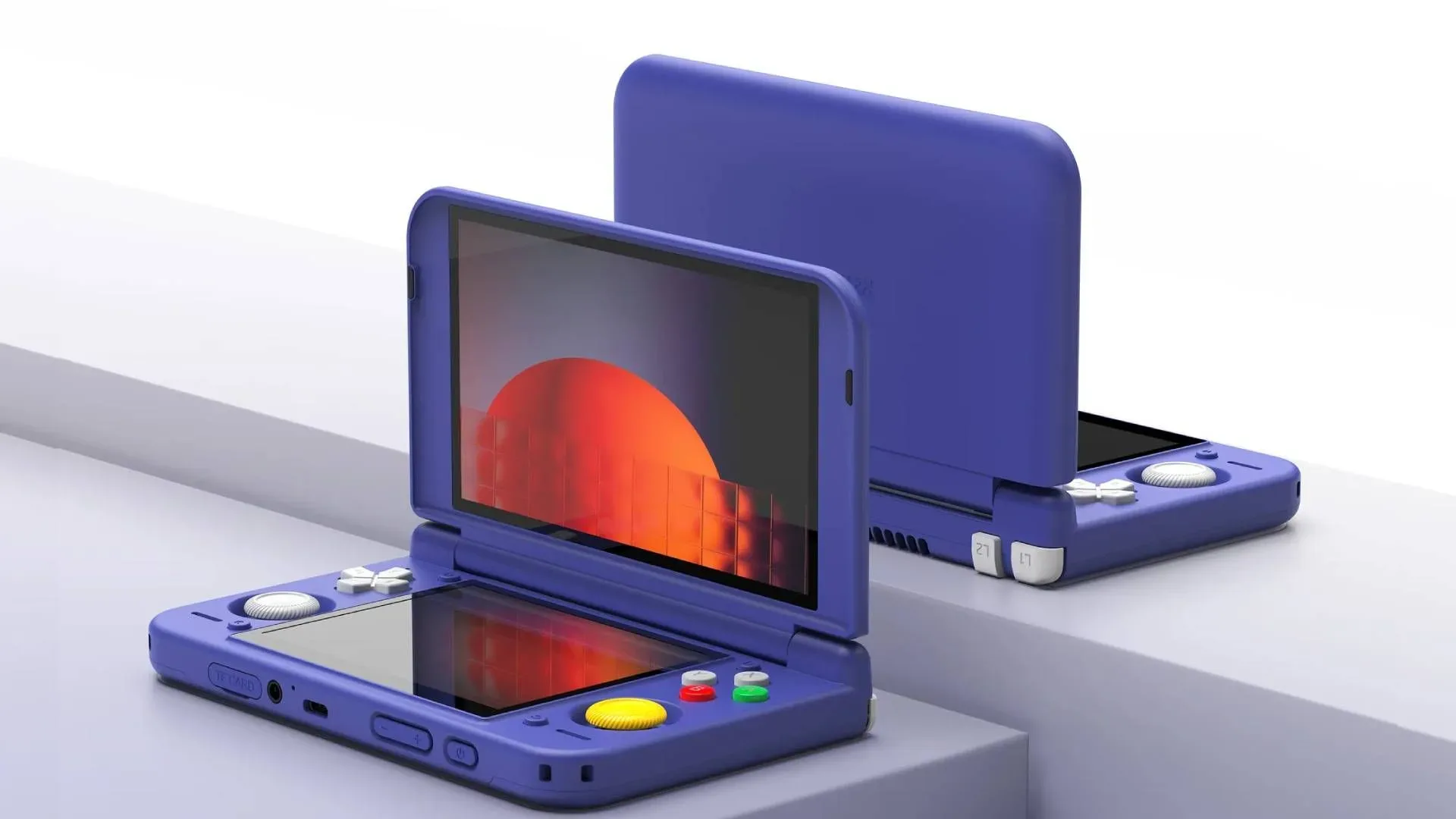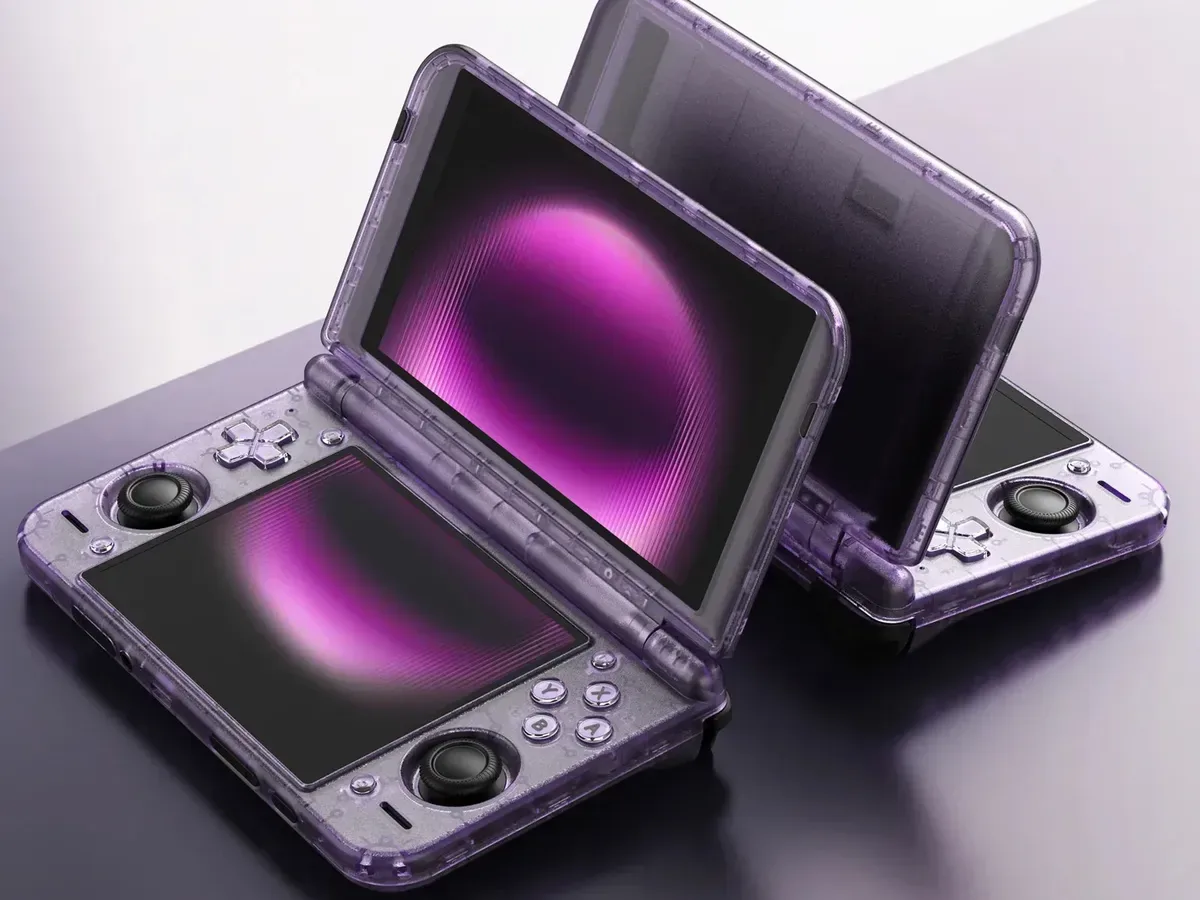
Multiplayer is often the awkward part of playing older games on an Android handheld. A game may run well in an emulator, a library may be neatly organized in a launcher, and then the social feature that once depended on two systems being close together becomes the hard part. Emufii is attempting to narrow that gap with a private networking layer for Android handheld emulation.
The key point is what Emufii is not. It is not an emulator, does not replace an existing frontend or launcher, and does not provide games, BIOS files, or game streaming. Instead, it works alongside the emulators already installed on an Android device, filling in connection details and presenting games already available through those apps. Its stated goal is to make it easier for players far apart to form multiplayer rooms and exchange the network information needed for compatible emulated games.
Emufii is currently in beta for Android devices running Android 13 through Android 15. That beta status matters: prospective users should treat the tool as in-progress software rather than assume every listed feature, emulator, game, and network condition will behave identically. The project is available through GitHub for people who want to test it.
A networking layer rather than another emulator
Emulation setups can involve several separate pieces of software. The emulator is the application that reproduces the behavior of a particular console. A frontend or launcher is the interface used to browse a library and start games. Multiplayer networking is a further problem altogether, especially where an original game expects nearby systems communicating over local wireless rather than a conventional online server.
Emufii positions itself in that last category. Games continue to run in the user’s existing emulator, while Emufii provides the connection workflow around them. Its interface uses cover art obtained from the apps a player already uses and enables friends to join rooms using a single code.
That distinction is practical. A person considering Emufii does not need to interpret it as a new all-in-one game platform or a replacement for their current collection-management habits. It is designed as connective tissue between an Android handheld’s existing emulation software and another player’s device.
The promise is also deliberately focused on convenience. Emufii says its private network avoids asking users to open ports on their router or directly share an IP address. Port forwarding is a router configuration that allows incoming traffic to reach a device on a home network; it can be an obstacle for people who are unfamiliar with router settings or do not control the network. An IP address identifies a connection on a network, and direct-sharing workflows can be intimidating or undesirable. By handling connection details through its own system, Emufii aims to make room creation and joining feel more like arranging a local session, even when players are separated by substantial distance.
DS local wireless is the central use case
The most eye-catching claim is support for Nintendo DS local wireless play over the internet. Emufii says this covers 752 DS games. Local wireless traditionally describes the short-range, nearby-device multiplayer function built into games; it is distinct from an official internet service. Translating that expectation to a remote connection is valuable because it could let a game’s original nearby multiplayer mode function between Android handheld users who are not in the same place.
Related coverage includes Emufii Beta Brings Long-Distance Multiplayer Tools to Android Handheld Emulation.
Pokémon is an especially clear illustration of why that may matter. Pokémon HeartGold and SoulSilver are named as examples where players can send Pokémon between games over the internet using the setup. More broadly, Emufii says players can trade across every Pokémon generation from the DS through Switch-era games on an Android handheld.
There is an important boundary to keep in mind, however. The supplied details establish Emufii’s stated capability and its DS-game total, but they do not provide a title-by-title compatibility list, performance measurements, or a guarantee for a particular emulator/device pairing. Players planning a trade or a multiplayer session should therefore check Emufii’s current documentation and use the beta with sensible caution, particularly before relying on it for a long session.
The Android handheld angle is significant. These devices are purpose-built around portable controls and emulation apps, but portable hardware does not automatically recreate the ease of sitting beside another player. A room-code approach could remove a fair amount of setup friction: one person creates a room, a friend joins with the code, and the software supplies the connection details. That is a much more approachable proposition than asking every participant to understand networking terminology.
PSP revival servers extend the idea beyond local play
Emufii also offers access to community revival servers for PSP games. A revival server is a community-operated service intended to restore online functionality for games whose original online environment is no longer available. This is a different use case from taking local wireless over the internet. Rather than simulating the physical proximity implied by local multiplayer, the setup connects players to an online game service maintained by a community.
Tekken: Dark Resurrection is identified as one example of a PSP game that can be played with people around the world through these servers. For fighting games, online responsiveness is naturally important, but the available information does not make claims about latency, matchmaking quality, regional coverage, or game-by-game server population. The meaningful news is access: Emufii is combining an Android-handheld-oriented interface with entry points to community-run PSP online play.
Both the DS and PSP functions point to the same larger idea: emulation does not have to be purely solitary. The original hardware formats had different multiplayer designs, and Emufii is trying to present a more uniform route into remote sessions without asking users to rebuild their emulator setup.
What the regional-server note may mean
Emufii says it uses servers in users’ own territories. In plain terms, that suggests an effort to route traffic through infrastructure closer to the people playing, rather than treating all users as though they are connecting to a single faraway location. Distance can affect network delay, commonly called latency, which is the time data takes to travel between devices and services.
Closer infrastructure cannot eliminate all delay: the players’ own internet connections, their locations relative to one another, and the behavior of the game and emulator all remain relevant. Still, regional routing is a sensible part of a service built around remote multiplayer. The supplied information does not specify territories, server locations, or expected latency, so those details remain unknown.
The practical takeaway is less about a technical guarantee and more about the direction of the design. Emufii is trying to make remote play feel legible to ordinary Android handheld owners: browse familiar game art, set up a room with a code, and leave the connection details to the software where possible.
Planned additions point to a wider scope
Future plans mentioned for Emufii include PS2 revival servers, PC support, and RetroArch integration. None of those should be treated as present-day beta features. They indicate where the project may expand, but planned support is not the same thing as released support.
RetroArch integration, if it arrives, could be notable because RetroArch is commonly used as a multi-system emulation environment. PC support would move Emufii beyond the Android handheld audience that defines the present beta. PS2 revival-server plans suggest an interest in connecting users to additional community-operated online services as well. For now, these are signposts rather than commitments with technical specifics.
Android gaming continues to encompass far more than emulation, including major native ports and mobile versions of established games; see the growing focus on mobile game ports. Emufii occupies a different niche within that wider device landscape: it is not trying to bring a new game to Android, but to make the multiplayer features around existing emulated games less isolated.
For players with Android 13–15 handhelds, the most immediate proposition is straightforward: Emufii may provide a lower-friction way to arrange compatible DS local wireless sessions at a distance and to reach supported PSP revival servers, all while continuing to use existing emulator software. Its limitations are equally straightforward. It is a beta, it does not supply games or BIOS files, and its planned PS2, PC, and RetroArch features are still ahead rather than here.
That focused role may be its strongest asset. Instead of trying to become an emulator, storefront, streaming platform, and launcher at once, Emufii is targeting the often-neglected layer between emulation and playing together.