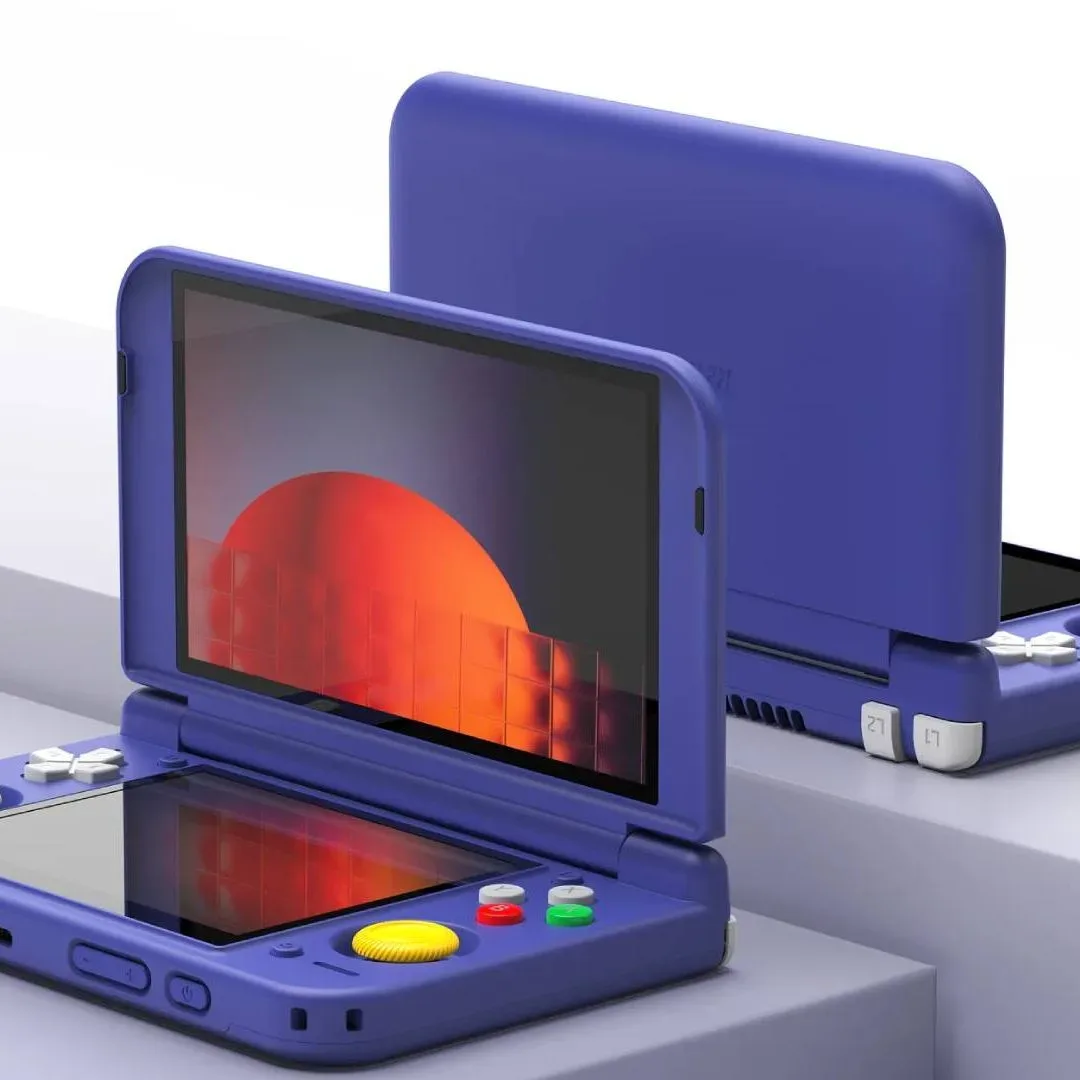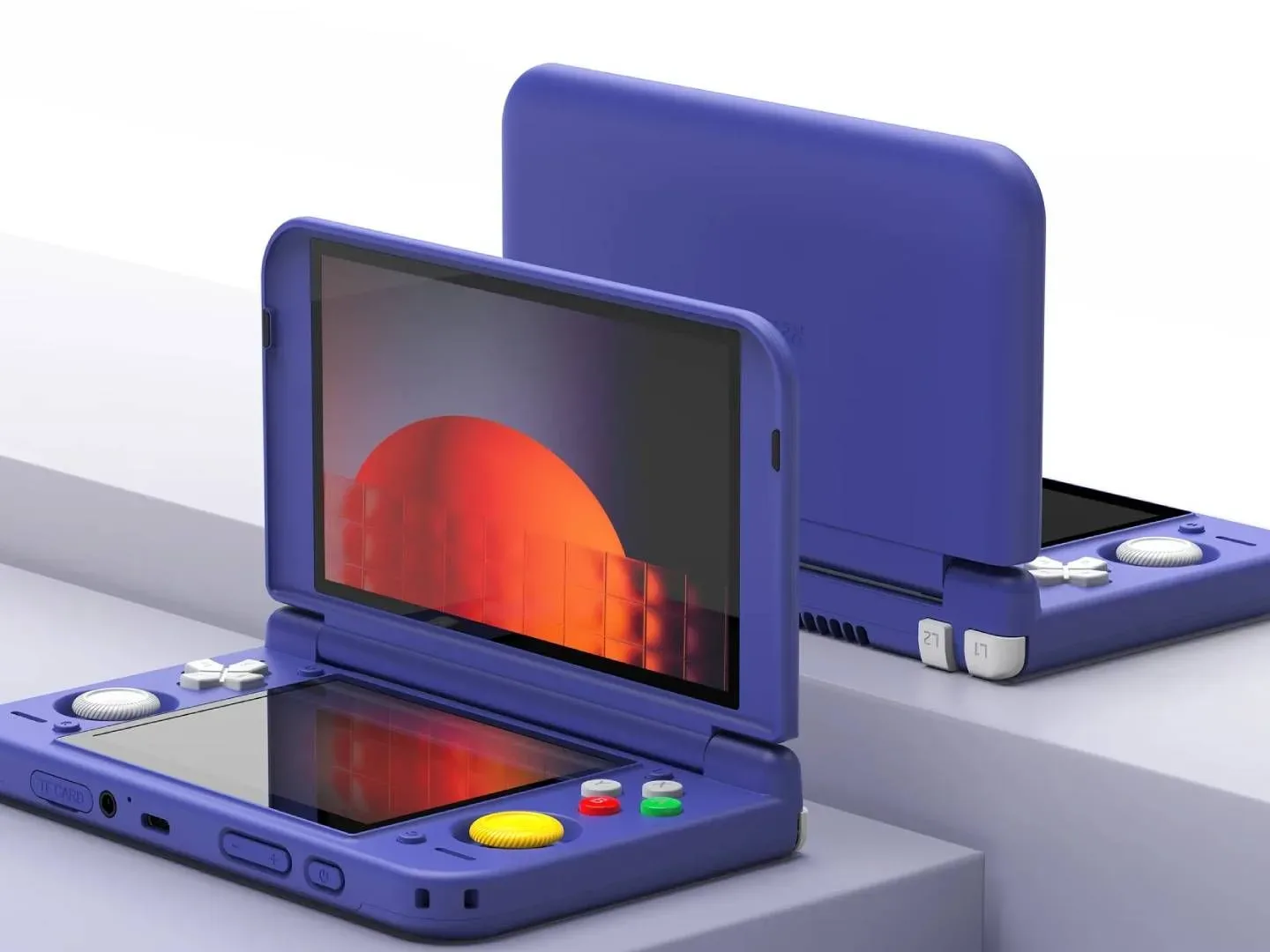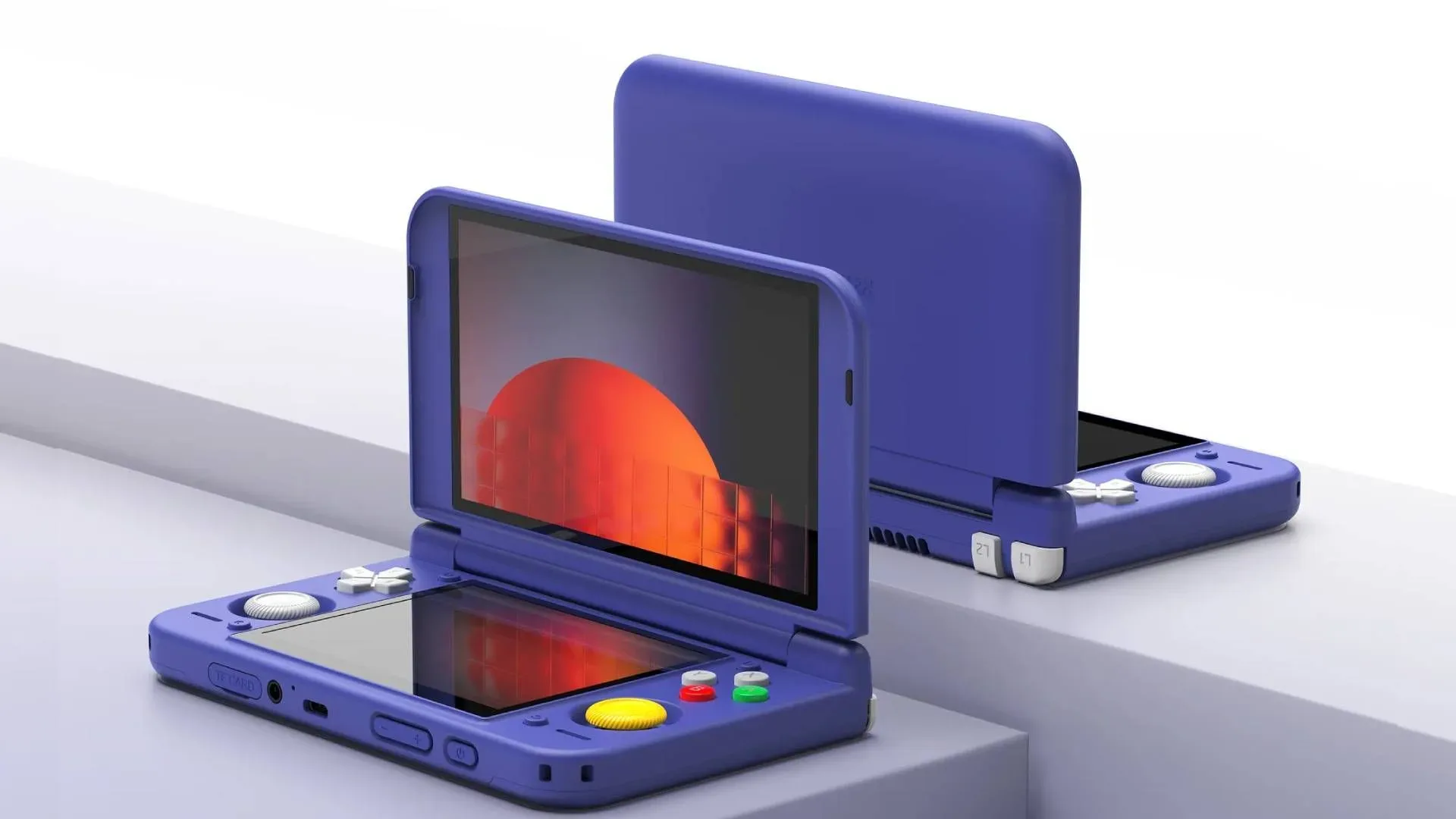
Retroid has unveiled the Pocket Duo Lite+, a third model in its dual-screen Pocket Duo handheld range, less than two weeks after the prior Duo announcements. The timing is the real story as much as the specifications: the new Lite+ arrives just after buyers had been offered the lower-cost Pocket Duo Lite, leaving some early customers wondering whether they committed before seeing the full set of options.
The Pocket Duo Lite+ is positioned between the standard Lite and the higher-end Pocket Duo. Its listed price is $219, while an early-bird preorder price reduces that to $199. Retroid describes the device as retaining the Lite’s slim form factor while receiving a substantial processor upgrade in the form of the Dragonwing Q-7790.
For buyers of the original Lite, Retroid has also outlined an exchange route. The company has paused Lite shipments for three days so preorder customers can decide whether to retain the existing order or move to the Lite+. Customers with units already shipped are included in the plan, with return shipping costs set to be covered so they can place a Lite+ order. The response deadline in the customer email is September 23 at 8 a.m. EST.
A new middle option, introduced at an awkward moment
Product lineups often add a middle configuration eventually. What makes this case unusual is the short gap between the Lite’s introduction and the Lite+ reveal. The Lite+ is not merely a new colorway or cosmetic revision; Retroid is presenting it as a more powerful version of the same fundamental handheld shape.
That makes the comparison unusually immediate for anyone who has only just ordered the standard Lite. The Lite+ costs $50 more than the lower-priced model at its listed $219 price, while its $199 early-bird price narrows the practical decision further for those considering a new preorder. A customer who chose the Lite mainly because it was the value-oriented Duo now has to decide whether the added processor is worth changing course before shipment.
Community reaction has reflected that frustration. One response to the reveal accused Retroid of effectively steering customers toward models that were immediately overtaken before they could even arrive. That complaint is less about a device gaining a successor someday and more about the lack of a long decision window between adjacent models.
Retroid’s exchange program does not erase the annoyance of a rapidly changing catalog, but it matters. Pausing outbound Lite units gives eligible buyers a chance to compare the two without first receiving a device, opening it, and then navigating a conventional return. Covering return shipping for already-dispatched systems also acknowledges that some customers had no reasonable way to anticipate the Lite+ announcement when they ordered.
What the Dragonwing Q-7790 changes—and what it does not prove yet
The most significant stated difference is the Dragonwing Q-7790. A system-on-chip, commonly shortened to SoC, is the central package that combines major computing components such as processing and graphics capabilities. In a compact handheld, the SoC plays a major role in determining which software workloads the device can realistically handle and how much performance headroom it has.
Related coverage includes Retroid Announces Pocket Duo Lite+ Days After Lite Preorders, Offering Exchange Window.
Retroid’s positioning suggests the Q-7790 is intended to make the Lite+ a more capable option for Nintendo 3DS-era software through emulation. Emulation is software-based recreation of another system’s hardware environment, allowing compatible programs to run on different hardware. It is often demanding because the host device must translate or reproduce behavior expected by the original platform.
That potential should be read carefully. A faster chip can improve the prospects for more demanding workloads, but the Pocket Duo Lite+ has not yet established real-world performance across a range of 3DS software. Processor naming alone does not provide a complete answer about compatibility, consistency, controls, thermals, battery behavior, or software configuration. The relevant claim at this stage is opportunity: a better-equipped Lite design may be more suitable for that class of task than the base Lite.
The dual-screen format is particularly relevant to DS- and 3DS-style software because those systems were designed around separate displays. A clamshell-inspired handheld can present two screens without relying on a single display split into sections. That physical arrangement does not automatically guarantee an ideal experience, but it explains why companies are continuing to make this category of portable rather than treating it as a niche curiosity.
A crowded range of dual-screen handhelds
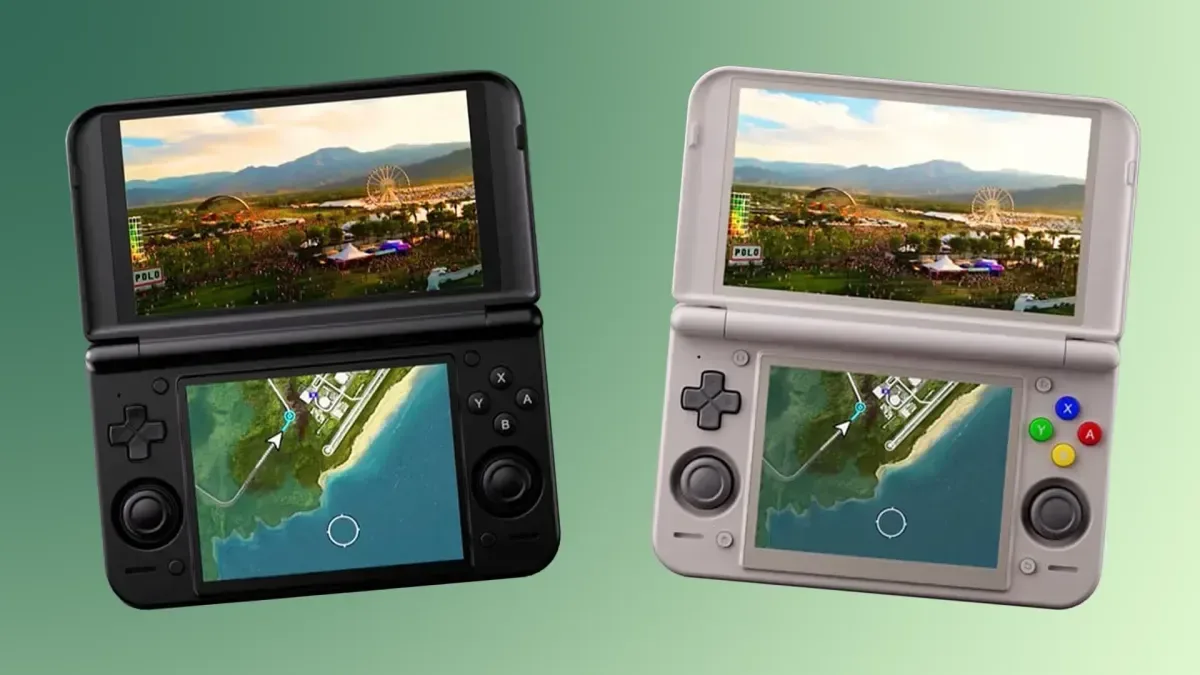
The Lite+ enters a market that already has several price and design approaches. The Anbernic RG DS is listed at under $140, while the Ayn Odin Thor begins at $259. Retroid’s $219 Lite+ therefore occupies a middle position: above the less expensive Anbernic option, but below the Odin Thor’s starting price.
There is also competition from devices that pursue the two-screen concept without a clamshell hinge. The MagicX Zero 40, priced at $75.99, uses a vertical display arrangement instead. For some buyers, the hinge is a key part of the appeal because it mirrors the physical layout associated with Nintendo’s older dual-screen systems. For others, a vertically arranged display may be the more straightforward and lower-cost route.
Those differences mean “dual-screen handheld” is not a single specification category. Buyers should separate several questions:
- Form factor: Is a folding clamshell important, or is a fixed vertical-screen design acceptable?
- Performance target: Is the goal limited to less demanding software, or is more 3DS-oriented capability a priority?
- Budget: Does the Lite+ fit better than a higher-priced model, or does a lower-cost alternative make more sense?
- Timing: Is it worth ordering while a product lineup is shifting quickly, particularly if a model has only just been announced?
In that context, the Pocket Duo Lite+ is not simply a replacement for every other option. It is a particular compromise: a Lite-style body, a higher-tier processor, and a price intended to land between the least expensive and most premium Pocket Duo choices.
The practical decision for existing Lite customers
Anyone with a Pocket Duo Lite preorder should first check the email Retroid sent to early-bird customers and pay close attention to the September 23, 8 a.m. EST reply deadline. The important choice is not whether the Lite+ is objectively “better”—a device with a stronger stated processor will naturally appeal to buyers seeking more performance—but whether that difference serves the owner’s intended use and justifies the extra cost.
The original Lite remains the lower-priced route into Retroid’s slim dual-screen design. The Lite+ raises the price but is explicitly built around a performance upgrade. Buyers who selected the Lite chiefly to minimize spending may reasonably keep that order. Buyers who were already hoping for greater headroom for more demanding emulation may find the Lite+ better aligned with that goal, provided they are comfortable with the new price.
Those whose Lite has already shipped should not assume that makes a switch impossible. Retroid’s stated plan includes return shipping coverage and a reorder path for the Lite+, though customers still need to follow the instructions in their own email and respond within the provided window.
For shoppers who have not ordered either device, the rollout offers a useful reminder: when a manufacturer is introducing several closely related configurations in rapid succession, it can be worth comparing the entire announced range before placing a preorder. That is not always possible when details emerge piecemeal, but it is especially valuable where a modest price increase can accompany a meaningful change in processing hardware.
Why the exchange offer is the central detail
The unusual part of this announcement is not that Retroid has another portable on the way. The retro handheld market moves quickly, and companies routinely differentiate devices by price, form factor, screens, and internal components. The issue here is the extremely short interval between the Lite’s availability for preorder and the reveal of a more powerful Lite+ variant.
Retroid has not provided a definitive public explanation in the available details for why these configurations have appeared so close together. It is possible to speculate about component availability and broader demand pressures, but those explanations remain unconfirmed. What is concrete is the company’s response: a short shipment pause, an opportunity for affected buyers to choose between Lite and Lite+, and return-shipping coverage for eligible shipped orders.
That response turns what could have been a simple case of preorder regret into a time-sensitive choice. It also puts extra weight on Retroid’s customer communication. The company has given buyers an off-ramp, but it is an off-ramp with a stated deadline, so unread inboxes could become an avoidable problem.
For broader context on how rapidly evolving retro hardware can reshape what players expect from compact systems, see our coverage of DigiBitPlay V4’s expanding retro platform support.
For now, the Pocket Duo Lite+ is a potentially compelling midpoint in Retroid’s new dual-screen lineup, particularly for people drawn to its stated Q-7790 performance advantage. But the rollout is also a lesson in why preorder timing matters. The Lite+ may make the range stronger on paper, while simultaneously making customers who acted first feel as though they were asked to make a decision before the real menu was fully visible.
Shop the products
Check current price, model and availability at the retailer.