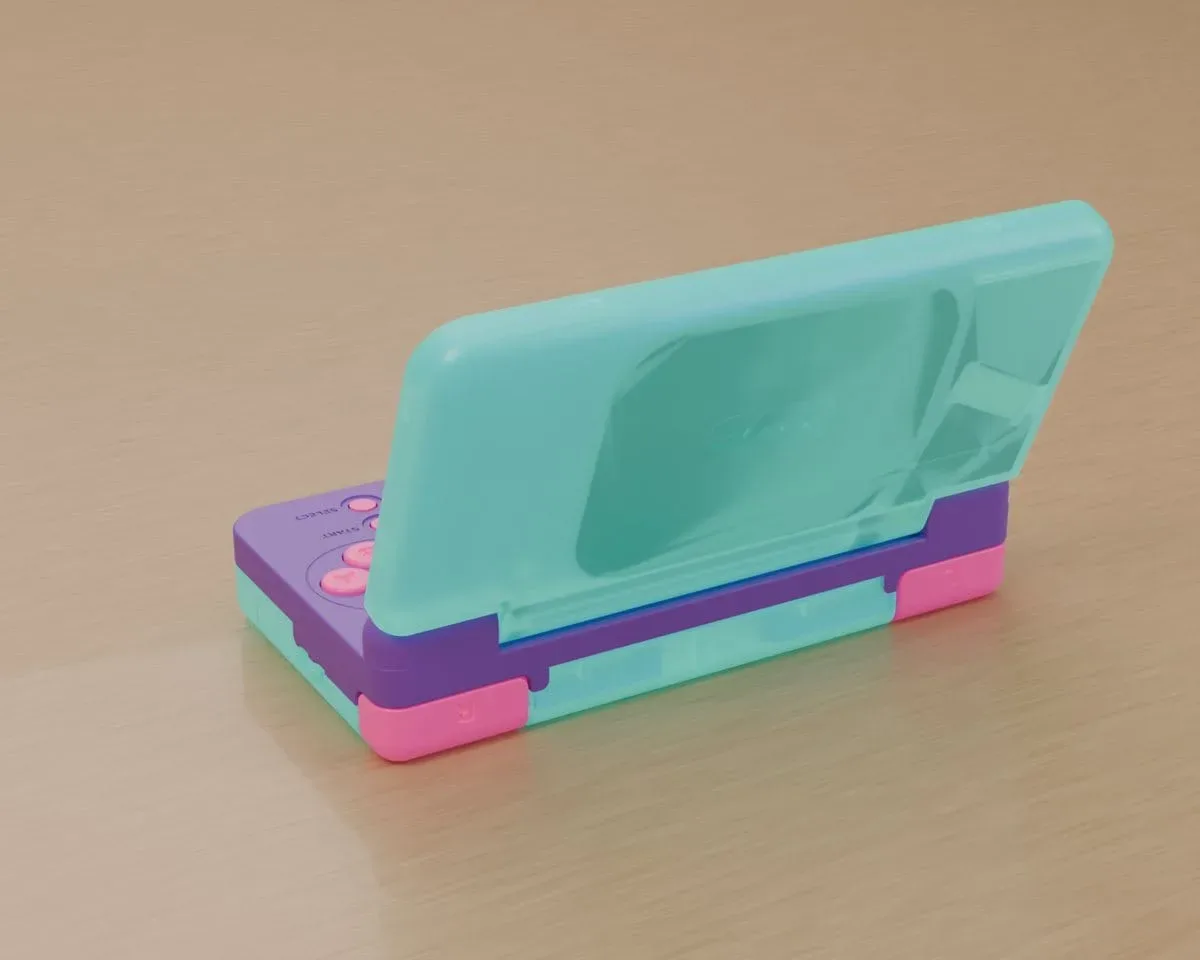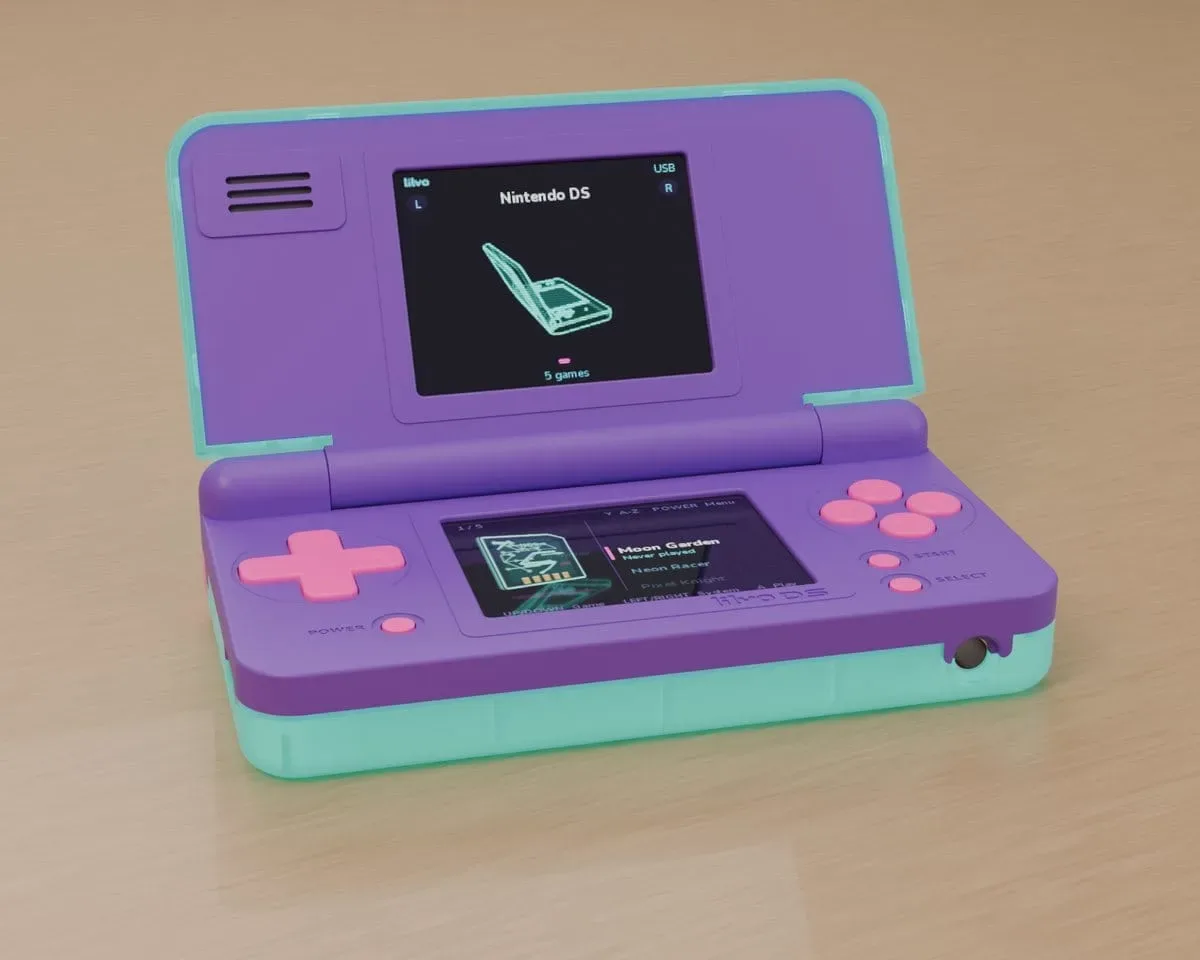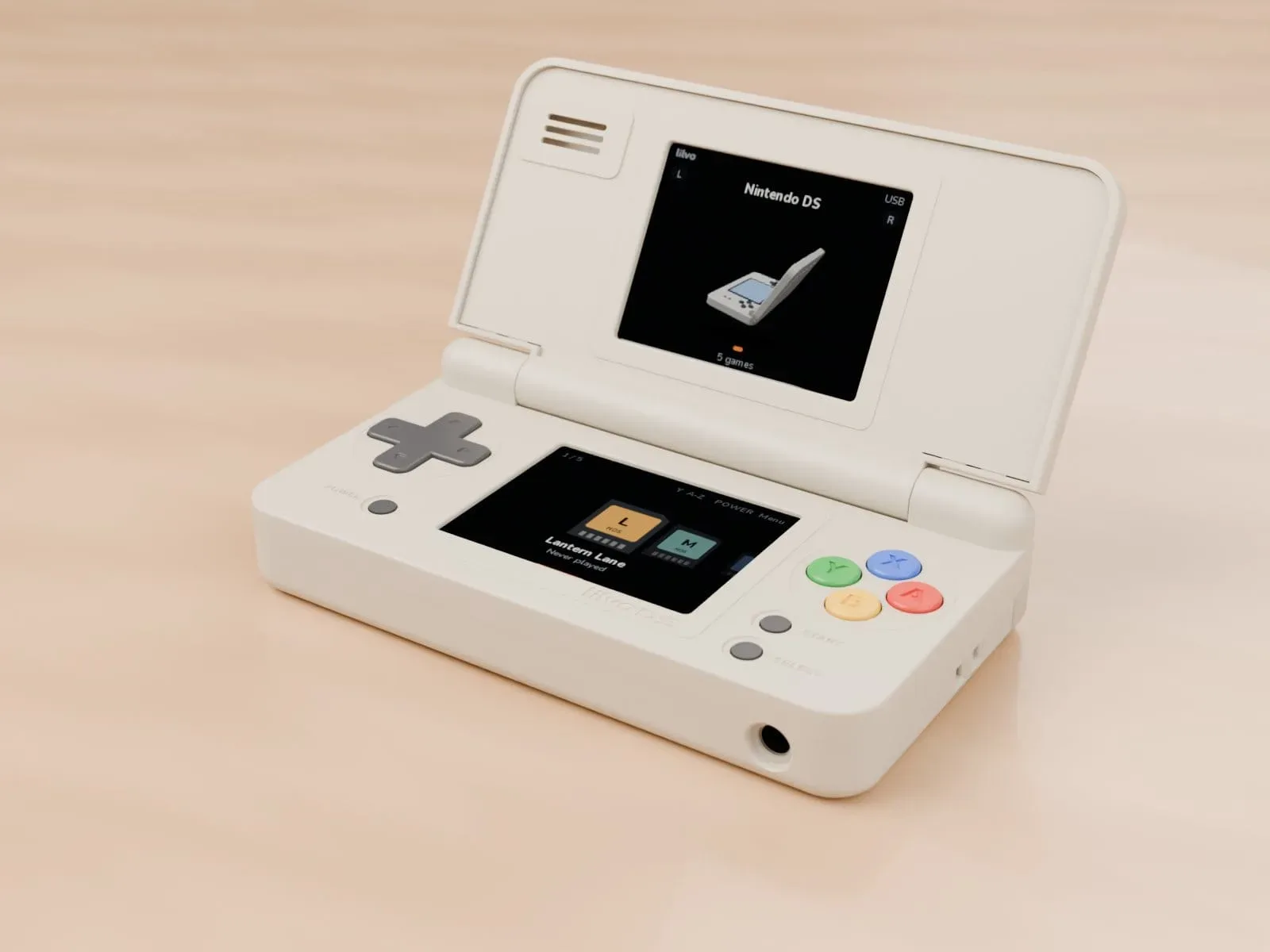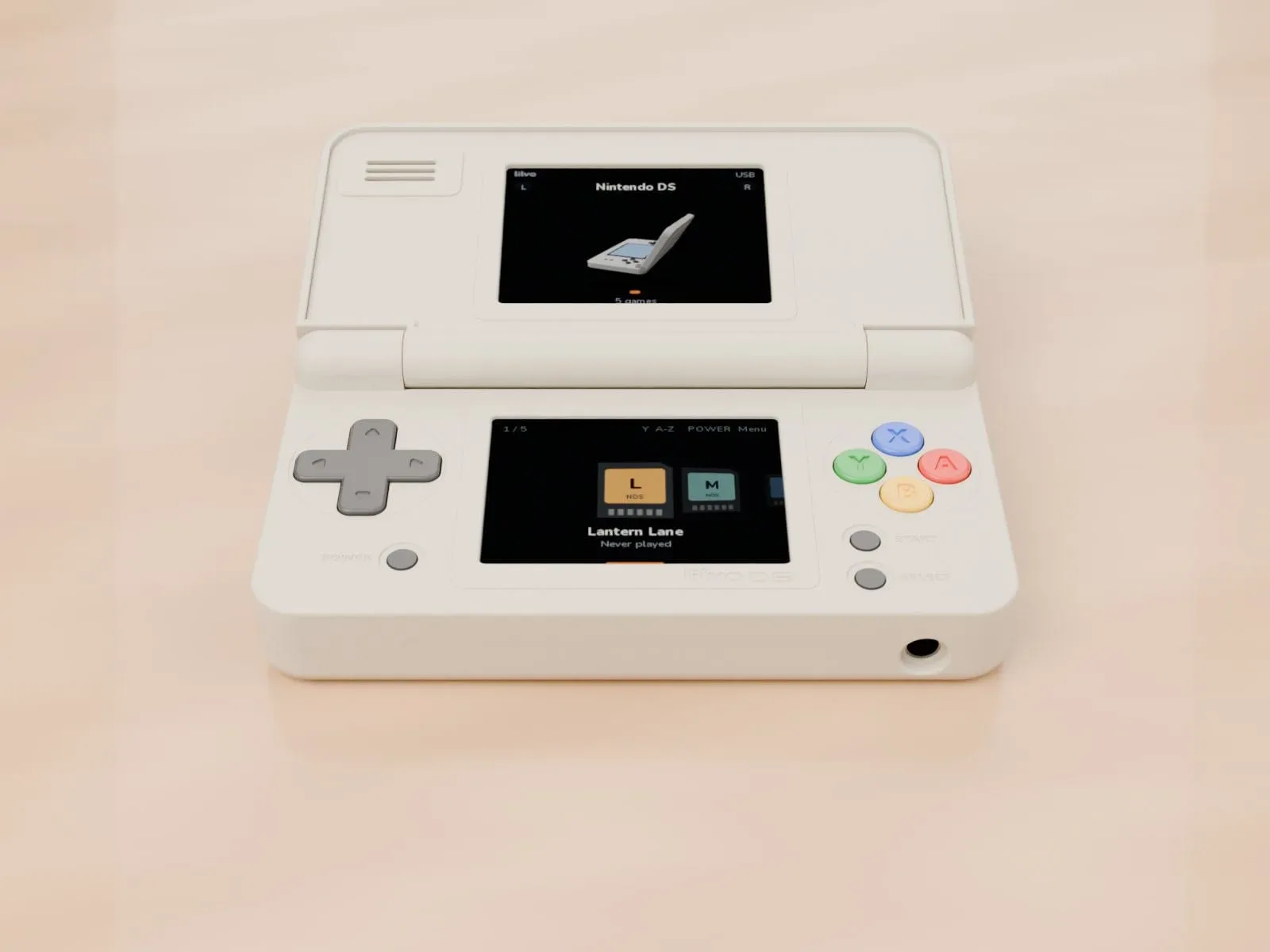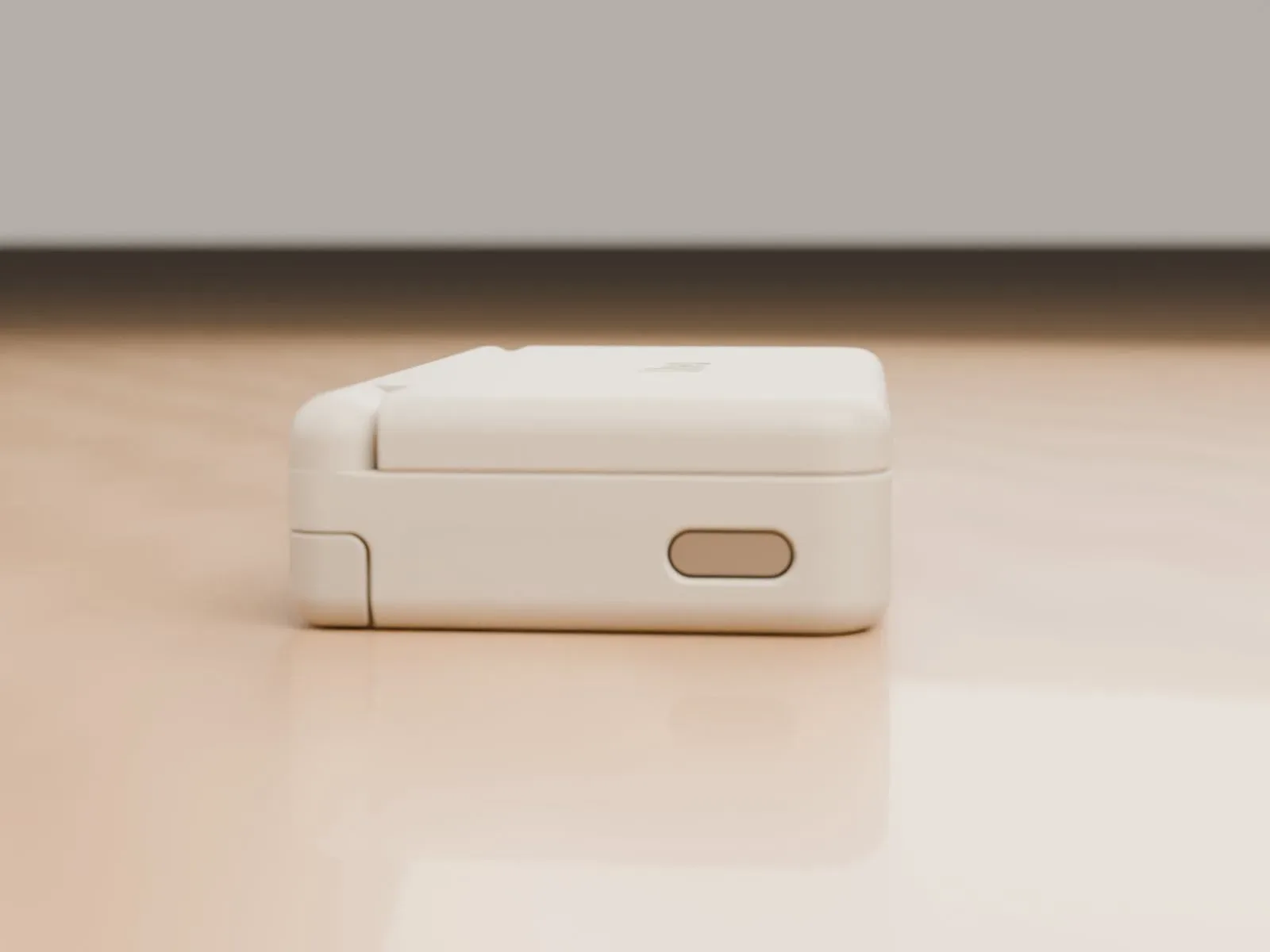
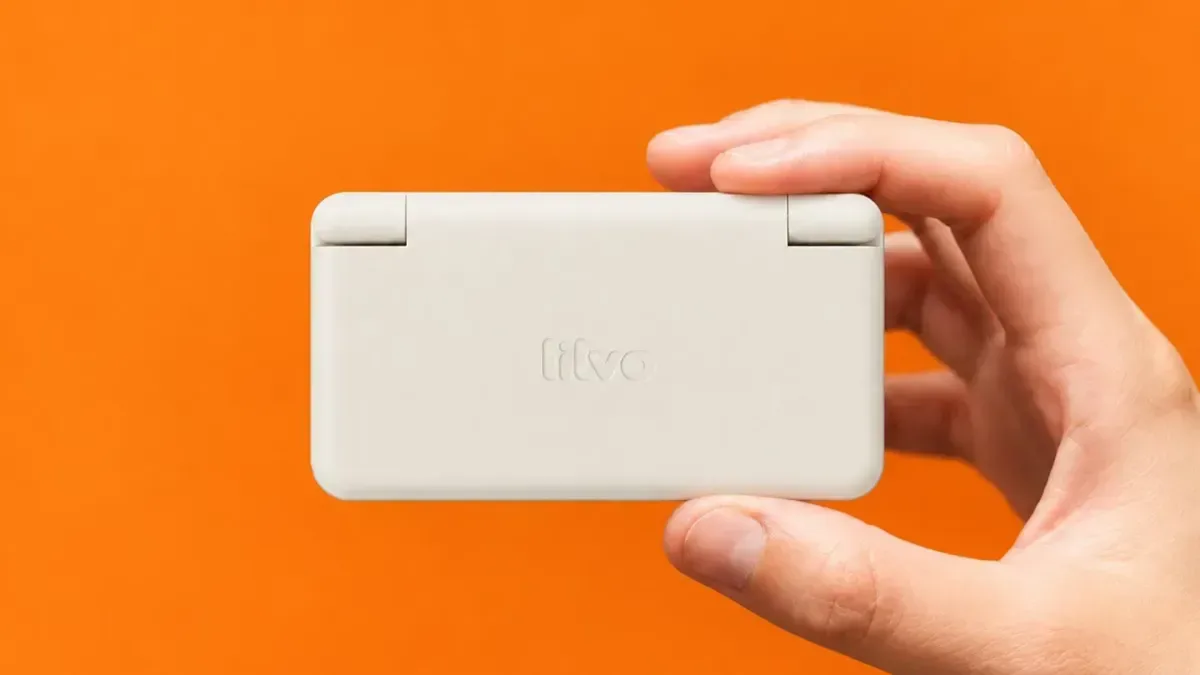
The Lilvo DS Micro is attempting a trick that sounds obvious until one considers the hinge: make a genuinely tiny retro handheld that preserves the defining feature of the Nintendo DS era, namely two screens that need to coexist rather than fight for space on one display. The result is a prototype clamshell measuring 85 × 46 × 18 mm when closed, with two 2-inch screens, physical buttons and a real hinge.
It is a small device with a large assignment. The project is aiming to run Nintendo DS software and 11 classic-console platforms through its own operating system, the Linux-based Lilvo System. There are prototypes in circulation, but the important qualifier remains prototype: this is not a finished retail product, and its ultimate hardware, software behavior, durability and release plans should not be treated as settled.
Still, the project is notable because it approaches miniature hardware as more than a novelty. The Lilvo DS Micro has a purpose-built interface, a lid sensor intended to protect progress when closing the system, browser-based file management, a microSD slot, USB-C, a headphone jack and a design intended to be repairable. That combination makes it look less like a keychain curiosity and more like an unusually compact attempt at a usable dual-screen emulation machine.
A tiny clamshell built around the dual-screen problem
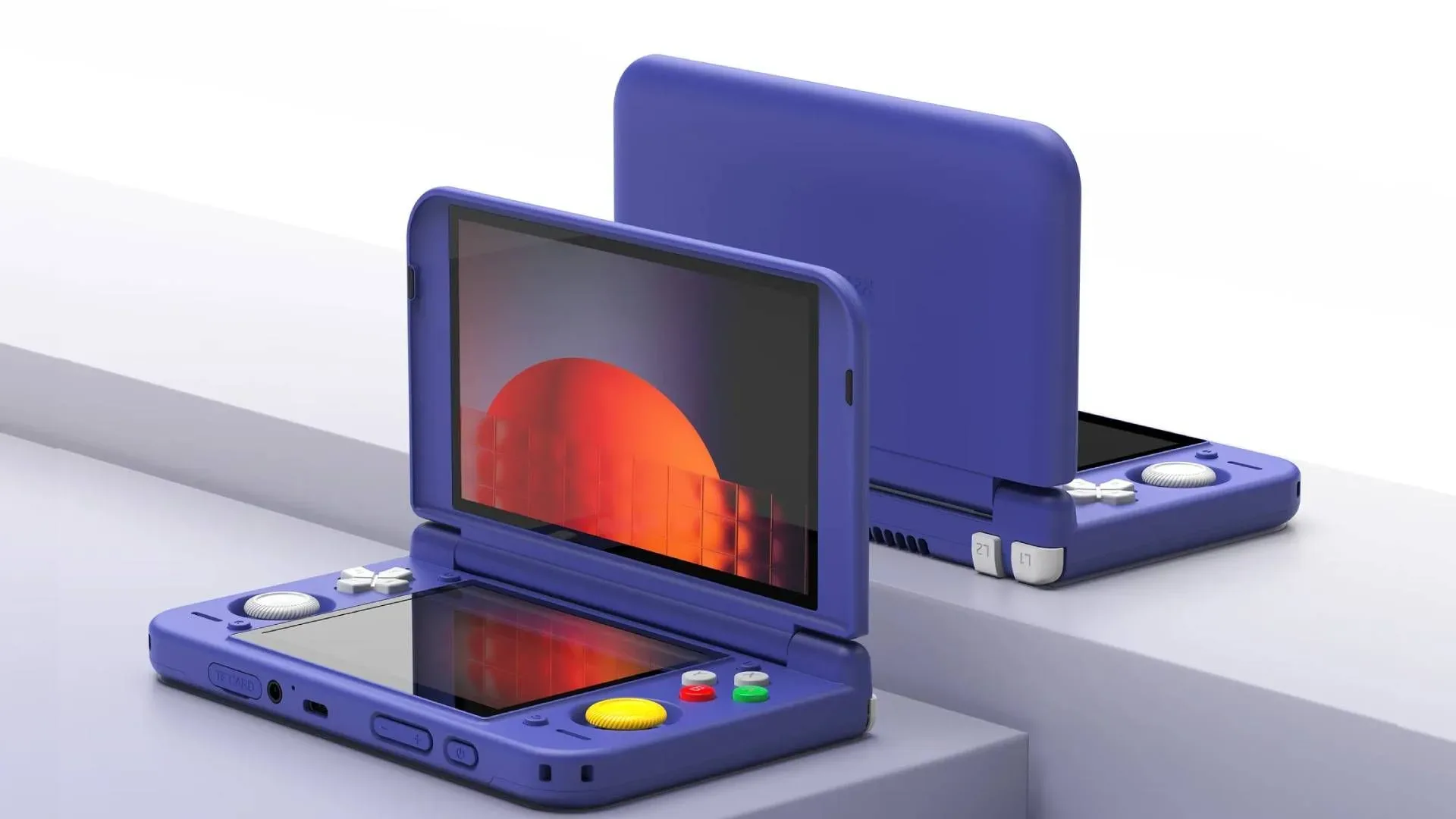
Miniature handhelds have already found an audience. The Funkey S provided a tiny clamshell form for fans of the Game Boy Advance SP shape, while the metal-bodied ANBERNIC RG Nano and a colored, cartridge-smaller GBA-style device from Thumby show that there is room for extremely compact systems. Those formats, however, generally deal with one screen. The DS Micro’s defining challenge is making two displays and a hinge make sense at card-like dimensions.
That distinction matters. A dual-screen setup is not merely a visual throwback. For games designed around two separate panels, the relationship between displays can be central to the interface: one may present play while the other handles maps, inventories, status information or another part of the game’s layout. A miniature device that tries to accommodate that structure has to make decisions about screen order, readability and controls rather than simply shrinking a conventional single-display handheld.
The Lilvo System includes an option to swap screens. On a device this small, that is a practical feature rather than decorative menu clutter. It acknowledges that screen priority may change from game to game, or even within the same game. The system also offers brightness controls, limited customization and alphabetical organization. None of those are huge features individually, but they address the mundane actions that determine whether a portable is pleasant to revisit after its initial “look how tiny it is” moment.
What the Lilvo System is trying to do differently
The custom interface may be the project’s most distinctive component. Lilvo System is described as a Linux-based launcher inspired by Funkey OS. A launcher is the front-end software that organizes games, settings and platform choices before a user starts an emulator. Rather than presenting a raw folder browser as its identity, the Lilvo interface uses a shelf-like home screen: each supported console is represented with a small rotating 3D model, while games appear beneath it as cartridges.
That presentation is more consequential on a two-inch screen than it would be on a larger handheld. Visual design cannot rescue illegible text or awkward navigation, but clear grouping and familiar object cues can reduce the number of steps needed to find a game. The planned ability to sort titles alphabetically is similarly straightforward, but useful. Libraries grow untidy quickly when files are copied to removable storage, particularly when a device supports multiple platforms.
Related coverage includes Lilvo DS Micro Targets DS Emulation in a Card-Sized Clamshell.
There is also a web manager accessed by connecting the handheld to a PC and opening a browser. The interface is intended to support drag-and-drop game transfers, save-state management and box-art additions. A save state is a snapshot created by emulation software that can preserve the exact current state of a game, rather than relying only on the game’s original built-in save system. The distinction is especially useful for short sessions, difficult sections or titles whose original saving rules are restrictive.
Browser-based management could be an especially sensible fit for a tiny system. On-device file administration at this scale could easily become a fiddly chore, while a desktop browser gives the user more room to organize a library and manage associated files. The supplied information does not establish every workflow detail, and prototypes can change, but the direction is clear: Lilvo is treating file handling as part of the product experience, not an afterthought.
The hinge has a job beyond folding the hardware
The DS Micro uses a Hall sensor inside its hinge. A Hall sensor detects changes in a magnetic field; in this context, it lets the device recognize when its lid has been closed. The planned behavior is to save a game automatically before powering off. For a clamshell handheld, that is an appropriately physical piece of software design: closing the unit is meant to become the signal that a session is over.
That could be meaningful for long-form games where progress represents a real investment of time. The feature is described as automatically saving before shutdown, but users should keep its prototype status in mind and understand how it works for the specific software they intend to use. Automatic state handling is convenient precisely because it reduces friction, yet convenience is only valuable if its behavior is predictable.
The hardware list also includes USB-C, a 3.5 mm headphone jack and an internal microSD card used for firmware updates and game-file installation. USB-C gives the device a contemporary physical connection, while the headphone jack retains an uncomplicated wired-audio option. The microSD card is where portability meets ownership of the device’s library: it is removable storage rather than a fixed, opaque internal vault.
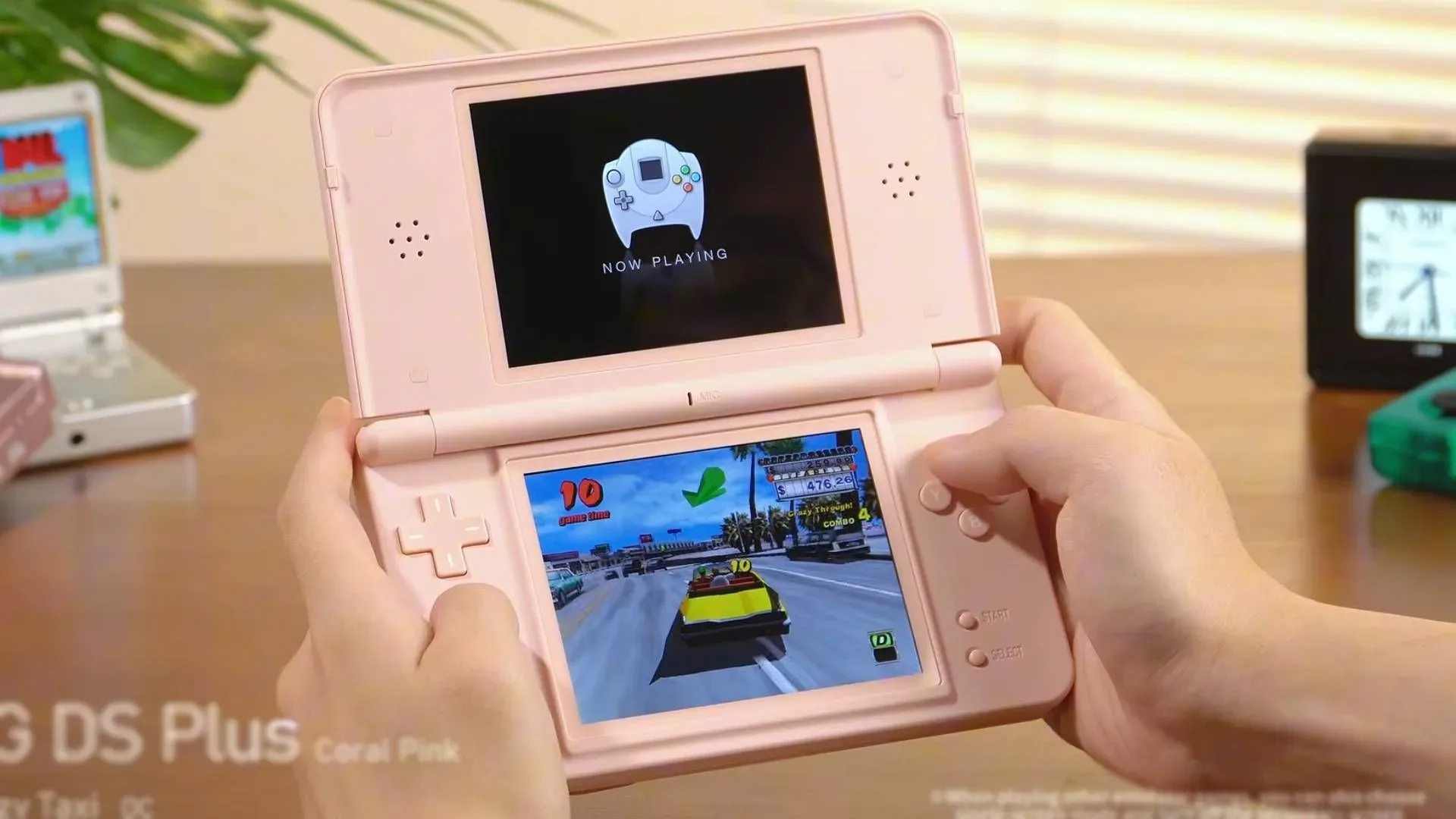
For retro enthusiasts who enjoy exploring older libraries, compact hardware can be one route into revisiting systems and genres that are otherwise easy to overlook. Anyone in the mood for a larger-screen, decidedly non-pocket-sized detour can also browse this look at Sega Dreamcast racing games.
Repairability is part of the pitch
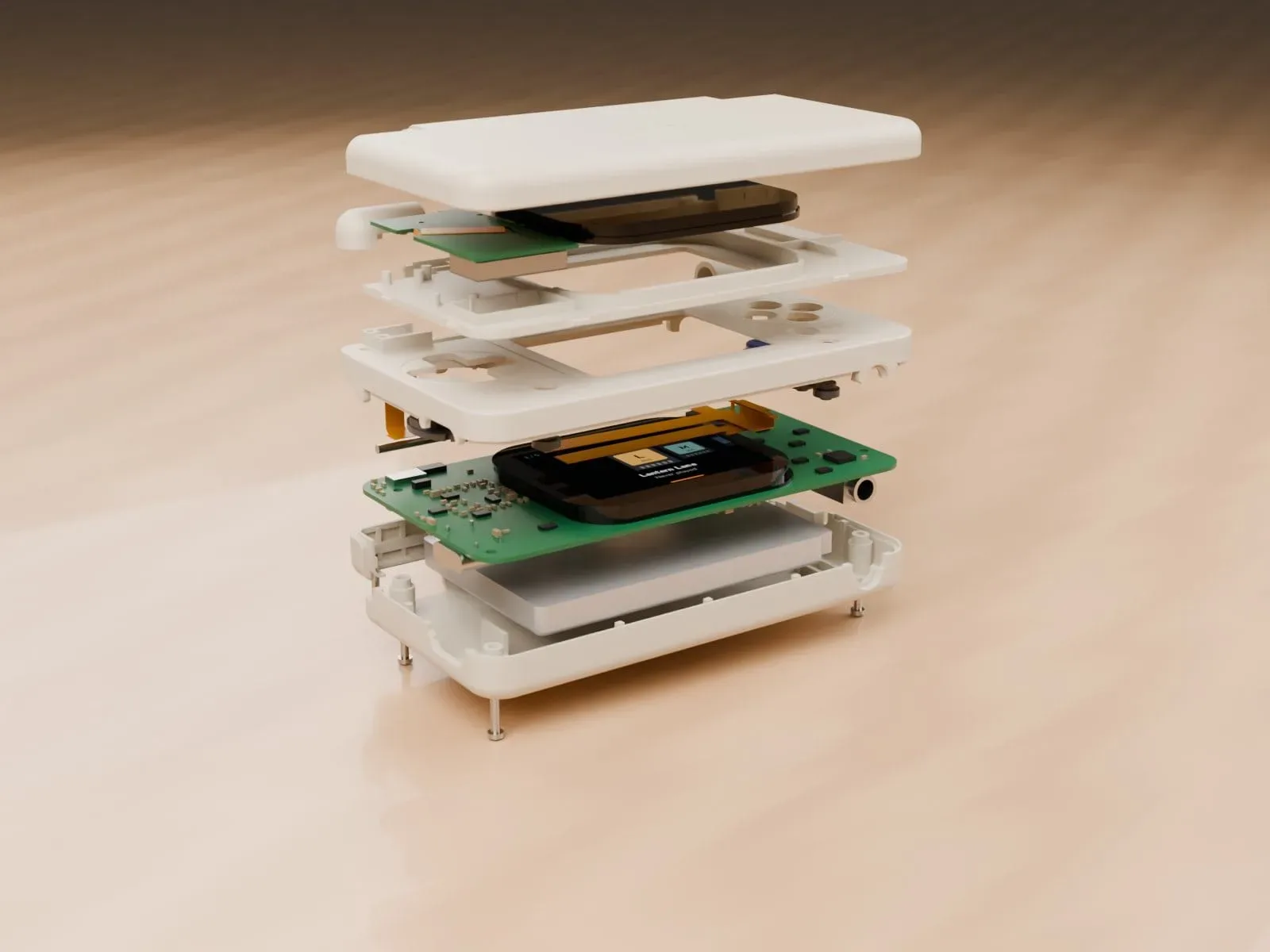
The project’s repair-minded construction may be just as interesting as its dimensions. Lilvo describes a snap-fit shell secured with only four screws and a steel hinge pin, while design files are planned to be available for tinkering. A snap-fit shell uses interlocking plastic parts rather than relying entirely on screws or adhesive. The approach can simplify opening and reassembly, although the real-world quality of that experience will ultimately depend on the final parts and construction.
Making design files available suggests that the project is inviting a degree of modification and inspection instead of treating the enclosure as untouchable. That is notable for a device where the hinge is both mechanically important and fundamental to the software’s lid-detection behavior. The stated steel hinge pin also signals that Lilvo is thinking about a stress point that tiny clamshells cannot ignore.
None of this guarantees easy repairs. Repairability is not just a count of screws; it also involves part access, the ability to diagnose faults, the resilience of clips and the practical availability of replacement components. But the stated design direction is promising because it makes serviceability a visible goal early in development, rather than an accidental benefit discovered after release.
Why the prototype label is the most important specification
The published renders, prototype documentation and video demonstration offer a clearer picture than a vague concept sketch, but they are not a substitute for a finished device. The Lilvo DS Micro should therefore be read as an active development project with an unusually coherent vision, not as a guaranteed final specification sheet.
Several questions naturally remain open. The source material does not provide a release date, price, battery specification, final platform list beyond DS and 11 classic consoles, or a final assessment of screen readability, button feel and performance. It also does not establish that every part of the shown software and hardware will ship unchanged. Those unknowns are not a dismissal; they are simply the line between an intriguing prototype and a completed consumer product.
What can be assessed now is the project’s design logic. Lilvo is not trying to win attention only by shrinking a familiar shape. Its choices connect: dual screens support the targeted software format; the screen-swap option recognizes the limitations of miniature displays; the Hall-sensor behavior uses the clamshell form for quick session management; the web manager moves library work to a roomier screen; and the repairable shell attempts to make the tiny hardware less disposable.
That coherence is the reason the DS Micro stands out. A very small handheld can be impressive in photos and frustrating in practice. The Lilvo project is at least aiming at the harder goal: a miniature device whose operating system, hinge, storage and interface all acknowledge the compromises created by its size. Whether it can turn that ambition into a dependable finished handheld remains the question worth watching.