There are sensible uses for a classic iPod in 2026: revive a favorite music player, add modern storage, retire an aging hard drive, and keep the click wheel in daily rotation. Then there is the far less sensible, considerably more entertaining proposition: use one to play Crash Bandicoot.
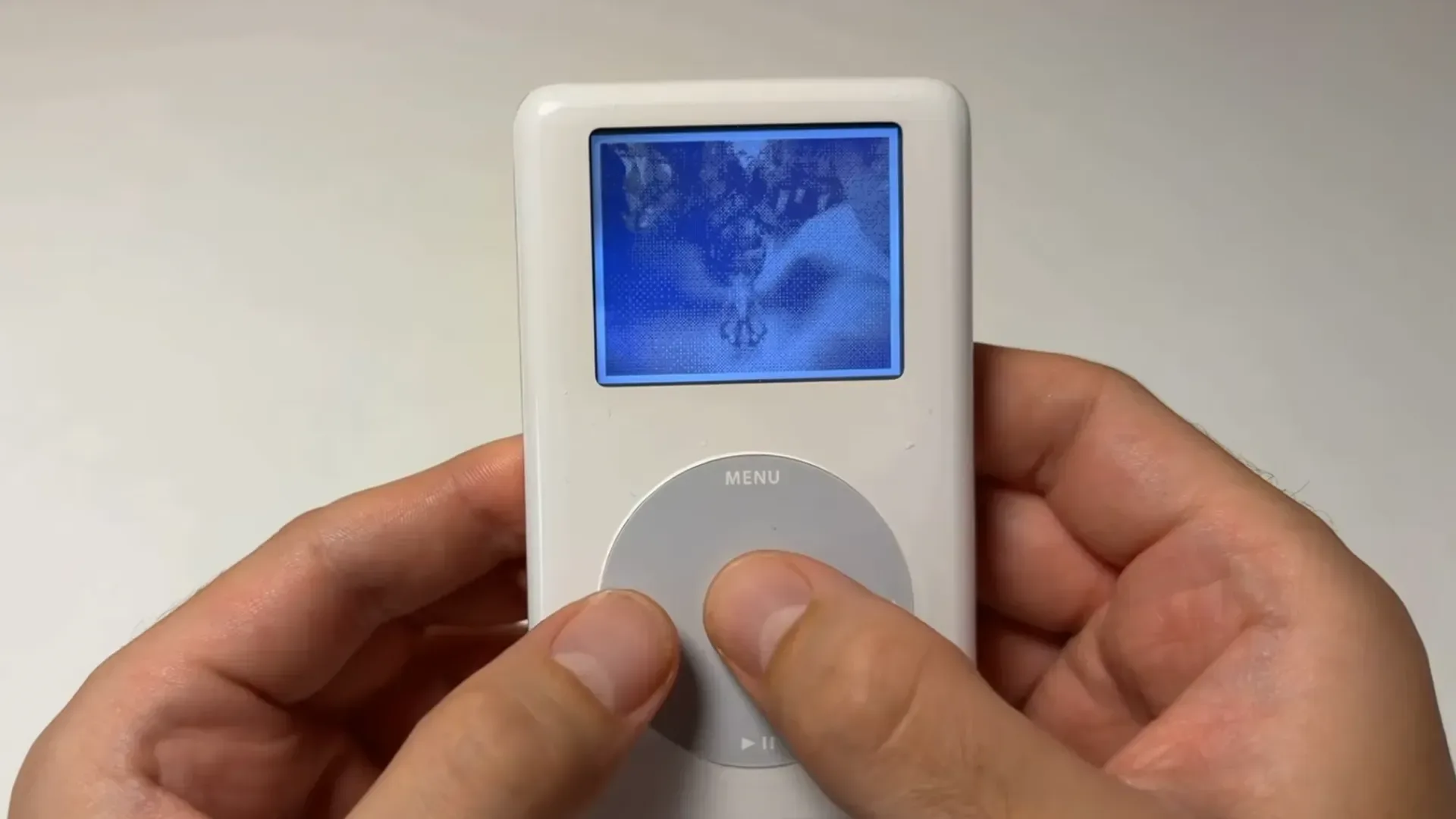
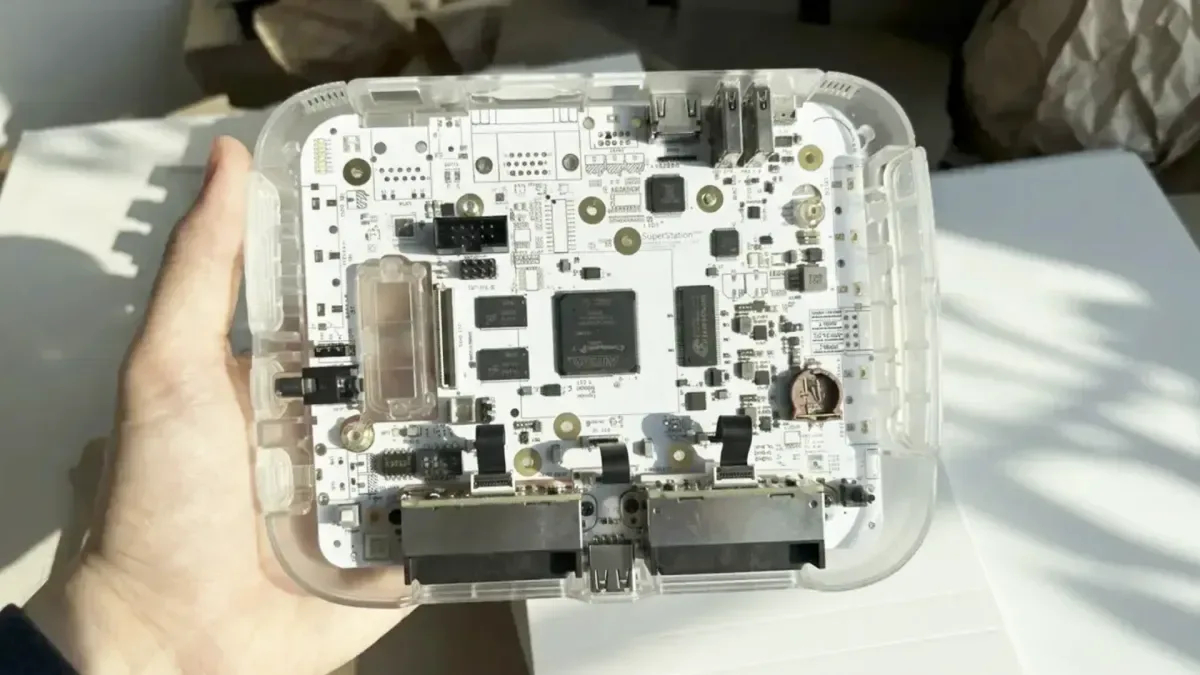
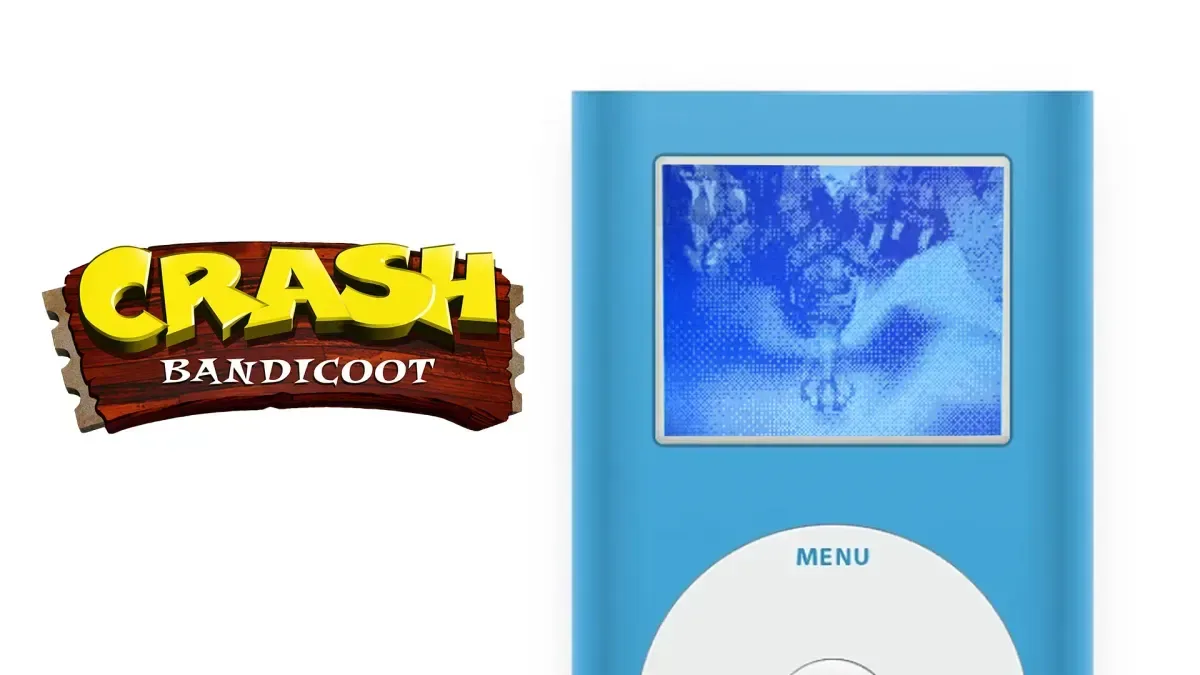
That is the eye-catching implication of a short demonstration from Sprout, a replacement motherboard project intended for the third-generation iPod, fourth-generation iPod, and iPod mini. The footage shows Sony’s marsupial mascot running on a fourth-generation iPod fitted with the board. It is an odd little collision of hardware eras: a game closely associated with the original PlayStation appearing on a monochrome, click-wheel music player.
It is important to put the clip in the right category. This is a proof of concept rather than a full performance verdict. There is no established picture yet of how games will perform when Sprout launches, which apps will be available, what controls individual games will support, or how practical a click wheel will be for fast platforming. Still, the demonstration makes the project’s point effectively. Replacing an old iPod’s internal logic board could turn its familiar shell into something much more flexible than a music player.
What Sprout replaces—and what it keeps
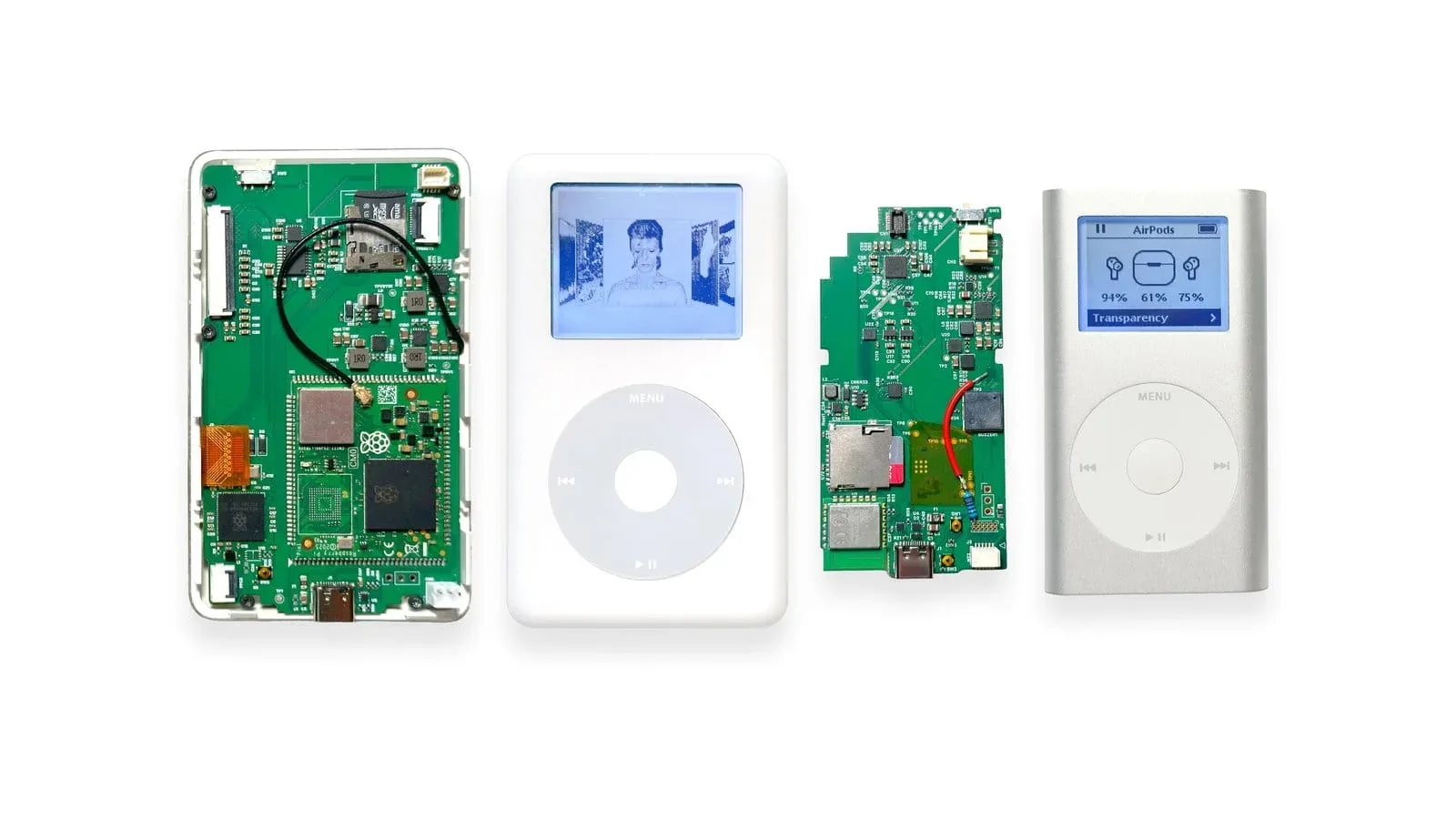
Sprout is a replacement PCB, or printed circuit board. In simple terms, that is the central board carrying the electronics that let a device operate. Rather than merely changing one aging component, such as the storage drive or battery, Sprout replaces the original board inside a compatible iPod.
The physical experience is deliberately rooted in the old hardware. The project is designed to reuse the original case, monochrome screen, click wheel, and ribbon cables. Installation is described as requiring a screwdriver and plastic opening tool, with no soldering required. That means an iPod can retain the compact form and tactile controls people remember while receiving a far more contemporary internal platform.
For retro-hardware fans, that distinction matters. A typical modernization may replace a hard drive with flash storage and add capacity or battery life, but the underlying player remains tied to its original architecture and software assumptions. Sprout takes the more radical route: preserve the exterior interface, replace the computing core, and run software written from scratch to resemble the classic iPod experience.
That approach is why a game demonstration is possible at all. A system able to run custom apps is no longer limited to its original music-player role. The video of Crash Bandicoot is therefore less a promise that the iPod has become a conventional handheld console than a vivid example of how broad the project’s ambition is.
Two boards, two levels of ambition
Sprout is planned in two versions: Sprout Pico and Sprout Pi. Both are built around a Raspberry Pi RP2350 microcontroller and are intended to drive the original iPod monochrome LCD natively. Both also retain the essential premise of a revived iPod: locally held music and the classic hardware controls.
Related coverage includes Sprout Brings Crash Bandicoot to a Fourth-Generation iPod.
Sprout Pico is the more focused option. It is described as turning on instantly and supporting a personal music library and podcasts. The storage arrangement includes a microSD slot with support for cards up to 2TB, plus USB Type-C for charging and drag-and-drop data transfers. For someone whose goal is an iPod-like device without an old hard drive or aging proprietary connection, that is the straightforward appeal.
Sprout Pi adds a Raspberry Pi Compute Module Zero and is the version associated with custom apps. Its listed capabilities include podcast streaming, AirPlay streaming, and music streaming from Spotify and Apple Music. Those services are marked with an asterisk in the feature list, so prospective users should treat their eventual setup, requirements, and availability as details still to be clarified rather than assumptions to make from a feature label alone.
The Pi version is compatible with third- and fourth-generation iPods. With a 2,500mAh cell, it is listed with a 40-hour battery figure, marked by a dagger in the project materials. As with the streaming claims, the precise conditions behind that estimate are not established here. Battery life will be particularly worth watching because it can vary substantially depending on wireless use, screen activity, audio output, storage access, and the apps being run.
Why the audio upgrade may be more important than the game stunt
Crash on an iPod wins the attention contest, but the audio feature set is likely to be the practical centerpiece for many people. Sprout lists support for MP3, AAC, ALAC, FLAC, and Opus. These are audio codecs: methods used to encode and decode sound files. Supporting several codecs gives a player flexibility across common compressed and lossless library formats.
The board uses a Cirrus Logic CS43131 DAC, short for digital-to-analog converter. A DAC takes the stored digital audio data and converts it into the analog signal heard through headphones or speakers. Sprout routes that audio through the original 3.5mm headphone jack, retaining the appeal of an old-school wired port while changing the electronics behind it.
It also lists Bluetooth audio for wireless headphones and speakers, including AirPods; digital audio output over USB Type-C to compatible headphones and DACs; and inline remote controls over USB Type-C. That combination is a sharp break from the limitations commonly associated with an unmodified classic iPod. A user could keep a wired headphone option, choose wireless audio, or use the USB-C connection in a modern audio chain.
Wi-Fi, USB-C charging, microSD storage, and Bluetooth may sound ordinary in new portable devices. Inside the shell of an older iPod, however, they represent a meaningful change in how it can fit into a current setup. The device is no longer defined only by a legacy cable, legacy syncing workflow, and original internal storage.
The inevitable control problem
Even the most exciting proof-of-concept video cannot make a click wheel grow shoulder buttons. That is the central practical question raised by game support on Sprout Pi. The fourth-generation iPod’s click wheel and compact controls were designed for navigating menus and selecting tracks, not for a demanding action platformer built around directional movement and timed responses.
This is not necessarily a flaw in the project; it is the point of the experiment. Custom apps can be interesting even when they are not a replacement for purpose-built gaming hardware. A classic iPod running a game may be a novelty, a technical showcase, or an invitation for developers to think creatively about constrained controls. It may also be awkward in exactly the way its premise suggests.
The supplied specifications do identify two GPIO connections through the wired remote connector. GPIO means general-purpose input/output: configurable electronic connections that can allow a device to communicate with external hardware. The existence of those connections does not, by itself, confirm controller support or a particular gaming accessory. It does indicate that the board is not designed as a sealed, single-purpose music modification.
For now, the sensible expectation is modest: the clip establishes that custom-app gaming is within the project’s demonstrated range. It does not establish the quality of controls, compatibility across games, sustained performance, or the software path behind any particular title. Those are important gaps, especially for anybody more interested in playability than the wonderful absurdity of seeing Crash on an iPod display.
A preservation-minded modification with modern compromises
Sprout sits in a growing interest in resurrecting older consumer electronics without erasing the characteristics that made them appealing. Its preservation angle is physical and tactile rather than strictly original: retain the case, screen, click wheel, and familiar silhouette, while swap in a new internal platform that can use contemporary charging, storage, wireless networking, and audio options.
That balance will appeal most to people who value the object as much as the feature list. A modern music player can offer more power or a bigger screen, but it cannot replicate the specific interaction of an iPod click wheel in an original enclosure. Conversely, an untouched classic iPod maintains historical authenticity but carries the constraints of its era. Sprout proposes a middle route, one that intentionally changes the internals while keeping the thing in the hand recognizably itself.
There are broader debates around retro devices, modifications, software preservation, and rights that will not be settled by one compact replacement board. Those discussions are already relevant across retro handhelds and other older platforms; see our coverage of piracy concerns around retro handheld sellers for one current example. In Sprout’s case, the available information supports a much narrower conclusion: it is a hardware project designed to give selected classic iPods new capabilities, and its game demo is an early illustration of that flexibility.
What remains unknown
The board has plenty of claimed capabilities, but prospective buyers and tinkerers should distinguish listed specifications from independently established real-world behavior. The available material does not settle several practical questions:
- How well custom apps and games will perform after release.
- Which specific games, software environments, or control mappings will be supported.
- How comfortable or viable action games will be using the original click wheel.
- How streaming features marked with an asterisk will be configured and maintained.
- What battery-life results will look like across local playback, wireless audio, Wi-Fi use, and apps.
- How the installation process will feel across the different compatible iPod models.
None of that drains the charm from the demonstration. It simply sets the right expectations. The strongest confirmed idea is not that a fourth-generation iPod has suddenly become the ideal home for Crash Bandicoot. It is that Sprout can preserve the classic iPod’s body and controls while making room for dramatically different software and connectivity.
For music listeners, the draw may be USB-C, microSD capacity, Wi-Fi, Bluetooth, modern codec support, and a new DAC. For hardware modders, it may be the drop-in design and the prospect of a programmable platform inside an iconic case. And for everyone else, it is a few seconds of Crash Bandicoot on a tiny monochrome iPod screen: a technically ambitious answer to a question nobody needed to ask, which is often how the most memorable retro projects begin.