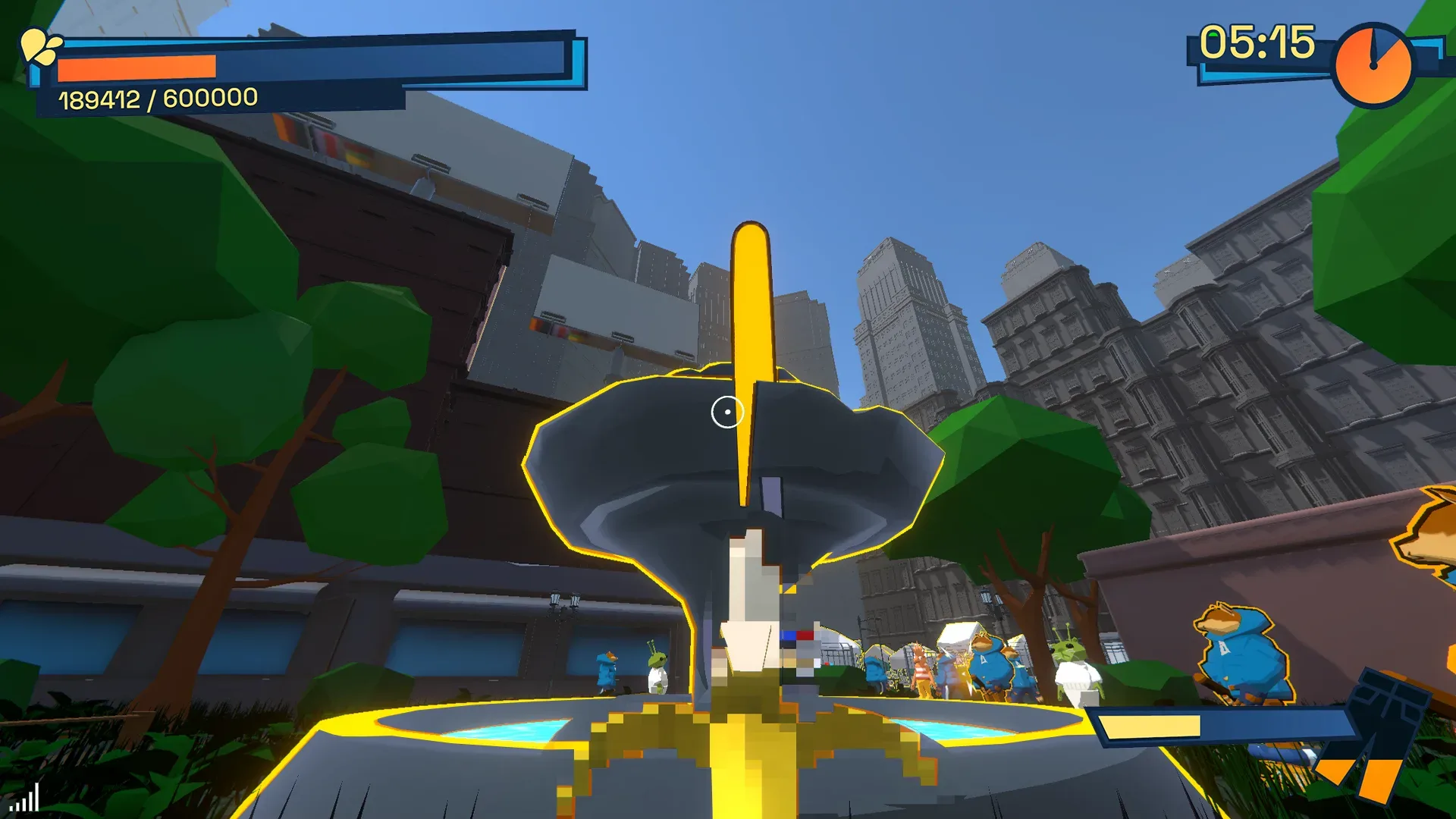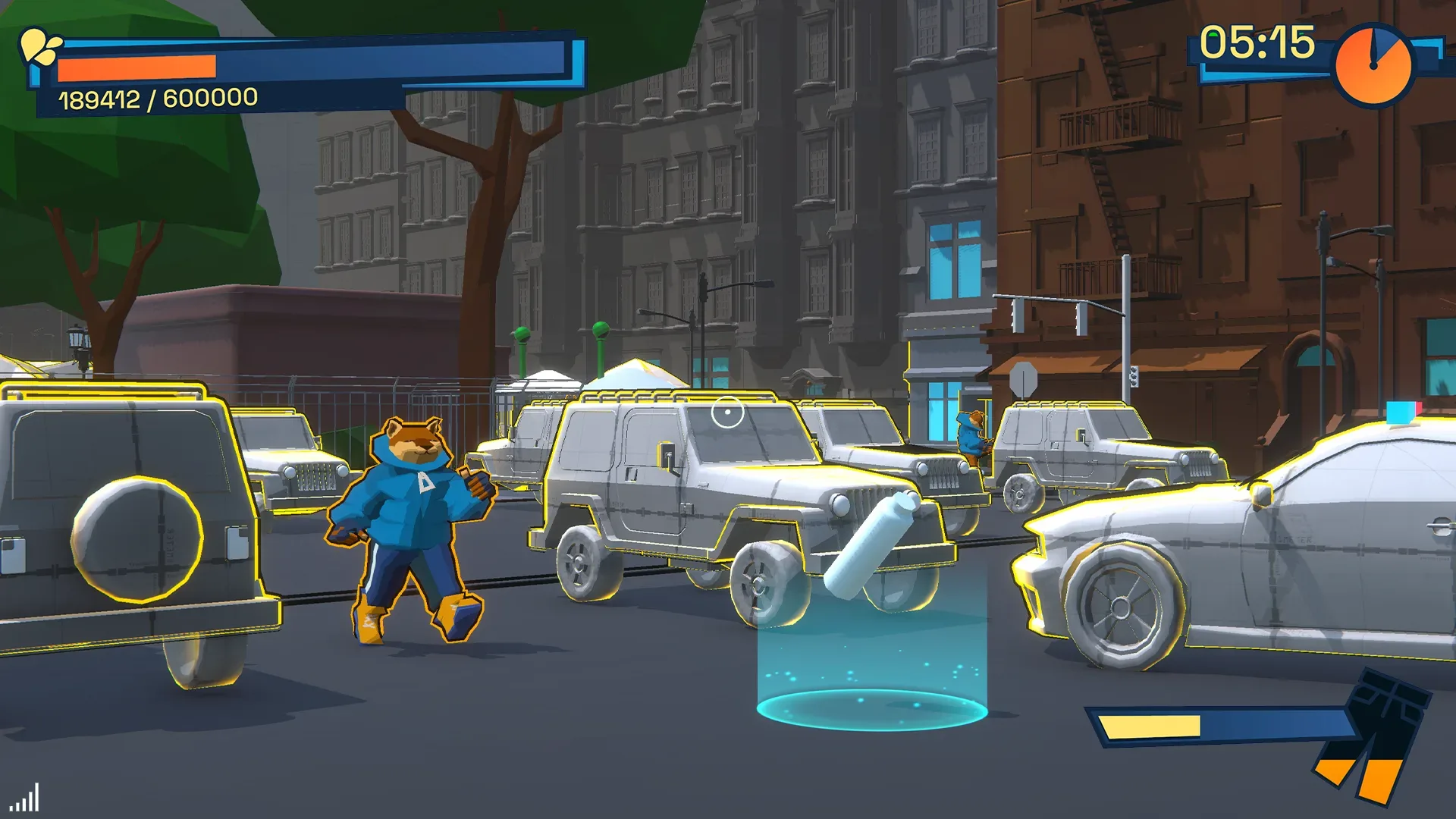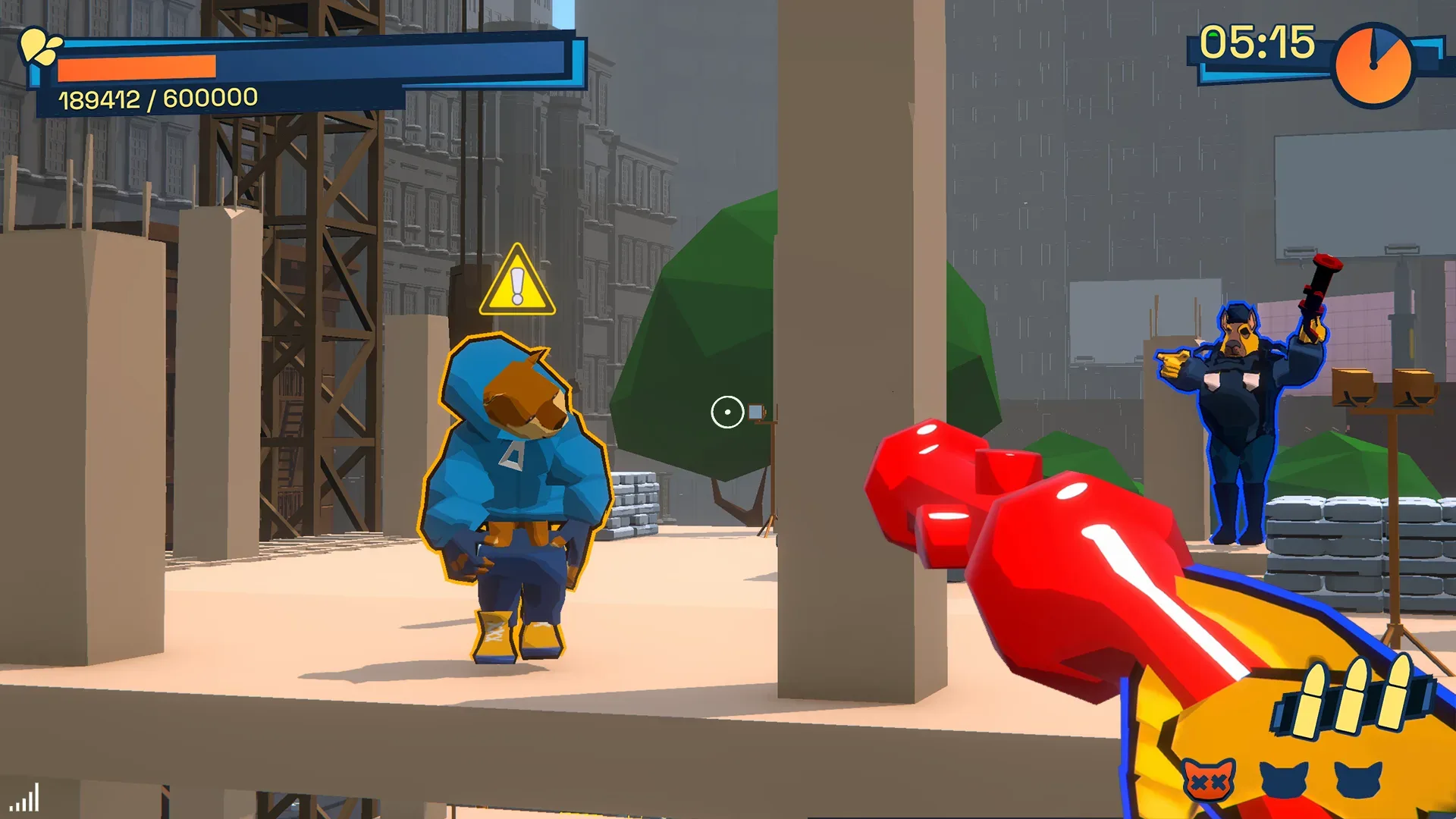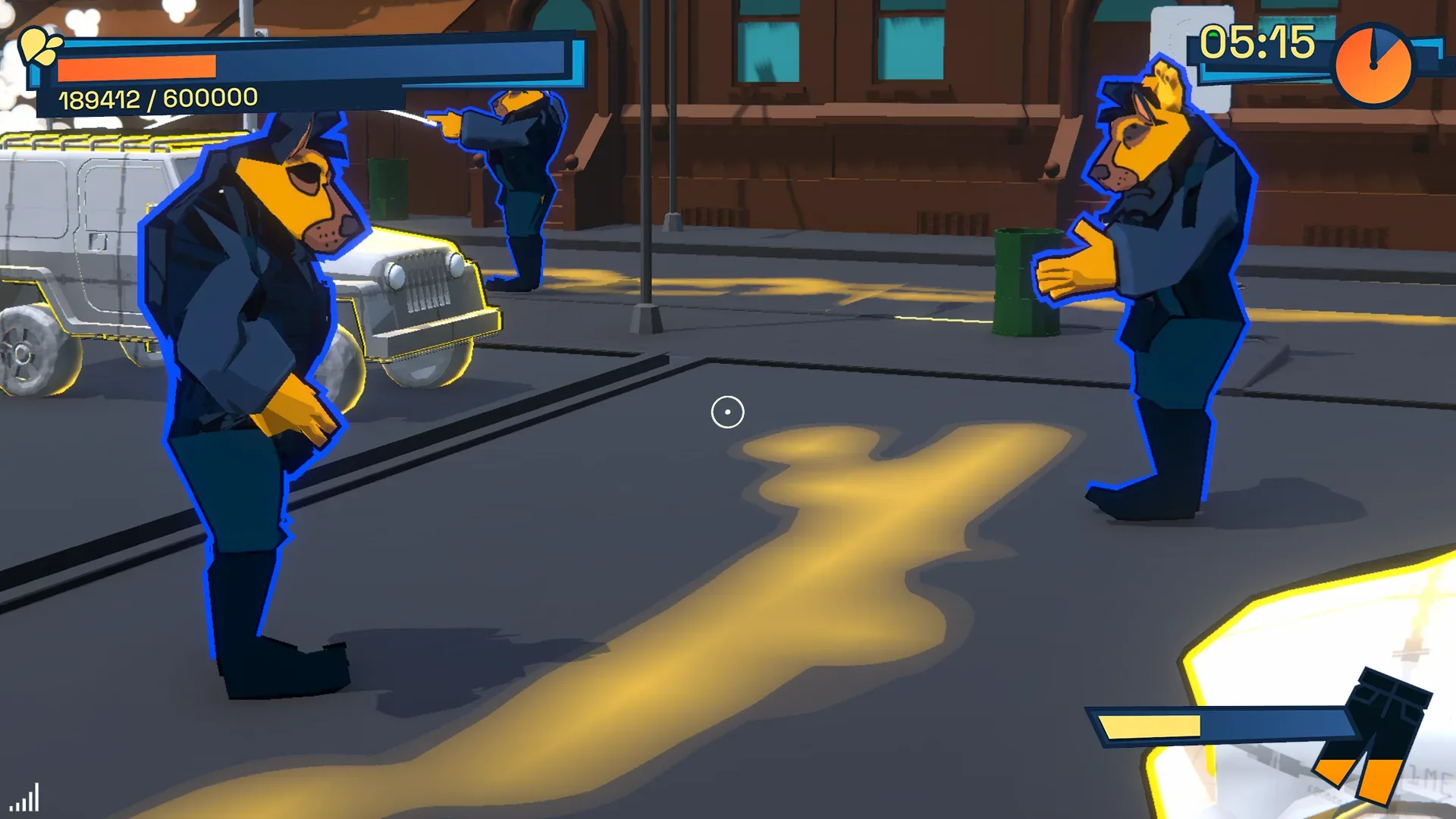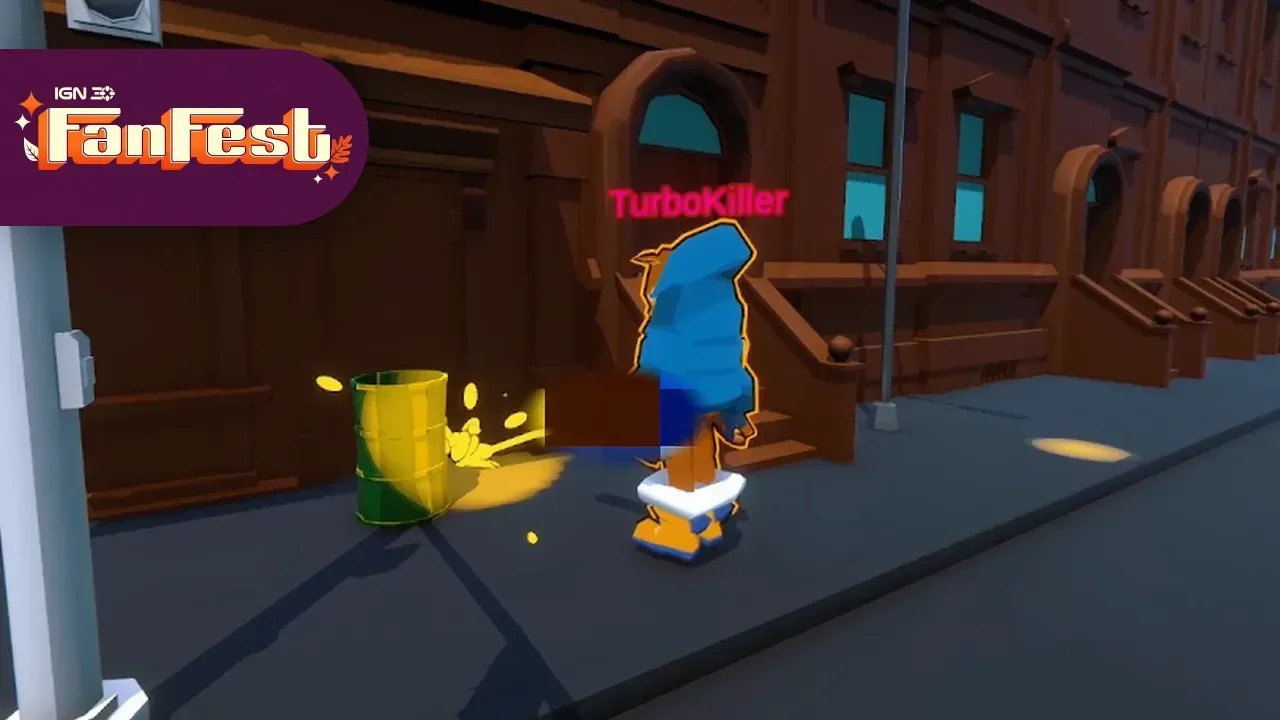
There are competitive shooters with objective modes, social-deduction games built around suspicious behavior, and stealth games that reward blending into a crowd. Urine Trouble: PEE V PEE intends to pour all three into a five-minute match, then make public urination the entire point of conflict.
CMY2K has announced the PC game as a colorful asymmetric multiplayer arena stealth shooter and “urination simulation.” Its animal-character cast is split into two five-player teams: Pissers and Police. One side tries to claim locations throughout a city and accrue enough Pee Points to win; the other must spot the players hiding among non-player characters, halt their progress and clean up contaminated territory.
It is an intentionally absurd premise, but the announced systems point to a potentially demanding multiplayer structure. Success will not appear to rest only on aim or eliminations. Pissers need to choose targets, manage their ability to keep scoring, coordinate movement and behave convincingly enough to disappear into the civilian population. Police must distinguish genuine suspects from NPCs while avoiding penalties for reckless mistakes.
How a match is meant to work
Each match is set to involve ten people: five Pissers against five Police, with a five-minute timer. The Pissers’ stated victory condition is reaching one million Pee Points before time expires.
For more context, explore Action Comics #1103 Reframes Lex Luthor’s Family History Around Letitia’s Escape Plan.
Those points come from finding Points of Interest, dropping their pants and claiming territory. A Point of Interest, in this context, is a designated meaningful location on the map rather than simply any place a player happens to stand. That framing makes the Pissers’ task an objective-driven route problem: they must locate and reach valuable places while the opposition attempts to predict where they will go.
The Police therefore are not merely defending a single fixed objective. Their role includes identifying Pissers among NPCs, placing barricades and traps, using hydrants to clean contaminated zones, and using weapons and powerups to interrupt the opposing side. The cleanup tool is especially important to the overall idea: it suggests that claimed space is something Police can actively contest rather than territory that remains permanently secured after a successful scoring attempt.
CMY2K has said lethal force exists in the game, but that does not mean indiscriminate shooting is an optimal Police strategy. Officers who shoot too many innocents face an in-game paperwork penalty before they can regain their guns. The punishment turns misidentification into a gameplay cost rather than just an awkward moment.
Asymmetry is more than different team colors
Asymmetric multiplayer means the competing sides are designed around different abilities, goals or constraints instead of mirroring one another. Here, the Pissers are the infiltrating, scoring side, while the Police are investigators and disruptors. Both teams participate in the same match, but they are solving very different problems.
Pissers are said to refill their bladders, swap out oversaturated pants and work together to keep pressure on the map. These are unusual resource-management hooks for a shooter, and their practical purpose is clear even if the finer details have not been shared: scoring cannot simply be treated as a bottomless, consequence-free action. Players will need to maintain the conditions that let them continue claiming territory.
On the other side, Police face an information problem. They must decide who is a real player and who is simply part of the environment. Their tools—barricades, traps, hydrants, weapons and powerups—provide ways to restrict movement, punish a suspected route, erase the enemy’s work or directly stop a Pisser. Yet the paperwork system means their authority is not absolute. Shooting a civilian-looking target without enough confidence can reduce their ability to respond afterward.
That push and pull gives the two teams contrasting forms of pressure. Pissers need to be obvious enough to complete objectives but inconspicuous enough to avoid being caught. Police need to intervene quickly but selectively enough to preserve access to their guns. In theory, those competing risks could create matches where observation matters as much as chasing.
Hide in plain sight is the central stealth mechanic
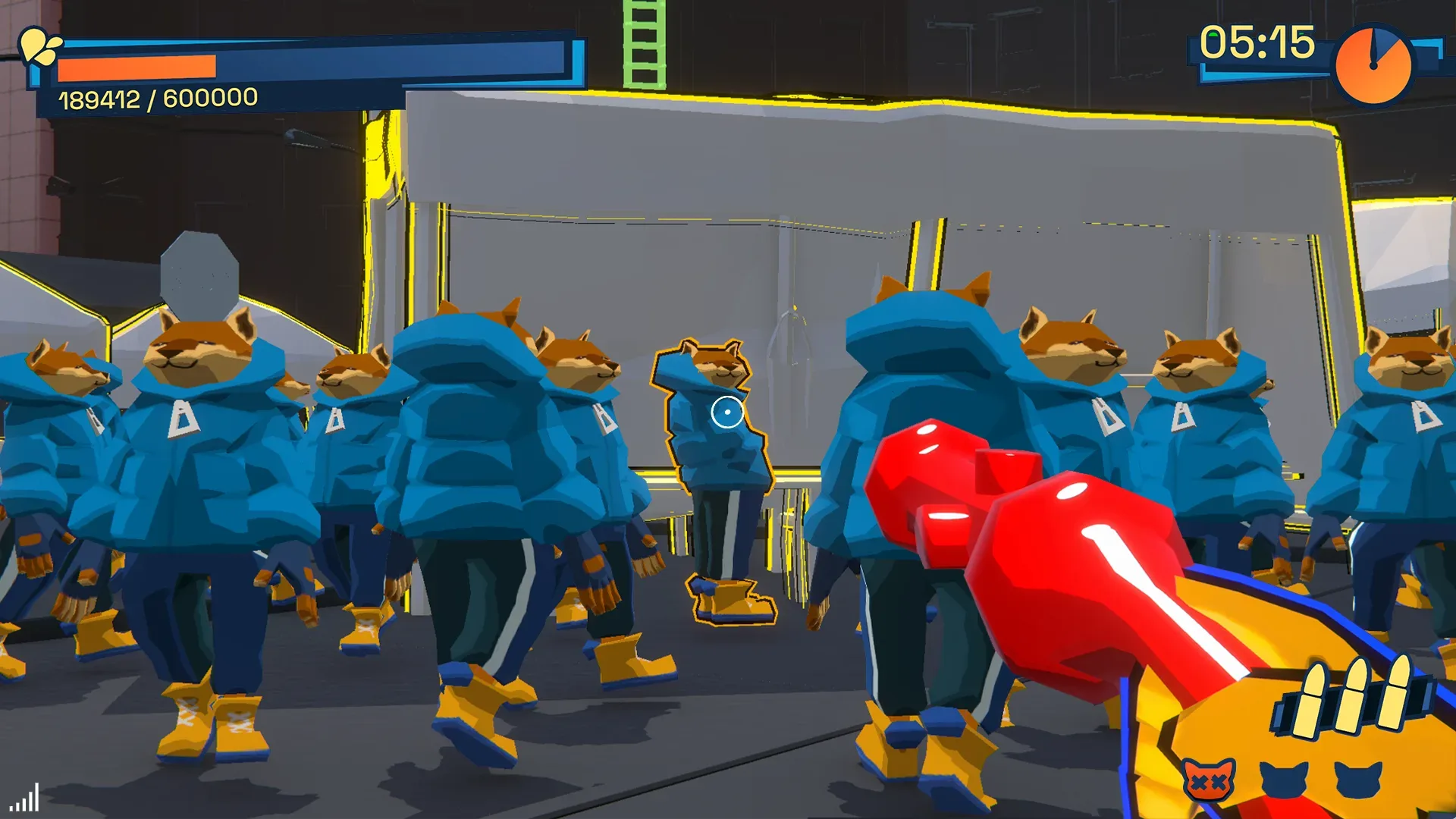
The key feature connecting the game’s shooting and stealth components is its hide-in-plain-sight system. Pissers can mimic NPC behavior to avoid identification. Rather than relying solely on invisibility, bushes or a conventional hiding spot, the announced idea asks players to look like they belong in the crowd.
This kind of mechanic changes what players watch for. A Police player may have to notice movement that seems too purposeful, behavior that does not fit nearby NPCs, a character repeatedly traveling between valuable areas, or someone acting suspiciously close to a Point of Interest. Meanwhile, a Pisser has an incentive to move and act in ways that do not immediately reveal human control.
Only the broad feature has been confirmed, so it is not yet known how detailed NPC behaviors will be, what actions give away a disguised player, or how consistently Police can verify a suspicion before acting. Those unanswered details will matter. A disguise system needs enough readable clues for defenders to make informed decisions, while still giving infiltrators room to deceive and escape.
The paperwork penalty may be the game’s answer to that tension. If every uncertain shot carried no consequence, Police could simply fire at anything that looked even slightly wrong. By applying an in-game penalty after shooting many innocents, the game appears designed to make identification part of the skill test.
Five-minute rounds could make the premise easier to learn—and harder to master
A five-minute match length puts Urine Trouble in the quick-round multiplayer category. Short sessions can make a strange competitive concept more approachable: players can pick a side, test a route or a disguise tactic, make a mistake and be back in a new round without a long commitment.
For Pissers, the timer means every detour has a cost. Refilling a bladder, replacing pants, hiding among NPCs and traveling to a Point of Interest all compete with the central requirement to build Pee Points before the clock runs out. A coordinated team may need to divide attention between scoring, distracting Police and keeping several areas under threat.
For Police, the time limit discourages passive play. They cannot wait indefinitely for conclusive evidence while the Pissers build their score. Barricades and traps could become useful for forcing Pissers into narrower choices, while hydrants give the defending team a stated way to reverse contamination instead of only chasing individual opponents.
Whether one million Pee Points will feel like a dramatic last-second target or a routine benchmark cannot be judged from the announcement alone. Nor has CMY2K detailed map count, specific powerups, progression requirements, matchmaking systems or a release date. Still, the stated round length and numerical win condition make the intended cadence easy to understand: quick, loud, objective-focused games built around a ridiculous premise but structured like a contest for map control.
Progression sits outside the individual round
Beyond the match itself, CMY2K is promoting team progression, public rank and cosmetic unlocks. These terms describe different kinds of long-term incentives. Team progression generally refers to advancement linked to a side or collective effort; public rank indicates a status that other players can see; and cosmetic unlocks alter appearance without being described as a gameplay advantage.
The announcement does not explain how any of those systems are earned or whether rank reflects competitive performance, time played, team success or another metric. It also does not describe the range of cosmetics. What is clear is that Urine Trouble is being positioned as more than a one-joke novelty mode: it is planned around repeat matches and visible progression.
That is where the contrast between the two factions could help. Players may return not only to refine aim, but to learn the other side’s decision-making. Someone who has been fooled as Police may become better at blending in as a Pisser. A Pisser repeatedly stopped by traps or route denial may gain a clearer sense of how Police can anticipate an objective run.
What has and has not been announced
CMY2K calls Urine Trouble the world’s first urine-based asymmetric multiplayer stealth shooter. That is a developer claim and a description of the game’s deliberately specific niche, rather than a feature that changes the confirmed match rules.
The concrete details currently presented are the five-versus-five structure, five-minute matches, Pee Point objective, NPC mimicry, bladder and pants management, Police traps and barricades, hydrant cleanup, weapon and powerup use, innocent-shooting penalties, plus progression, rank and cosmetic unlocks.
The game is coming to PC via Steam. No launch date, price, system requirements or other platform plans have been provided in the announcement. Players interested in the concept can reasonably expect its appeal to depend on the balance between deception and detection: Pissers need enough freedom to make their cover meaningful, and Police need enough reliable tools to respond without turning every round into indiscriminate crowd control.
For now, Urine Trouble: PEE V PEE stands out because it takes an especially silly subject and attaches it to recognizable competitive ideas—territory control, resource management, social stealth, environmental counterplay and penalties for false positives. The result is a game where the decisive skill may not be simply landing a shot. It may be knowing when not to take one.