Cozy Builder, the sandbox building game from two-person family developer Pangea Game Studios, is now available on Steam. The game is also sold through the indie.io store, with a listed price of $14.99 and a 20% launch discount on Steam.
Its premise is deliberately constructive rather than combative: players arrive in a vineyard valley that has stood quiet after an earthquake, where each home begins as a ruin. The central task is to rebuild those homes piece by piece, then turn the damaged settlement into a lived-in community again.
That combination gives Cozy Builder a clear focus. It is not simply about placing a predesigned house on an empty plot, nor is it presented as a survival challenge where construction exists mainly to fend off danger. Its buildings are the story of the place. Restoring a house means restoring an address for one of the valley’s townsfolk, while the player’s own choices determine how the valley gradually looks and feels.
Building starts with ruins rather than blank land
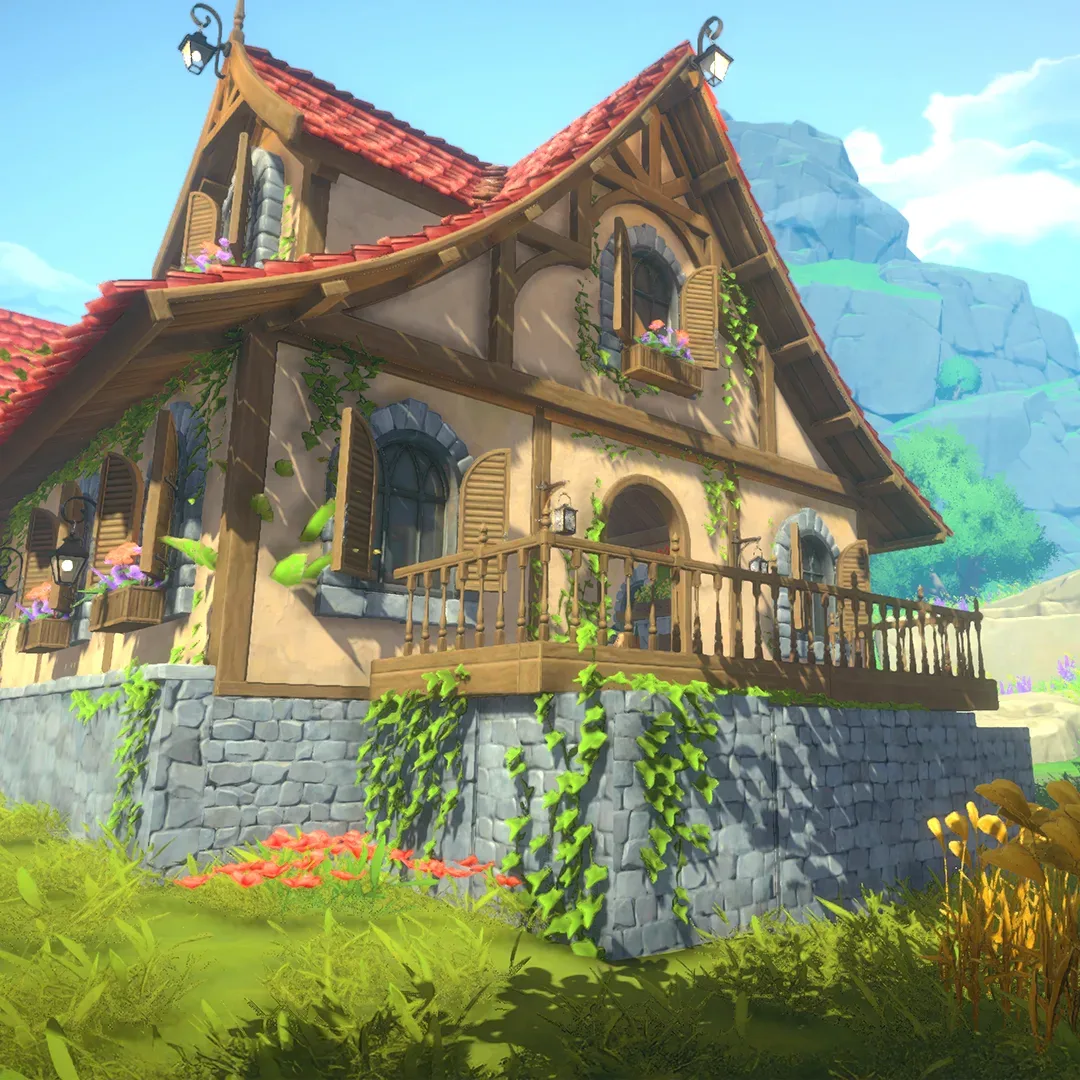
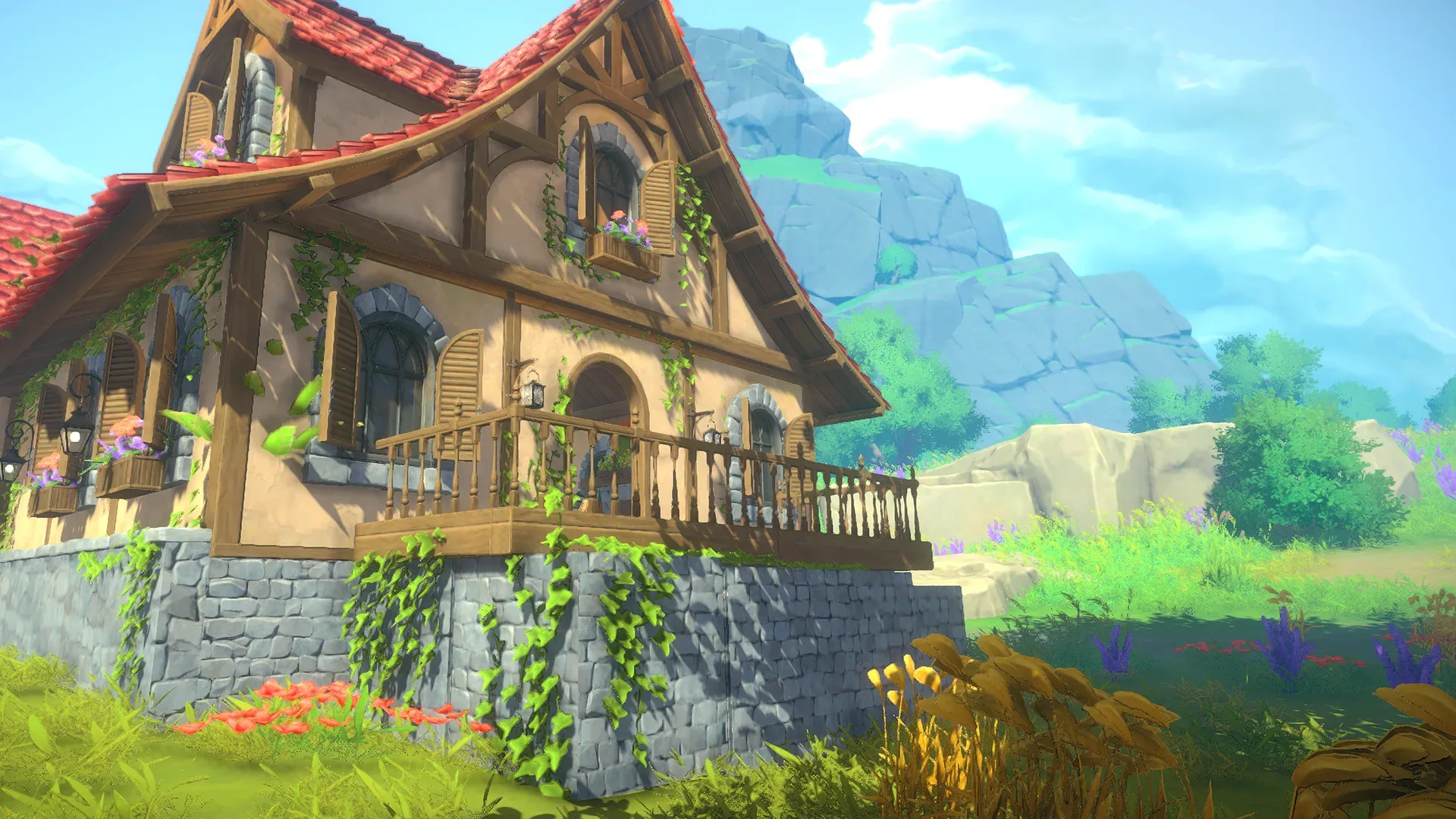
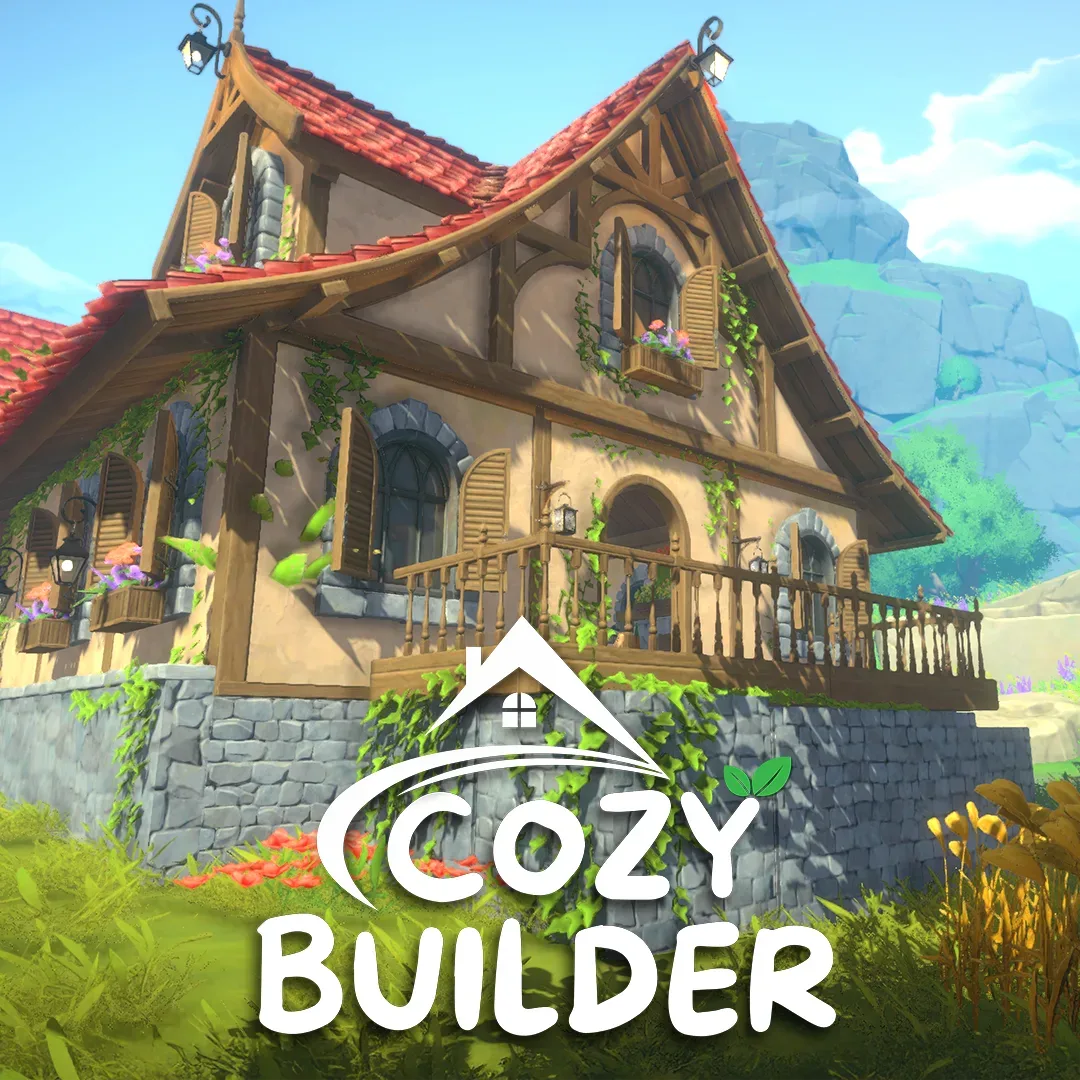
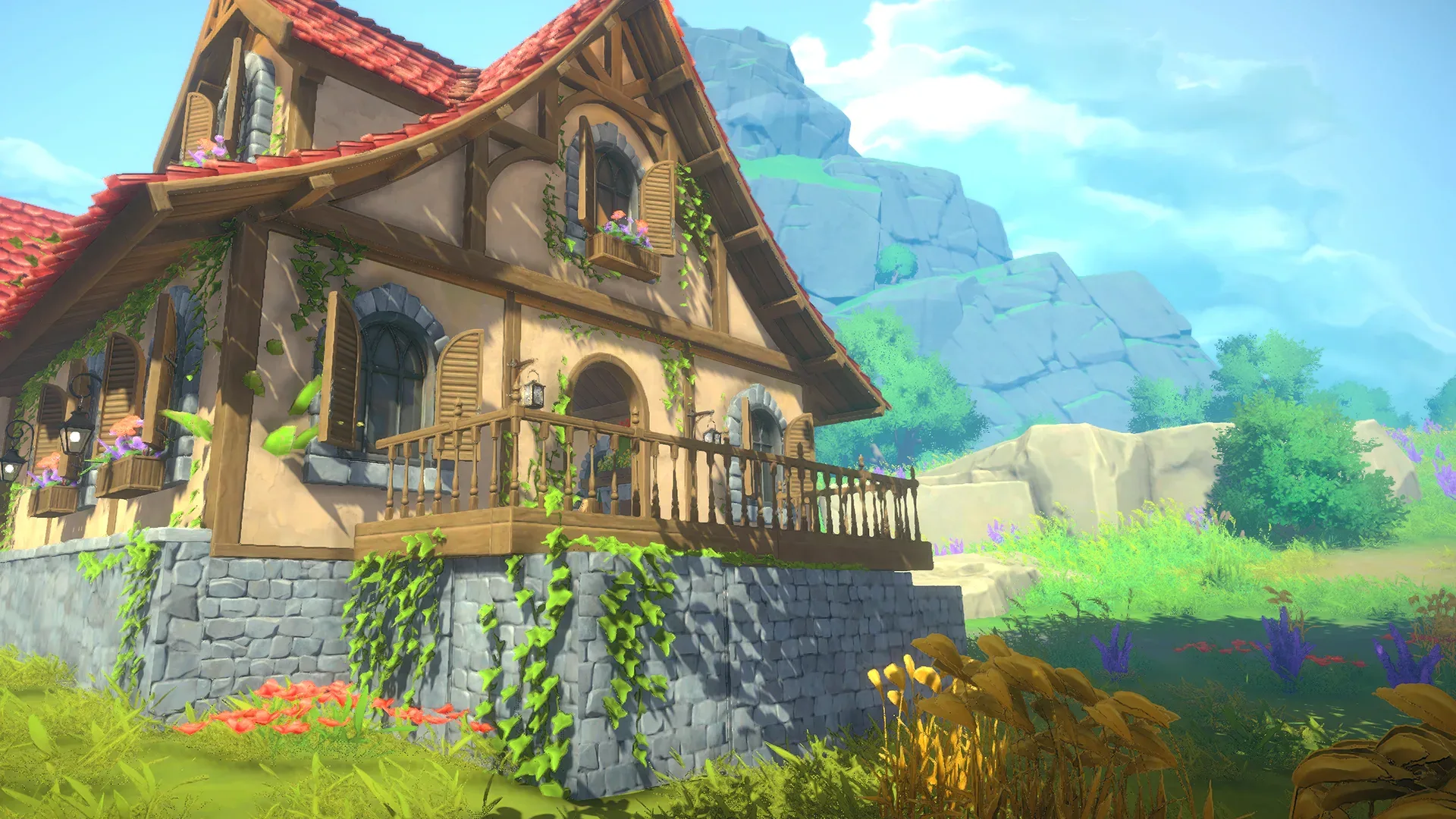
Cozy Builder’s construction system uses individual architectural elements, including dormers, arches, gabled roofs and curved glass walls. In practical terms, that means the game’s building vocabulary extends beyond basic walls and roof panels. A dormer is a structure that projects from a sloped roof, typically containing a window; a gabled roof is the familiar pitched roof shape with triangular ends. Curved glass walls and arches, meanwhile, open the door to structures that can look less boxy and more ornamental.
The important promise is freedom of arrangement. Each ruined home can be rebuilt piece by piece, and there is no required house style. Players can pursue a traditional vineyard-village look, make use of glass and more unusual forms, or mix different elements as they see fit. The game does not frame one visual language as the correct solution.
That absence of a prescribed style should matter to players who enjoy building as an expressive activity. In games with strict objectives, construction is often judged mainly by efficiency: whether a room satisfies a requirement, whether a roof covers the right footprint, or whether a structure unlocks the next task. Cozy Builder instead positions the home itself as a personal project. The materials named so far suggest a system meant to support silhouettes, facades and details, not just the minimum viable shelter.
The full release also expands beyond the previously available demo. Players now have access to the rest of the valley, additional building pieces and more hillside to explore. That framing is useful for anyone who played the demo: the release is described as an expansion in scope, with more territory and construction options rather than merely a separate starting point.
Decoration is meant to reach inside and outside
Cozy Builder does not stop at the exterior shell. Decoration can cover surfaces from kitchen shelves to exterior ivy, giving players room to decide both what a house looks like from the road and how it feels inside. Small details can be meaningful in a builder centered on rehabilitation: a repaired roof establishes that a building is standing again, while a furnished shelf or ivy-covered wall helps sell it as somewhere with a character of its own.
There is also a greenhouse, tied to rare plants discovered during exploration. A greenhouse is more than another decorative structure in this context. It provides a home for unusual plants found around the valley and creates a connection between roaming the hillsides and shaping a personal space. The loop is straightforward: explore, find plants, bring them back, and incorporate them into the rebuilt settlement.
The setting is populated rather than abandoned permanently. Townsfolk live in the valley, and restored houses become their addresses again. Players can meet and live alongside those locals. The supplied details do not lay out a schedule of relationship systems, dialogue mechanics or specific residents, so those elements remain unknown. What is clear is that housing restoration has a social purpose inside the game world, not solely a cosmetic one.
Foraging and production give the valley a slower rhythm
Beyond construction and decorating, Cozy Builder includes foraging and production activities. The valley’s hillsides provide grapes and olives, while players can find herbs, wildflowers and rare plants. These materials can be made into wine, jam and preserves.
“Foraging” generally refers to gathering useful natural resources directly from the environment rather than buying or growing every ingredient in a dedicated field. Here, it appears to be part of the exploration layer: moving around the valley can produce plants and other materials that feed back into crafting. “Production,” in turn, describes turning raw ingredients into finished goods. Grapes becoming wine and fruit becoming jam or preserves are examples of that transformation.
This gives the game a domestic, place-based set of activities that fits the vineyard setting. Rather than treating the hillsides as empty scenery between construction sites, the design makes them a source of ingredients and rare finds. The greenhouse reinforces that structure by giving particular value to plants discovered during exploration.
Cooking, treasure hunting and gem cutting are also included. Gem cutting refers to shaping or preparing gems, while treasure hunting adds a reason to search the world beyond collecting botanical ingredients. The available details do not specify recipes, treasure types, gem varieties or how these systems connect to progression, so it would be premature to assume deeper economic rules. Still, their presence broadens the moment-to-moment activity set considerably: a player can spend time on a house, head out to explore, gather supplies, process materials, cook, search for treasure, or work with gems.
No combat, deadline or fail state
Perhaps the most defining design choice is what Cozy Builder explicitly leaves out. It has no combat, no fail state and no time limit.
A fail state is a condition in which the game declares an attempt unsuccessful, often sending the player back to a checkpoint, removing progress or otherwise imposing a penalty. By saying there is no fail state, Cozy Builder signals that the player is not expected to lose a fight, miss a strict deadline or be pushed into a conventional game-over sequence. With no time limit, players can also approach the rebuild at their own pace rather than optimizing every activity around a clock.
That does not automatically mean there are no goals. Restoring the valley, placing homes for townsfolk, collecting plants and creating goods all provide direction. The distinction is between having things to do and being punished for doing them slowly or imperfectly. For players looking for a creative project after a demanding game, this may be the most useful practical detail: there is room to pause a half-finished house, spend an evening gathering herbs, and return later without the stated pressure of combat or countdowns.
It also helps define Cozy Builder’s audience. The game is likely to appeal to players who want construction tools and environmental exploration but do not want their building time interrupted by enemies. Anyone comparing it with a controller-based PC setup may also want to keep an eye on hardware options such as the Xbox Nano Controller, though Cozy Builder’s supplied launch details do not specify controller support.
Solo rebuilding or shared hillsides
The full game includes character creation, allowing players to make a character who is present in the valley. That is a notable addition for a game built around making a place one’s own: the player is not only arranging homes for other people, but also represented within the community they are helping restore.
Cozy Builder can be completed solo from beginning to end, or played in online co-op with one friend. Co-op players can share a house or work on separate hillsides. Those two approaches point to distinct kinds of collaboration. Sharing a house supports a joint design project, in which both players contribute to one dwelling and negotiate its layout or decoration. Separate hillsides, by contrast, allow each person to pursue a more independent restoration project while remaining in the same valley.
The release information does not specify cross-platform support, local multiplayer, maximum player counts beyond the named friend, save-sharing details or other online requirements. The confirmed option is online co-op for two people, alongside a full solo route.
What players can expect at launch
- Platform: Steam, with an additional release on the indie.io store.
- Price: $14.99, with a 20% Steam launch discount.
- Developer: Pangea Game Studios, a two-person family studio.
- Core setting: A vineyard valley recovering from an earthquake, with homes that begin in ruins.
- Creative tools: Piece-by-piece construction, architectural elements, interior decoration and exterior details such as ivy.
- Activities: Foraging, crafting wine, jam and preserves, cooking, treasure hunting and gem cutting.
- Pressure level: No combat, fail state or time limit.
- Play options: Solo play or online co-op with one friend.
Cozy Builder’s launch pitch is consistent: it is a rebuilding game where restoration is both the main creative act and the way a quiet valley becomes active again. Its house pieces, decorative freedom, greenhouse and hillside resources suggest a game intended to reward unhurried experimentation. For players who prefer a construction sandbox with a gentler set of stakes, the combination of architecture, foraging and two-player online cooperation is the central appeal.