Some co-op games ask players to cover each other. FLING UP TOGETHER goes further: it ties them together.
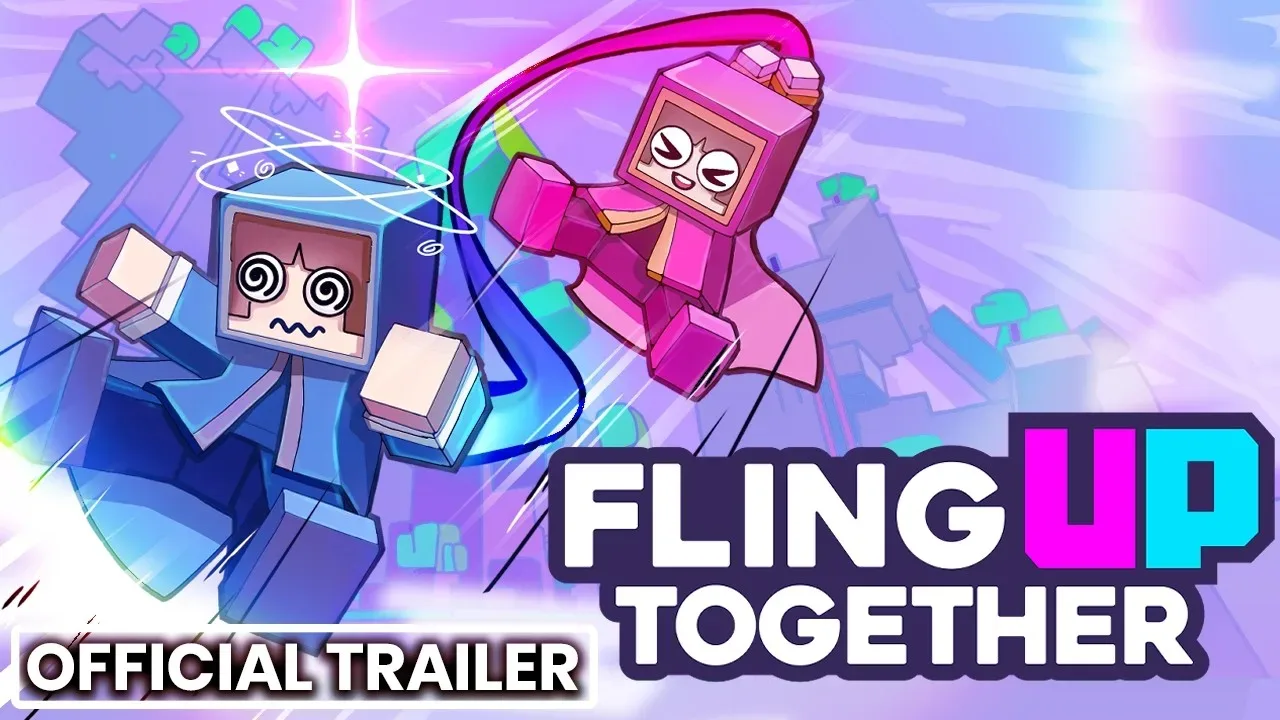
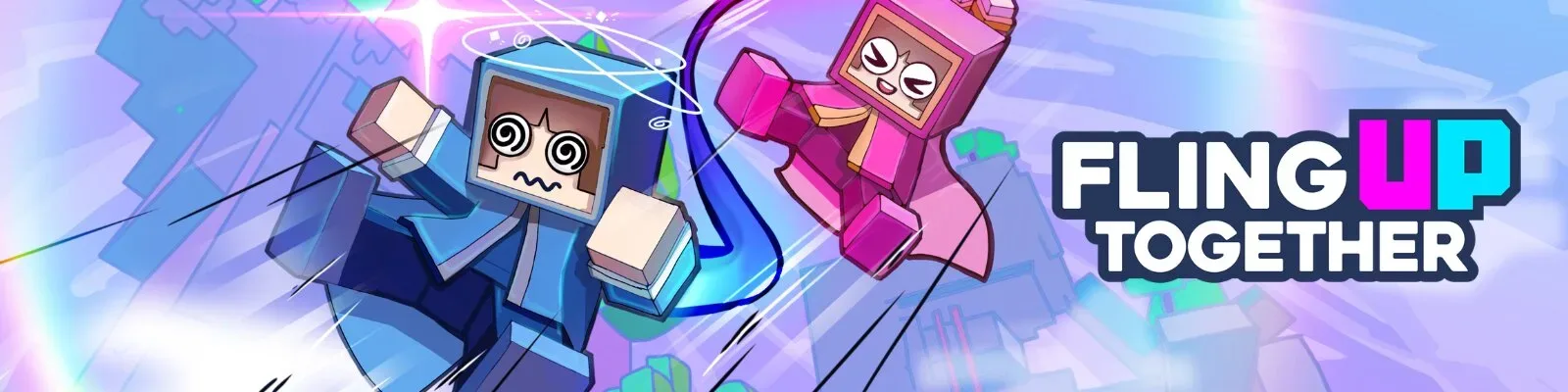
OFF BOX Studios released a gameplay trailer for the two-player physics platformer on October 6, alongside confirmation that a free demo is now available on Steam. Its central rule is blunt and wonderfully threatening: two players share a single rope while climbing a vertical world, and one player falling resets the run for both.
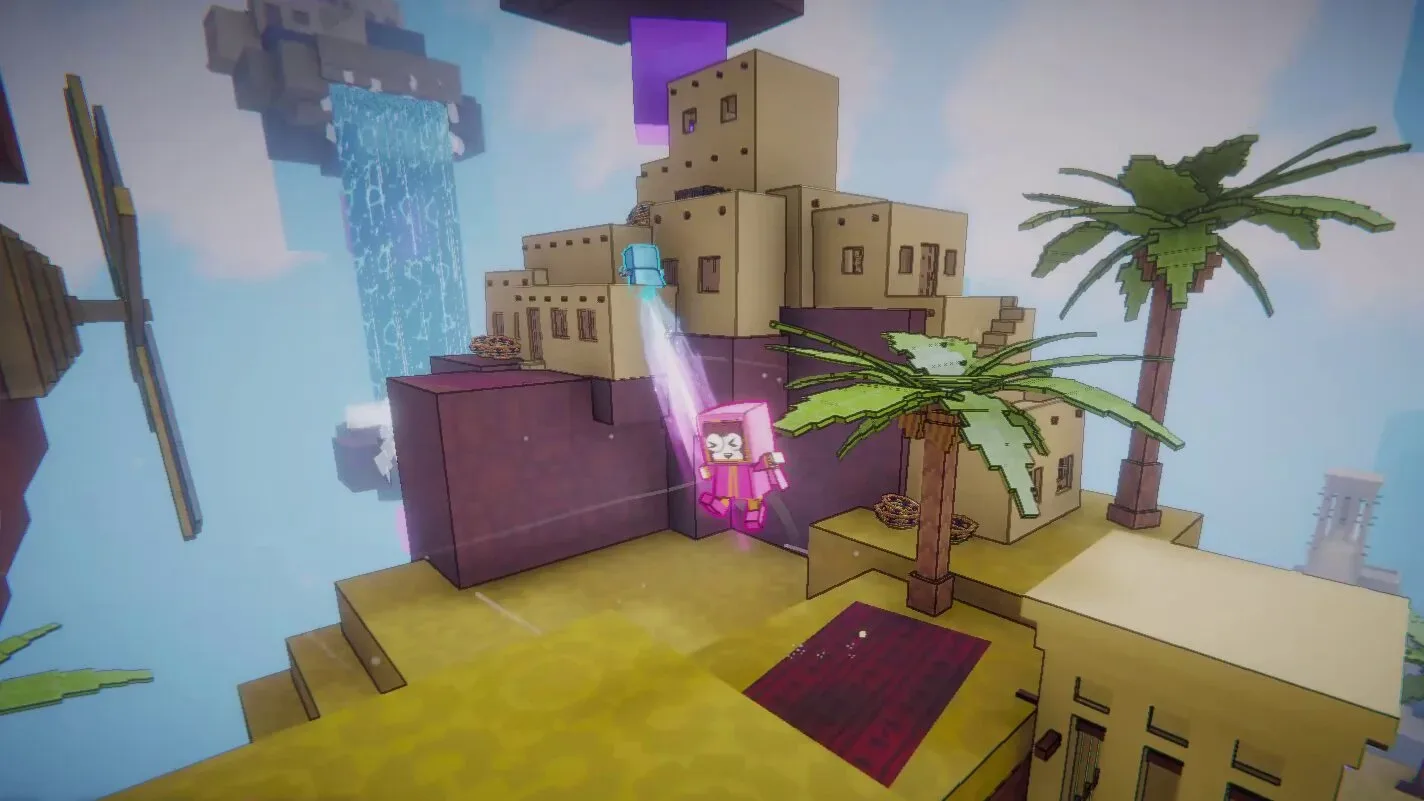
That premise makes the rope more than a visual connection or a passive restriction. It is the game’s key movement tool, the rescue line, the route to a dramatic launch across a gap, and potentially the reason two friends immediately begin assigning fault. Players can pull and fling one another, catch a teammate during a fall, or wreck a promising attempt with a badly timed tug.
The result is a co-op platformer where progress is explicitly collective. There is no version of success in which one person simply carries the other to the finish while their partner waits safely behind. Every climb requires the pair to manage movement, rope tension and timing together.
For another unusual cooperative Steam premise, see Crack, a co-op game built around opening one enormous reactive mystery egg.
One rope, no safety net for the partnership
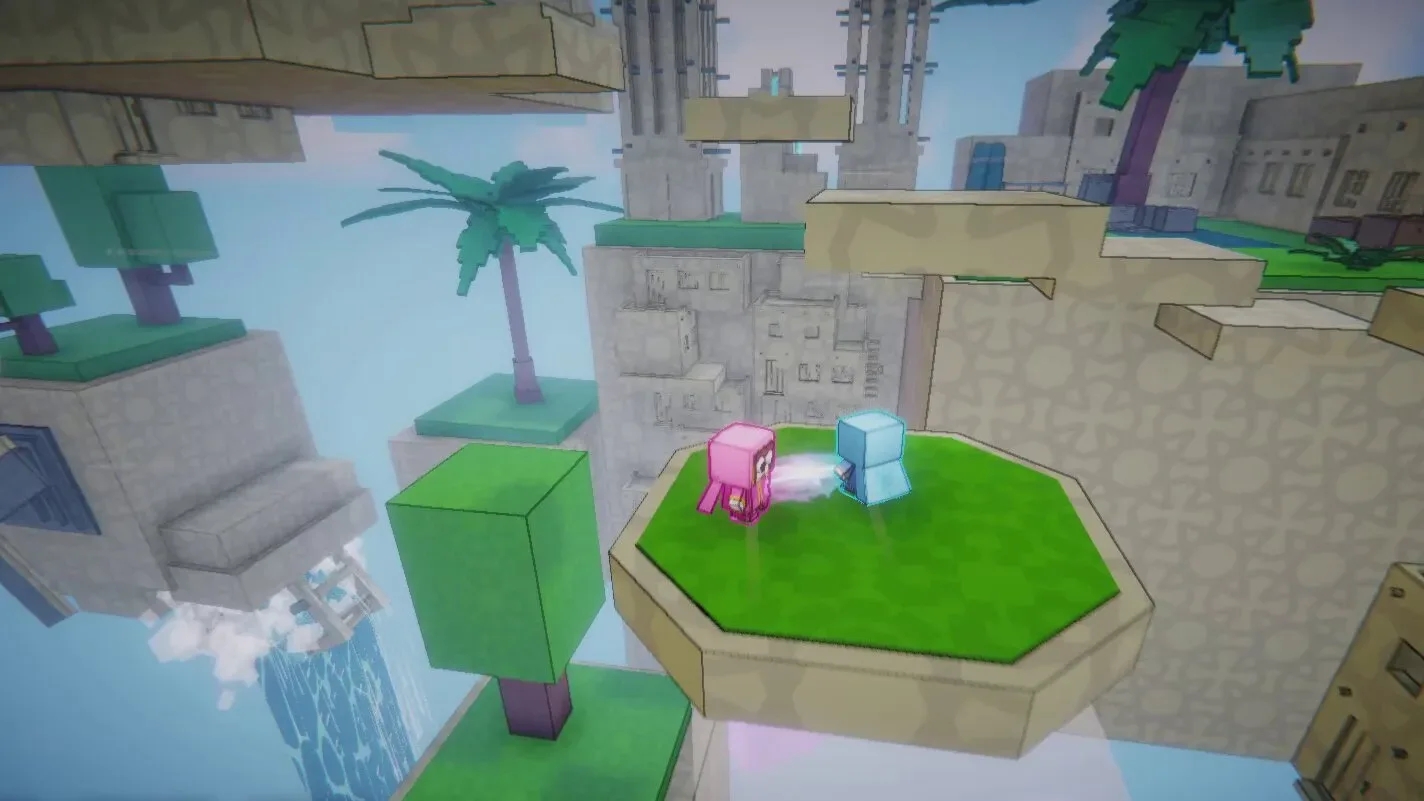
FLING UP TOGETHER is set across a rising environment of sky islands, floating ruins and monumental bridges. The vertical design is important: climbing games naturally turn a missed jump into lost height, but the stated reset rule adds a much sharper consequence. A fall is not merely one player’s setback. It wipes out the team’s current run.
That structure gives every choice a social dimension. One player may see an opportunity to make a fast swing or force a launch. The other may be lining up a careful landing. Since either player can pull at any time, a move that feels helpful from one side of the rope can become chaos from the other.
Ragdoll physics, as described for the game, means character movement is designed to produce loose, reactive physical outcomes rather than perfectly rigid animation. In practical terms, that supports the game’s intended comedy: a rescue can become a collision, a powerful fling can become an overshoot, and a valiant effort to stabilize the rope can turn into an accidental trip toward the void.
The developer is framing those failures as part of the entertainment rather than an interruption to it. Silly characters, moving obstacles and physics-driven mishaps are all part of that approach. The game is therefore not just about precise execution; it is about dealing with the unexpected result of two people acting on the same system at once.
Colour-coded platforms create an additional co-op puzzle
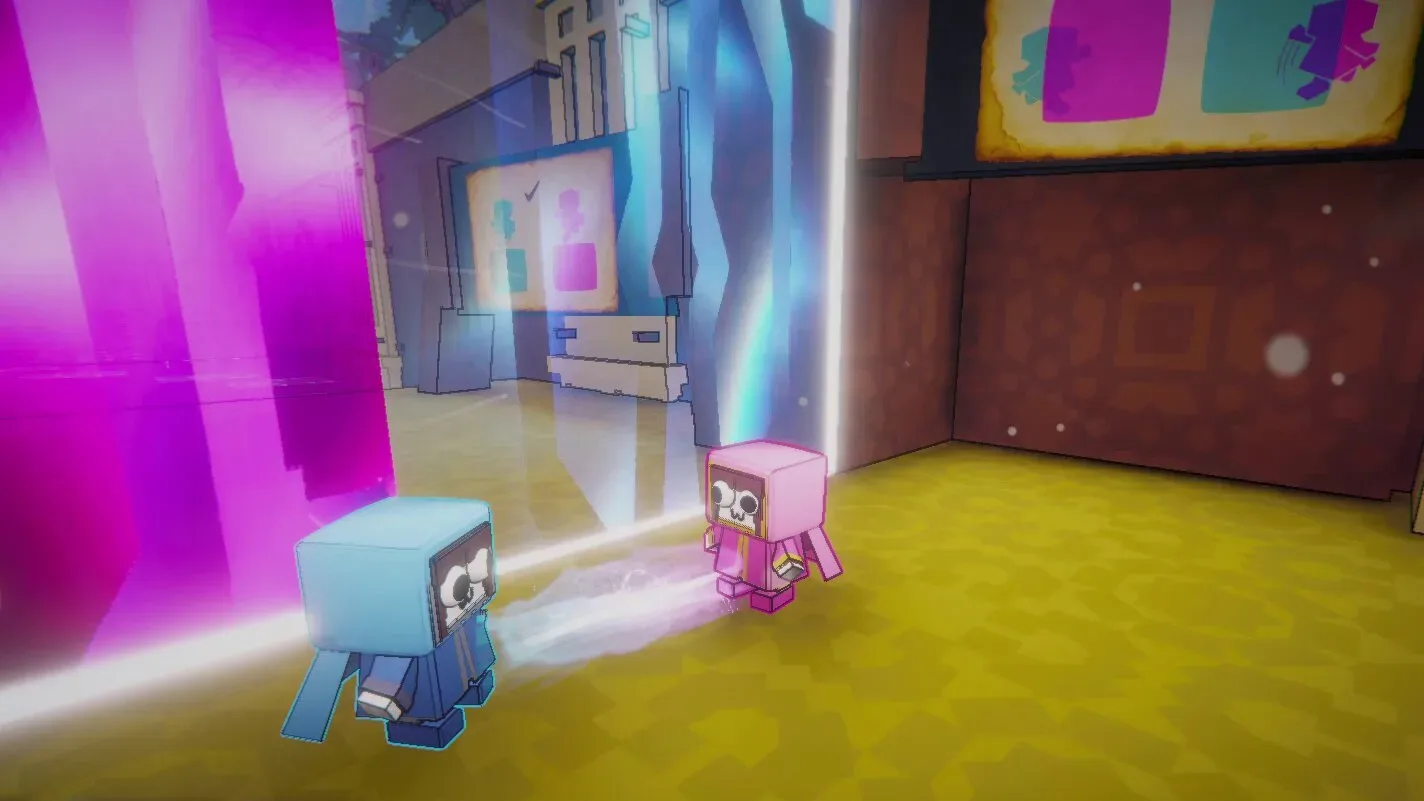
The shared rope is only one layer of interdependence. FLING UP TOGETHER also uses colour-coded platforms. Each player can stand only on platforms that match their own colour.
That rule changes a conventional platforming route into a two-person logistics problem. A platform that is stable ground for one player may be unusable to the other. To make progress, one partner may need to take a route first, establish a position, then physically haul their teammate over a section they cannot stand on themselves.
Interdependence is the useful term here. It means each player’s options are tied to the other’s actions rather than simply running alongside them. In this case, the design combines two forms of interdependence: the rope means the players’ movement is mechanically linked, while the colour system means their available footholds differ.
Those constraints could make communication especially valuable. Partners will need to identify who can use the next platform, decide whether to swing or pull, and avoid changing direction at the exact moment the other person commits to a jump. The game’s premise leaves ample room for the kind of brief, urgent callouts that become essential in co-op play: wait, pull, jump, catch and—after the reset—sorry.
The trailer’s promise is collaborative chaos, not solo mastery
Physics platformers often put the focus on momentum, timing and the ability to recover from an awkward landing. FLING UP TOGETHER applies those ideas to a shared object: the rope. Each player has agency over it, which means the pair must work through both intentional maneuvers and unintended interference.
A well-executed fling can send a partner across a gap. A catch can preserve a run that looked finished. But the same freedom can lead to a mistimed pull that drags a teammate away from safety. The game’s stated one-fall reset ensures that these incidents matter, while its comedic presentation suggests that the disaster itself is meant to be memorable.
That balance is crucial to the pitch. Failure can be frustrating when it feels detached from player decisions. Here, the failure is closely tied to the interactions between two players: a rushed launch, crossed signals, a late catch attempt or a moment where both people try to correct the rope in opposite directions. Even when an attempt ends badly, it should be possible for the pair to understand what happened—and argue about who pressed what.
Moving obstacles add another element to the timing equation. Players are not just coordinating with each other and the rope; they also need to choose an opening through a changing environment. A safe plan may stop being safe by the time both characters arrive, particularly when one partner has to set up a route before bringing the other along.
What the demo can clarify
The free Steam demo is the immediate way for interested pairs to gauge whether the game’s particular brand of shared mayhem suits them. The available details establish the central mechanics, but several practical questions are naturally best answered through playing: how much control players have while airborne, how demanding the colour-platform routes become, and how forgiving the timing feels when attempting a rescue or coordinated fling.
What is already clear is the intended audience dynamic. FLING UP TOGETHER is designed for exactly two players and centers its sessions on communication, shared wins and highly visible mistakes. It is likely to appeal most to duos who enjoy turning failed attempts into stories, rather than treating every reset as a reason to quietly reconsider the friendship.
The trailer released October 6 presents a straightforward proposition: climb higher through a world of floating structures with one other person attached to the same rope, then try not to let one impulsive pull send both of you back to the start. The demo is available on Steam now for players ready to test whether their teamwork can survive the first big swing.