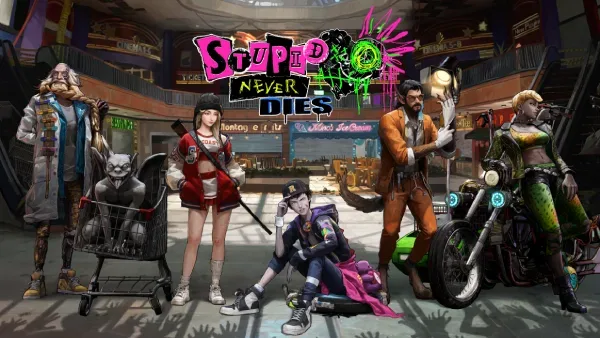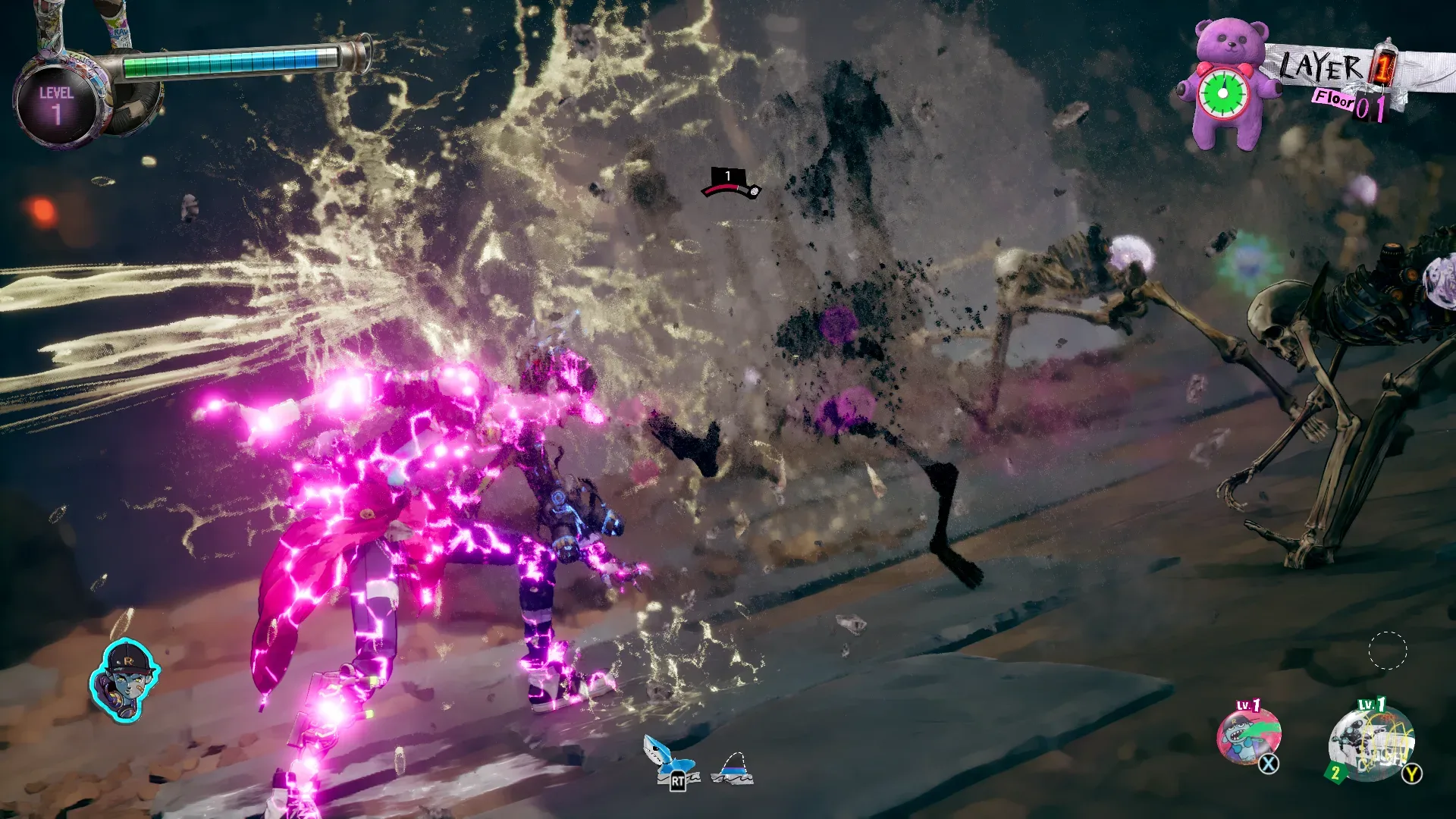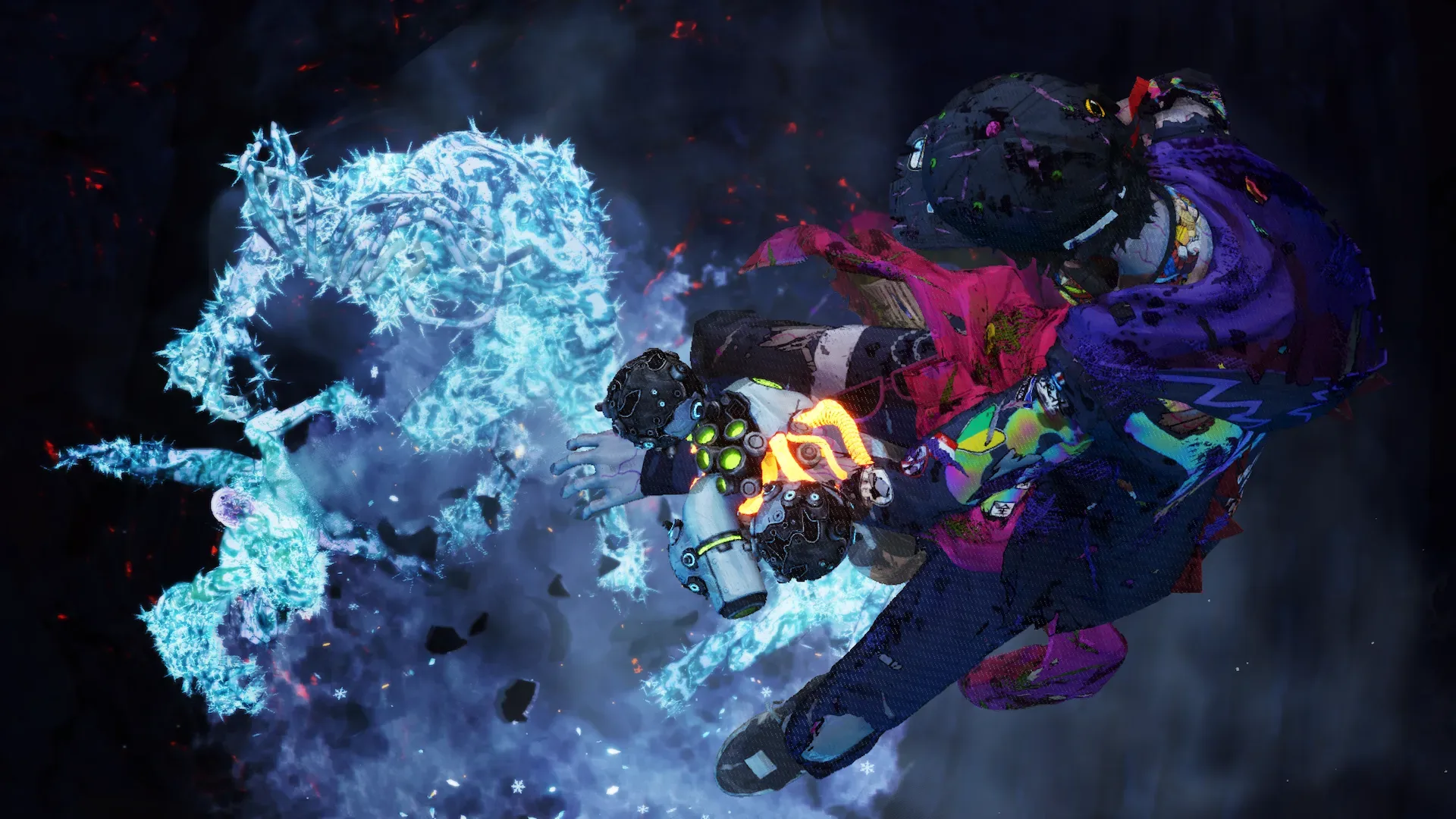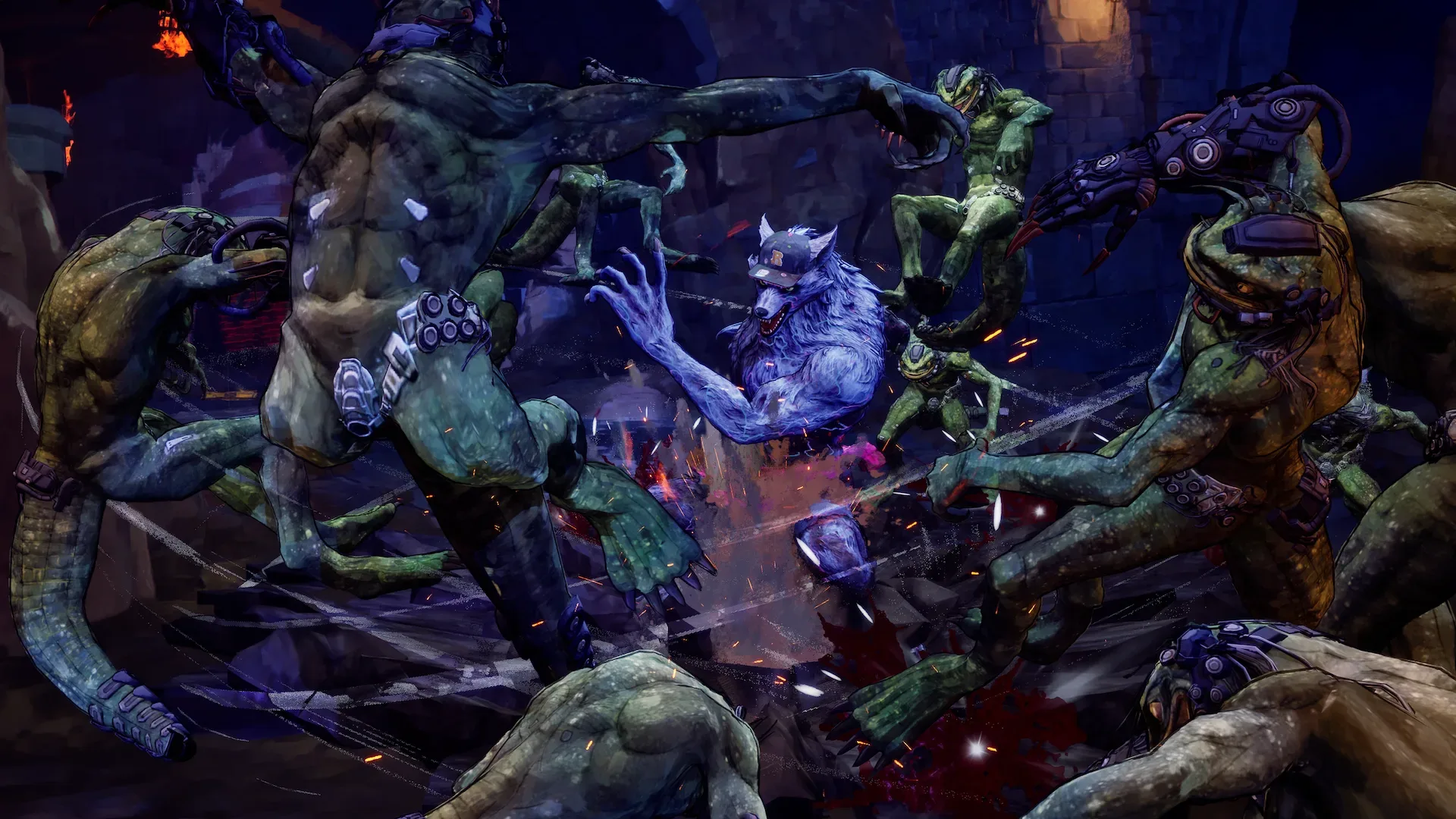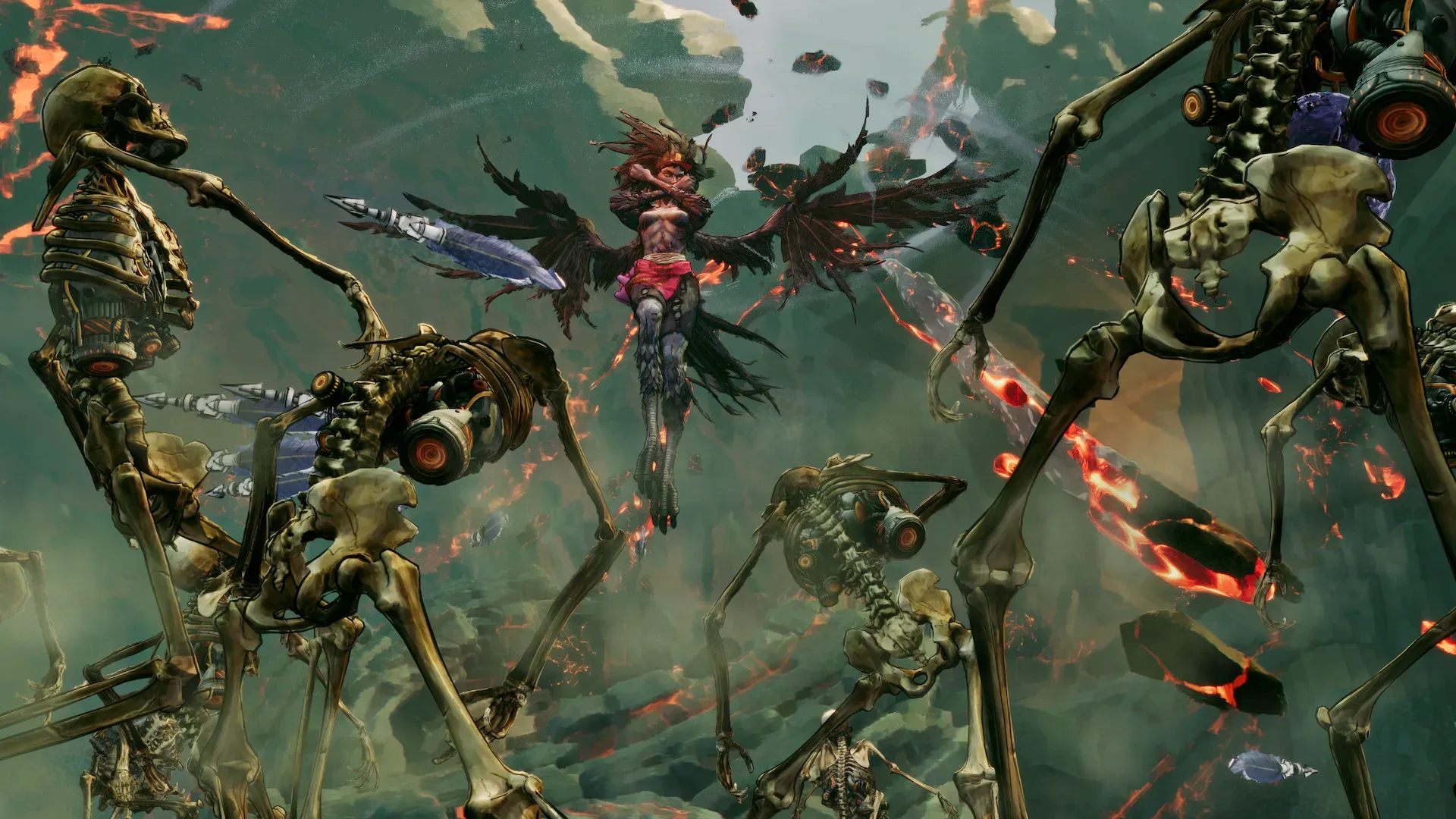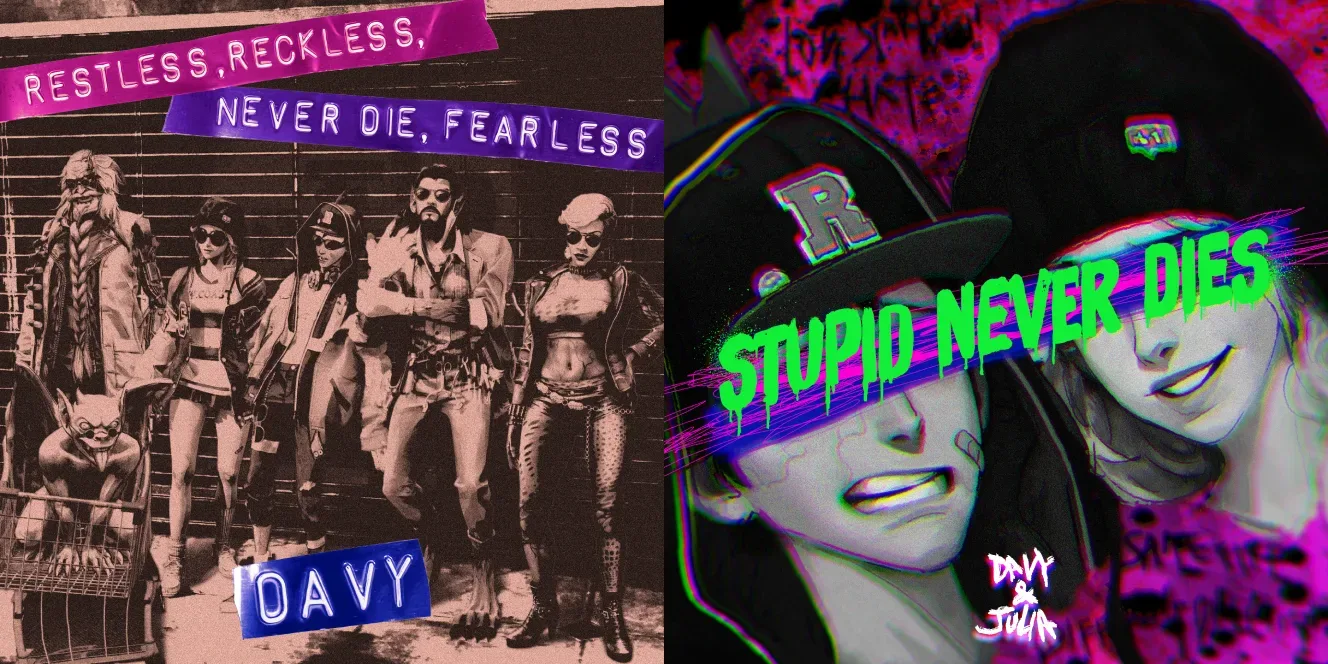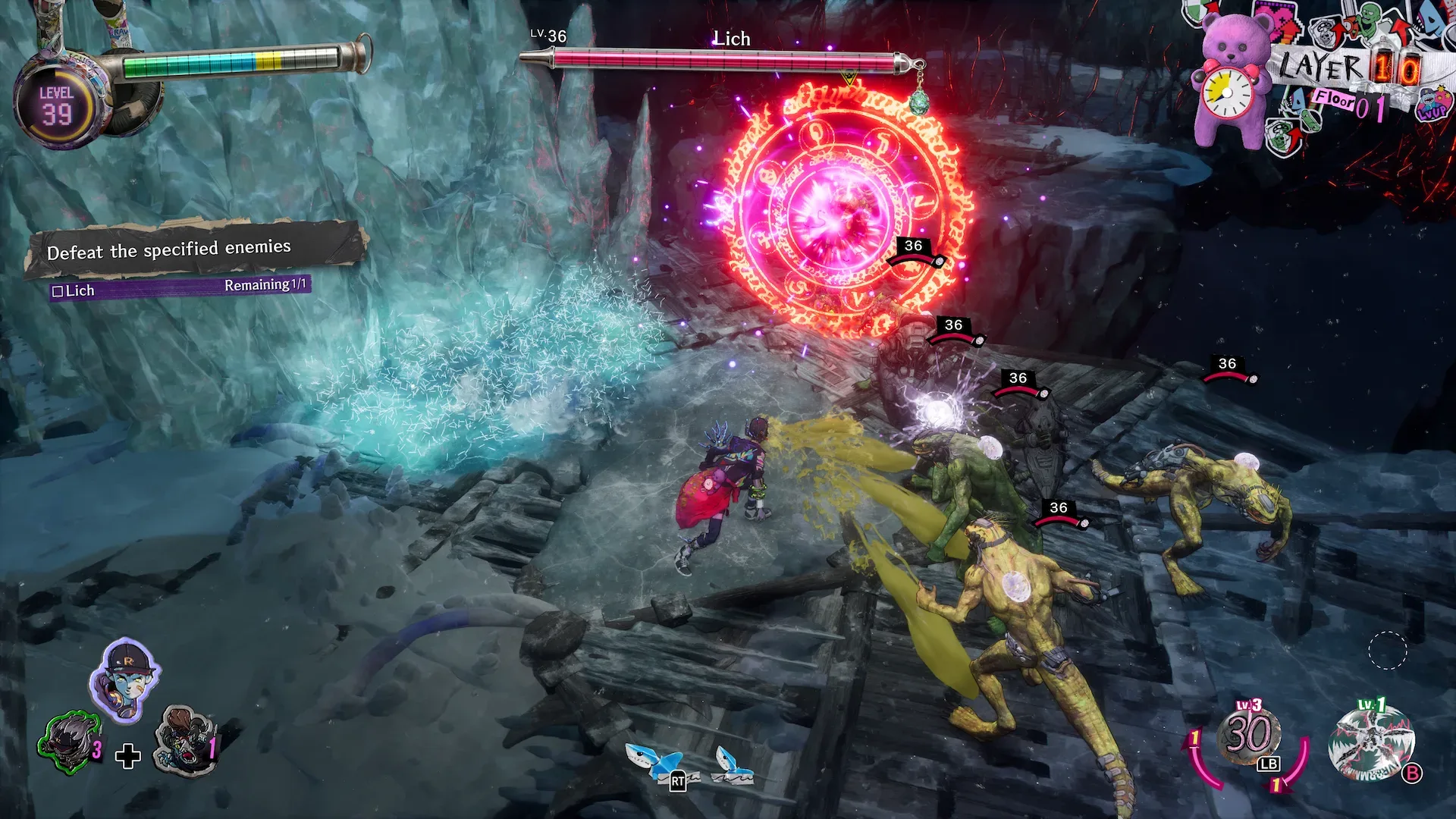
Stupid Never Dies is putting its art direction at the centre of its latest pre-launch video. Deep Bite #4 – Art focuses on the “neo pop punk” visual language behind GPTRACK50’s single-player 3D action RPG, where hand-drawn linework meets 3D characters and environments, nostalgic colour choices meet modern presentation, and even interface elements are intended to feel personal to protagonist Davy.
The full game is scheduled for PC via Steam and PlayStation 5 on October 21, 2026, with a Japanese release set for October 22. A playable introduction, Stupid Never Dies: First Bite, is currently available on Steam and PS5.
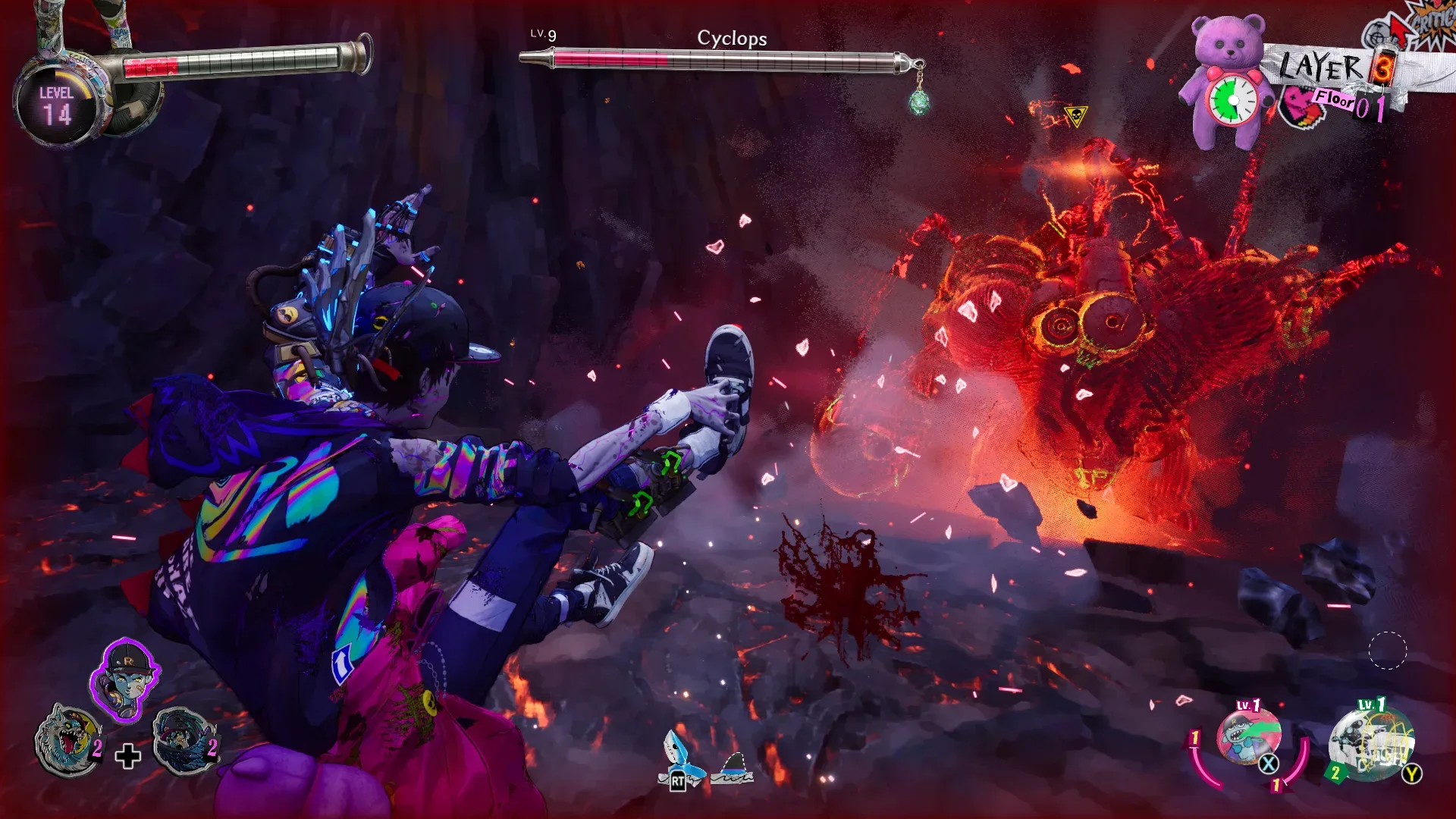
At a basic level, the new video is about aesthetics. More importantly, it frames art as a readable part of the game’s action-RPG systems. The visual treatment is not only there to make Davy’s bizarre world look distinct; it is also intended to communicate the danger of monsters and dungeons as Over Technology, or OT, becomes more severe.
A hand-crafted 3D world from Davy’s point of view
GPTRACK50 describes the game’s approach as neo pop punk: a blend built around colours and styles connected with a nostalgic sound, alongside a deliberate mix of familiar references and contemporary design. The visual result combines conventional 3D models with hand-drawn lines. That pairing matters because it lets surfaces retain dimensionality while avoiding an overly clean, uniform digital finish.
In practical terms, hand-drawn linework in a 3D game can give characters, objects and spaces the sense that they have been marked up, sketched over or personalized rather than simply rendered. Here, that quality supports the game’s protagonist. Davy is a timid zombie who sits at the bottom of monster society, and the story is presented through his perspective. The UI and other small visual details are therefore designed to resemble things he might have drawn himself or kept nearby.
That is a useful distinction from a game merely applying a stylized filter across every asset. The intended effect is perspective: menus and decorative details are part of the framing around Davy, rather than separate, neutral layers placed over the action. It gives the game a clearer opportunity to make its central character felt in places that players repeatedly encounter, such as screens and interface elements.
The Deep Bite series has previously examined Action, Game Cycle and Sound. The art instalment connects those topics by showing how visual design carries both mood and gameplay information. A game with rapid combat, dungeon dives and body-part changes needs its style to remain legible when the screen is busy. Stupid Never Dies is presenting its handcrafted look as the connective tissue between its oddball tone and its mechanical ambitions.
Over Technology is designed to make danger visible
OT is one of the game’s central concepts. Davy can collect Over Technology and use it to alter his body at Acelino’s shop. Enemies also use OT, and the new art video shows that this system has influenced monster and dungeon design as well as character customization.
Related coverage includes Stupid Never Dies Art Video Details Its Neo Pop Punk Look.
That shared application is significant. Instead of treating upgrades purely as a player-facing reward system, the game is using the same idea to establish a visual language for threats. As difficulty rises, enemy power and dungeon danger are meant to look increasingly menacing. The aim is recognizability: players should be able to read that an encounter or location has become more dangerous through the way it is presented.
Visual readability is the design term most relevant here. It means communicating useful gameplay information through what players can see, whether that is an enemy’s condition, an attack’s reach, a hazardous area or a location’s overall threat level. In an action RPG, readability can reduce the need to depend entirely on text prompts or opaque statistics during a fight. The announcement does not detail every OT effect or the exact visual signals players will use, so it remains to be seen how much information will be conveyed at a glance. But the stated direction is clear: stronger OT should not be invisible.
There is also a thematic benefit to that approach. Davy’s progress is tied to modifying an undead body with strange upgrades, while the opposing monsters and the dungeons can express escalating power through the same core concept. OT is thus positioned as more than a menu category. It is a link between combat, environment, character growth and the game’s visual identity.
What Davy can do in the action RPG
Stupid Never Dies follows Davy on a quest to restore Julia, a frozen human girl, to life. Along the way, he defeats enemies, gains levels, gathers items, steals enemy abilities and changes his own body with unusual upgrades. The game’s feature set is framed around several named systems:
- Fight Like a Zombie: relentless offense and a flexible system for targeting enemies.
- Blazing Fast Growth: accelerated character progression across dungeon dives.
- Style Eat: eating enemies to repair damage and absorb their powers, with more than 11 styles.
- (Body) Hack the Planet: collecting OT and modifying body parts through Acelino’s shop.
Style Eat appears to join recovery and power acquisition in a single action. Rather than being only a way to regain health, consuming enemies is also tied to absorbing their abilities. More than 11 styles are referenced, although the individual styles and their effects have not been specified. The design suggests that enemy encounters can feed directly into Davy’s changing set of options, which fits an RPG built around taking parts of the monster world and making them his own.
Blazing Fast Growth, meanwhile, describes rapid progression over the course of dungeon runs. The available information does not establish a precise progression structure, such as how long a dive lasts or whether growth carries forward in a particular way. Still, the emphasis on speed indicates that advancement is expected to be a frequent, noticeable part of play rather than something held back for long intervals.
The combination of fast growth, absorbed powers and physical customization gives the art video’s focus extra weight. If Davy changes often, the game needs a strong common visual identity to hold those variations together. The linework-and-3D approach, plus OT’s presence in both allies and threats, appears intended to provide that consistency without making every mutation look interchangeable.
Why the art video is useful before launch
Feature videos commonly outline what a game lets players do. This one is more focused on why the game is meant to look the way it does. That is especially helpful for a title with a deliberately unusual premise: an underdog zombie scavenges power from enemies, modifies his body and pursues a frozen human girl’s revival amid monsters and dangerous dungeons.
The value of the explanation is not that it answers every mechanical question. It does not. Details including the full range of enemy abilities, the structure of dungeon progression and the contents of each edition remain outside the supplied information. Instead, it sets expectations for the relationship between style and function. The art direction is being used to establish tone, put Davy’s perspective in front of the player, and signal escalating OT danger.
Players interested in a different dungeon-focused design approach can also look at Deep Dish Dungeon’s PC design feature, which considers how food can shape the rhythm of a crawl. Stupid Never Dies takes a separate route: its stated emphasis is on speedy advancement, aggressive zombie combat and transformations drawn from enemies.
Release date, platforms, editions and languages
Stupid Never Dies will arrive on Steam for PC and PlayStation 5 on October 21, 2026. Japan will receive it on October 22. The Standard Edition is priced at $49.99 USD, while the Stupid Never Dies: Glorious Idiot Edition is priced at $59.99 USD. No breakdown of what differentiates the editions is provided here.
The announced subtitle options are English, French, German, Italian, Spanish, Japanese, Korean, Russian, Polish, Latin American Spanish, Brazilian Portuguese, Traditional Chinese and Simplified Chinese.
For anyone wanting a look before the full release, Stupid Never Dies: First Bite is available now on Steam and PlayStation 5. The demo offers the currently confirmed chance to see how Davy’s hand-drawn presentation, OT-based threats and action-RPG systems come together ahead of launch.