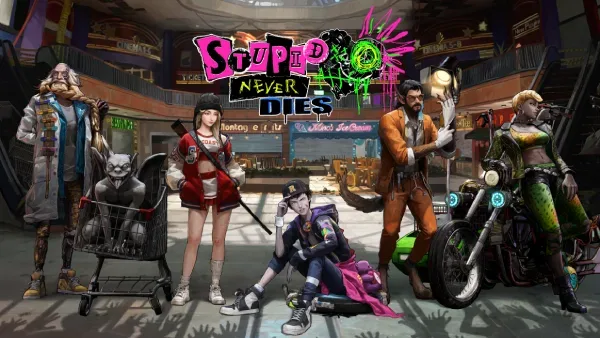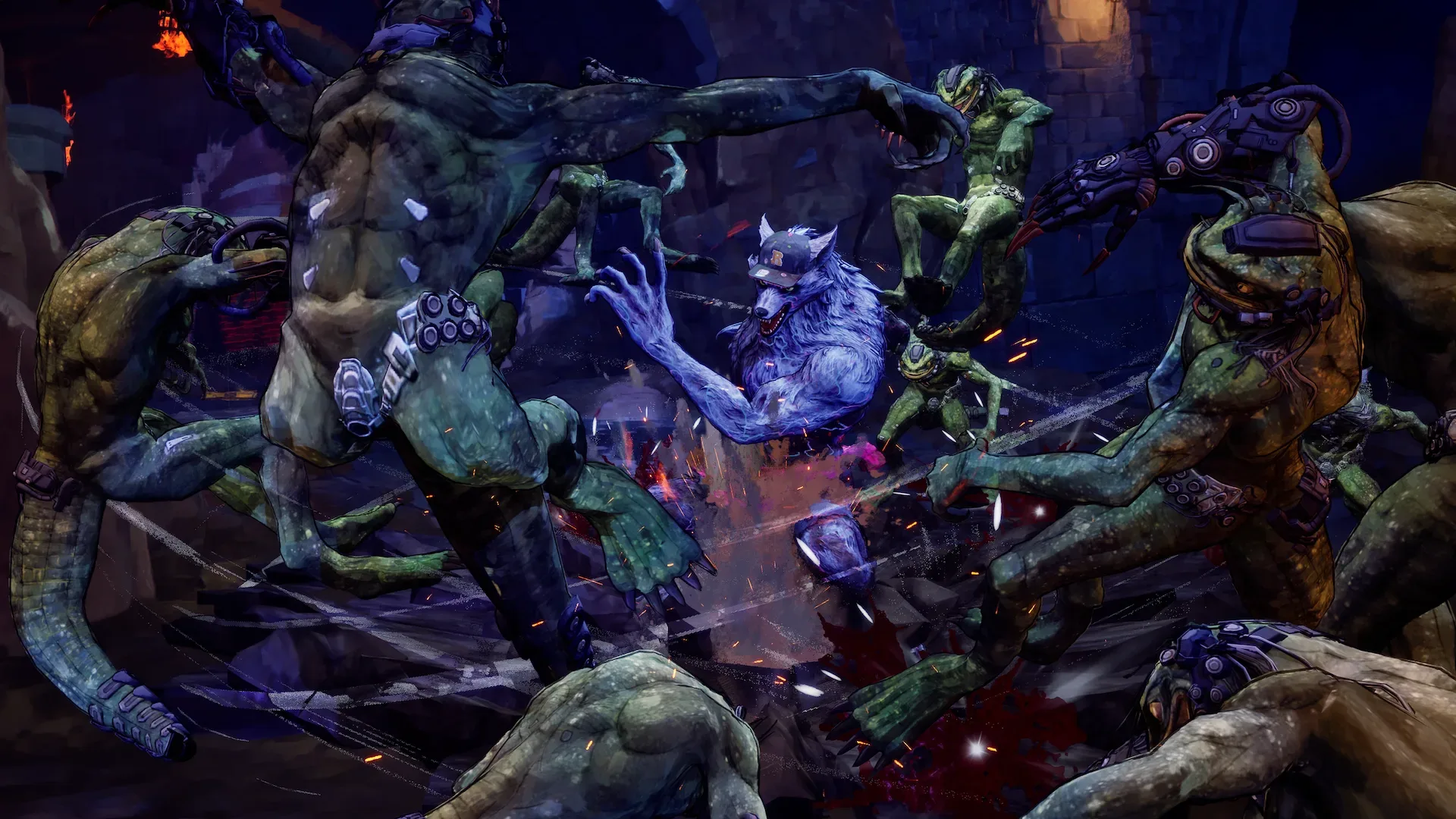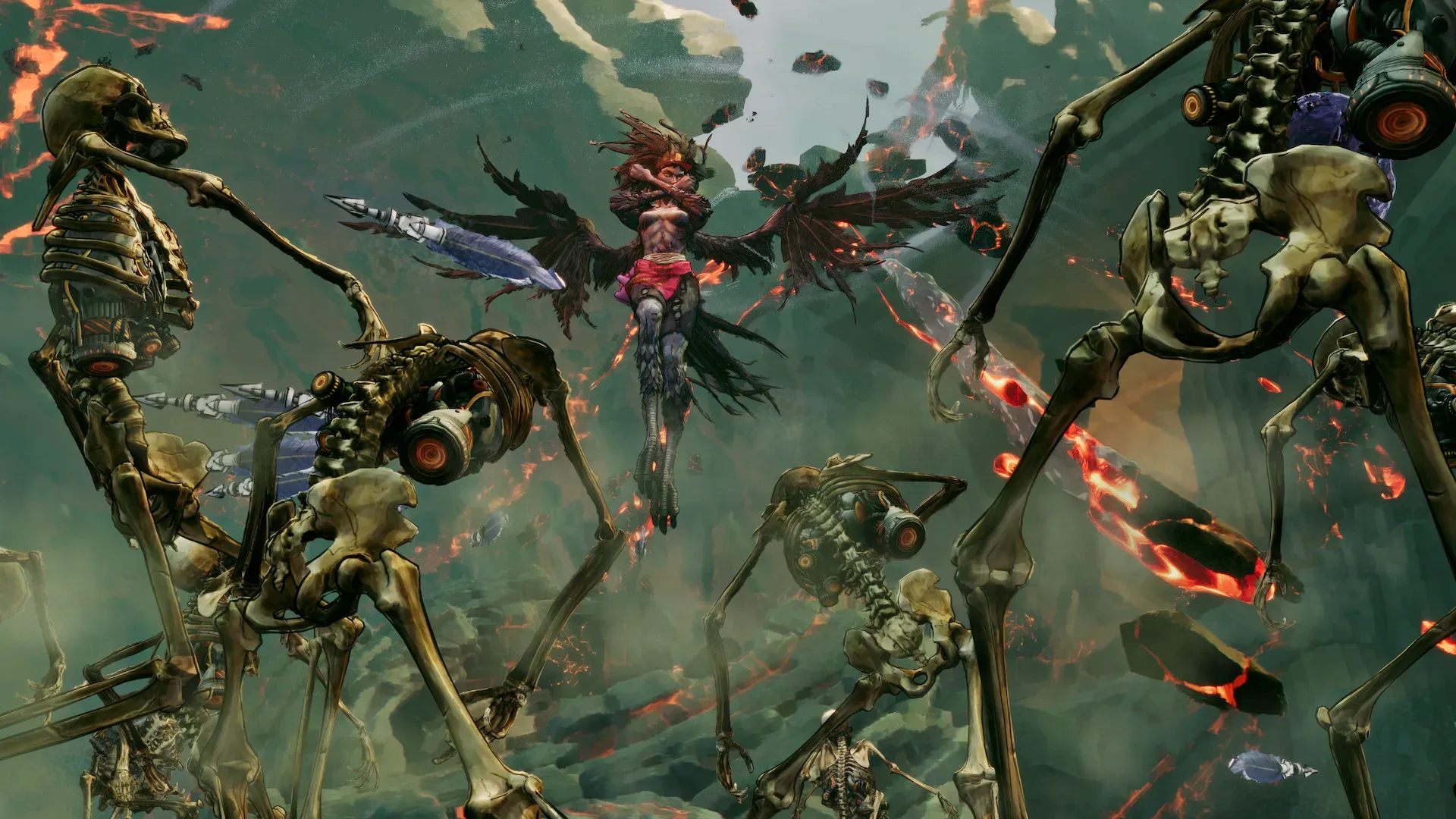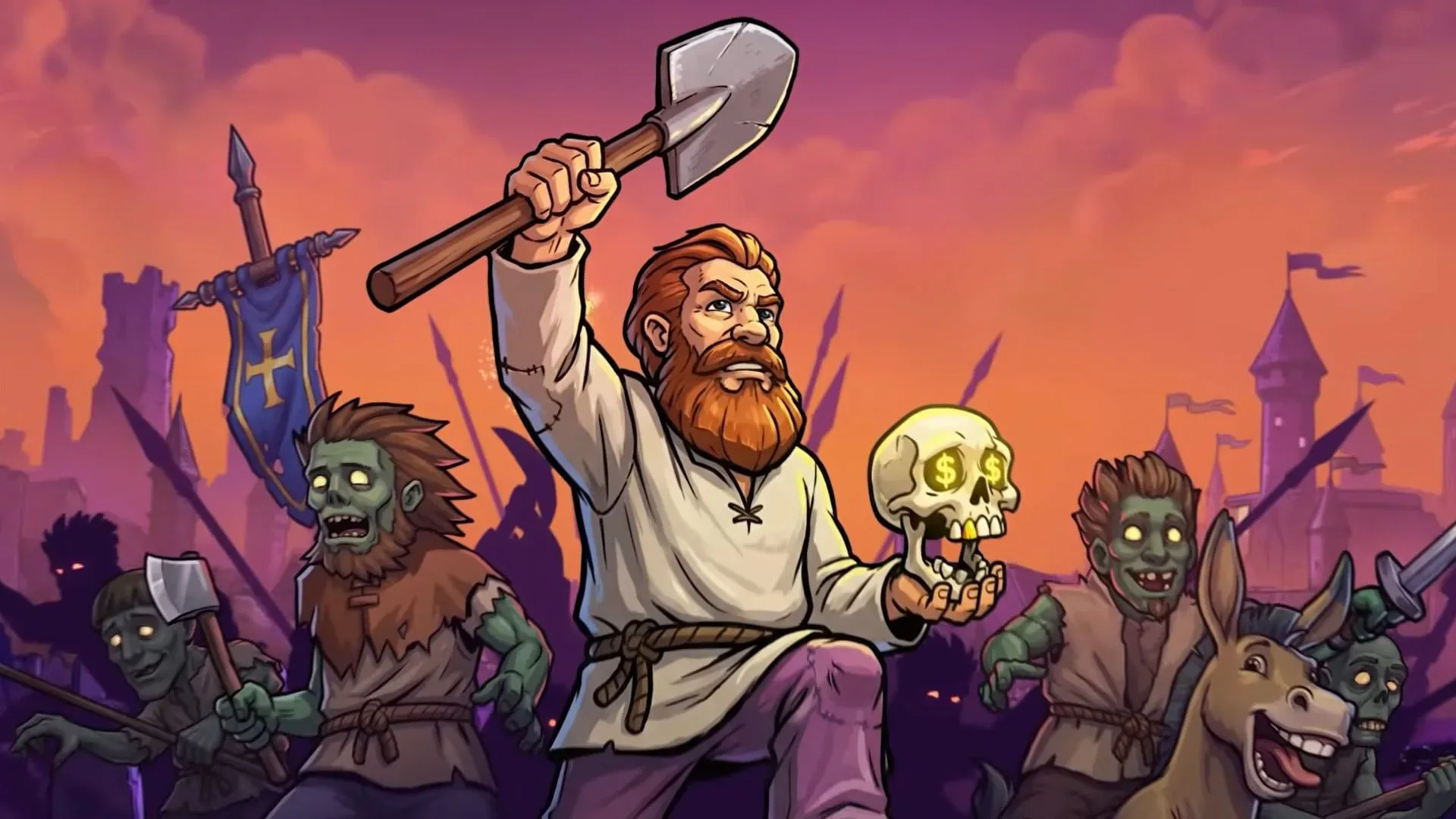
Stupid Never Dies has put its central game loop in clearer focus ahead of launch, detailing a progression system called Blazing Fast Growth, the upgrades available between dives, and combat adjustments now live in the Stupid Never Dies: First Bite demo. The game is scheduled for PC via Steam and PlayStation 5 on October 21, 2026, followed by a Japanese release on October 22.
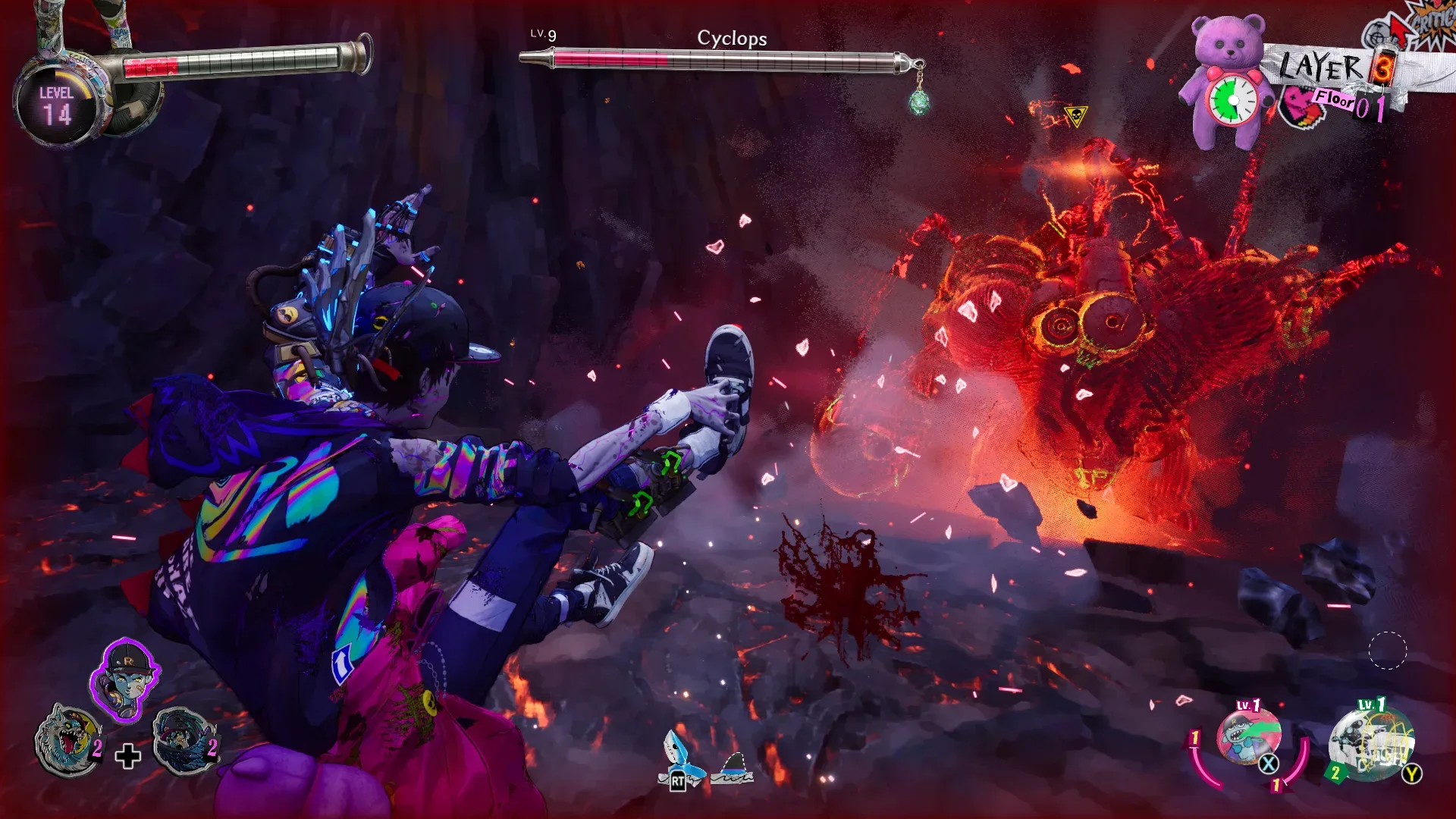
The newly outlined structure revolves around Davy, a timid zombie descending through a monster-controlled underworld. His objective is to defeat the King of All Monsters, abbreviated as KOM, and revive Julia, a human girl who has been frozen. The premise gives the repeated descents a concrete endpoint, while the systems described so far suggest that losses and returns are meant to feed directly into Davy becoming more capable on later attempts.
That balance between beginning a new dive with limited immediate power and carrying forward longer-term advancement is the key idea behind the new overview. Rather than presenting each run as entirely disconnected from the last, Stupid Never Dies ties enemy fights, materials, body modifications, unlocks and level-up options together through a shopping-mall hub.
Blazing Fast Growth is built around stronger subsequent dives
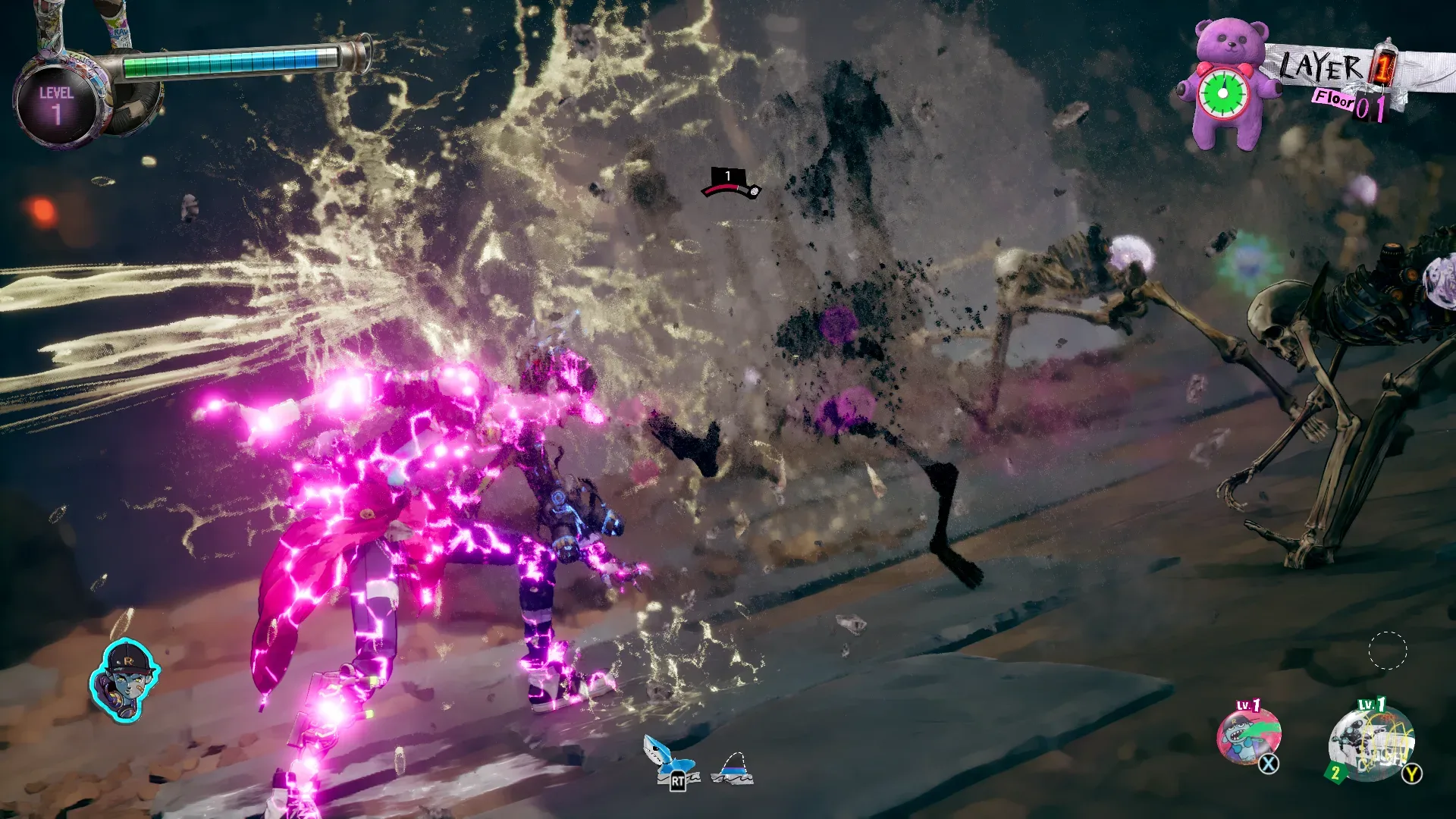
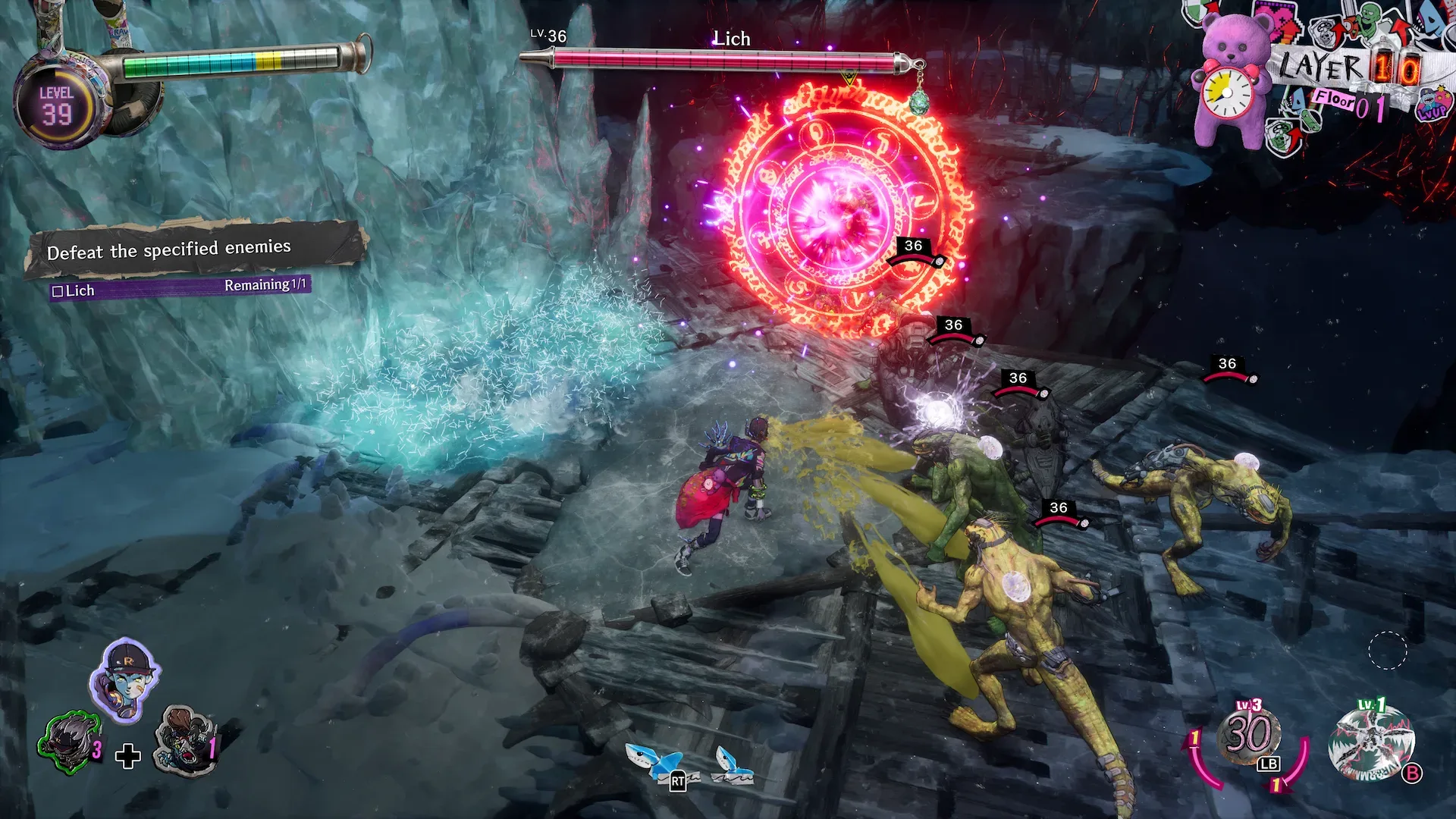
Davy begins every dive at level 1. The important wrinkle is that his level growth accelerates as more enemies are defeated over repeated runs. In practical terms, the early portion of a later dive can become dramatically faster than it was during an earlier attempt. A single early enemy defeat can eventually result in a large level increase.
The stated long-term possibility is that Davy can level rapidly enough to reach a very high level early in a dive, then continue all the way down to KOM in one run. That makes Blazing Fast Growth more than a conventional experience bar. Its apparent purpose is to alter the pace of future attempts: early encounters that initially demand gradual advancement can later become the springboard for a much quicker push through the underworld.
What “progression” means here: progression is the collection of systems that make a character stronger or broaden their available choices over time. In Stupid Never Dies, the supplied details point to two layers. One is Davy’s level during an individual dive, which always restarts at level 1. The other is persistent advancement associated with repeated dives and the hub, including Body Hack modifications and unlocked Zombie Skills. Blazing Fast Growth connects those layers by making the opening of later dives increasingly productive.
That distinction matters for prospective players because a reset to level 1 does not necessarily mean a full reset of momentum. The game’s framing is that repeated enemy defeats improve the speed at which Davy regains strength. The later-run advantage is therefore not merely a larger inventory of upgrades; it is also a change in how quickly the level-up portion of a dive can unfold.
There is still plenty not specified about the exact math. No figures have been given for experience thresholds, maximum levels, how many dives are required for major acceleration, or precisely what happens if a run ends before reaching KOM. Those details will determine how the system feels in practice. What is established is the intended arc: slow initial dives can build toward attempts where early kills provide enormous gains and a full descent becomes attainable.
The shopping mall functions as the between-run hub
When Davy returns from a dive, he comes back to a shopping mall. A hub is a persistent area that links activities rather than serving as part of the combat descent itself. Here, it is where companions provide upgrade services, creating a clear pause between going underground and preparing to do so again.
Ascelino runs Ink on the Brain and handles Body Hack. Using Over Technology gathered during dives, Davy can modify his head, arms and legs. “Body Hack” is the game’s name for this modular body-upgrade process, while Over Technology is the resource used to perform it. The overview identifies the body parts that can be altered, but does not yet describe individual modifications or their effects. It is safest, then, to view it as a persistent customization and enhancement system rather than assume specific combat bonuses.
Bessie, found at Bessie Burger, trades monster parts for Zombie Skills. Those skills are not simply handed directly to Davy as fixed buttons based on the information available. Instead, unlocking them adds them to the options that can appear when Davy levels up. This means monster parts obtained during dives can expand the pool of potential level-up selections on later dives.
That arrangement gives the materials distinct stated roles:
- Over Technology is collected during dives and spent through Ascelino’s Body Hack service to modify Davy’s head, arms and legs.
- Monster parts are traded with Bessie to unlock Zombie Skills.
- Zombie Skills can then appear among Davy’s choices at level-up moments.
These are complementary forms of long-term advancement. Body Hack is tied explicitly to changing Davy’s body, while Bessie’s service expands the possible rewards offered by leveling. The result is a loop in which dives provide resources, the mall converts resources into future power or future options, and the next dive lets those investments matter alongside the rapid level-growth system.
The mall also has an unusual means of travel: Davy gets around on a modified robot vacuum. It is a small detail, but one that reinforces the setting’s mix of the mundane and the monstrous. The underworld is ruled by monsters, yet the respite between descents is organized around familiar retail spaces and a decidedly unheroic vehicle rather than a traditional fantasy base camp.
First Bite demo receives targeting and camera improvements
The First Bite demo is currently available on Steam and PlayStation 5, and it has been updated in response to player feedback. The changes concentrate on helping players connect attacks and track threats during combat—two closely related pieces of moment-to-moment readability.
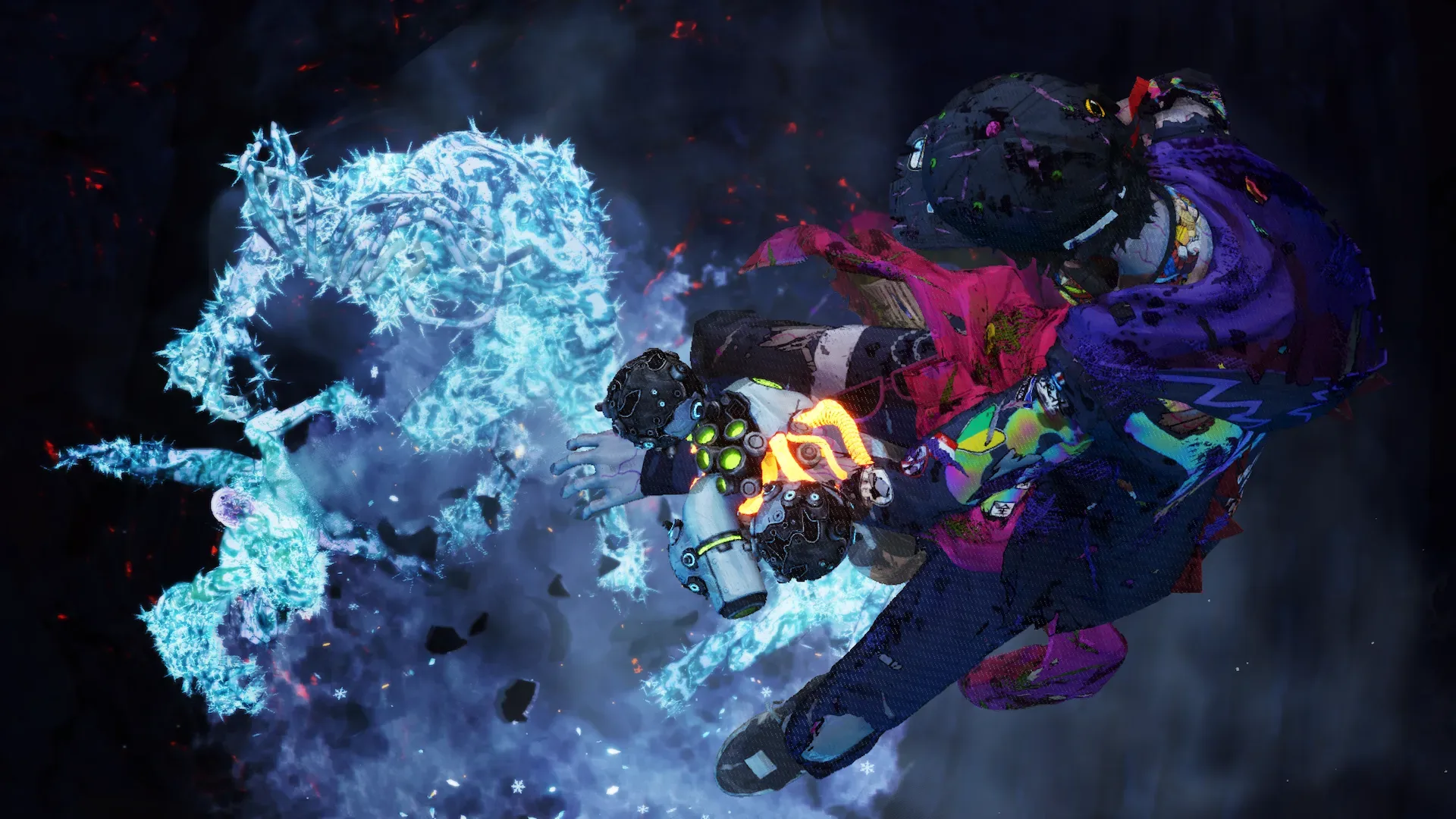
First, attacks have been adjusted to make enemies easier to hit. The change is explicitly intended to help with both ground-based enemies and airborne targets. That specificity suggests the update is addressing more than a single difficult foe type: attacks need to work reliably across enemies positioned at different heights.
Second, the demo adds Combat Camera Assist. This feature is designed to help keep enemies in view while fighting. It can be turned on or off through the Options menu, so players can decide whether they want that extra camera support rather than being locked into one presentation.
Why a camera-assist option is significant: a combat camera determines what information a player can see while moving and attacking. If opponents are pushed off-screen or become hard to follow amid action, decisions such as which direction to move or when to attack become harder for reasons unrelated to the player’s character build. Camera assistance is intended to reduce that friction by helping maintain visibility of enemies. A toggle is useful because some players may prefer support, while others may be more comfortable managing the camera without it.
The updated attack behavior and Combat Camera Assist are not confined to the demo. Both improvements are planned for the full game at launch. For players considering a demo run now, that makes First Bite more than an older snapshot: its combat-targeting changes represent the direction being carried into the released version.
Demo updates can be especially useful when a game’s structure depends on repeat dives, level-up selections and fighting many enemies. If the basic act of targeting a ground or airborne foe is unclear, it can overshadow the decision-making around skills and upgrades. Improving hit connection and enemy visibility does not reveal every aspect of the finished game, but it addresses two foundational aspects of combat interaction.
For another recent example of a PC demo evolving around player-facing systems, see Calame’s demo update, camp hub and progression rework.
Release date, editions and language support
GPTRACK50 is developing Stupid Never Dies, with SEGA publishing. The game will arrive on Steam for PC and PlayStation 5 on October 21, 2026. Japan will receive it on October 22, 2026.
Two editions have been identified:
- Standard Edition: $49.99 USD.
- Stupid Never Dies: Glorious Idiot Edition: $59.99 USD.
No contents for the Glorious Idiot Edition have been specified in the available details, so the price difference alone does not establish what extras, if any, it contains. Players weighing the editions will need to wait for a description of the higher-priced version’s contents before drawing conclusions about its value.
The game will be available in English and supports subtitles in English, French, German, Italian, Spanish, Japanese, Korean, Russian, Polish, Latin American Spanish, Brazilian Portuguese, Traditional Chinese and Simplified Chinese. The language list identifies subtitle support; it does not establish the availability of spoken audio in every listed language.
What the latest outline establishes—and what remains open
The current overview establishes a fairly coherent cycle. Davy descends into the underworld, defeats enemies, gathers Over Technology and monster parts, then returns to the mall. There, Ascelino can use Over Technology for Body Hack alterations and Bessie can exchange monster parts for Zombie Skills that may enter later level-up choices. Across repeated dives, enemy defeats fuel the Blazing Fast Growth system, eventually allowing swift gains from early kills and potentially enabling a single-run trip to KOM.
It also provides a more practical reason to revisit First Bite before launch. The demo’s revised attacks and optional Combat Camera Assist directly target ease of hitting enemies and maintaining visual awareness in combat, and both will carry into the full game.
Questions remain around the detail of the systems: the properties of body modifications, the full Zombie Skill selection, the exact operation of levels, and what separates the Glorious Idiot Edition from the Standard Edition have not been laid out here. But the broader design is now easier to read. Stupid Never Dies is positioning each failed or completed descent as input for faster, more customized attempts, with a mall full of oddball upgrade stops sitting between Davy and the next trip toward the King of All Monsters.