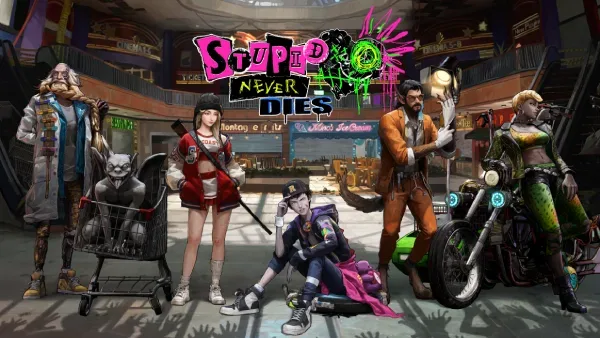
Stupid Never Dies is treating its soundtrack as more than a layer of background noise. In the latest “Deep Bite” video, producer Hiroyuki Kobayashi outlines how music helped establish the identity of GPTRACK50’s upcoming single-player 3D action RPG, beginning with a theme for its timid zombie hero, Davy, and expanding into a deliberately unruly mix the team calls Neo Pop Punk.
That label is not simply shorthand for one guitar-heavy genre. The game’s sound combines pop-punk with metal, rock, electronic material and traditional Japanese instrumentation. The stated aim is a soundtrack suited to a strange monster-world adventure where Davy begins at the very bottom of society, fights through dungeon dives, borrows abilities from enemies and modifies his body. It is an appropriately broad musical brief for a game that wants its action, comedy and character progression to feel fast, odd and energetic.
Stupid Never Dies is due for PC via Steam and PlayStation 5 on October 21, 2026, with a Japanese release scheduled for October 22. A playable demo, Stupid Never Dies: First Bite, is available now on both Steam and PlayStation 5.
A character theme became the starting point
GPTRACK50 began development with Davy’s theme song rather than arriving at music only after the game’s other pieces were in place. That order matters. A character theme can establish rhythm, attitude and emotional expectations before a player knows the systems or setting in detail. Here, it gave the development team a foundation for the game’s pop-punk direction.
Davy is described as a timid zombie, not a conventional swaggering action hero. Yet the game also emphasizes aggressive combat, speedy growth and a surreal sense of humor. A pop-punk-led identity offers a useful way to connect those apparent contradictions: nervousness and roughness can coexist with momentum, while the music can make failure, recovery and reckless forward motion feel part of the same personality.
The additional ingredients in Neo Pop Punk suggest the team is not presenting every location or encounter with one uniform sound. Metal and rock can supply force for pressure-heavy moments, while electronic and traditional Japanese components widen the palette beyond a straightforward band-driven score. The exact musical implementation will be something players can judge in the demo and full game, but the design intention is clear: the game wants an identifiable sound that can move with its changing pace.
What dynamic music means in this RPG
The soundtrack is designed to shift with gameplay. Music changes between tense exploration, high-energy battles and calmer rest areas, while also helping define hub spaces such as Davy’s Mall.
Dynamic music is music that responds to game state rather than playing as a fixed track from start to finish. In this case, the relevant states are broadly the player’s situation: moving through a threatening area, entering battle, or reaching a place intended to offer a breather. The practical benefit is continuity. Instead of abruptly abandoning a scene’s mood whenever combat begins or ends, the audio can help communicate that danger is rising, peaking or receding.
Related coverage includes Stupid Never Dies Details Its Neo Pop Punk Sound Ahead of October Launch.
For an action RPG with repeated dungeon dives, that responsiveness has particular value. A dive implies changing conditions over time: navigation, confrontation, recovery and a return to a social or functional hub. If the music tracks those transitions effectively, it can make the loop easier to read emotionally without needing to interrupt play with lengthy explanation.
The distinction between exploration, combat and rest is also important because these are different kinds of player attention. Exploration asks for alertness and curiosity. Combat needs urgency and a sense of momentum. Rest areas should provide contrast, allowing a previous bout of intensity to land rather than making every minute feel equally loud. The information shared about the game does not specify individual tracks, composers or the technical method used to trigger transitions, so it would be premature to assume more than that broad reactive structure.
Davy’s Mall has a musical job, too
Hub areas are often where an RPG gives players room to reset: review upgrades, orient themselves, prepare for another dive or simply spend time away from immediate danger. Stupid Never Dies specifically identifies Davy’s Mall as a place where the soundtrack contributes to mood.
That is a small detail with a larger implication for tone. A location named Davy’s Mall already fits the game’s off-kilter premise, and its music can help sell it as a space with its own character rather than merely a menu disguised as a level. If dungeon music is built around tension and battles around release, a hub can provide the musical identity that makes returns feel meaningful.
It also reinforces the game’s interest in contrast. The premise is packed with grotesque and comic material—zombies, monsters, body customization and stolen styles—but the soundtrack is being positioned as a tool for pacing those extremes. A calmer location does not negate the action; it gives the action somewhere to push away from and return to.
The systems the music is accompanying
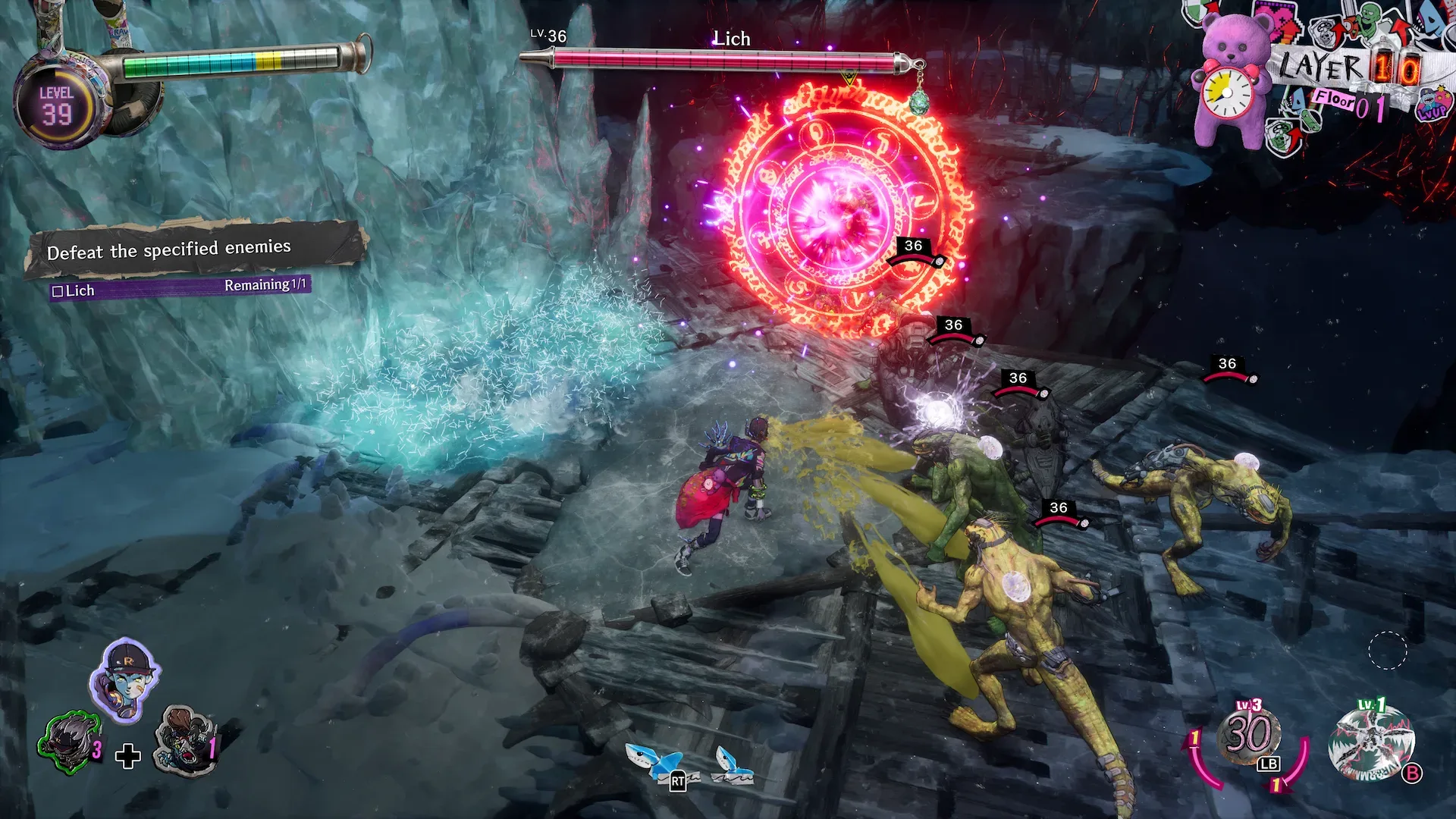
Stupid Never Dies places Davy in a sequence of dungeon dives where he defeats enemies, earns levels and grows stronger. The game describes its progression as being influenced by roguelike mechanics, with previous progress increasing XP gain. XP, short for experience points, is the resource commonly used to advance a character’s level or abilities. The cited progression idea means a completed or prior run can make future advancement faster, rather than treating every dive as entirely disconnected from what came before.
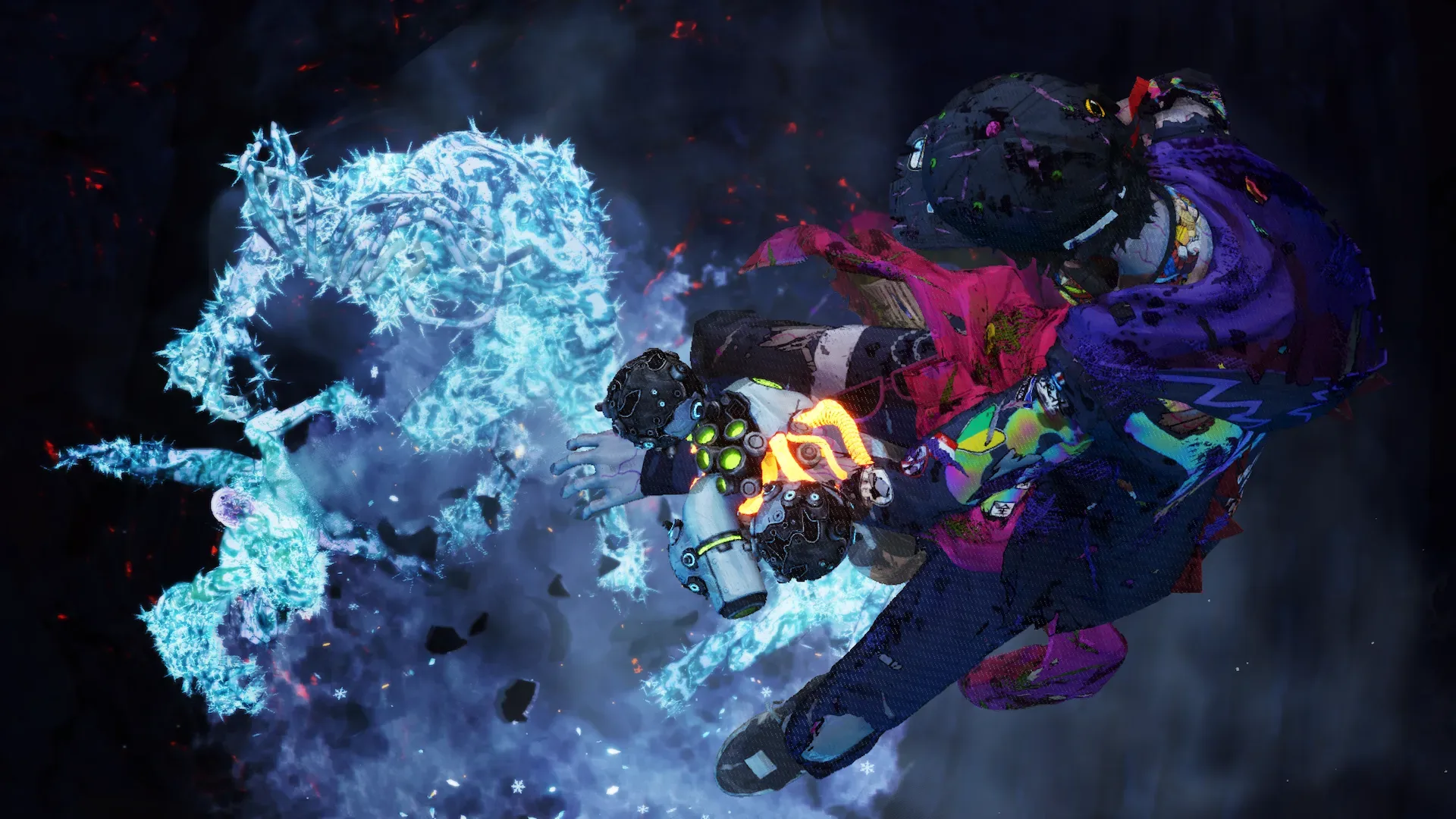
Its central ability-stealing mechanic is called Style Eat. Davy can absorb enemy styles, with more than 11 enemy styles highlighted. The term “style” is used for the abilities taken from opponents, though the available information does not map out each one or specify exactly how they alter combat. The important point is that enemy encounters are linked to character-building choices: foes are not only obstacles but potential sources of new options.
The other major customization system is Over Technology, described as body hacking through upgrades. This allows players to alter Davy’s body. Again, the exact upgrade list has not been detailed, but the concept fits the game’s irreverent zombie premise and its focus on rapid development across dives. Rather than presenting Davy as a fixed protagonist with a single permanent fighting style, the game is built around adaptation.
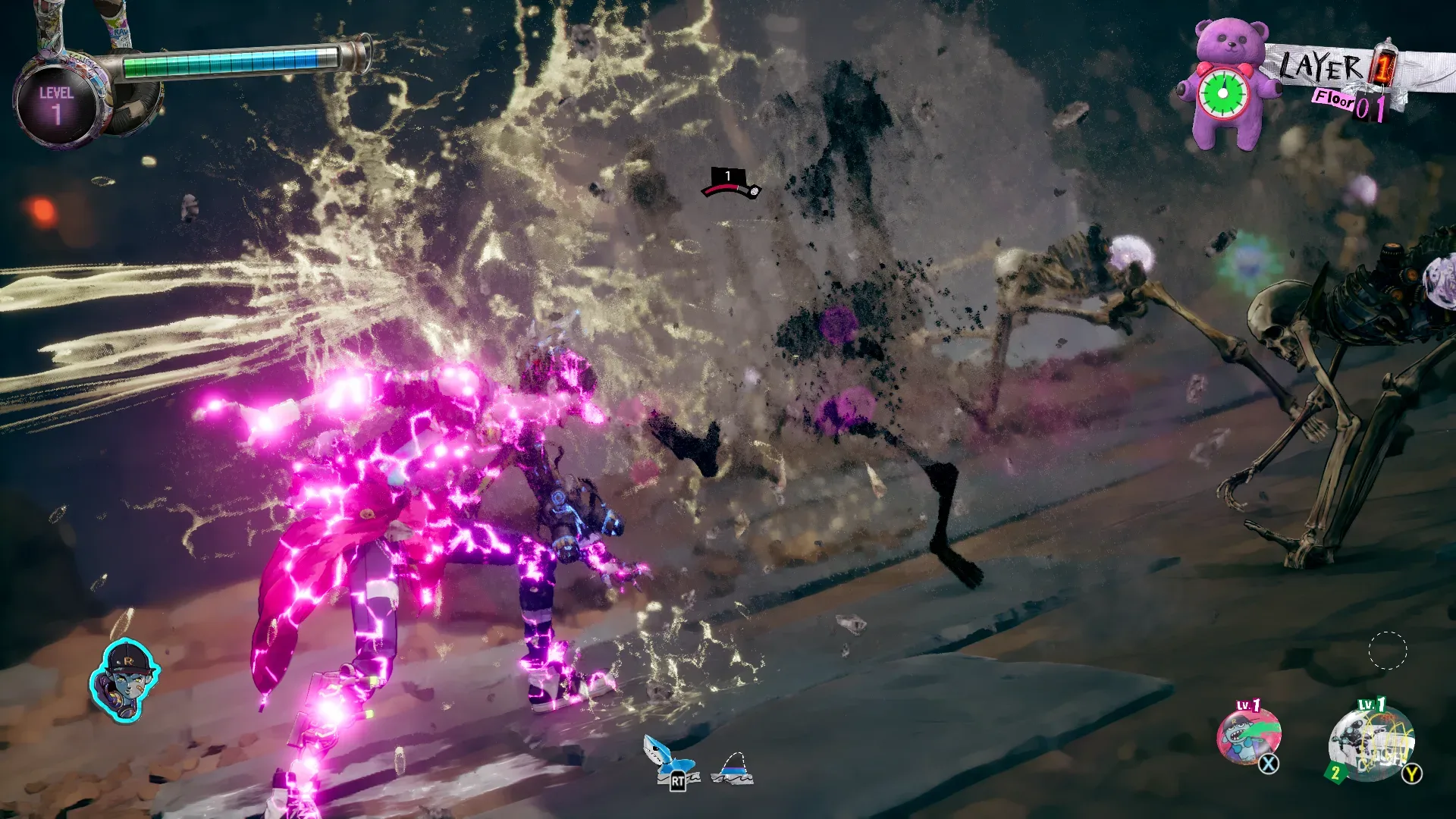
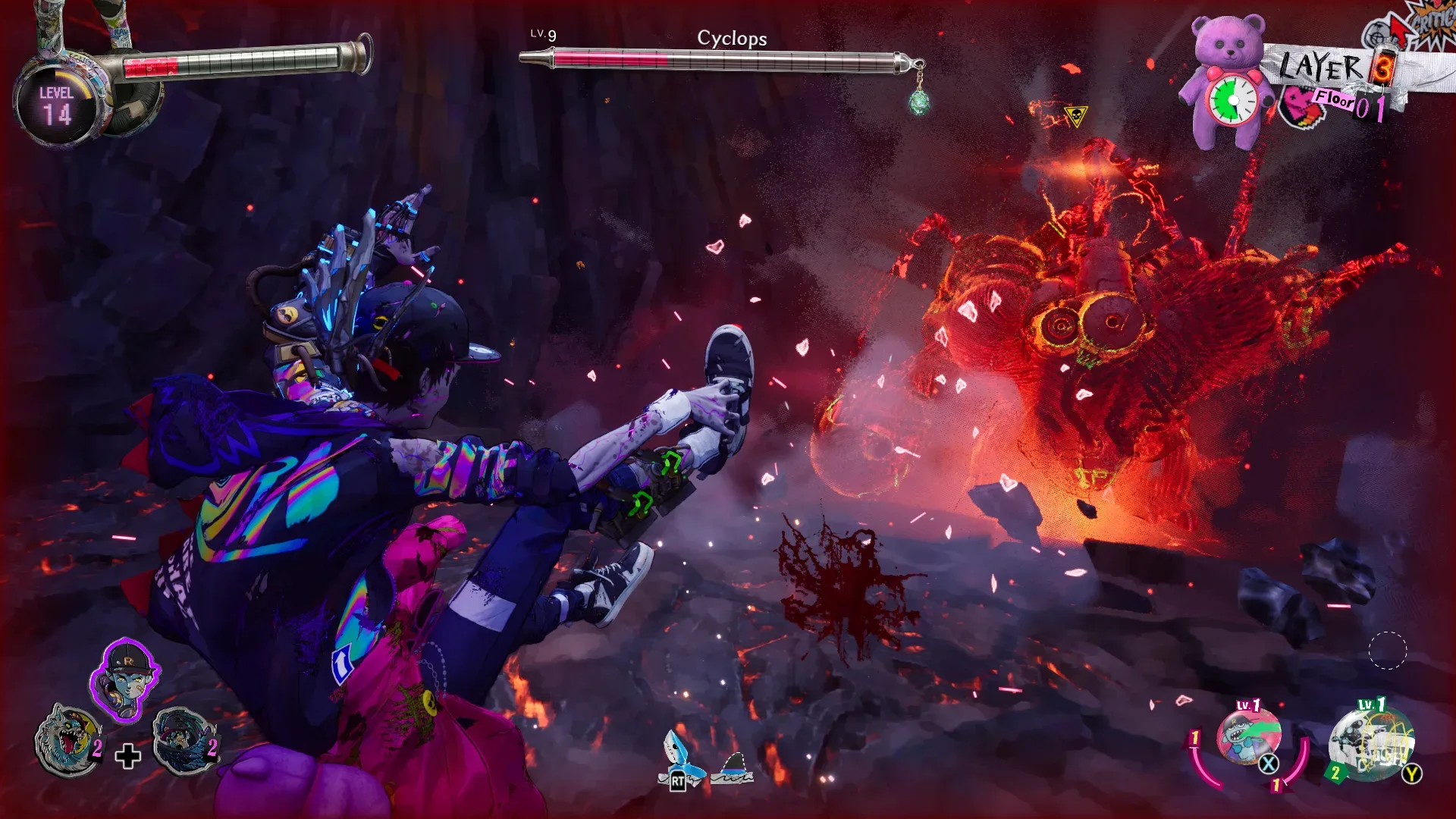
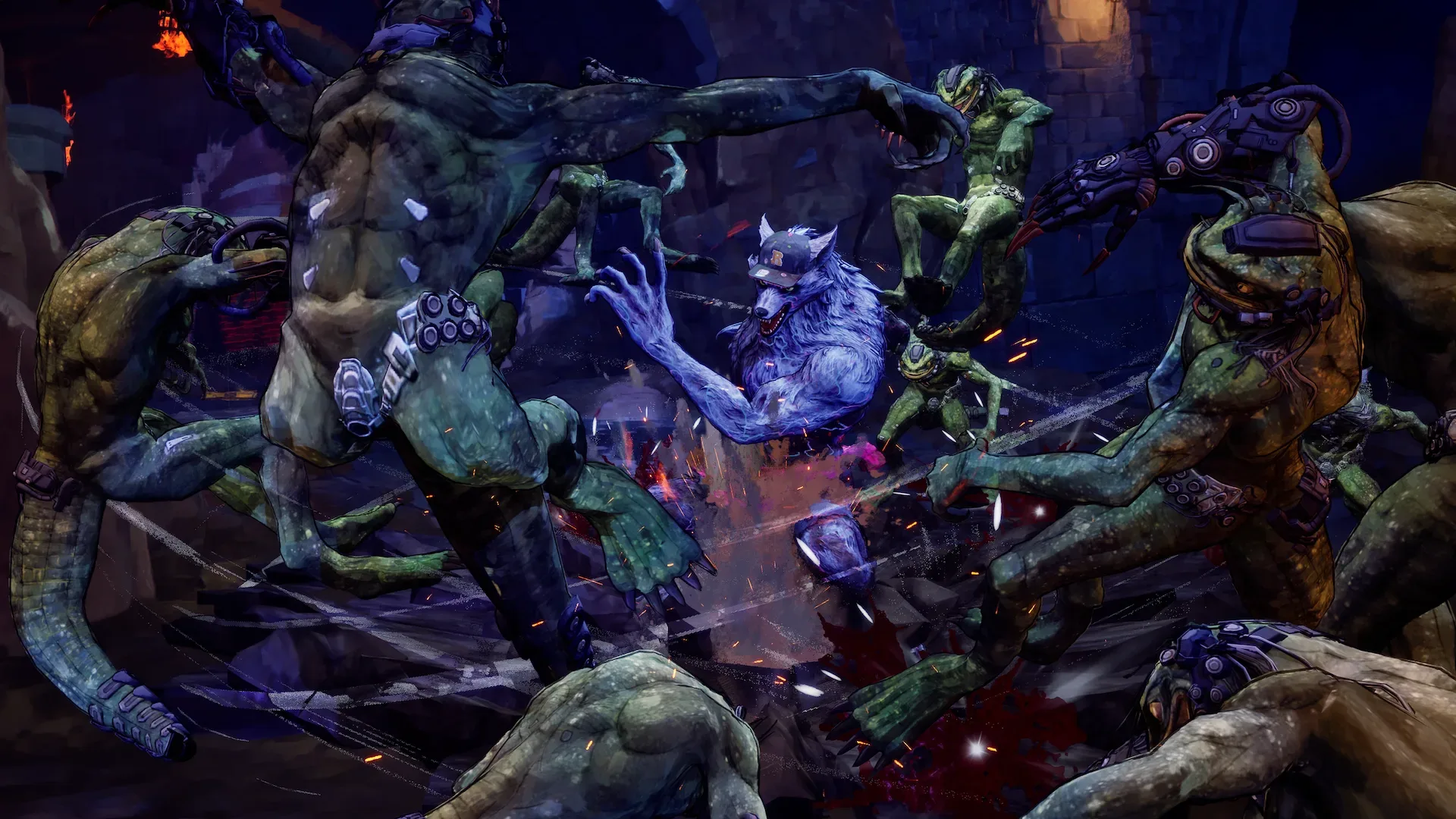
Combat itself is characterized as fast-paced and aggressive, supported by a flexible targeting system. A targeting system determines how a player selects, focuses on or shifts attention between enemies; flexibility can be particularly important when fights require quick adjustment. The soundtrack’s battle emphasis therefore has a clear gameplay partner: it is intended for the moments when players are actively using Davy’s accumulated styles and upgrades under pressure.
- Davy: a timid zombie protagonist at the bottom of monster society.
- Dungeon dives: the repeatable action-RPG structure supporting combat and progression.
- Style Eat: the ability to steal or absorb styles from enemies, with more than 11 highlighted.
- Over Technology: body-hacking upgrades used to customize Davy.
- Dynamic score: music that shifts between exploration, battle, rest and hub-area contexts.
What players can watch and try before launch
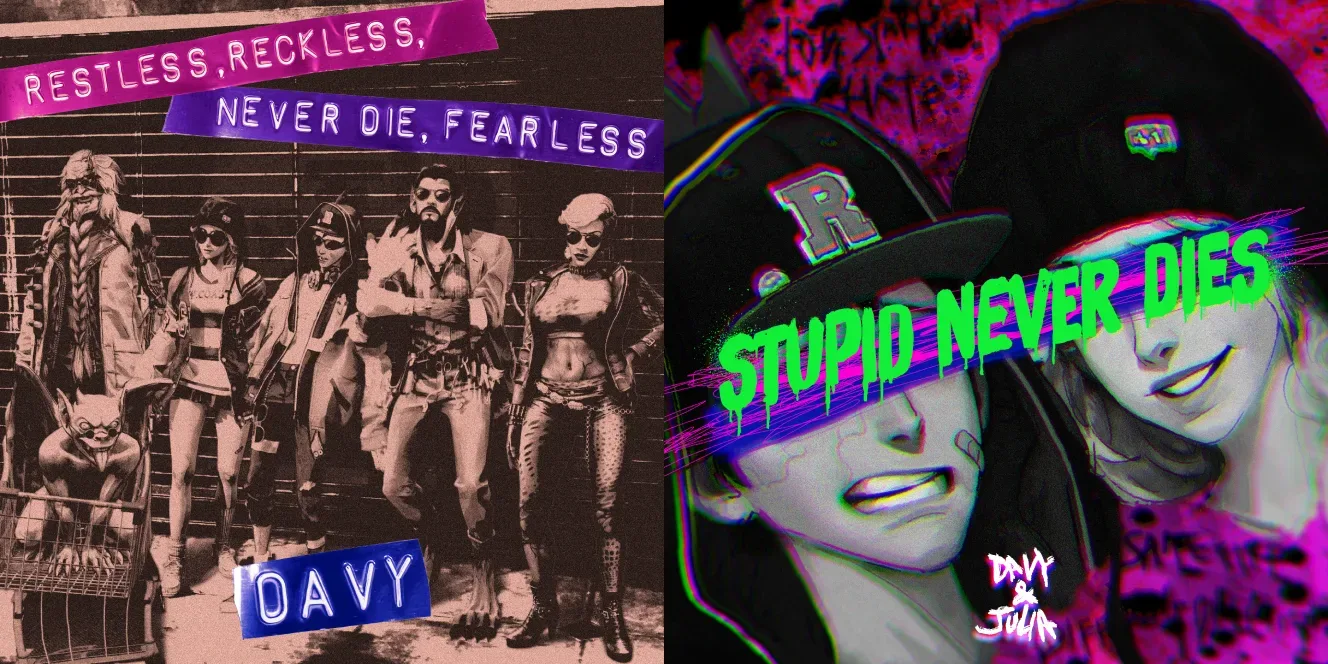
The new sound-focused Deep Bite entry joins other videos covering the game’s action and overall game cycle. Official music videos are also available for the opening theme and the ending theme, titled “Restless, Reckless, Never Die, Fearless.” Together, those materials offer a more direct look at the musical identity than a feature list alone can provide.
For players who want to judge how the audio direction fits the actual controls and combat flow, First Bite is the more practical option. It is currently available on the same two platforms planned for the full release: Steam and PlayStation 5. The game will support English, and subtitles are planned in English, French, German, Italian, Spanish, Japanese, Korean, Russian, Polish, Latin American Spanish, Brazilian Portuguese, Traditional Chinese and Simplified Chinese.
Stupid Never Dies will launch in a $49.99 USD Standard Edition and a $59.99 USD Glorious Idiot Edition. No contents for the latter edition have been specified in the provided details, so the price difference alone does not establish what it includes.
For another upcoming PC project built around a distinct, playful world rather than a conventional setting, see Croakwood’s customizable forest-town premise. Stupid Never Dies takes a markedly louder route: a zombie’s rise through monster society, driven by combat, mutation-like customization and a soundtrack designed to keep pace with every messy step.
Why the audio focus is worth watching
It is common for action games to promise a strong soundtrack. Stupid Never Dies is more specifically framing music as part of its structural design. The Neo Pop Punk concept begins with Davy’s character theme, extends across several musical traditions and is meant to change with the player’s activity. That connects the score to both the game’s atmosphere and its repeatable progression loop.
Whether that approach delivers will depend on how naturally those changes occur during play, and whether the sound remains recognizable while accommodating exploration, battle and downtime. For now, the video establishes a useful expectation: this is not simply a pop-punk soundtrack attached to an action RPG. GPTRACK50 is presenting sound as one of the ways Davy’s bizarre, quickly evolving journey is supposed to make sense moment to moment.