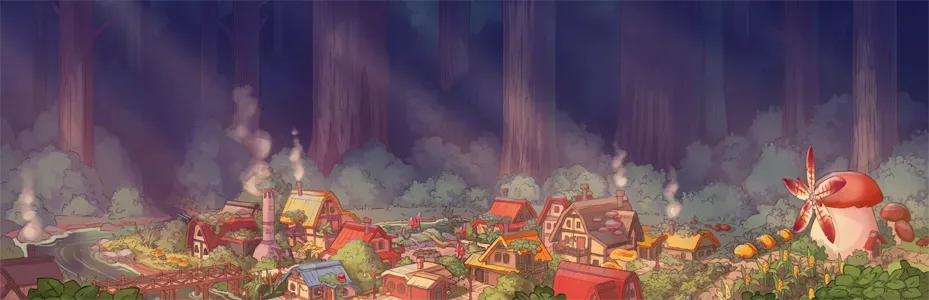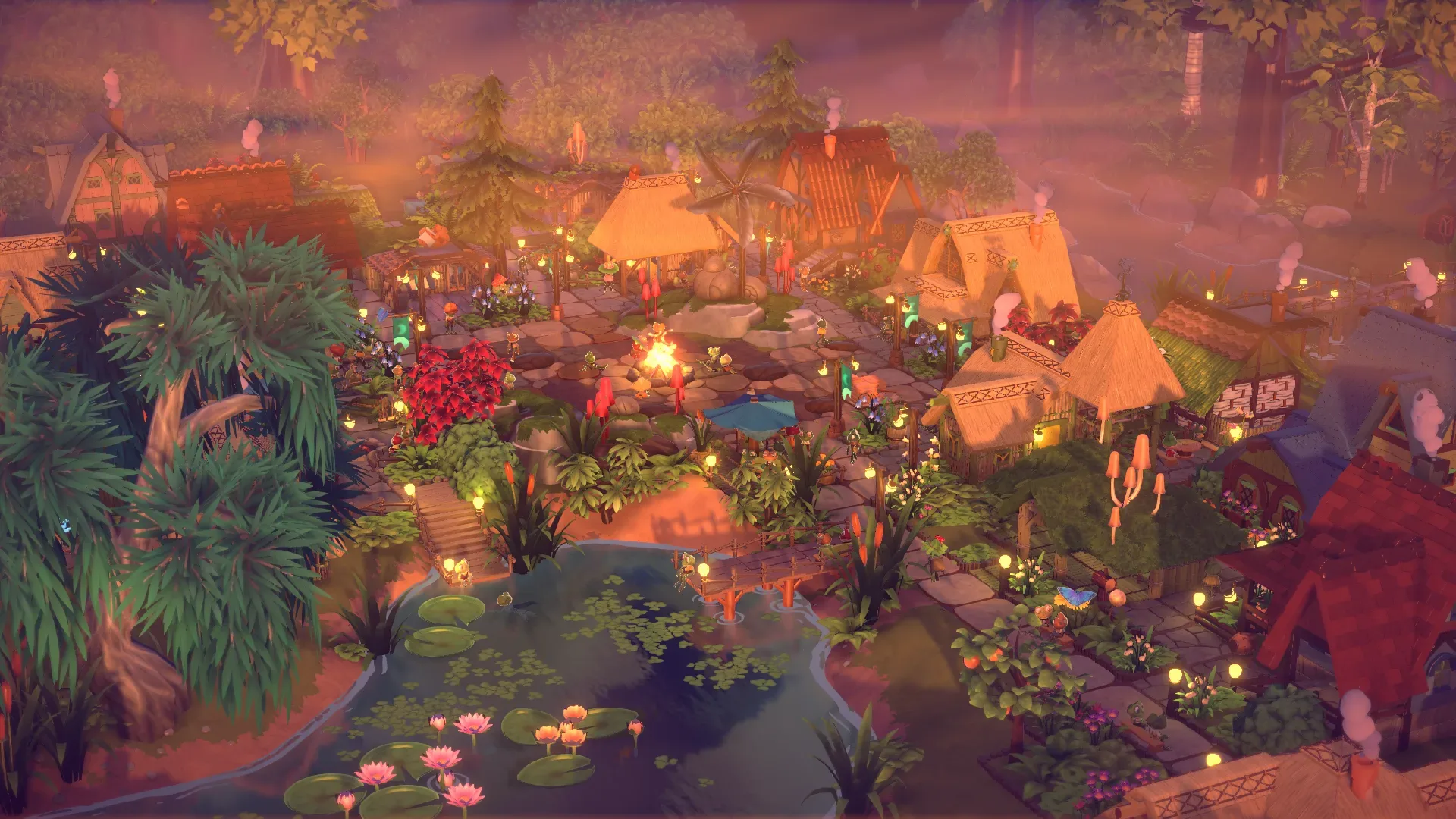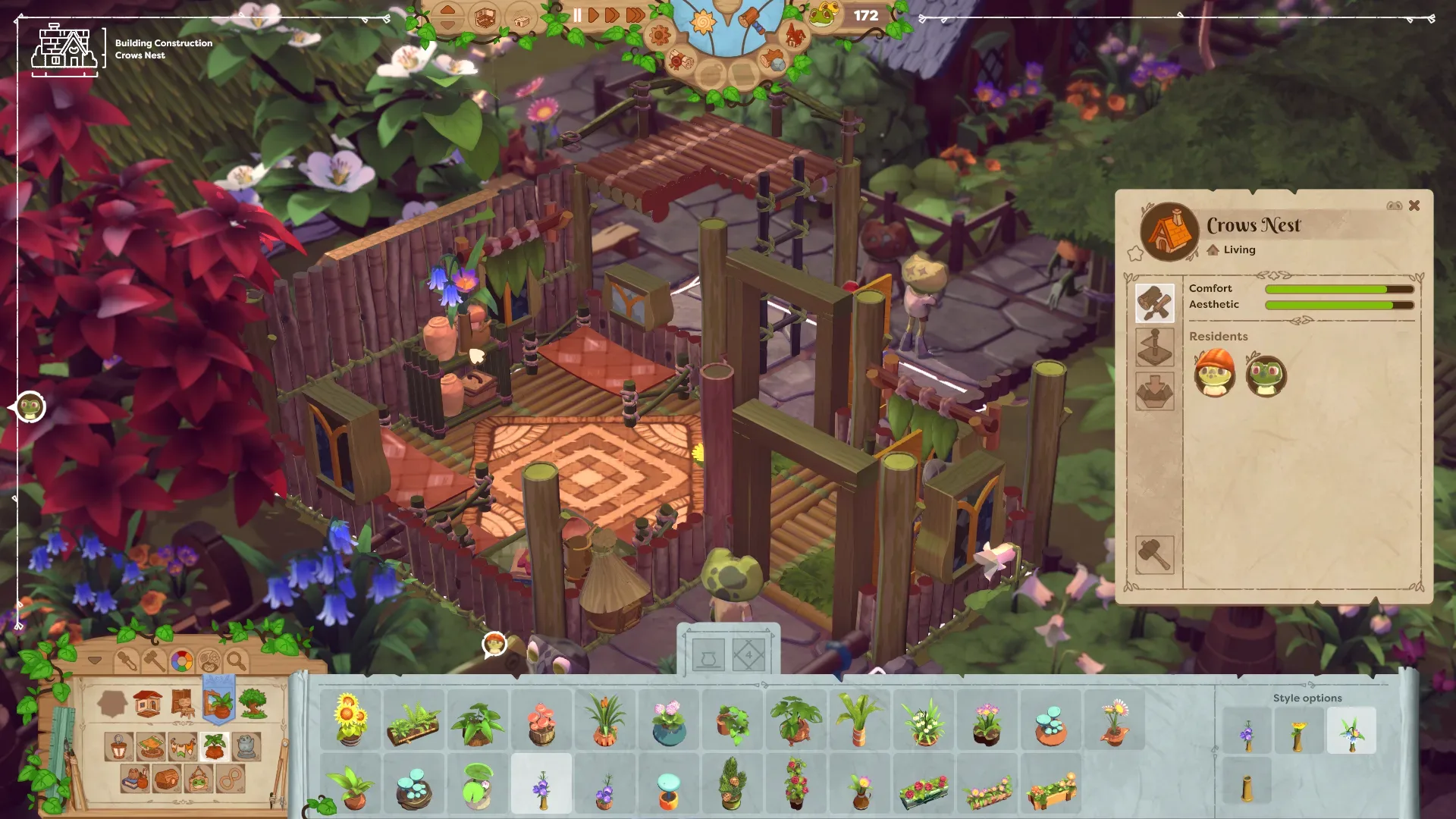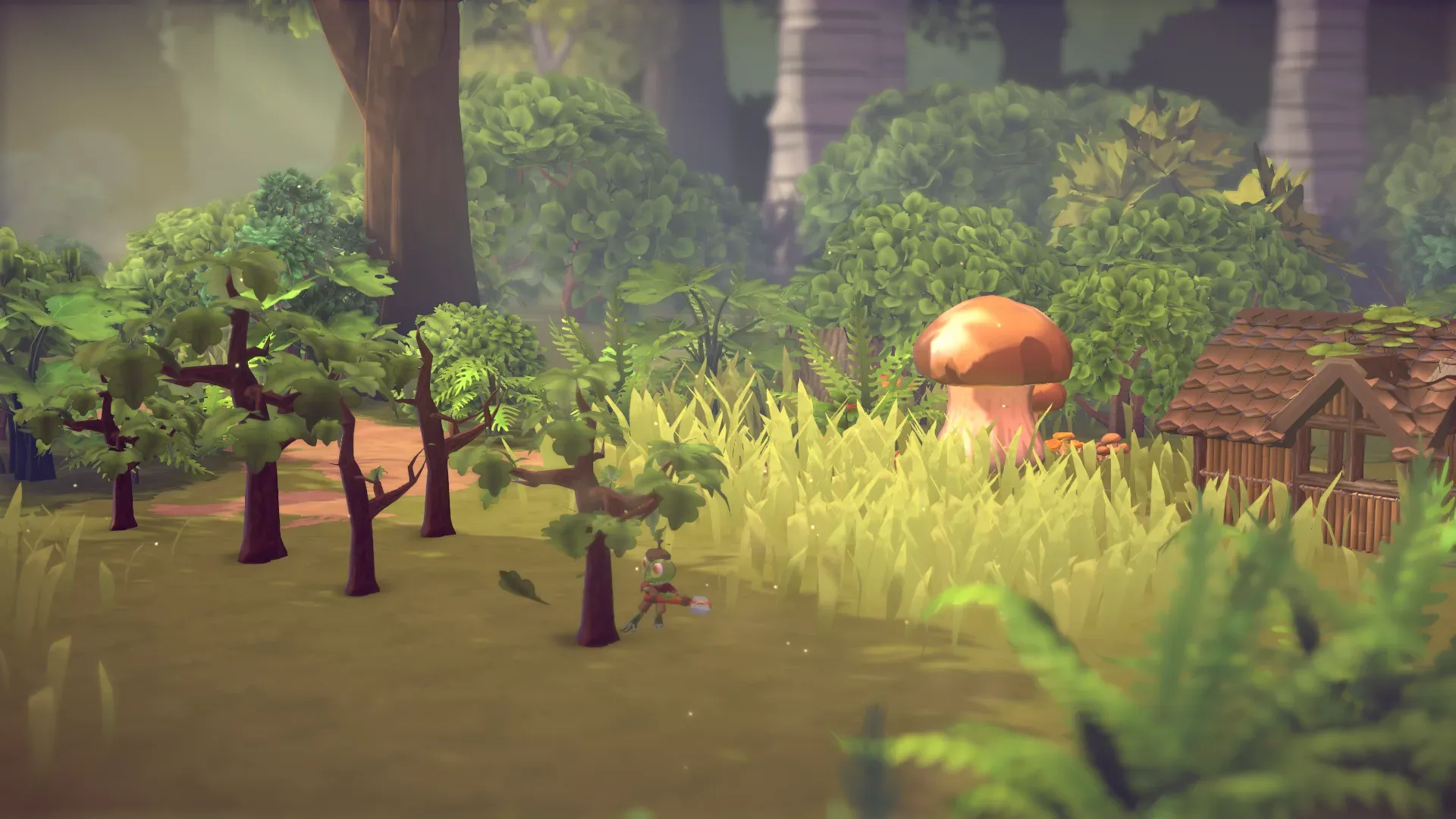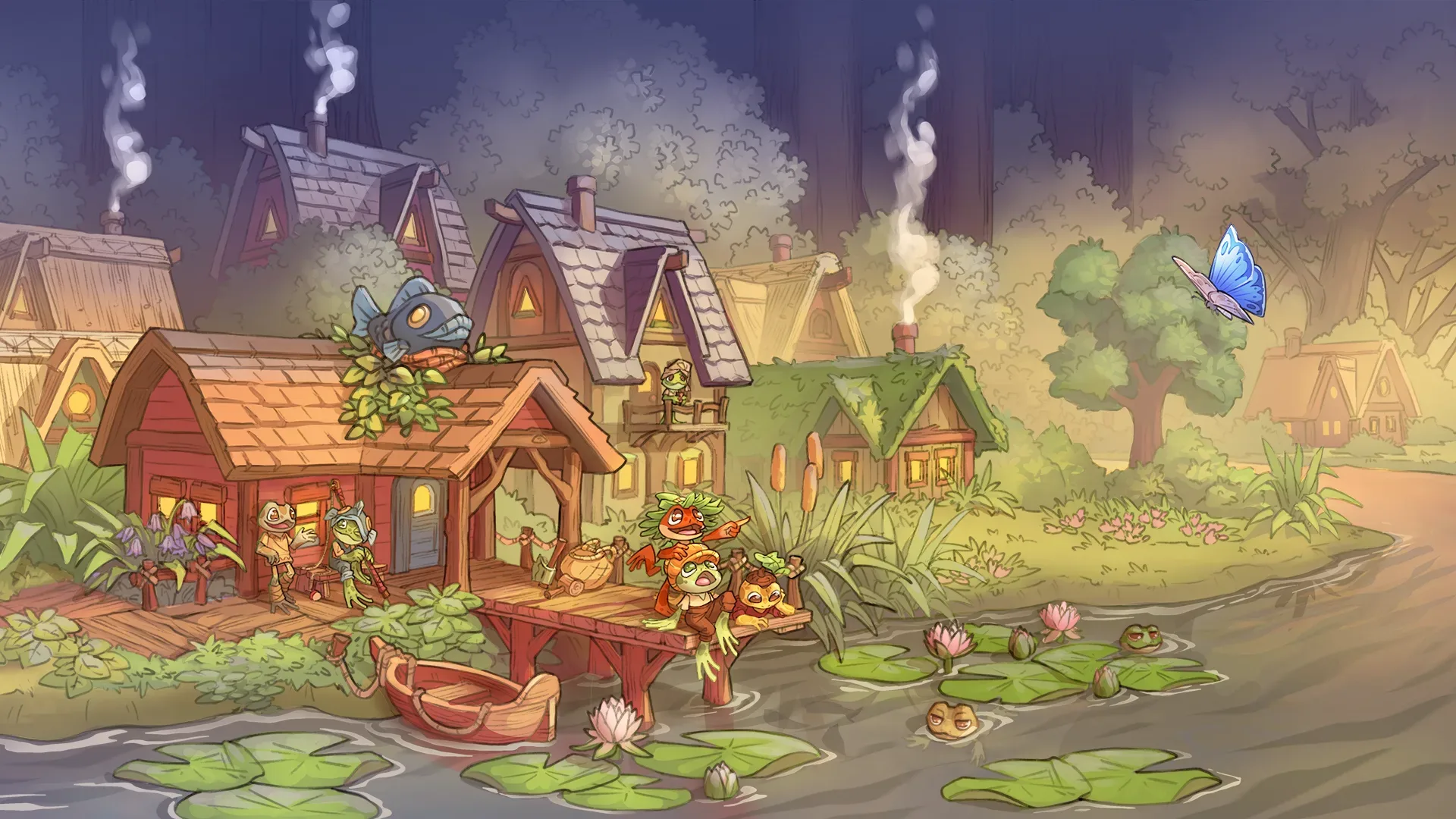
Texel Raptor has released a new trailer for Croakwood, offering a closer look at its premise: begin with a modest frog camp and develop it into a bustling amphibian settlement in the Croakwood Forest. The game is positioned as a relaxed town-builder with light management-simulation elements, pairing settlement expansion with resource collection, crafting and forest exploration.
The trailer’s central promise is progression at a human—or, more accurately, frog—scale. Players manage frog settlers as they collect materials, turn those materials into supplies, construct buildings and draw new inhabitants to the growing town. Rather than presenting the town as a static decorative space, Croakwood ties its development to the activity of its individual residents.
Croakwood is currently available to wishlist on Steam. Texel Raptor also maintains a Discord channel for updates. No release date, price, supported platforms beyond the Steam wishlist listing, or detailed feature specifications were provided alongside the trailer.
From camp to town
Town-builders generally ask players to make a settlement function as well as look appealing. Croakwood’s announced loop follows that familiar foundation: settlers gather resources, resources become craftable supplies, supplies support building, and a larger settlement attracts additional residents. Each part matters because it gives growth a practical basis rather than making it solely an exercise in placing structures.
The trailer frames the starting point as a humble camp, which establishes a clear visual and mechanical contrast with the eventual town. That transformation is important for a management game’s sense of momentum. A player should be able to read progress not only from menus or numerical totals, but from the changing landscape: more structures, more working townsfolk and more activity across the settlement.
The announcement calls Croakwood a relaxed town-builder, while also describing its management-sim systems as light. In practical terms, that wording suggests the game is emphasizing accessible settlement oversight over an especially dense or punitive simulation. It does not, however, define specific challenge settings, failure conditions, economic rules or the degree of direct control players will have over individual frogs. Those are details that remain unconfirmed.
What the trailer highlights
A piece-based building system
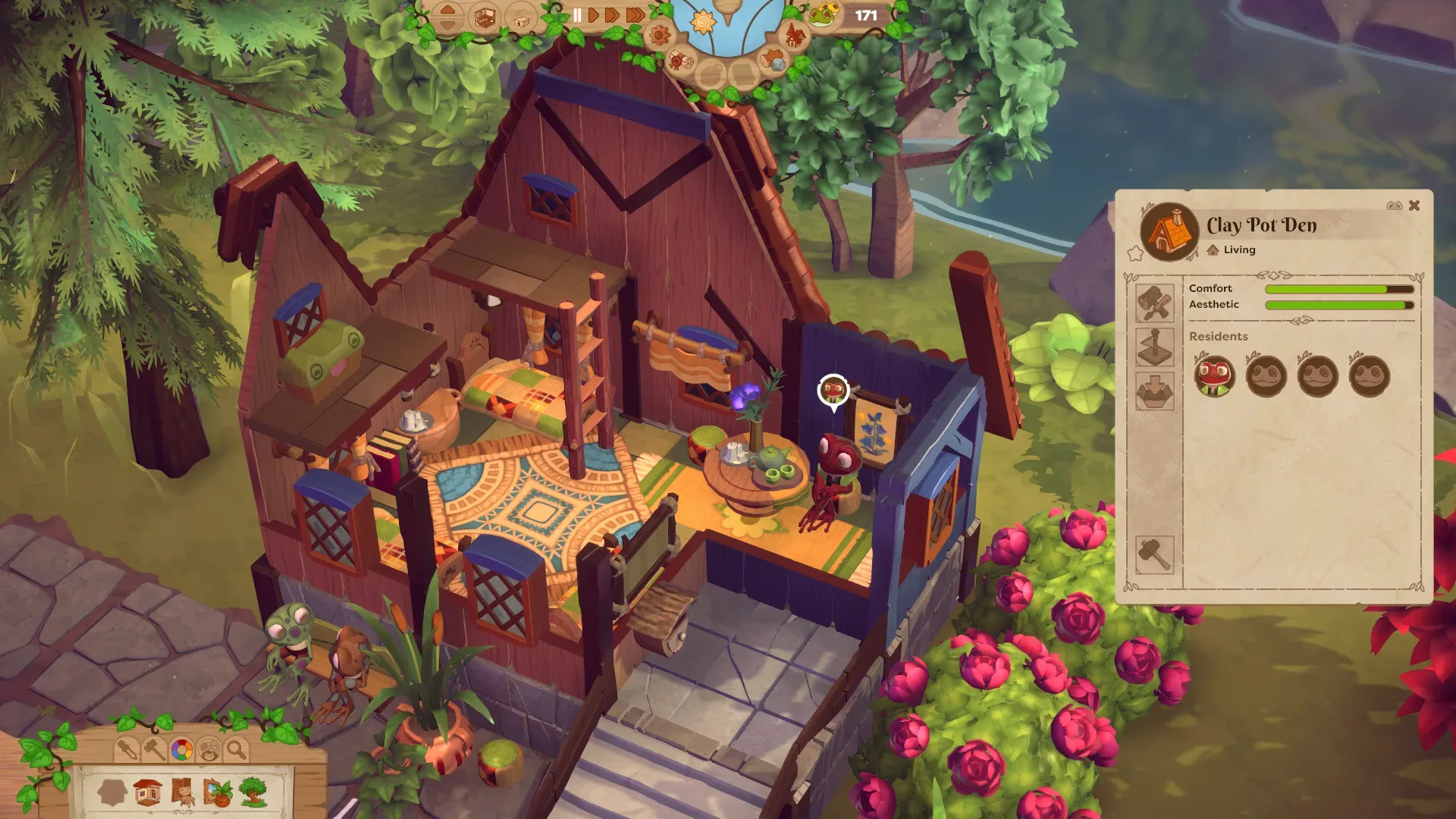
Croakwood’s building system is described as flexible and piece-based, with customization options. A piece-based system means construction is assembled from individual parts instead of relying entirely on fixed, pre-made buildings. The potential appeal is creative control: players may be able to give a settlement a more personal layout and visual identity as it expands.
Customization is particularly suited to the camp-to-town structure presented here. Early construction can establish a foothold in the forest, while later building can make the same space feel denser, more deliberate and more lived-in. The announcement does not spell out which building pieces, materials, placement rules or decorative tools will be included, so it is best to treat the trailer as confirmation of the system’s broad direction rather than a complete construction feature list.
Related coverage includes Croakwood Trailer Shows a Frog Camp Growing Into an Amphibian Town.
Frogs with jobs and routines
The settlers are not merely a population number. The trailer highlights frog townsfolk that carry out roles and daily routines. In management-game terms, a role is a job or responsibility assigned within the settlement, while a daily routine refers to repeated activity over the course of the game’s day-to-day cycle. Together, those systems can make the settlement look active because its residents visibly contribute to gathering, crafting or other work.
This also establishes a useful link between the player’s construction decisions and the town’s inhabitants. More buildings and resources are not only visual upgrades: they are part of the conditions for expanding the community and supporting its residents. The exact jobs, assignment mechanics and consequences of those routines have not been detailed. Still, the presence of role-based townsfolk indicates that Croakwood’s management layer extends beyond simply placing structures on a map.
An ancient forest to open up
Croakwood’s setting is an ancient forest with hidden secrets and new areas to unlock. Exploration therefore appears to sit beside town planning rather than being a separate background theme. Unlocking areas can change what the player can reach and build around, while secrets give the forest a reason to be investigated instead of treated as empty space around the settlement.
There is an important distinction between what is stated and what can only be inferred. It is confirmed that secrets and unlockable areas are part of the forest. It is not confirmed what those secrets are, what unlock requirements exist, whether exploration is directed or freeform, or whether newly opened locations provide particular resources or residents. The trailer establishes an exploratory component, but not its full scope.
Why the combination matters
At its most basic, Croakwood’s loop connects three complementary activities. Resource gathering and crafting establish the operational side of a town. Piece-based construction supports creative expression. Forest secrets and unlockable areas provide a reason to look beyond the current settlement boundary. The frogs’ roles and routines are the connective tissue, helping the town feel occupied as players build it out.
That balance could appeal to players who want a building game with a visible settlement simulation but without the promise of an overwhelmingly complex management model. The term “light management-sim” should not be read as a precise measure of depth, yet it does signal an intended tone: build, organize and watch a community develop, rather than necessarily operate a relentlessly demanding system.
The frog setting also gives Croakwood a coherent identity. The premise is not simply a generic village in a generic woodland. A community of amphibian settlers, a forest camp and a town gradually coming alive all point in the same direction. The trailer’s emphasis is on the changing settlement itself—how a small starting group becomes a fuller community through the player’s choices.
What is known—and what is still to come
Texel Raptor has confirmed the game’s broad structure and the pillars shown in the trailer:
- A relaxed town-builder with light management-simulation elements.
- Frog settlers who gather resources, craft supplies and help the settlement expand.
- A flexible, piece-based construction system with customization.
- Townsfolk roles and day-to-day routines.
- An ancient forest containing secrets and areas that can be unlocked.
- A Steam wishlist listing and a Discord for ongoing updates.
Beyond that, prospective players will need to wait for further details. The announcement does not establish a launch window, a final platform list, the number of building parts, the scale of the map, multiplayer support, controller support, or the exact shape of the game’s progression systems. Those absences do not diminish the trailer’s core message; they simply mark the line between the game’s announced concept and its as-yet-undisclosed specifics.
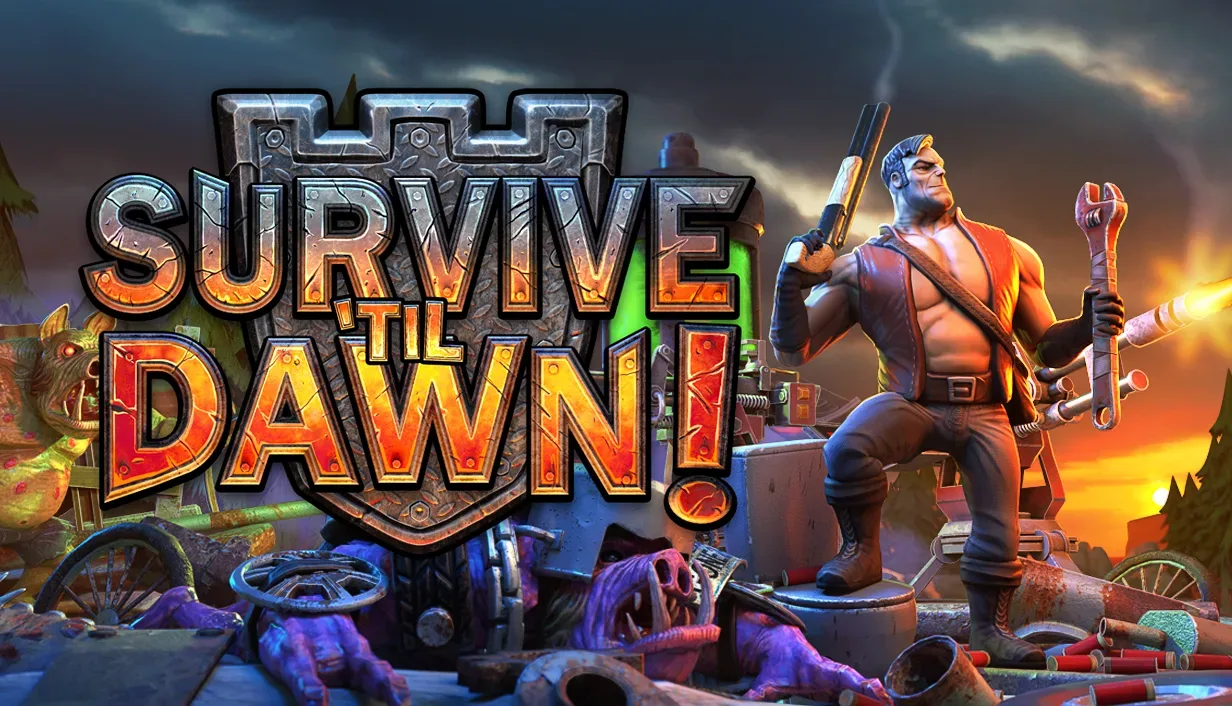
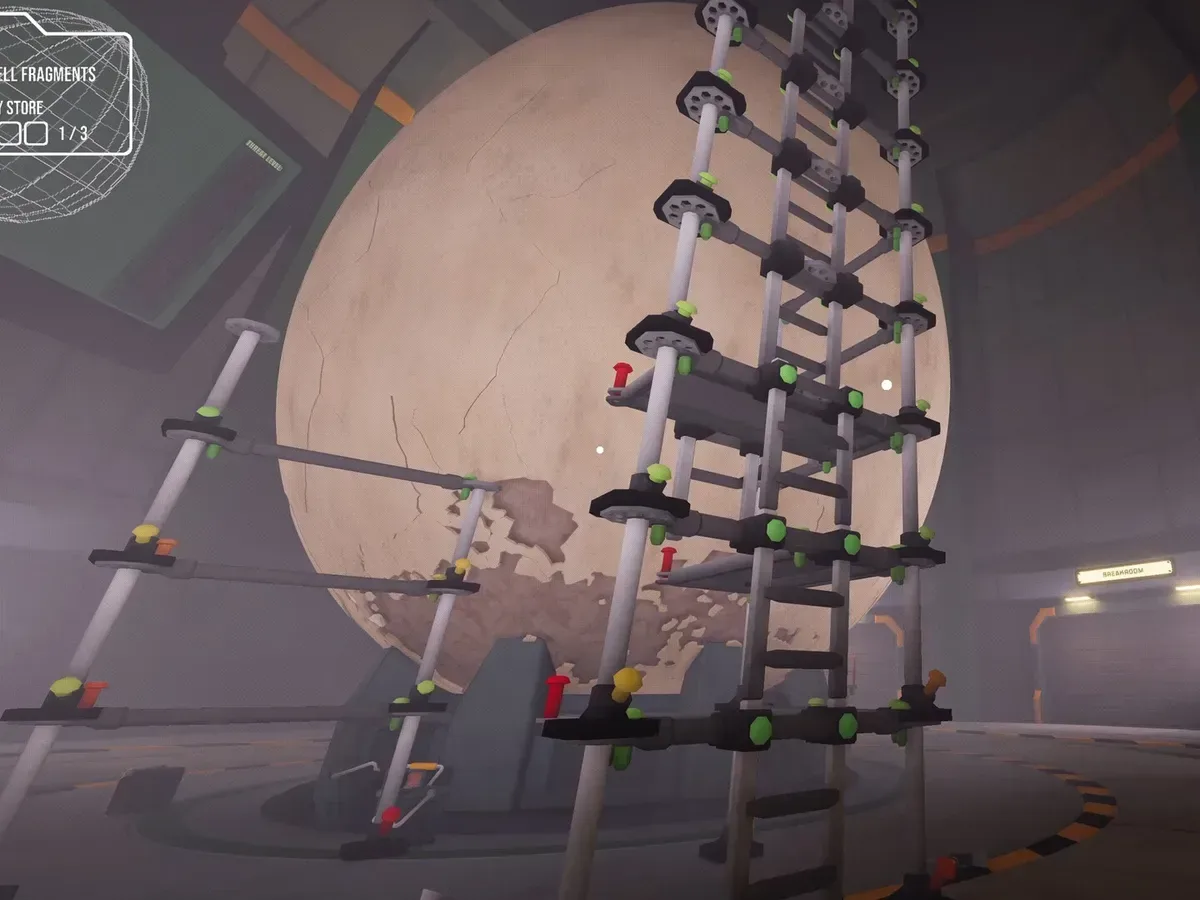
For players tracking smaller PC projects built around construction and survival-adjacent planning, there is also room for a very different upcoming Steam game in the same broad landscape: Survive ’Til Dawn! has outlined its own scrap-built defences and co-op plans. Croakwood, by comparison, is presenting a gentler forest settlement focused on frog townsfolk, customizable construction and gradual expansion.
For now, the new footage serves as an introduction to Croakwood’s intended rhythm: collect what the settlement needs, create supplies, shape a town and gradually uncover more of the forest around it. It is a compact pitch, but one with a clear focus on watching a small frog camp become a place that feels busy, customizable and distinctly its own.