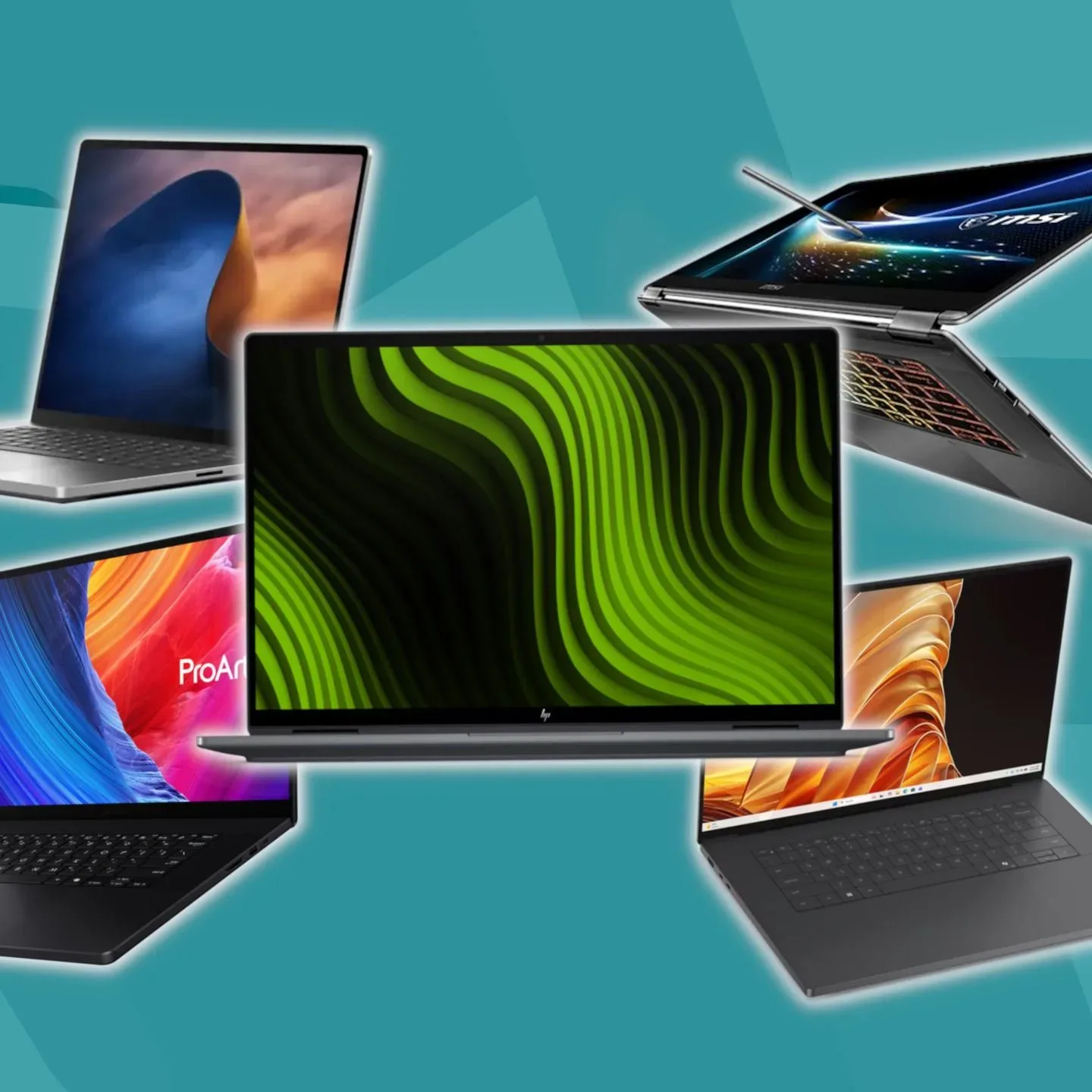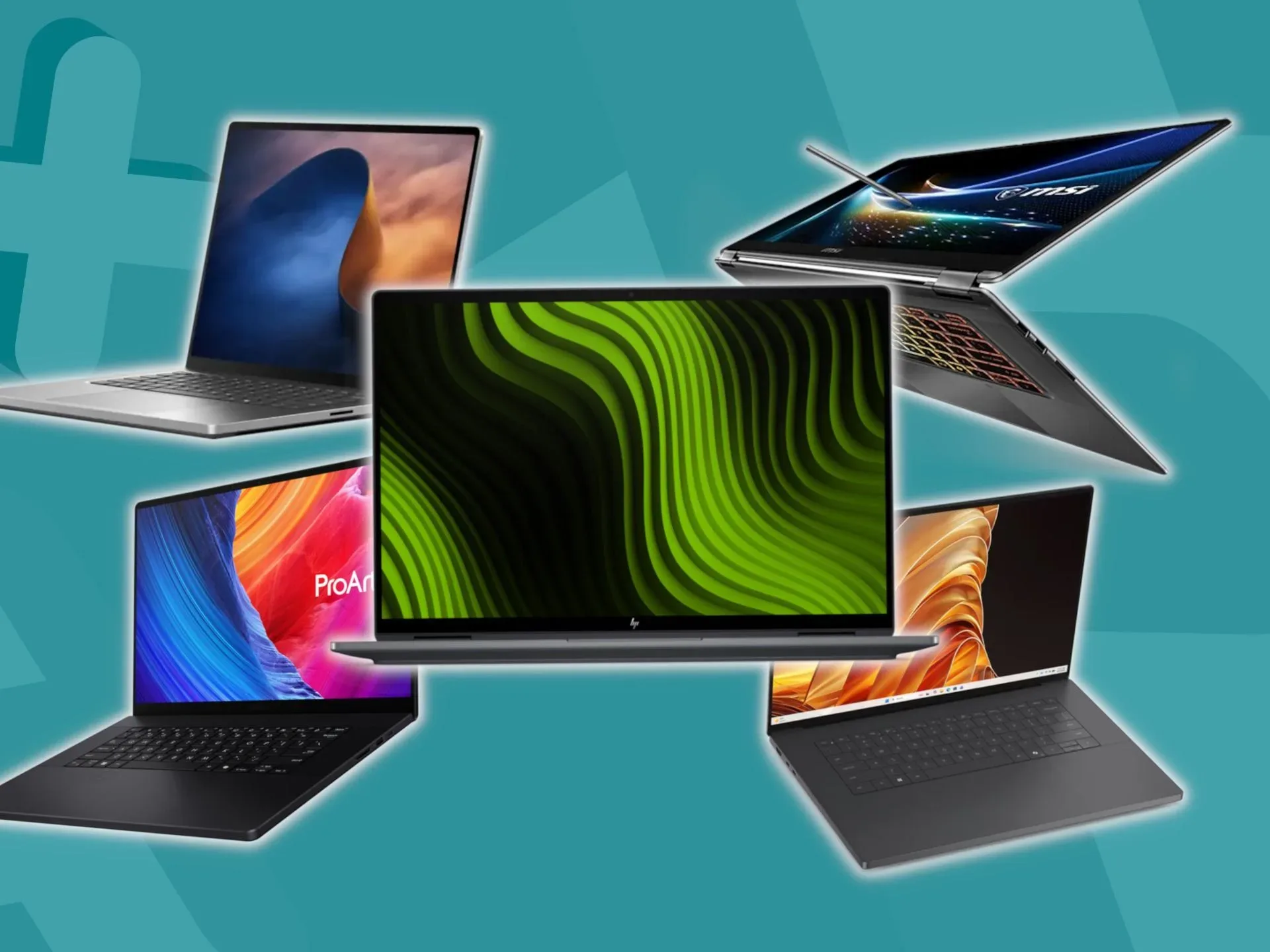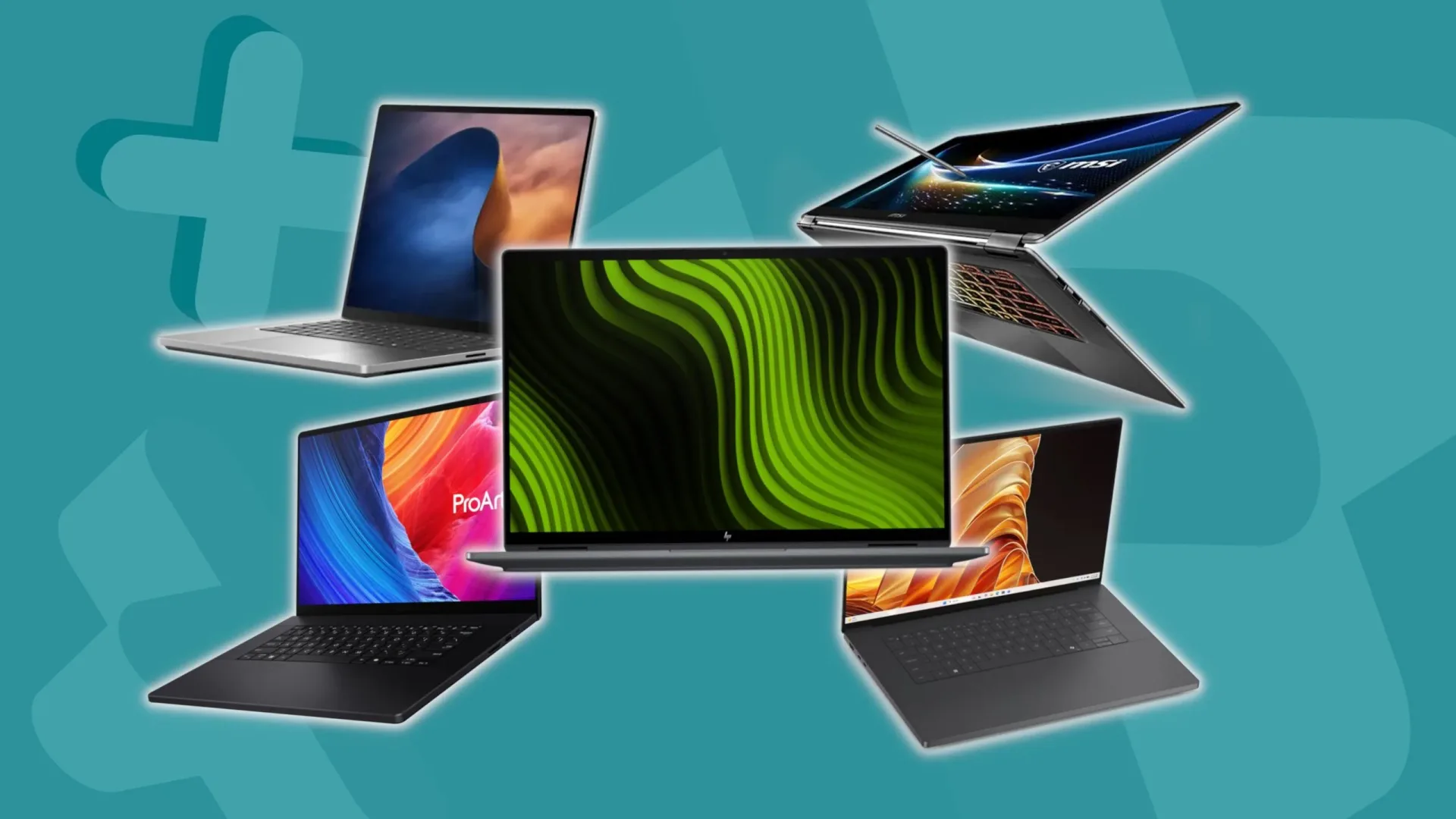
Nvidia RTX Spark laptops have entered the pre-order phase ahead of an October 16 release, bringing a new Arm-based system-on-chip platform to thin, premium notebooks from Microsoft, Asus, HP, MSI, Lenovo and Dell. The initial lineup spans eight laptop families and 18 configurations, with pricing beginning at $2,599.99.
That entry price makes the first RTX Spark machines a distinctly high-end proposition rather than a cheaper alternative to conventional gaming laptops with dedicated graphics. The platform is being positioned around AI-focused creative and professional work alongside gaming, and the published configurations lean hard into that brief: substantial memory allocations, high-resolution screens and comparatively slim creator-laptop designs.
For PC players, the pitch is intriguing but incomplete. RTX Spark could make for a more portable powerful machine than the usual gaming-laptop formula, and the first group includes multiple 4K OLED options. Yet game performance in demanding releases, especially at those high display resolutions, remains unproven. Compatibility is another consideration because these machines use Arm-based operating systems and may depend on emulation for some software.
A premium starting point, not a budget gaming pivot
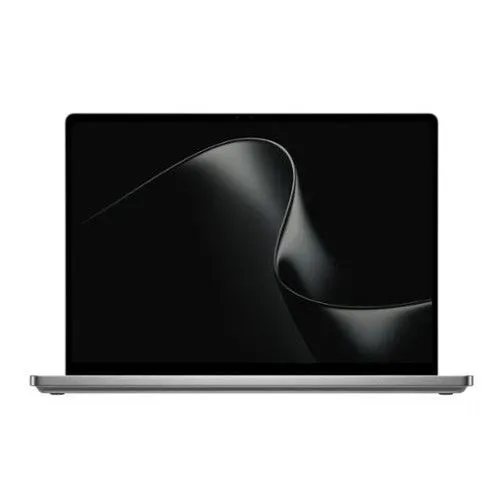
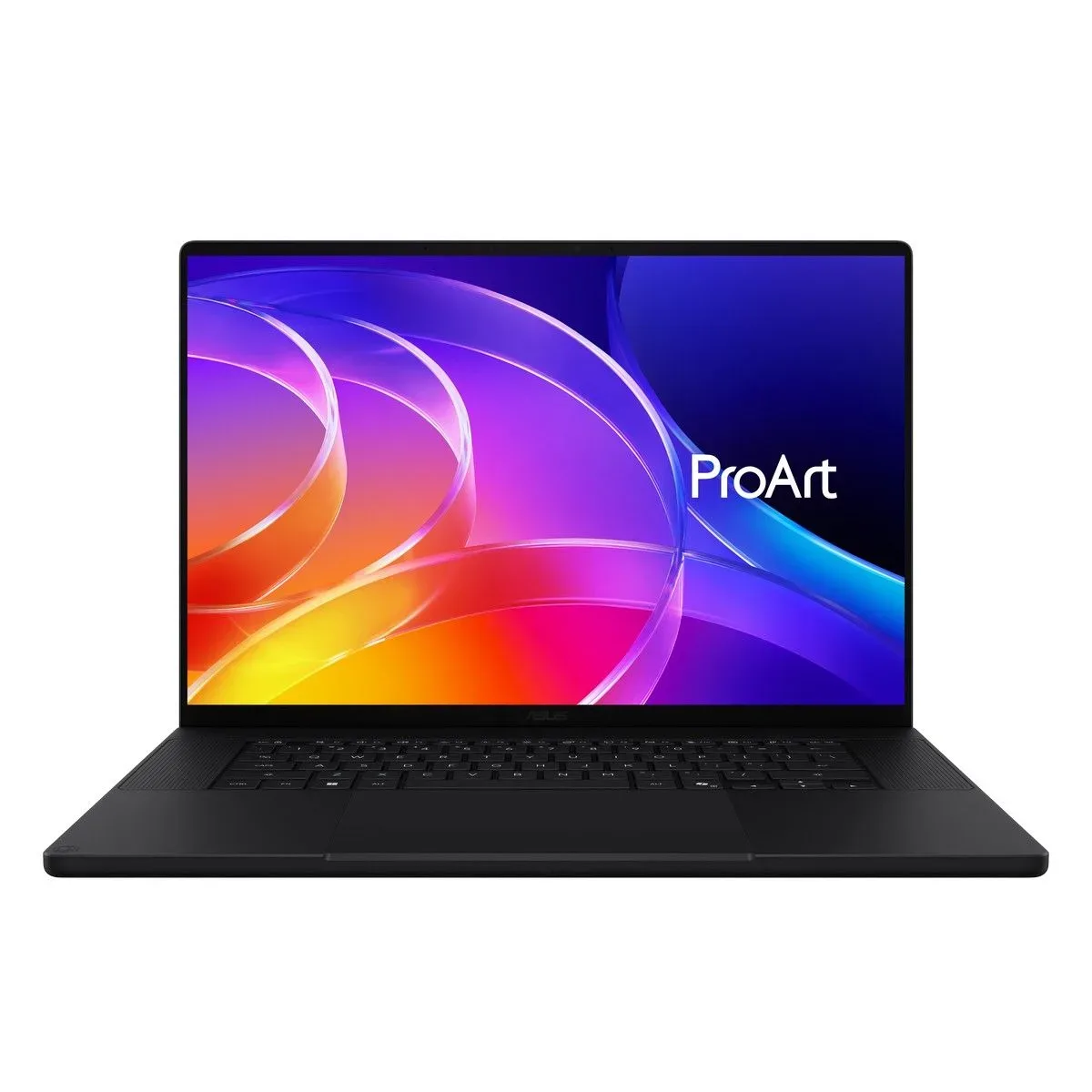
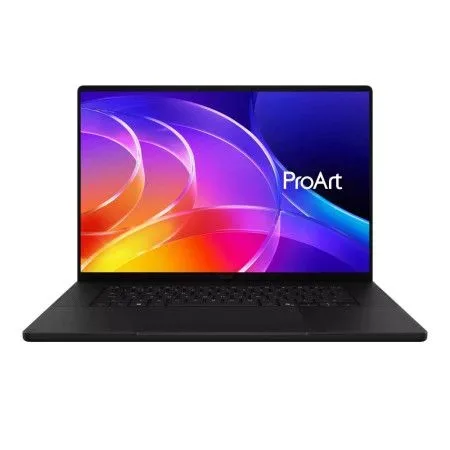
The lowest listed RTX Spark pre-orders are the Microsoft Surface Laptop Ultra and Asus ProArt P14, both at $2,599.99. Each uses the 18-core version of the RTX Spark SoC with 24GB of RAM and a 512GB SSD. The difference is largely in the display approach: the Surface is listed with a 3:4, 2180p Mini LED panel, while the 14-inch ProArt has a 3K OLED display.
That price point is roughly in line with the going rate described for RTX 5070 Ti gaming laptops, which are capable of running current games at QHD+ resolutions. Nvidia has compared Spark performance with an RTX 5070, so prospective buyers should be careful not to read the name alone as a promise of a direct, like-for-like replacement for every conventional RTX gaming notebook.
The notable distinction is that Spark is an SoC, short for system on a chip. In broad terms, that means the central computing functions are integrated into one platform rather than presented as the familiar separate CPU-and-dedicated-GPU arrangement found in many gaming laptops. The initial machines are also offered in 18-core and 20-core Spark variants. Those core-count differences, together with memory, storage, displays and chassis choices, create much of the spread in the first-wave prices.
Memory is a major part of the story. The lineup begins at 24GB but rises as high as 128GB in certain Asus configurations. With RAM availability described as a major pricing pressure in 2026, the generous memory capacities help explain why these systems occupy a premium bracket. They also reinforce that the products are intended for workloads broader than simply playing games.
Thin designs are the clearest gaming-facing attraction
Traditional high-performance gaming laptops can be difficult to carry daily, particularly once their power hardware and cooling requirements are factored into the design. The first Spark roster instead places its processing platform in slimmer machines that resemble creator and productivity systems. For players who travel with one computer for work and games, that physical form factor may be more meaningful than the marketing around AI.
Related coverage includes Nvidia RTX Spark Laptops Start at $2,599.99 as Pre-Orders Open.
Screen specifications are another potential advantage. Several early models are available with 4K OLED displays, a combination that often sits at a premium in more traditional gaming hardware. Asus lists a 4K OLED ProArt P16; MSI lists a 4K OLED Prestige N16 Flip AI; Dell’s XPS 16 Creator uses a 3.2K OLED display. HP’s OmniBook X 14 pairs its 3K OLED panel with a 120Hz refresh rate, while the larger OmniBook Ultra 16 retains the 3K OLED resolution and 20-core Spark platform.
A high-resolution screen is not automatically a gaming win. It gives a machine more pixels to render, which makes maintaining smooth frame rates more demanding. That is where DLSS is likely to be central to the Spark gaming proposition. DLSS is Nvidia’s graphics technology designed to help games achieve higher perceived performance through AI-assisted rendering techniques. Its eventual effectiveness on these notebooks will depend on the game, its support for the technology, chosen resolution and settings, and the actual performance of each laptop design.
In other words, a 4K panel makes a Spark laptop potentially attractive for visual work and media as well as games, but it should not be treated as evidence that every demanding game will run natively at 4K with consistently high frame rates. That real-world question remains open before release.
Arm compatibility deserves as much attention as the spec sheet
The more fundamental issue for gamers is the Arm-based operating environment. Some applications and games may require emulation rather than running in the most direct manner available on a conventional platform. Emulation here means software translation that enables programs made for a different architecture to operate. It can be useful, but it adds another variable to compatibility and performance.
That does not mean every game will be unusable. It does mean that early adopters should approach Spark as a new platform whose gaming behavior needs to be established title by title. A buyer whose library includes a specific competitive game, anti-cheat-dependent title, mod setup, launcher or older PC release should seek confirmation that it works as expected before committing. The same caution applies to peripherals and tools that are essential to a player’s setup.
There is also a practical distinction between a machine that can launch a game and one that delivers the experience a buyer expects. Screen resolution, refresh rate, DLSS support and compatibility all intersect. Someone shopping for a portable creative workstation that can also handle selected games may reach a different decision from a player seeking a no-compromise replacement for a dedicated gaming laptop.
That uncertainty is especially relevant at these prices. A $2,599.99 starting point leaves little room for treating the first generation as an impulse experiment. Buyers are paying for thin designs, premium displays, large memory configurations and AI-oriented capabilities, not merely for a conventional gaming performance tier.
The initial RTX Spark configurations
The listings are spread among Amazon, Best Buy, Costco and B&H Photo, with most pre-orders appearing at Best Buy. Configuration availability differs by brand, and the published list contains a few unusual pricing steps. The following is the reported early roster rather than a claim that every configuration will be sold through every retailer.
Microsoft Surface Laptop Ultra
- Entry configuration: 18-core RTX Spark, 2180p 3:4 Mini LED display, 24GB RAM and 512GB SSD — $2,599.99.
- 18-core model with 32GB RAM and 1TB SSD — $3,299.99.
- 20-core model with 32GB RAM and 1TB SSD — $3,699.99.
- 20-core model with 48GB RAM and 1TB SSD — $3,999.99.
Asus ProArt P14 and P16
- ProArt P14 entry configuration: 18-core RTX Spark, 3K OLED display, 24GB RAM and 512GB SSD — $2,599.99.
- ProArt P14 with 3K OLED, 32GB RAM and 512GB SSD — $3,099.99.
- ProArt P14 with 3K OLED, 48GB RAM and 1TB SSD — $3,699.99.
- ProArt P14 with 3K OLED, 128GB RAM and 1TB SSD — $6,499.99.
- ProArt P16 with 18-core Spark, 4K OLED, 120Hz panel, 24GB RAM and 512GB SSD — $3,399.99.
- ProArt P16 with 4K OLED, 32GB RAM and 1TB SSD — $6,499.99.
- ProArt P16 with 4K OLED, 128GB RAM and 2TB SSD — $6,999.99.
The P16 stands out for offering a larger 16-inch screen, 4K resolution and a 120Hz refresh rate. Refresh rate is measured in hertz and indicates how often a display can update each second; a 120Hz panel can display up to 120 updates per second when the system and game can produce them.
HP, MSI, Lenovo and Dell
- HP OmniBook X 14: the least expensive listed 20-core Spark configuration, with a 3K OLED 120Hz display, 32GB RAM and 1TB SSD. Its price is not specified in the available listing details.
- HP OmniBook Ultra 16: a larger OLED model retaining 3K resolution, 20-core Spark, 32GB RAM and a 1TB SSD. No price is specified in the provided details.
- MSI Prestige N16 Flip AI: 20-core Spark, 4K OLED, 32GB RAM and 1TB SSD — listed from $3,199.99, with a configuration listing of $3,299.
- Lenovo Pro 9n: 15-inch touchscreen with Yoga Pen Gen 2, QHD+ OLED display, 20-core Spark, 32GB RAM and 512GB SSD. It is priced $100 above HP’s 20-core OmniBook X 14, though its exact price is not provided.
- Dell XPS 16 Creator: 18-core Spark, 3.2K OLED, 32GB RAM and 512GB SSD — $3,799.99.
- Dell XPS 16 Creator: 20-core Spark, 3.2K OLED, 32GB RAM and 1TB SSD — $3,999.99.
Who should wait for the important answers?
The first RTX Spark wave has a clear appeal for users whose priority is carrying a slender premium laptop for AI-oriented work, creative tasks and some gaming. The specifications also show an unusually broad choice of OLED, 3K and 4K displays, plus memory options that extend to 128GB.
For players buying primarily for games, patience may be the more sensible strategy. The crucial information is not yet established: how demanding games perform across these slim designs, how heavily individual titles rely on DLSS, and where Arm emulation introduces friction. It will also matter whether a particular buyer needs QHD+ performance, high-refresh play, native 4K output or merely a flexible portable system that can accommodate a game library.
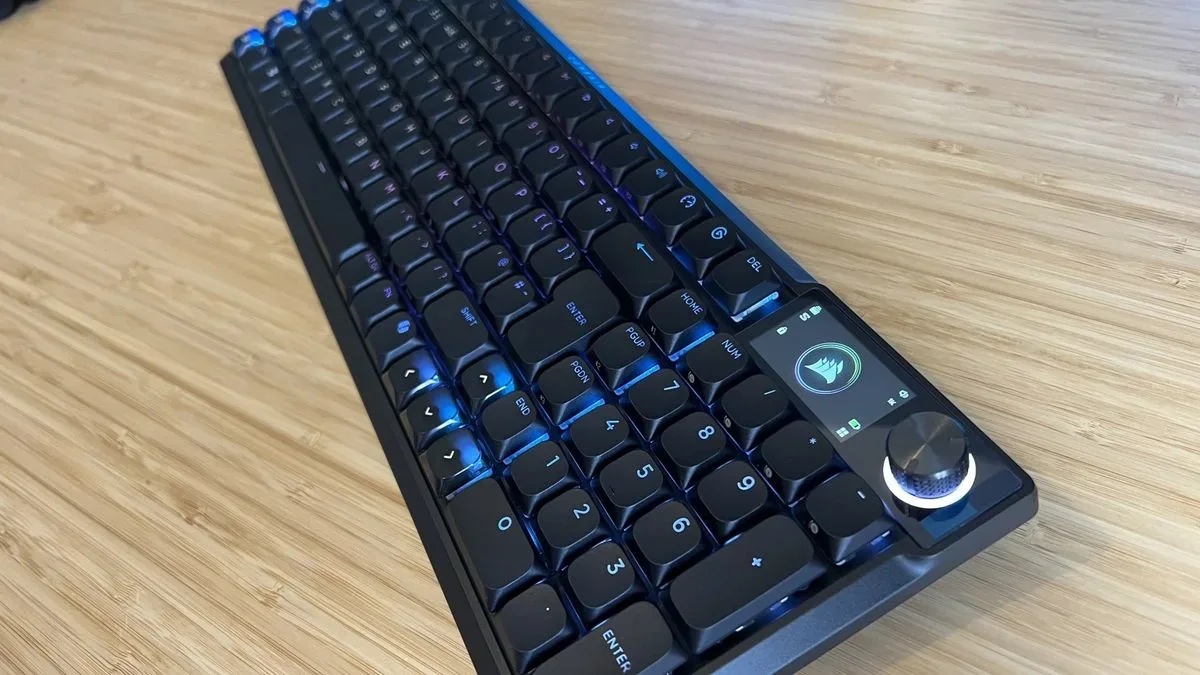
RTX Spark’s arrival is therefore less a simple “new gaming laptop” launch than a test of a different premium-PC balance. It promises compact hardware and ambitious displays, but asks buyers to accept a platform transition at prices comparable with established high-end gaming machines. Anyone looking at a conventional portable setup may also want to weigh adjacent hardware choices, including the Corsair Vanguard Air 99 low-profile keyboard, before deciding whether a thin all-purpose notebook or a more conventional gaming rig best fits their desk and travel needs.
Shop the products
Check current price, model and availability at the retailer.