The Witcher 3 Remastered is already receiving a brisk round of post-launch repairs. Two hotfixes have arrived shortly after release, addressing lighting presentation, a missing DLSS option for one PC version, and bugs involving voiceover and save files. More changes are in progress, including a planned adjustment for bloom lighting and a fix for a console sound problem that can make Geralt harder to hear.
The early patch cadence matters because the debate around this remaster is not limited to a single broken menu option or isolated error. Its revamped image, including path tracing, has become one of its more divisive elements. Some disagreement is plainly subjective: players do not all want the same degree of contrast, brightness, color intensity, or visual detail. But the initial updates also acknowledge specific technical concerns that can affect how the game looks and functions on different versions.
What the two hotfixes change
The first hotfix addressed a PC issue affecting the Xbox Play Anywhere edition: DLSS was not accessible. DLSS is a rendering technology that uses AI-based upscaling to help a game produce a higher-resolution-looking image from a lower internal rendering resolution. In practical terms, players who depend on that option may use it to pursue better performance, a sharper output, or a preferred balance between the two. When the setting cannot be accessed at all, that choice is removed.
That same update also made interiors less dark, adjusted lighting more broadly, and aimed to bring console lighting into parity with the PC version. “Parity” in this context means attempting to make the lighting treatment consistent between versions, rather than leaving one platform with a notably different presentation. It does not necessarily mean every hardware configuration will render every scene identically, but it signals that the intended visual baseline should be shared.
A second PC-focused hotfix followed a few hours later. At roughly 5GB, it addressed several bugs, including a voiceover issue and a save-file error. Those are separate from the visual complaints, yet potentially more immediately disruptive: a voiceover fault can interfere with dialogue delivery, while any save-file problem is especially unwelcome in a long role-playing game where progress is central to the experience.
- First hotfix: restores access to DLSS for the Xbox Play Anywhere version on PC; brightens interiors; makes broader lighting adjustments; and seeks console-to-PC lighting parity.
- Second hotfix: fixes several PC issues, including voiceover and save-file errors.
- In development: a bloom-setting change and a console sound fix.
Why bloom has become the next visual priority
The next stated target is bloom, a visual effect that adds a glow or haze around bright parts of an image. Used subtly, it can make an intensely lit surface feel luminous. Used too aggressively, it can soften edges and spread brightness across the screen, creating the kind of washed-out look some players have objected to in the remaster.
Players have been turning bloom off to reduce that washed-out appearance. That workaround is useful for anyone who prefers the result, but it is not quite the same as a refined implementation of the effect. A toggle is a binary choice: full effect or no effect. A developer adjustment could potentially improve how the setting behaves for players who want bloom to remain part of the game’s presentation without overwhelming scenes with excess glow. Specific details of the planned change have not yet been shared, so it is too early to assume exactly what will be altered.
The distinction is important. Complaints about an effect can point to different problems: its overall intensity, how it interacts with bright skies or lamps, its behavior indoors, or the way it combines with other lighting features. The available information confirms that bloom is being addressed, but not the technical method or final visual result.
Related coverage includes The Witcher 3 Remastered Hotfixes Target Lighting, DLSS and Save Errors.
Path tracing, lighting and the remaster’s visual divide
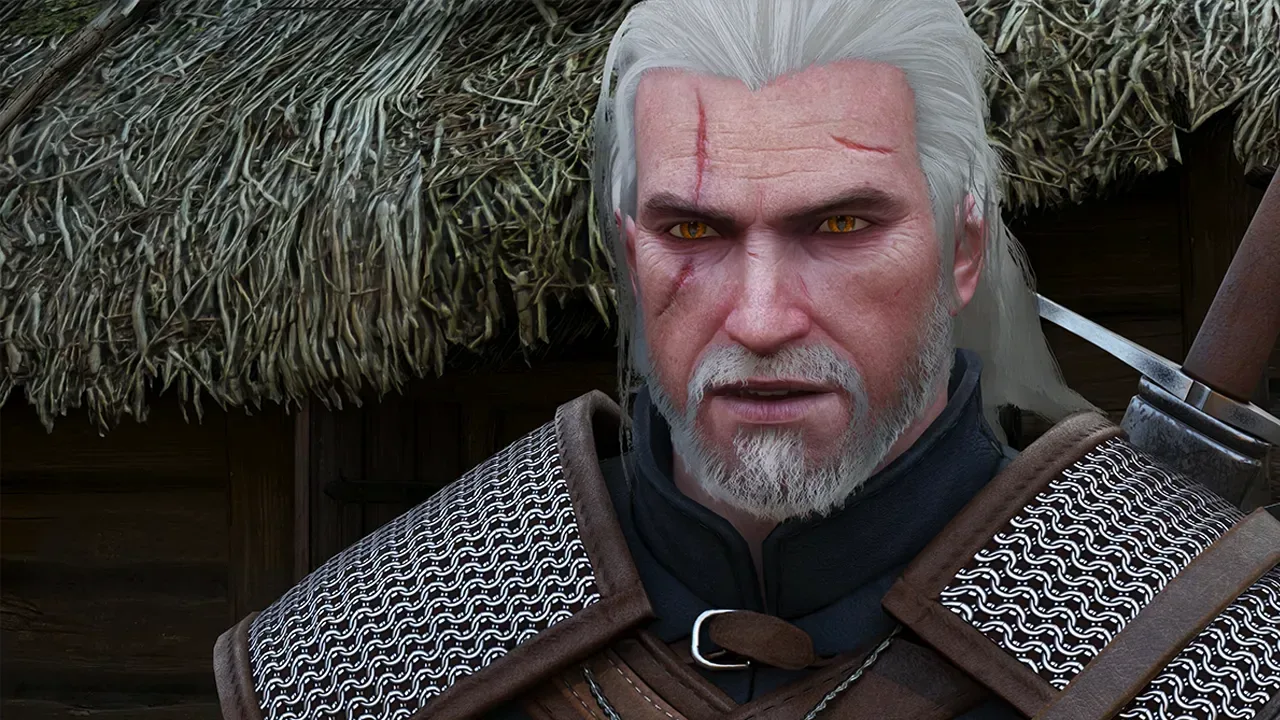
Path tracing is among the remaster’s major graphical changes. In simple terms, it is a lighting-rendering approach designed to simulate how light travels through a scene more comprehensively than traditional methods. It can influence reflections, shadows, indirect illumination and the way surfaces receive bounced light. Because lighting informs so much of an image, a change at this level can alter the perceived atmosphere of familiar places even when the underlying environment remains recognizably the same.
That is why visual reactions can be difficult to reduce to a simple right-or-wrong verdict. A player may prefer heavier contrast and darker interiors because it produces a moodier image. Another may see the same scene as too dim or lacking readable detail. A more luminous image can make architecture, foliage and character silhouettes easier to see, but it can also feel flatter if highlights expand too widely. Neither preference automatically proves a technical defect.
At the same time, the hotfixes establish that not every concern is merely a difference in taste. The interior-brightness change and broader lighting adjustments are concrete interventions. The forthcoming bloom work is another acknowledgement that the current presentation needs refinement. The sensible reading is that the remaster’s new look is inviting both aesthetic disagreement and real implementation issues, with the developer working through at least part of the latter.
What players should expect now
For PC players using the Xbox Play Anywhere version, the DLSS correction is the most direct change to check. For PC players affected by the reported voiceover or save-file bugs, the second hotfix is the relevant update. Players judging the game primarily on its image should note that lighting has already changed and that another visual-focused update is planned, meaning early screenshots, settings recommendations and impressions may not remain fully representative after the next patch.
Console players have two separate developments to watch. Lighting was included in the first round of adjustments, with the stated aim of matching the PC presentation more closely. Separately, a sound fix is in the works for an issue that can make Geralt’s dialogue too quiet. No timetable or technical breakdown has been provided for either forthcoming repair beyond the expectation that the changes are hoped to be ready for the next update.
“We’re hoping to have the changes ready for the next update but no details yet.”
That lack of detail is worth keeping in mind. There is confirmation that the bloom and console sound fixes are being worked on, but no confirmed release date, patch size, settings guidance, or complete list of affected platforms. It also remains unclear how much of the larger visual debate will be changed by bug fixes versus how much will continue as a question of player preference around the remaster’s sharper detail, high-contrast lighting and path-traced presentation.
Early patches are a practical signal, not a final verdict
Rapid hotfixes can be reassuring when they restore a missing feature such as DLSS or resolve save-related errors. They also make clear that the launch state is still evolving. Players encountering minor annoyances beyond the confirmed fixes may reasonably want to keep an eye on future patch notes rather than assume every reported issue is already covered.
For those deciding whether to play now, the clearest practical takeaway is to update first and revisit the graphics options with the latest build installed. Bloom can be disabled if its current look is not to their taste, while the promised revision may make the setting more palatable later. Players affected by quiet console dialogue will need to wait for the planned audio repair, and PC users should confirm that their preferred DLSS option is available after the relevant update.
This is also a reminder that graphics technology is only part of a game’s presentation. Lighting settings, interior exposure, post-processing effects such as bloom, sound mix, dialogue clarity and stable saves all shape the experience. A remaster can have ambitious rendering features, but it still needs those fundamentals to work coherently across its versions. For another example of how patches can combine performance work with broader gameplay adjustments, see Masters of Albion’s New Beginnings update.
For now, The Witcher 3 Remastered’s first fixes handle several of the most tangible launch issues while leaving two notable items—bloom and console audio—on the active to-do list. The next update should be particularly telling for players who like the potential of the new rendering overhaul but want a less hazy, more balanced final image.